
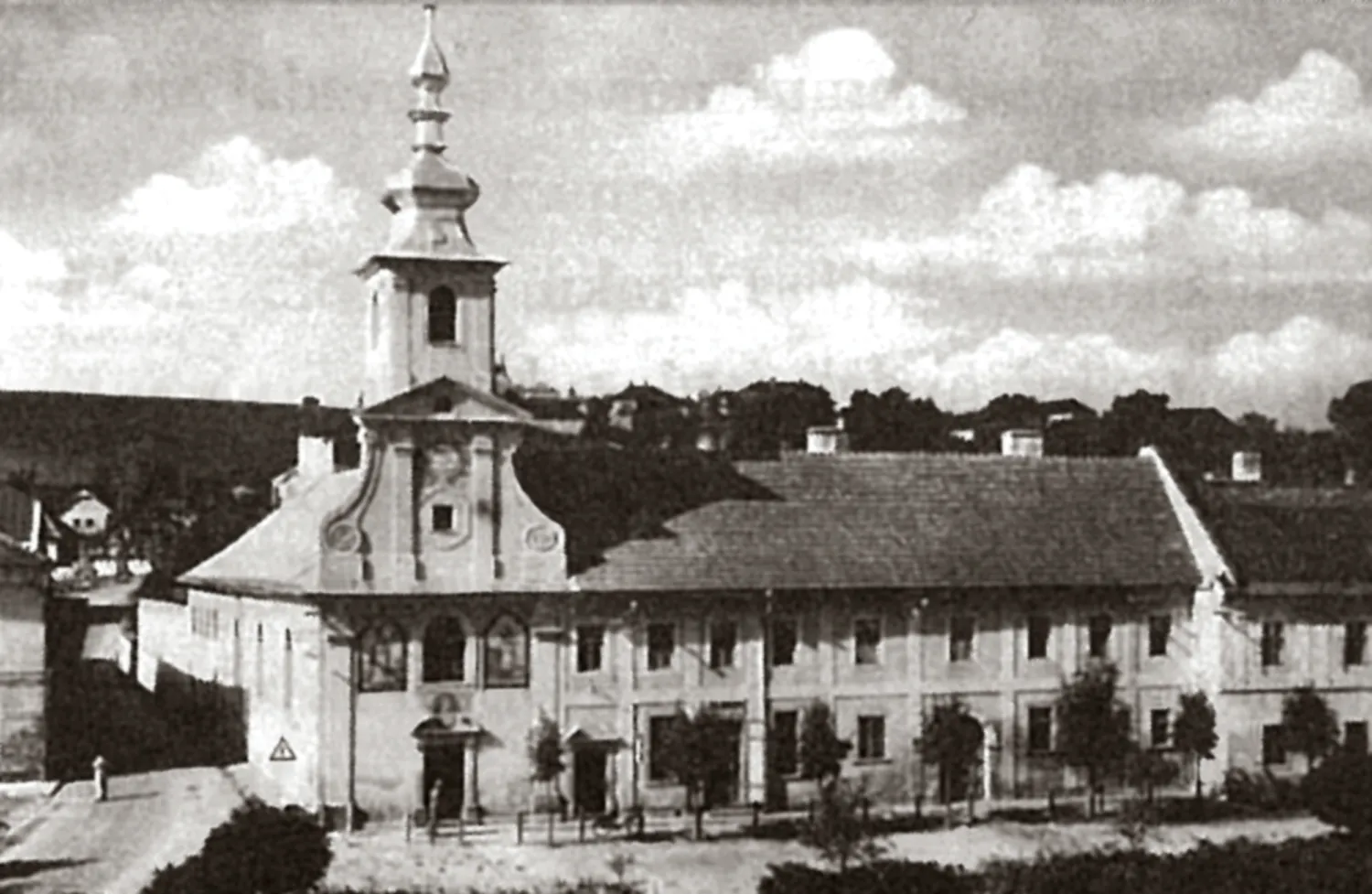
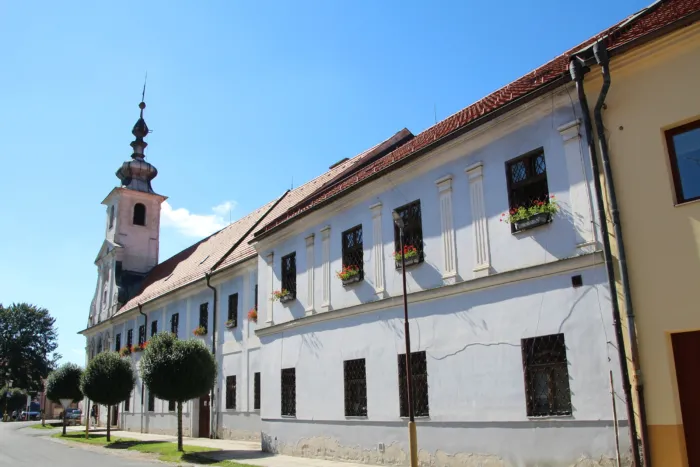
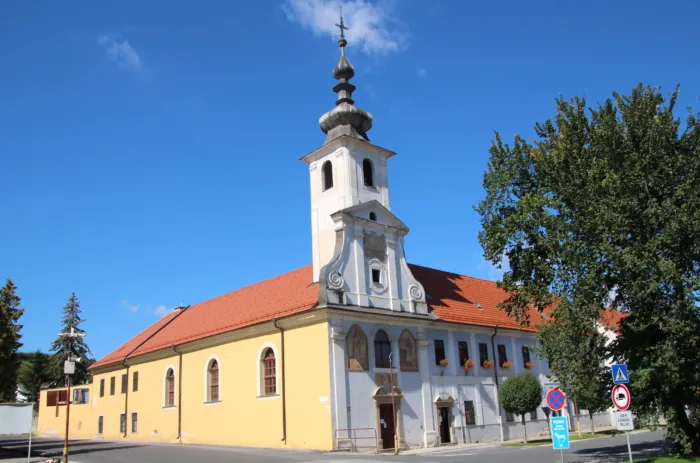
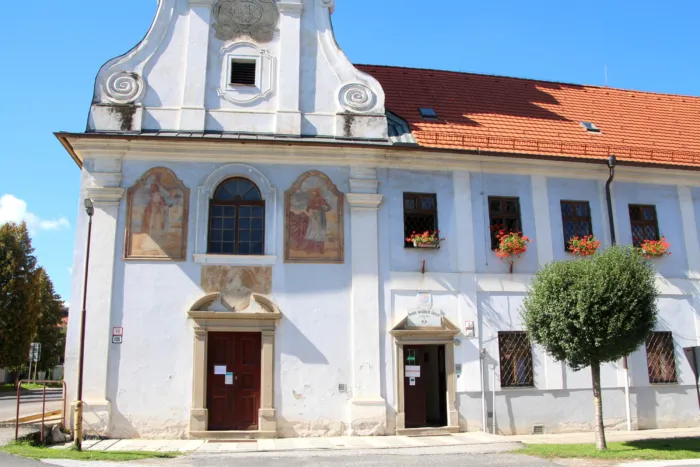
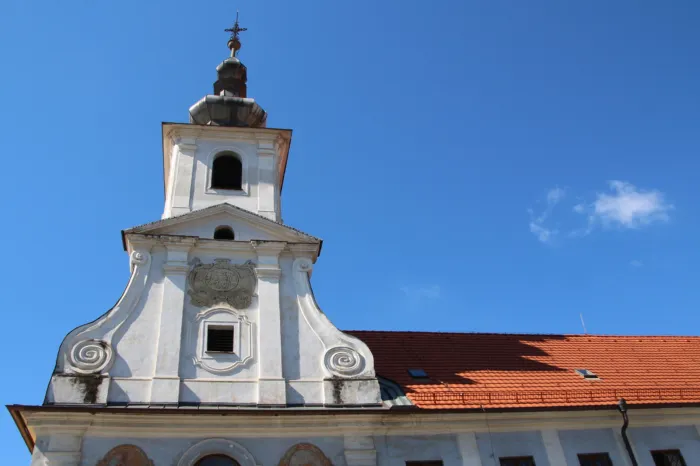
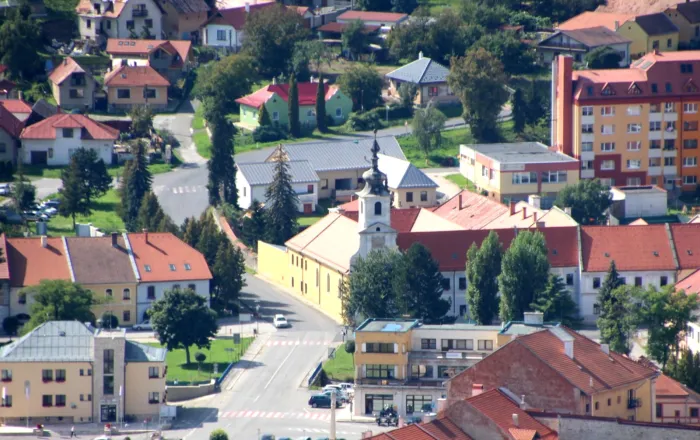
Church and convent of the Order of Mercy
Building, structure
The Order of Mercy (Ordo Fratres Misericordiae), established in 1650, played a major role in building the network of hospitals in Hungary. ; They established the first pharmacies. They were the first to deal with the treatment of the mentally ill, and in the 18th century and the first half of the 19th century, government decrees almost exclusively entrusted the care of epidemic patients to the hospitals of the Order of Mercy. The conditions for treatment and isolation were the best here. ; The Order of Mercy – which even Joseph II did not abolish, as one of the few exceptions, precisely because of its “usefulness” and outstanding merits for the common good, which he himself recognized – was abolished on September 7, 1950, with Decree No. 24/1950, like many other orders, its hospitals and institutions were nationalized, and the monks were dismissed. ; The first house of the Order was established in Szepesváralja in 1650, and then it founded its hospitals one after another. Bratislava (1669), Eger (1726), Pest (1731), Timisoara (1737), Pápa (1757), Kismarton (1760), Nagyvárad (1760), Vác (1778), Szakolca (1796), Pécs (1796), Bratislava II. (1802), Zagreb (1804), Buda (1806), Satu Mare (1834). ; The Brothers of the Order of Mercy first appeared on Hungarian soil in 1650 in Szepesváralja. The hospital and church were built by the Polish prince, crown marshal Stanislaus Lubomirsky, in honor of Saint John the Divine (the founder of the order). The monastic community here formed the first Misericordian convent in our country, which organizationally belonged to the German province, and later to the Polish province. Because of these facts, many did not consider the monastery in Szépesváralja to be the Hungarian mother house, but rather venerated the Hungarian mother monastery in the later, but Hungarian-founded house in Bratislava. ; The church and monastery of the Merciful Order of Saint John the Divine was built between 1653 and 1658 by rebuilding the city shelter from 1327. It was rebuilt in Baroque style between 1727 and 1736. Above the entrance to the church, there is an image of Saint Nicholas and Saint John of Nepomuk.