
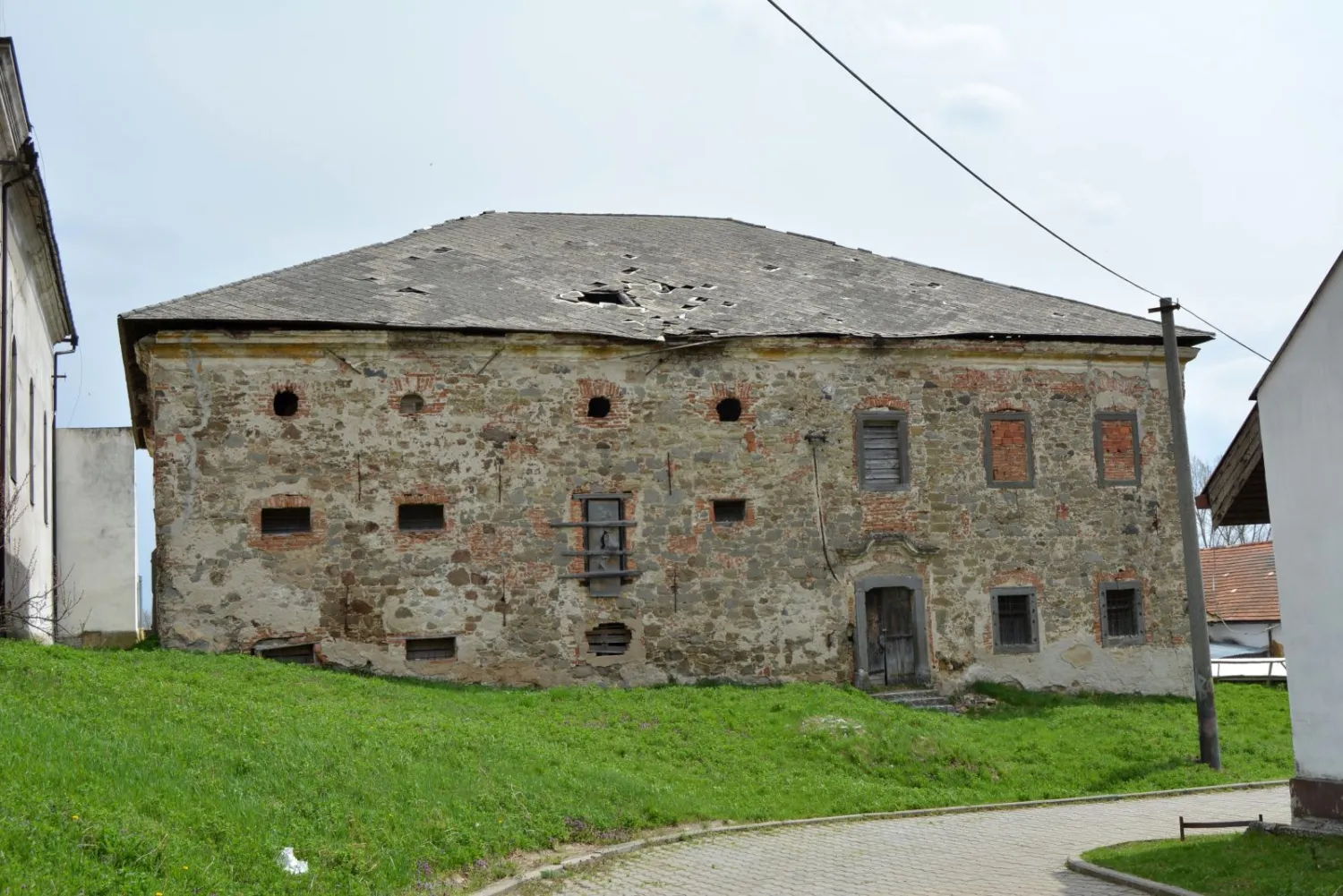
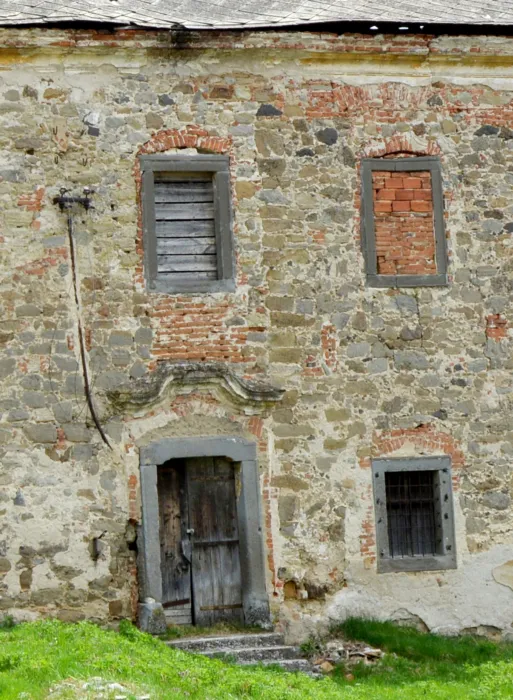
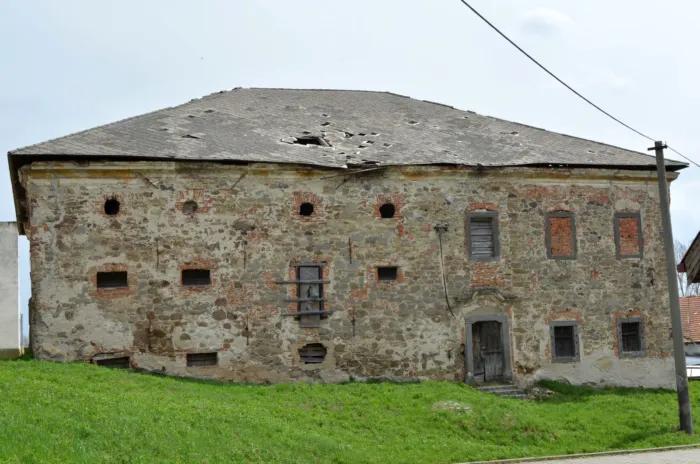
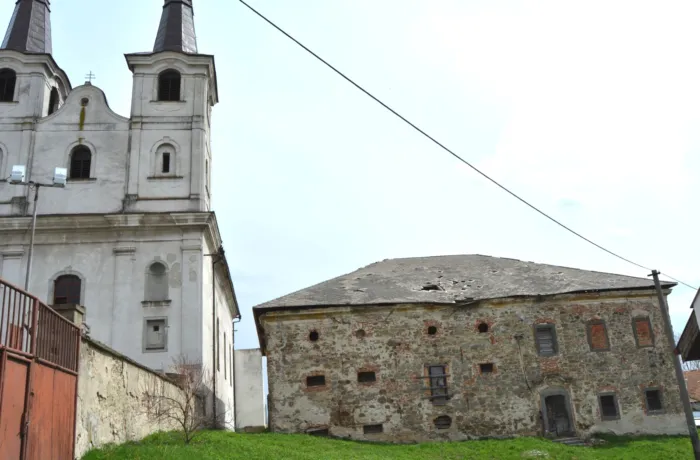
Ipolyság Monastery
Building, structure
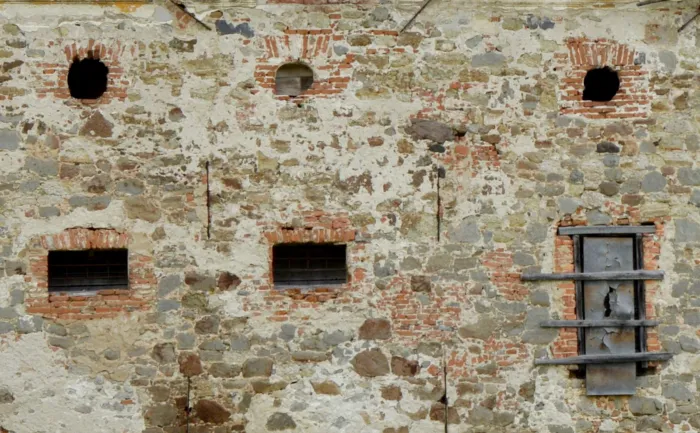
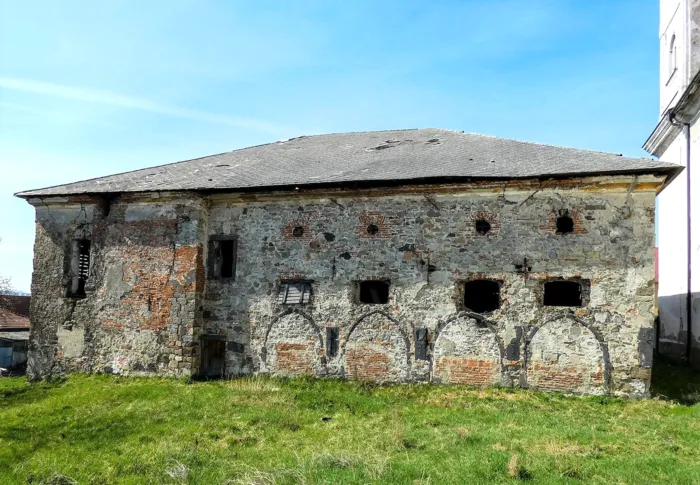
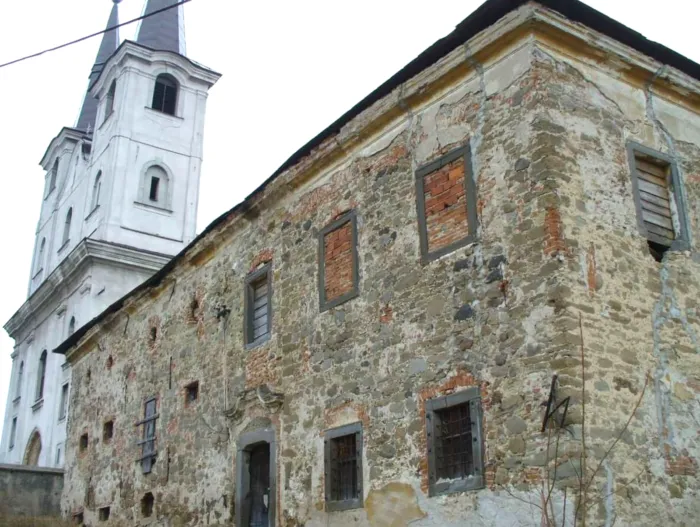
The first written mention of Ipolyság dates back to 1237, when it was mentioned as “Saag” in a charter in which Béla IV donated part of his estates to the Esztergom chapter. “Ság” is an old Hungarian word meaning “hill”. Around the same year, the monastery of the Premontrean canons was built, led by Ban Márton from the Hont-Pázmány clan. Since the Ban had no heirs, he left his property to the monastery with royal permission. The monks were popular among the population, as they took part in education and the care of the sick. However, they could not really live in peace. After the Tatar invasion, they barely recovered; first, the monastery was occupied by László Cseh Lévai with the help of Czech mercenaries in 1446, and then by Jan Jiskra (János Giskra), a mercenary leader of Czech-Moravian origin, with his warriors in 1451. It was recaptured by János Hunyadi. ; In the 16th century, the monastery was fortified and converted into a castle. From 1550, Ferenc Jakusich was the commander of the Ság fortress. His castle guard consisted of 76 horsemen, 50 infantrymen and a few artillerymen. In that year, the Vác Turks, who were raiding the Szécsény area, tried to capture Ság, but had to retreat with bloody heads. ; On July 10, 1552, upon hearing the news of the capture of Drégely, its defenders set fire to it and abandoned the castle. After the fall of Drégyely, Imre Telekesi reported this - as new information - from Komárom to Captain-General Tamás Nádasdi on July 13, 1552: "The castle of Dreghel [the Turks] has been taken and [the Hungarian soldiers] have left Ságh [Ipolyság]. In Gyarmath they only expect that if the war starts against them, they will leave it there ... and the people of the Pasha are in camp not far from Ságh." ; After the destruction of Ság and Gyarmath, Ali Pasha occupied the castles of Szécsény, Hollókő, and Buják without resistance, and then defeated Teuffel's forces in the Battle of Palást. He then continued his campaign towards a "shaky sheepfold", which István Dobó defended with about 2,000 men... ; From then on, Ipolyság was in Turkish hands for all but 31 years (1595—1626) until the recapture of Buda. According to the first known Turkish tax census (between 30 August 1562 and 19 August 1563), there were 18 houses in Ság. The extent of the destruction is indicated by the fact that three years after the Tatar invasion, there is a record of 32 households. ; On 5 November 1683, a council of war was held near Ipolyság by the Polish king János Sobiesky and the commanders-in-chief of the imperial armies. ; The ruined church was donated by Leopold I to the Jesuits. They built farm buildings and a granary on the ruins of the monastery in the Baroque style. (The church was built around 1730, also in the Baroque style.) ; Ferenc Rákóczi II received the Transylvanian delegation here in 1704, which brought the news of his election as prince. ; In 1805, the county hall in Kemence was destroyed by fire, and Ipolyság became the county seat, and its true prosperity began. However, it lost this status just 120 years later, when it became part of Czechoslovakia with the Treaty of Trianon. ; The only reminder of the former monastery is the late Romanesque - early Gothic carved gate of the church and the 14th-15th century Gothic arches on the eastern wall of the Baroque Jesuit building.