
Igloi Provincial House
Building, structure
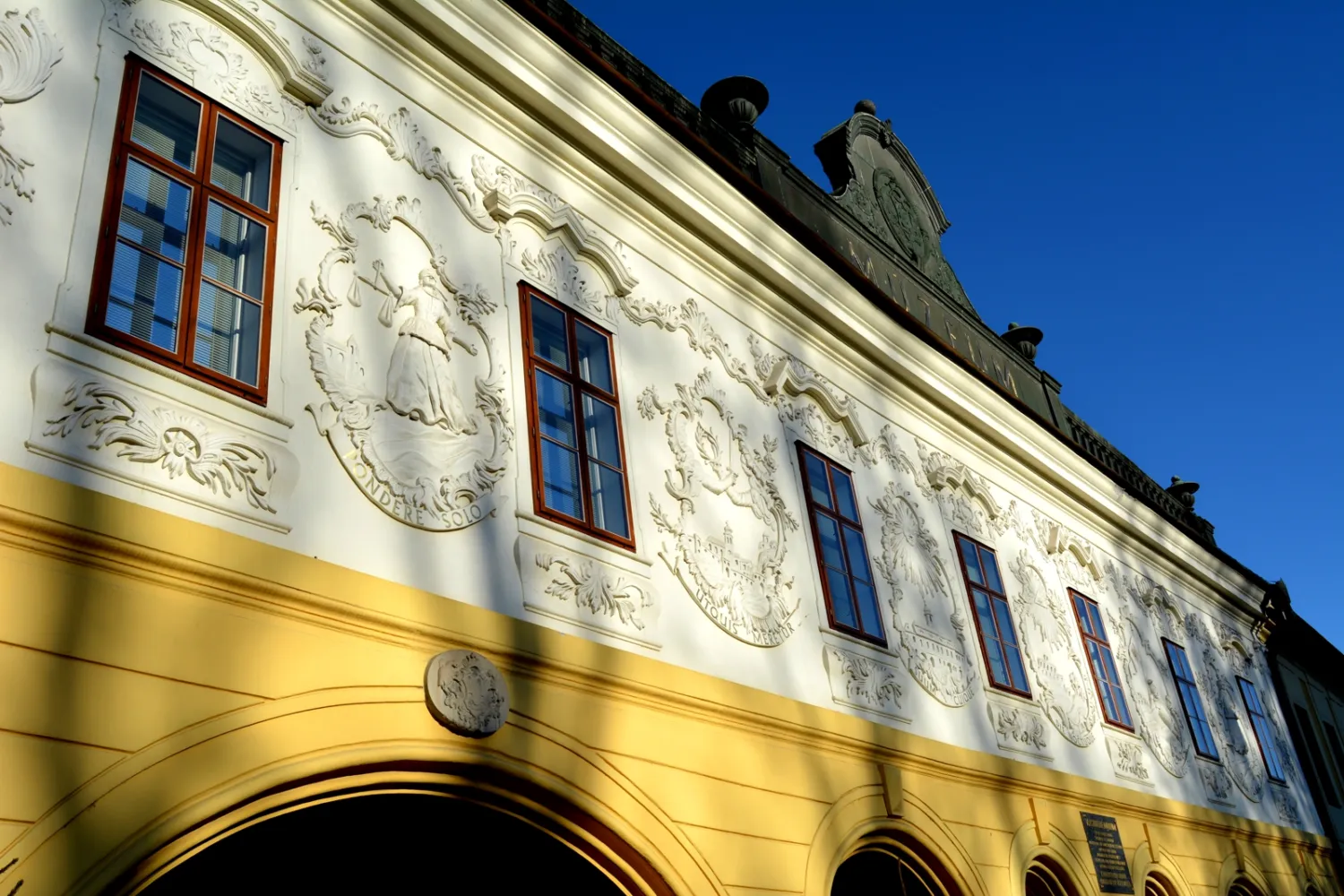
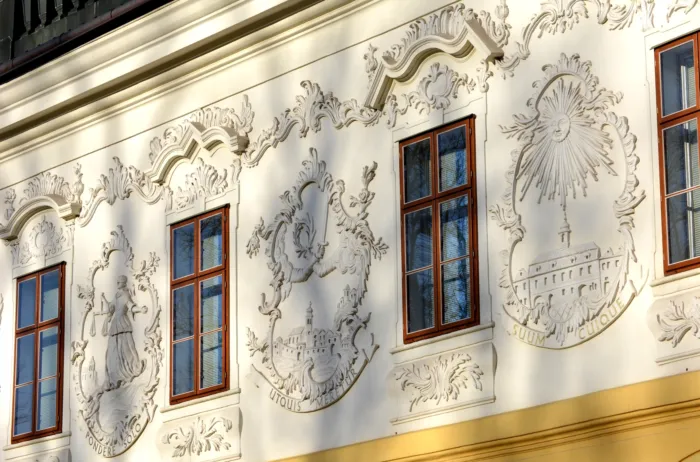
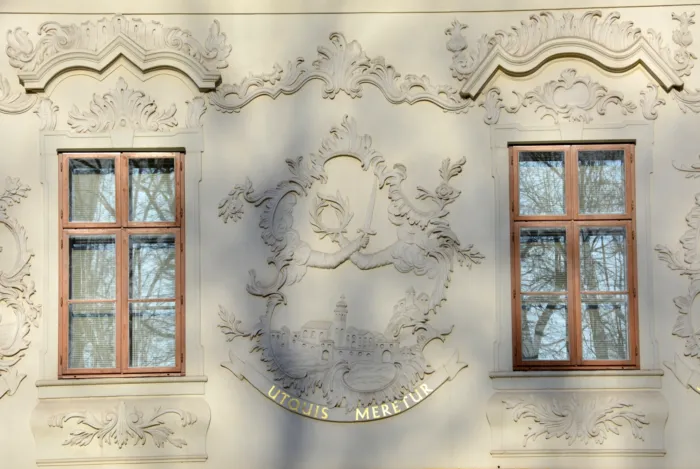
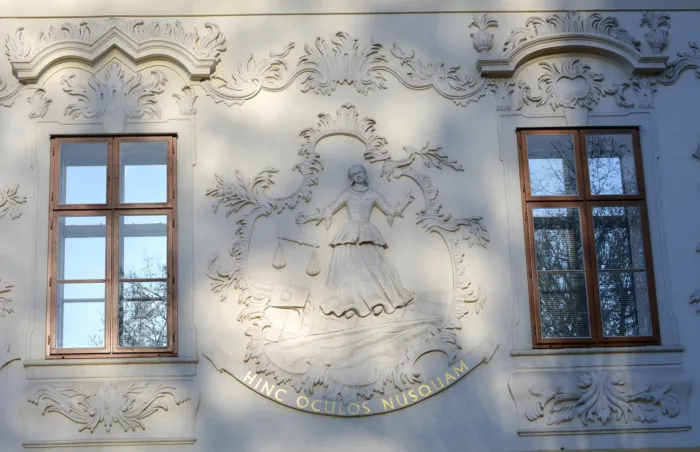
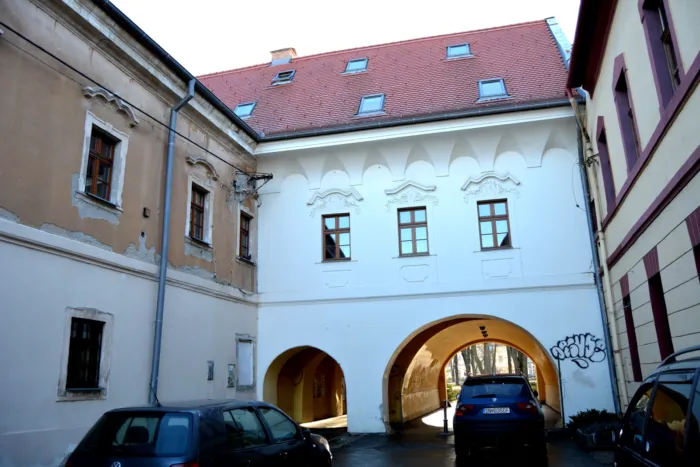
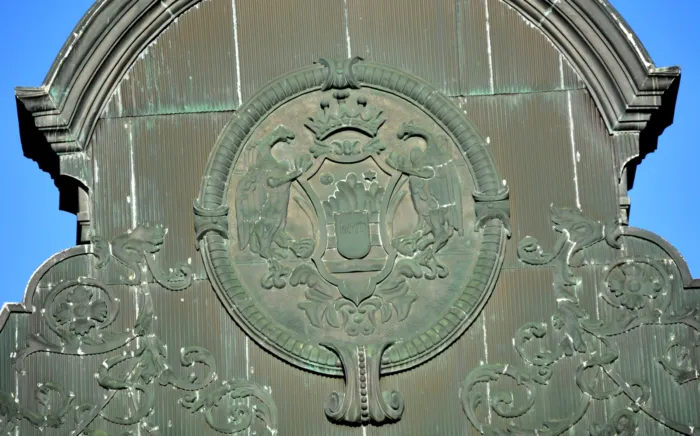
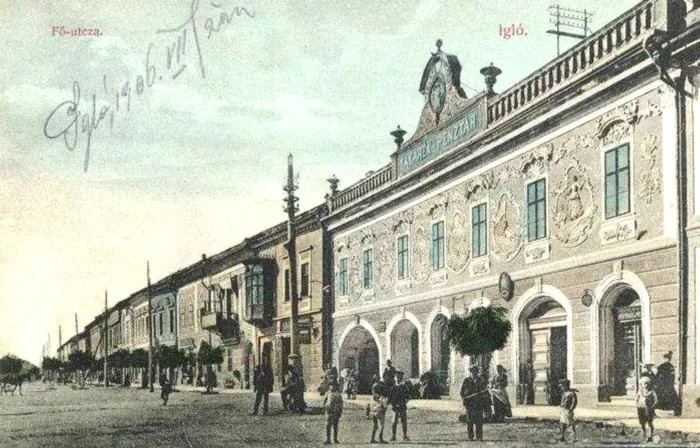
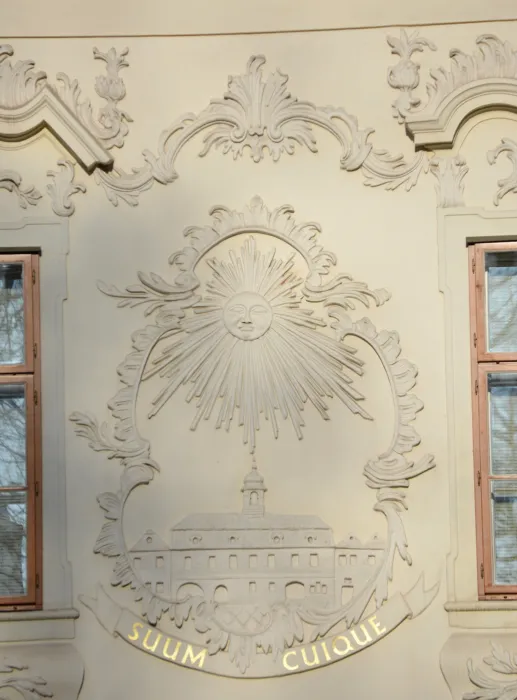
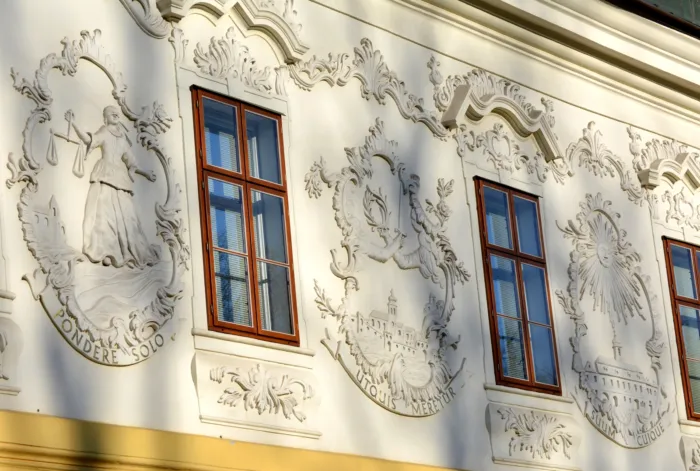
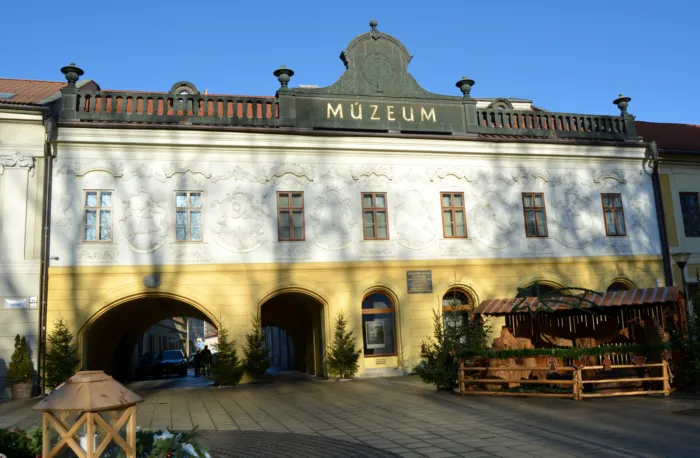
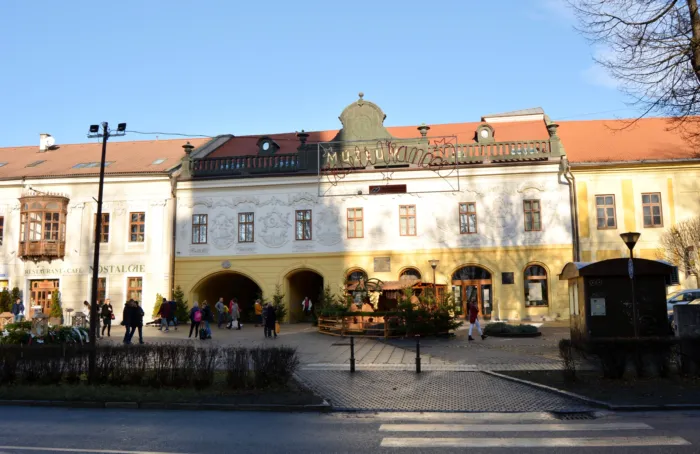
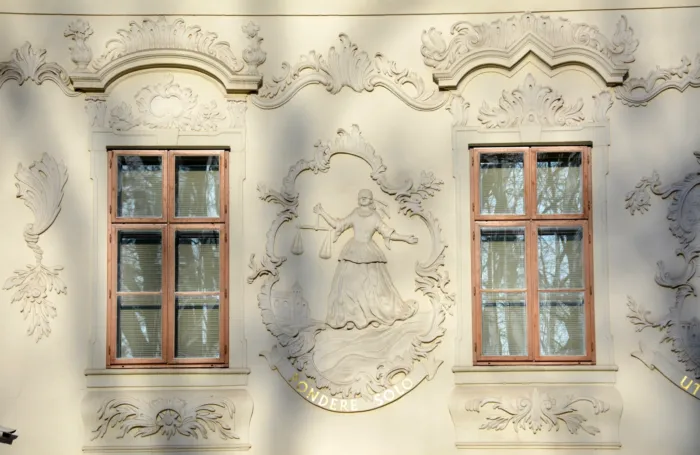
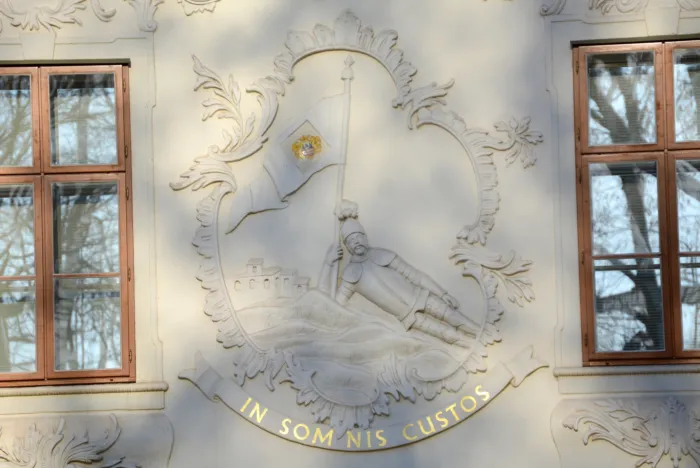
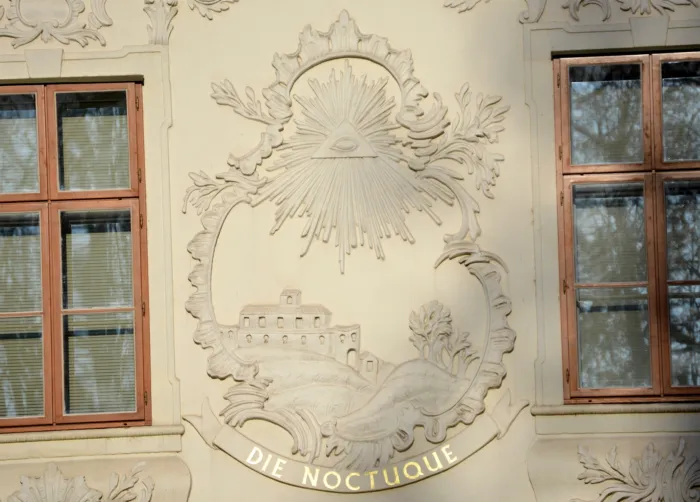
The settlement, which originated in the Árpád period, is today one of the largest cities in the Spiš region. Along with several other Spiš towns, it was pledged to Poland by King Sigismund in the early 1400s. When Queen Maria Theresa annexed these areas to Hungary again, she designated Igló as the center of the Saxon/Zipszer area. From 1777-78 to 1876 (until the abolition of the Saxon self-government), the local government of the Saxon towns of Spiš operated here, and their leader, the Count of Spiš, or the provincial, resided here. (This is where the name of the house comes from.) After the province was abolished, the building became the property of Spiš County, and in 1894 the savings bank of the 16 towns of Spiš bought it for 18,600 gold. The building has housed the Spiš Museum since 1954. ; The building was built in the 1760s on the foundations of earlier, medieval and Renaissance buildings. (King Władysław I and Hussite leader Giskra made peace in the Gothic house that previously stood here in 1443.) ; On the facade of the house - which also includes the Levski Gate - exceptionally rich, rococo-style stucco decorations can be seen: landscapes, allegorical figures. ; In the middle, carved into stone, is the coat of arms of the 16 Spiš towns, which it received in 1774. ; The facade of the building is rich in stucco decorations. In six decorative frames, we can see stuccos symbolizing human qualities, which were required of city or provincial officials. ; Under the cartouches (frames), from the left, the following Latin inscriptions can be read: ; PONDERE SOLO - Solely by significance ; UTQUIS MERETUR - Who deserves what ; SUUM CUIQUE - To each his own; DIE NOCTUQUE - Day and night; IN SOMNIS CUSTOS - Guardian of dreams; HINC OCULOS NUSQUAM - Not to be missed