
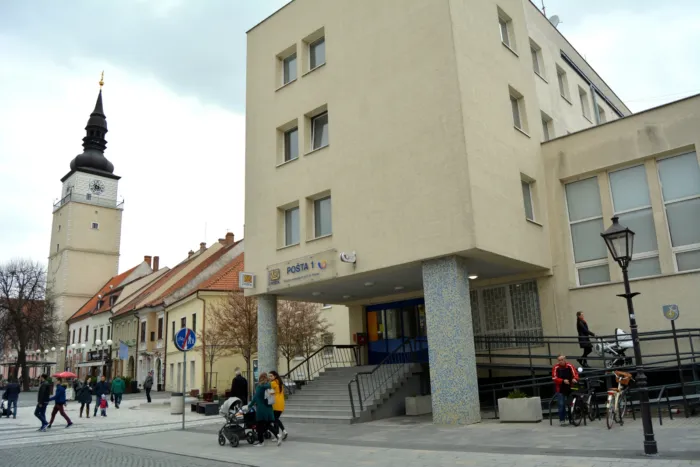
Place of death of Louis I (the Great)
Building, structure
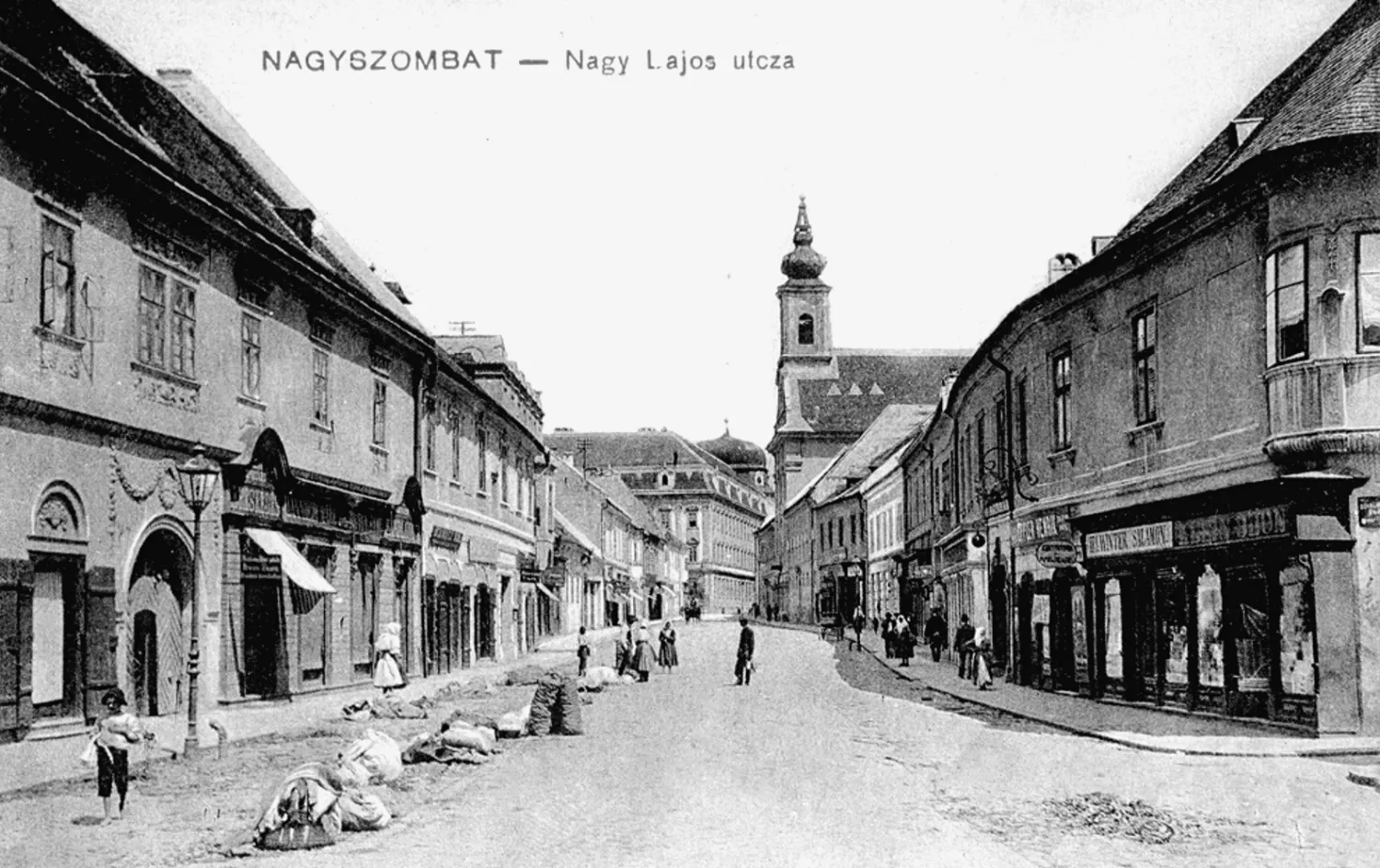
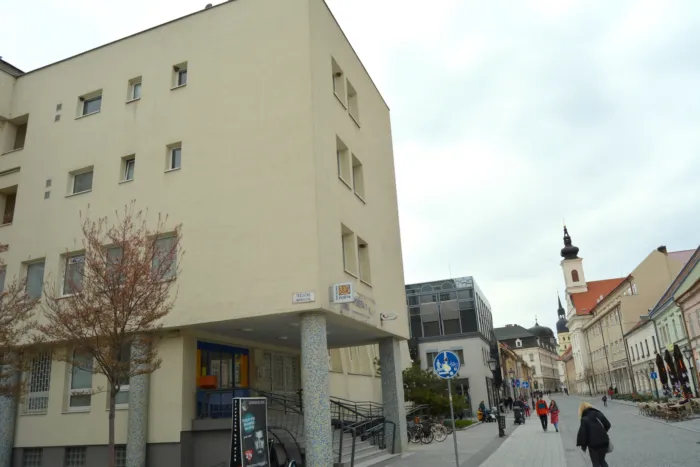
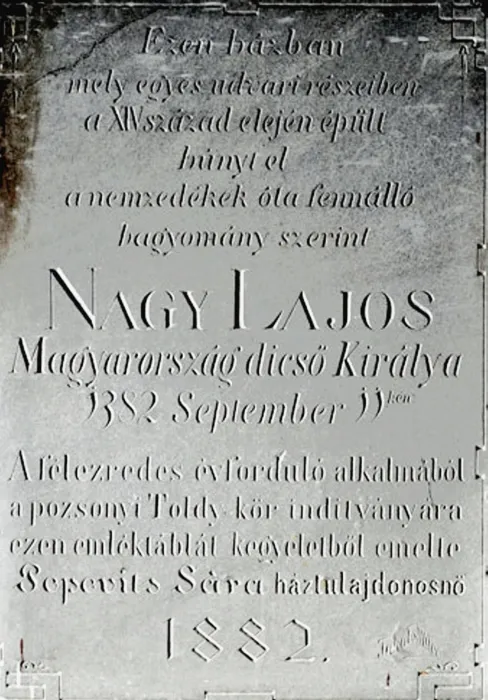
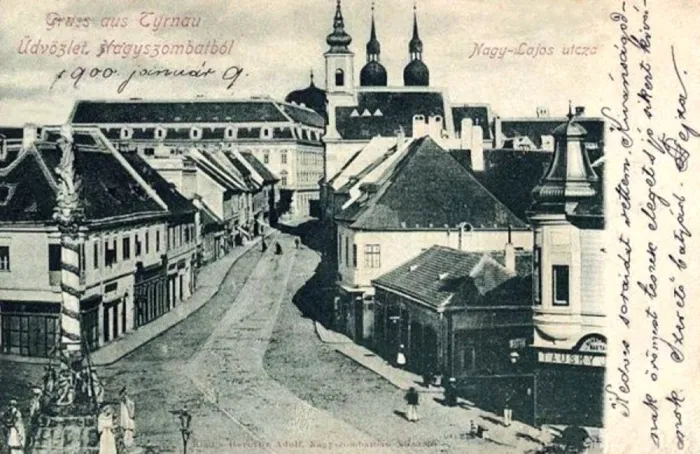
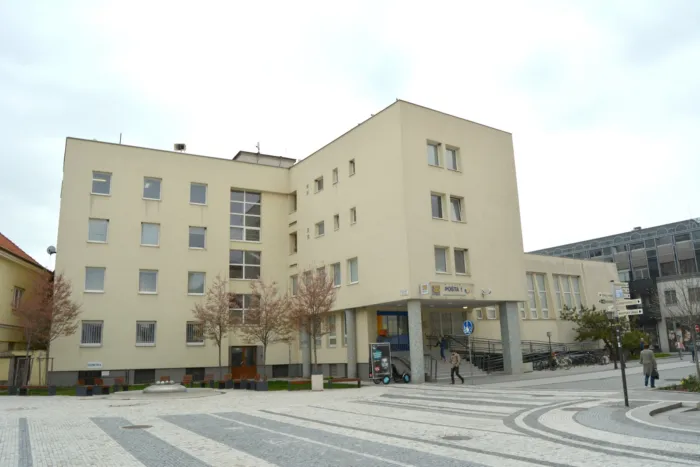
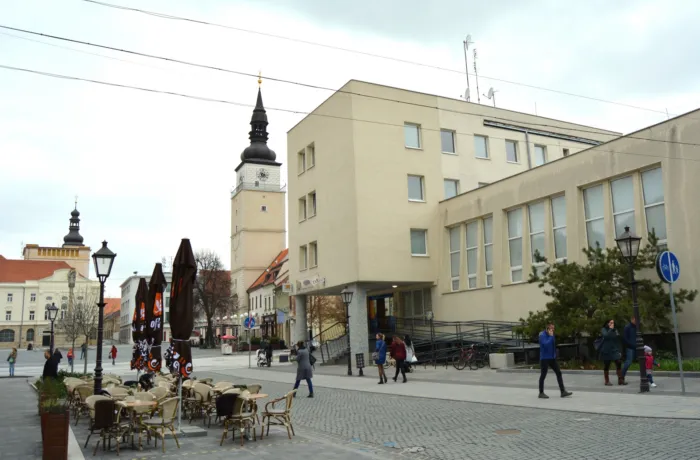
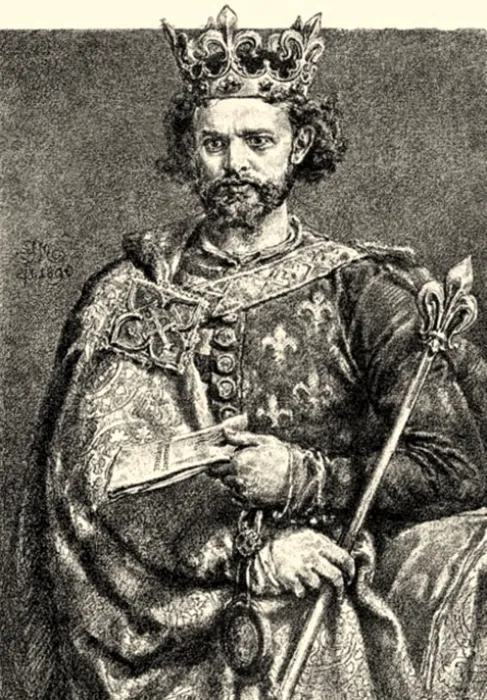
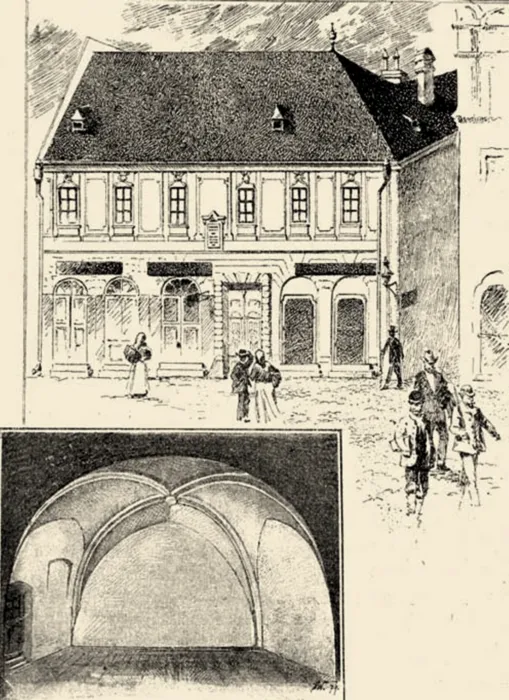
As the son of Charles I (Robert) and the Polish princess Elisabeth, he became heir to the throne at the age of 3 after the early death of his two brothers. He first appeared in public in 1335 at the Congress of Visegrád, after which he received the title "Prince of Transylvania". After the death of his father, he ascended the throne on 16 July 1342, and was crowned king in Székesfehérvár on 21 July. His strong-willed mother exerted a significant influence on his governance. In 1345, he forced Croatia to surrender, and in 1346 he launched a war against the Republic of Venice - which lasted almost until his death - in which he was sometimes defeated. In 1358, he received all of Dalmatia, including the islands. He wanted to assert the Hungarian Anjou's claim to the Italian throne and avenge the murder of his younger brother, Prince Andrew, so in 1347-48 and 1350 he personally led a campaign against Queen Johanna in Naples. Finally, in 1352, he finally gave up his Italian plans. He led several conquest campaigns to the Balkan Peninsula, eventually succeeding in making Serbia his vassal. He also waged war beyond the Eastern Carpathians. With his uncle, King Casimir III of Poland, he participated in several campaigns against the Lithuanians and the Tatars. In 1370, after Casimir's death, he inherited the Polish throne, where his mother first ruled, then Prince Ladislaus of Oppeln. In 1372, he annexed Halicarnassus to his empire as a Russian voivodeship. In 1377, he was the first European ruler to send his army south, and won a great victory over the army of Sultan Murad I, stopping the Turks for a decade. In 1378, he had a church built in Mariazell to commemorate the victory, and he also made rich gifts to the chapel in Aachen, which was regularly visited by Hungarian pilgrims. Among the Hungarian kings, he was the most representative of chivalric ideals, and during his reign, chivalric customs, the cult of Saint Ladislaus and Alexander the Great spread to a greater extent. In 1367, he founded the University of Pécs. In the last years of his life, he suffered from a disease similar to leprosy, which he bore with patience and Christian humility. He died at the age of 56, on September 11, 1382, in Nagyszombat. He was buried in the Catherine Chapel he had built in Székesfehérvár. ; The house where the great king died is no longer visible today. The new rulers of the city did not find it important to save it and demolished it. A modern post office was built in its place. ; The street of Nagy Lajos the Great took its name from the fact that, according to tradition, King Lajos the Great died in the Popovich house on the corner of the street. The Toldy circle in Bratislava first considered the neighboring Somogyi house to be the place in question and marked it with a memorial plaque. (1879). ; As a result of the dispute that arose, the investigation, relying on tradition and other information, revealed that the great king died in the Popovich house. Two low chambers were found on the ground floor, the arches of which are reminiscent of the taste of the 14th century. This dispute explains the comical-sounding word "real" in one of the inscriptions. On the southern wall of this Popovich building No. 281, on a marble slab, this inscription can be read: ; In this house, ; some of the courtyard parts of which ; were built at the beginning of the 14th century, ; died ; according to the tradition that has existed for generations ; LAWYER THE GREAT ; the glorious king of Hungary ; on September 11, 1382. ; On the occasion of the half-millennium anniversary, at the request of the Toldy circle in Bratislava ; this memorial plaque was erected out of respect by Sára Popovich, the house owner. 1882. ; On the side of the same house facing Pék Street, near the mentioned rooms, this inscription is: ; KING LAWYER THE GREAT ; real house of death ; and room, ; on September 11, 1382. ; The street was named after the XIV. It was called Sarkantyús Street from the 16th century until recent times. It probably got its name from the goldsmiths, iron and coppersmiths who lived here.