
Hussite prayer house
Building, structure
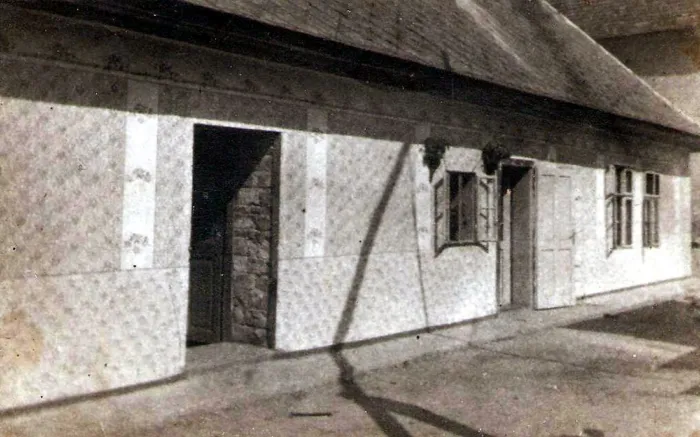
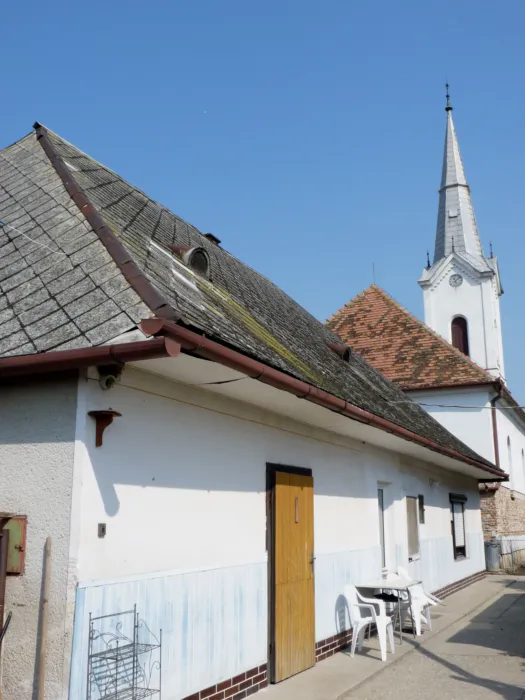
In an organized form, Protestantism appeared in Réte between 1573 and 1596. Réte is certainly one of the 800 churches that accepted the new doctrines in the territory of the Esztergom archdiocese during this time period. We can date the establishment of the Reformed Church of Réte to 1592, precisely because this was the year in which the Reformed congregations separated from the Lutheran bishopric of Somorja, otherwise known as Csallóköz - Mátyusföld. ; The church of the congregation from that time - according to oral tradition - was the Hussite prayer house, with a red chalice above its entrance. ; Réte was the only articular place in the countryside during the Counter-Reformation. It received this right at the Sopron Diet in 1681. The XXVI. Act approved here Article 3 of the law states that "according to the benevolent decree of His Majesty (Liopetri I), Réte and Puszta-Födémes in Bratislava County were designated as areas for the construction of churches and the establishment of schools and rectories". Réte for the Reformed, Födémes for the Evangelicals. ; Réte, or the Hussite prayer house, became an important scene of Reformed religious practice for about a hundred years. On holidays, even distant congregations from the Vágmenti region visited it, and from time to time, many of the Czech and Moravian Protestants persecuted after the Battle of Fehérhegy in 1620 made a pilgrimage to the ecclesiastical church in Réte. The Czech-Hungarian connection in Réte ended with the cessation of the articular place in 1790. ; A beautiful example of preserving tradition and remembering is that the members of the Nosislav congregation visited the congregation in Réte in memory of the visits of the Czech Protestant brothers, first by letter, and then in person in 1988, 1992 and 2012. The Calvinists of Réte returned the visits of the Nosislavians in the same years. ; It currently functions as a congregation hall (Sunday children's services, Bible classes.) ; (Note: in the picture: the Hussite House in the 1950s.)