
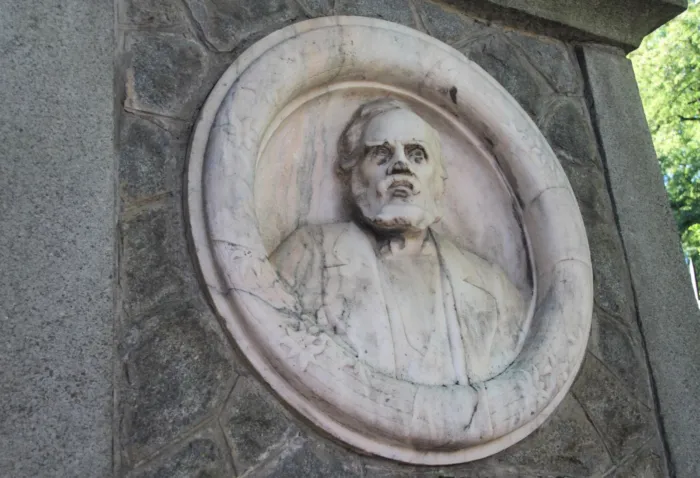
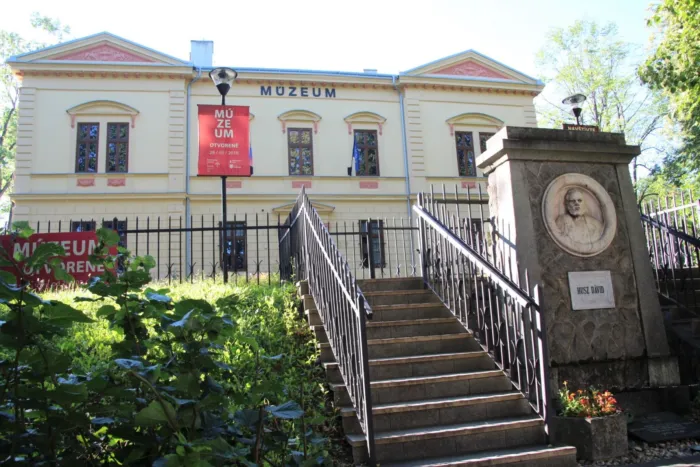
David Husz Monument
Statue, monument, memorial plaque
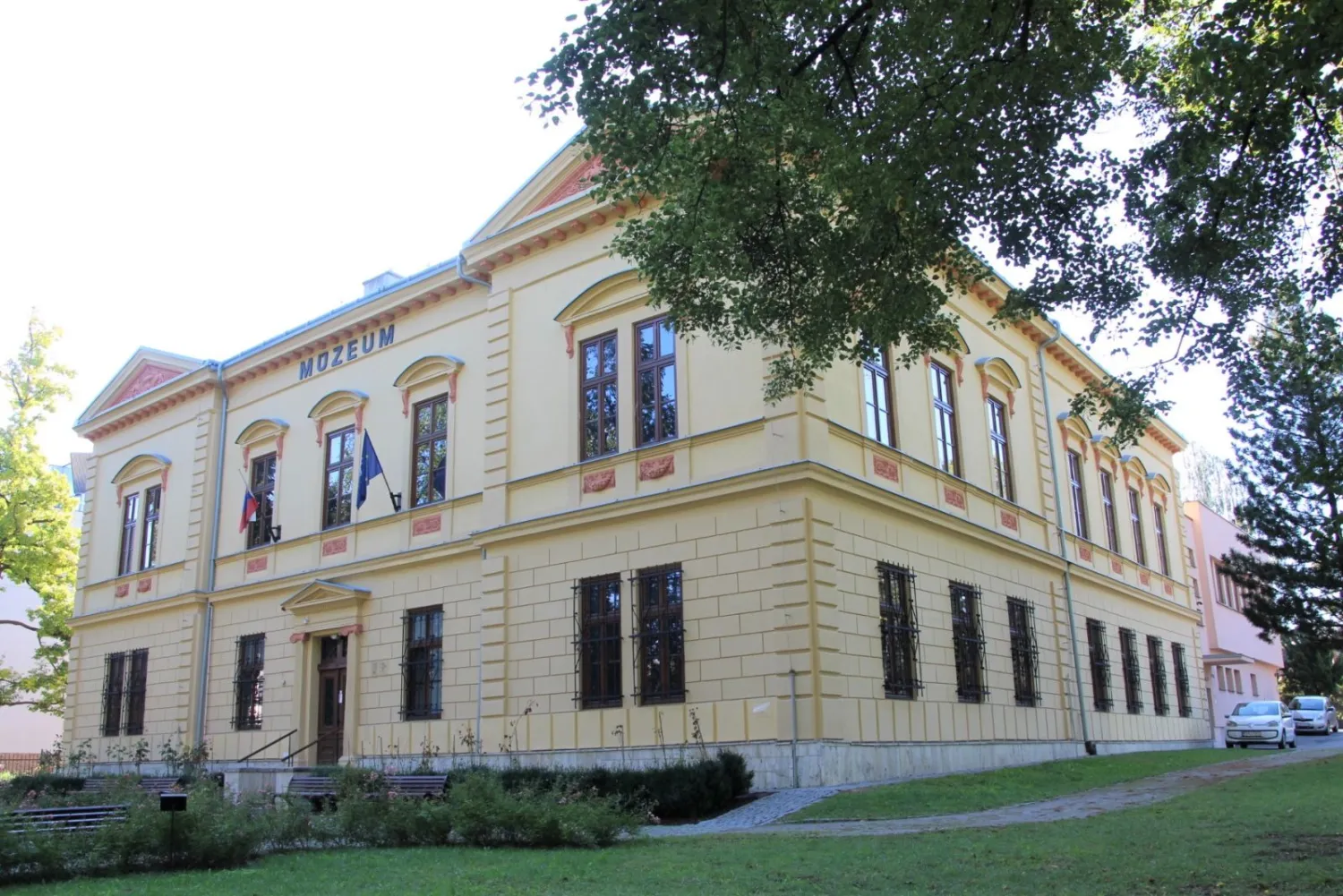
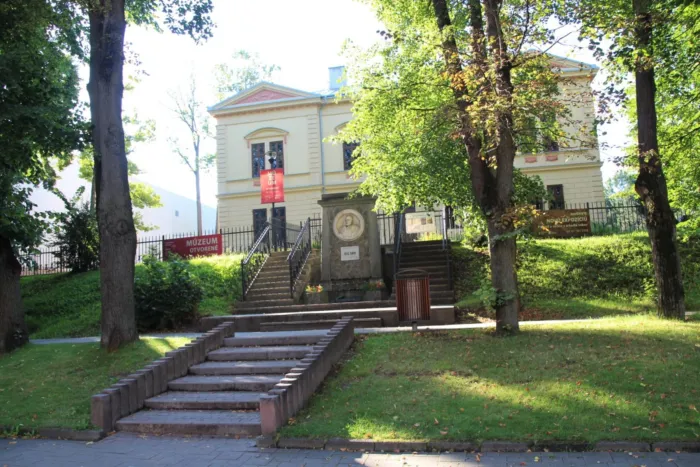
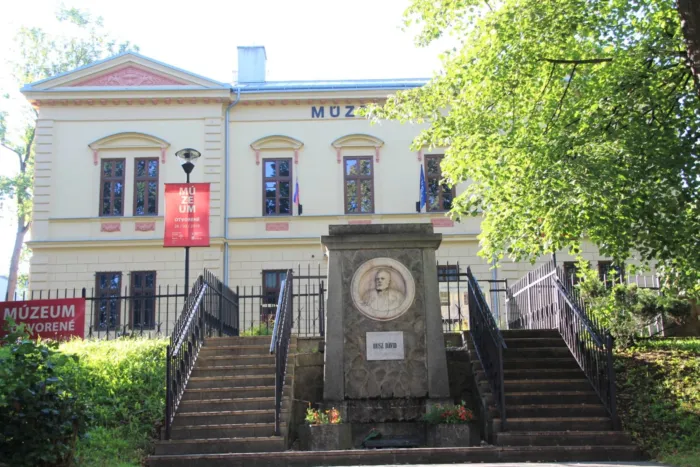
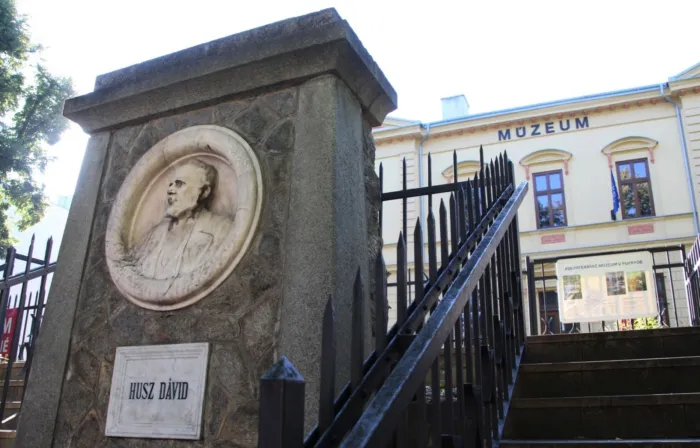
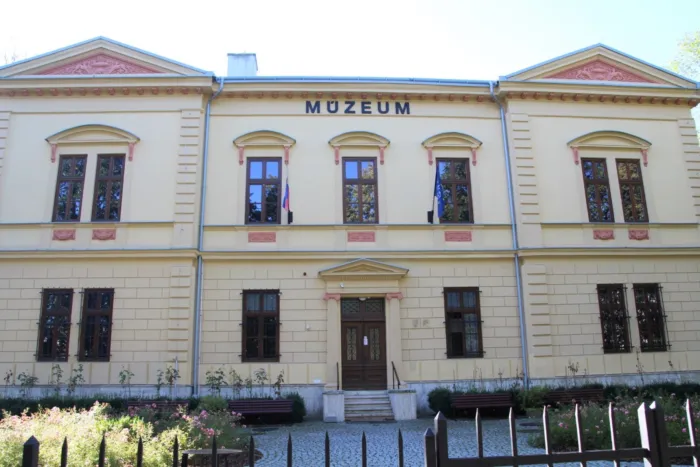
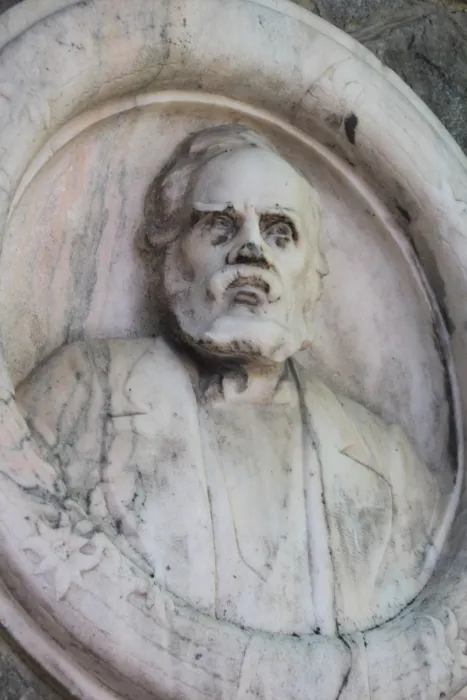
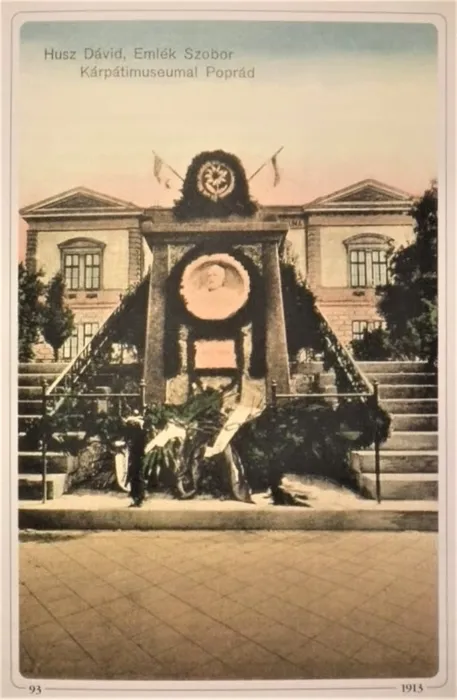
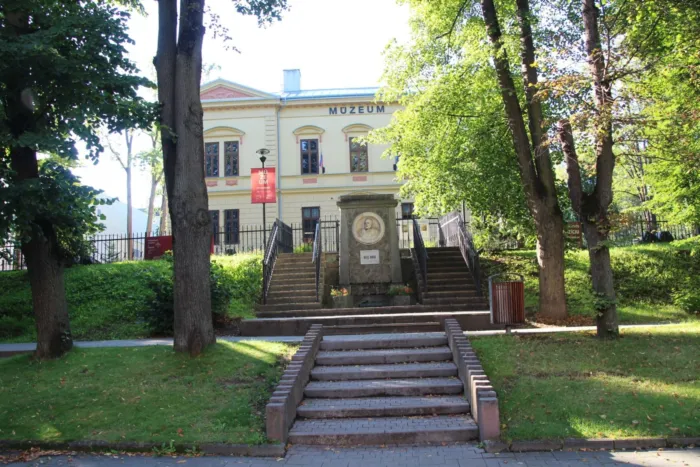
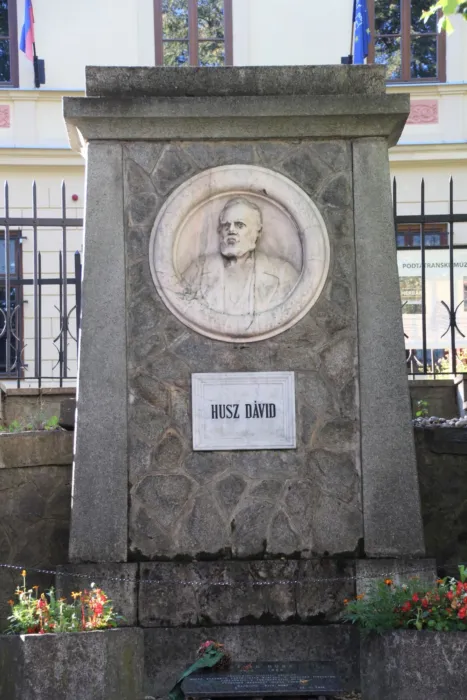
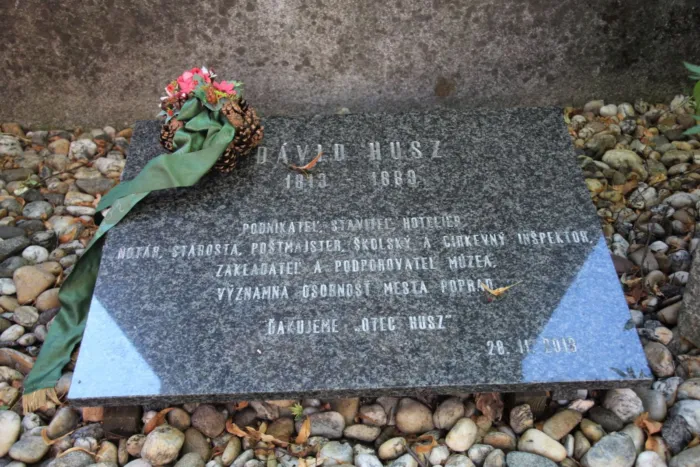
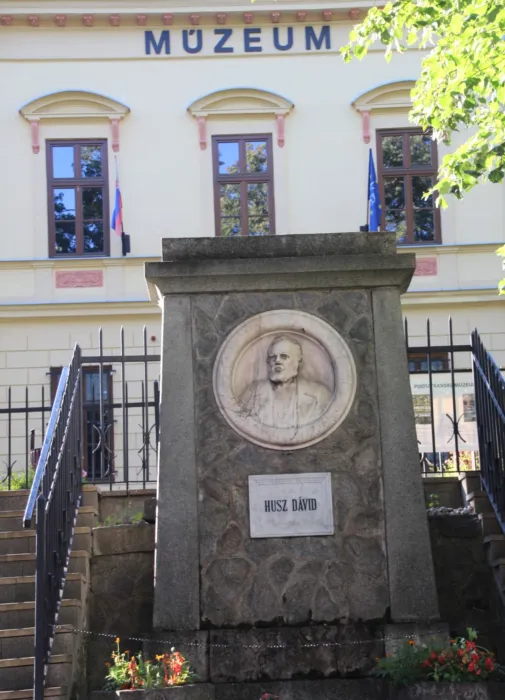
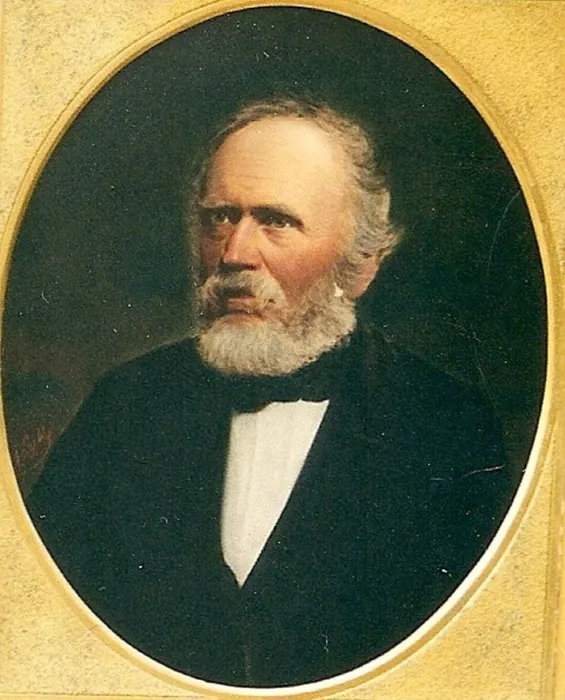
Dávid Husz (November 28, 1813, Poprad - January 21, 1889, Poprad); Poprad innkeeper, a prominent figure in local public life, who in the second half of the 19th century recognized that it was necessary to establish a tourist center in Poprad, from which the mountains could be reached in a short time, because let's not forget that at that time, with the exception of Tátrafüred, there were no settlements along the Tatra Boulevard. At the end of the 1960s, tourism was growing, so to satisfy this, Dávid Husz had a 24-room tourist house and restaurant built next to his small inn in 1868. The owner, known only as Grandfather Husz among his regular guests, thus laid the foundations for the Husz Park, which at the turn of the century consisted of 9 buildings of different comfort levels. In addition to the hotel buildings, the park also housed a restaurant, a bathhouse, a pub and a bowling alley. In the hotel buildings, a total of about 150 rooms and a magnificent panorama of the Tatra Mountains awaited those wishing to relax, and the park was decorated with ornamental shrubs and flower beds. ; Next to Tátrafüred, this park was the most important center of tourist life in the Tatra Mountains for nearly two decades. The former Husz Park is now the city's busy roundabout. Few people know, but it is partly thanks to Dávid Husz that the route of the Košice-Oderberg railway was marked out through Poprad, and later, thanks to this railway line, more and more people got to know the beauties of Poprad and the High Tatras. ; When the Hungarian Carpathian Association moved its museum collections to Poprad in 1882, they were exhibited in a cottage lent free of charge by Husz. In 1886, the association built the Carpathian Museum in Poprad on a plot of land donated to the city by Grandfather Husz, which Husz continued to generously finance. (The museum's collections grew so quickly that it became necessary to expand the building by the turn of the century. In 1906, the exhibition building was expanded with four rooms and the museum keeper's apartment, which also housed, among other things, the 8,000-volume library. After the annexation of the Uplands, the museum's materials also fell victim to ruthless destruction, and most of the exhibition objects were burned along with several other valuable artifacts.) Dávid Husz also supported other activities of the MKE, such as the construction of the Róza shelter in Szószék near Tarajka. In recognition of his activities, a monument commemorating his merits was erected at the entrance to the museum in 1913. ; After Husz's death, the Husz Park began to decline, largely due to competition from the sanatoriums being built in the Tatra Mountains, but it served tourists for many more years, remaining until World War I.