
Horváth-Stansith Castle in Nagyőr
Building, structure
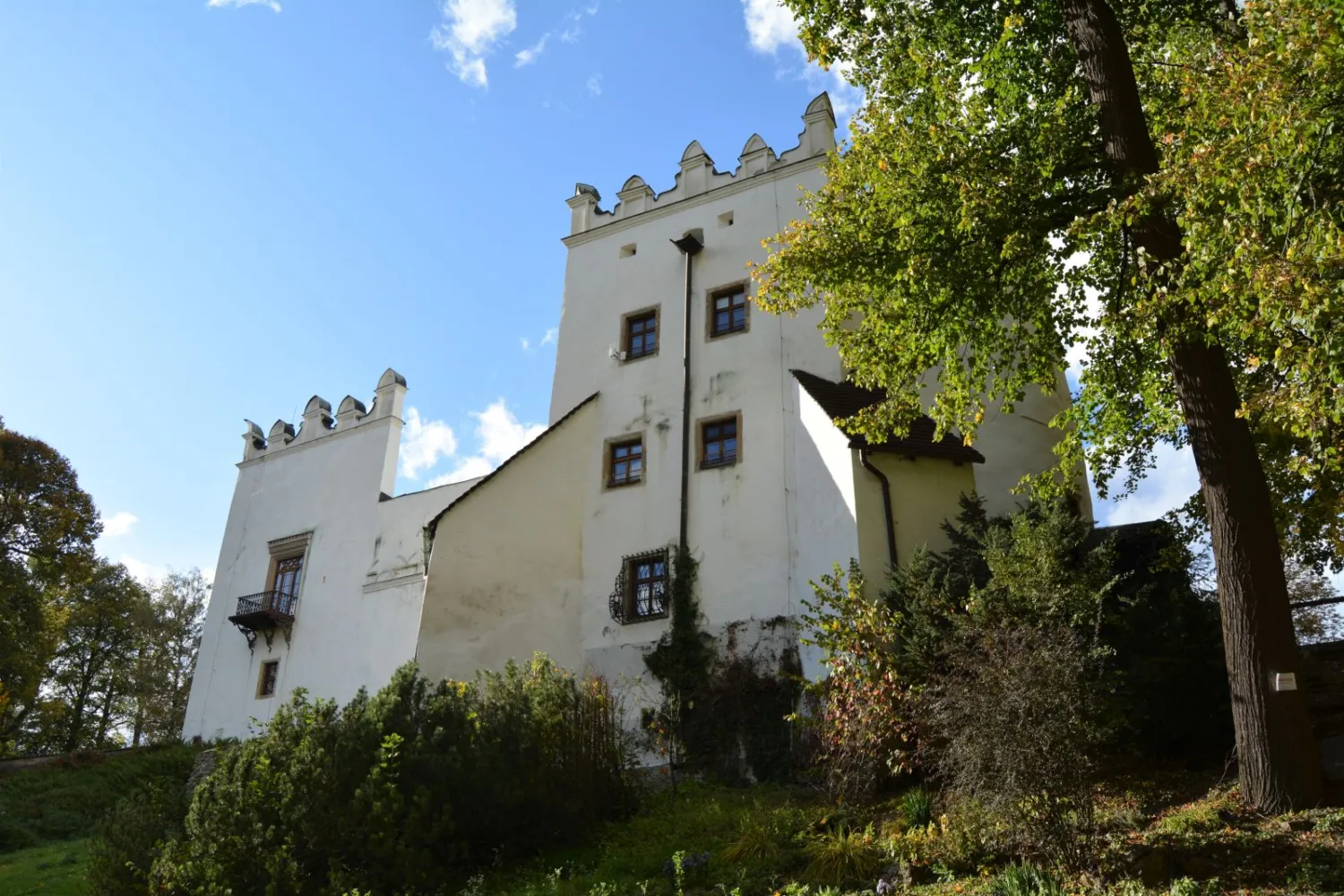
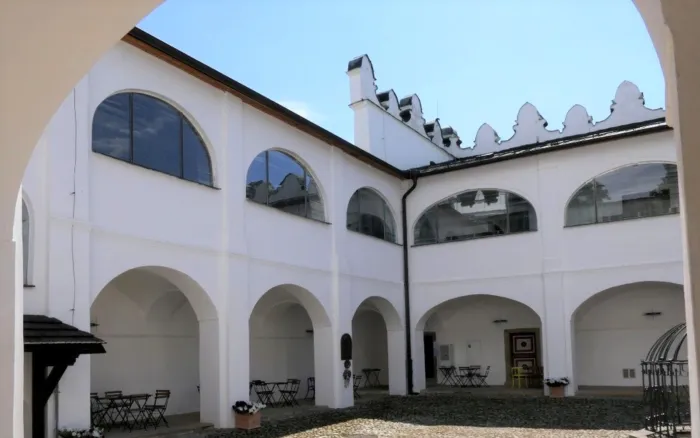
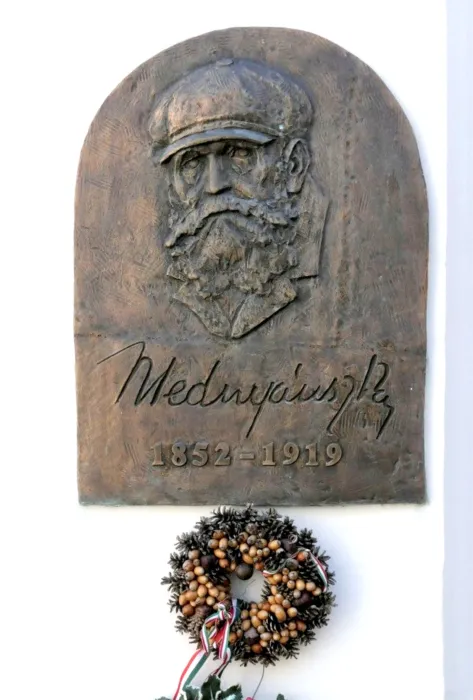
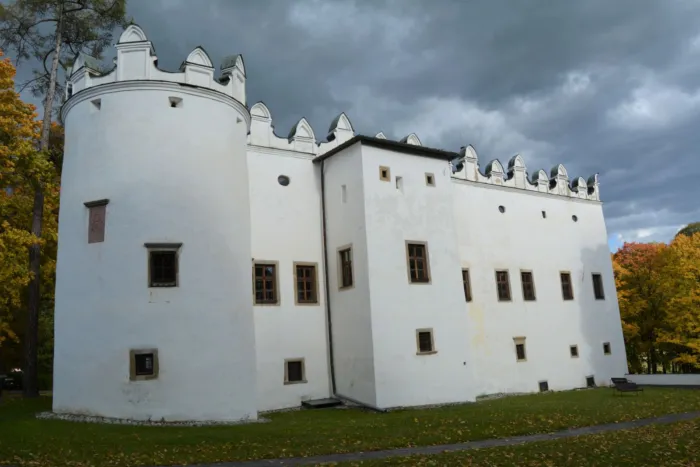
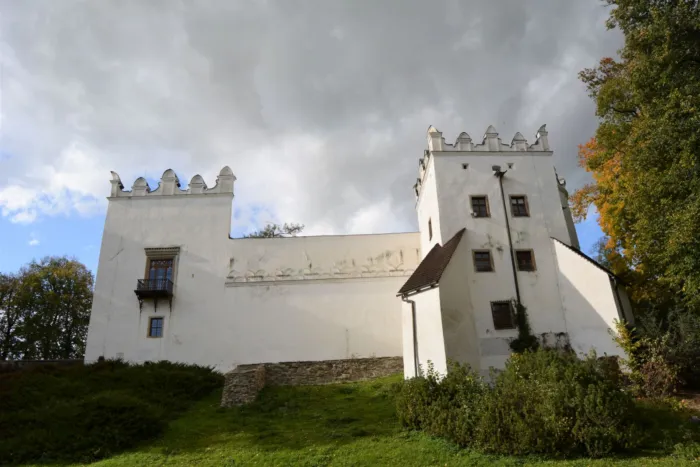
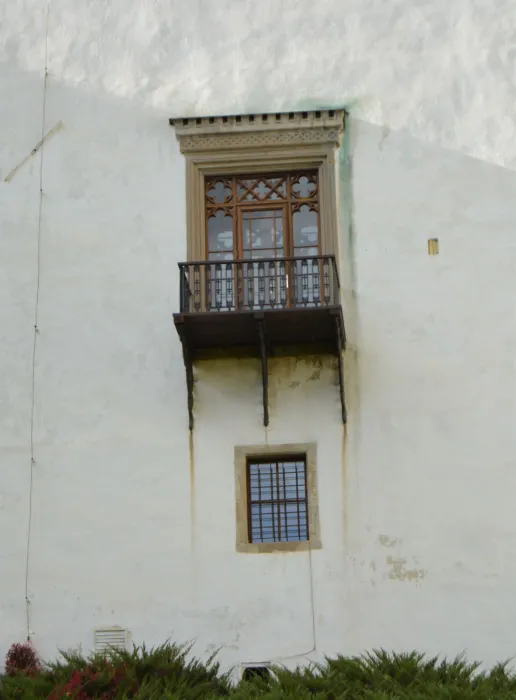
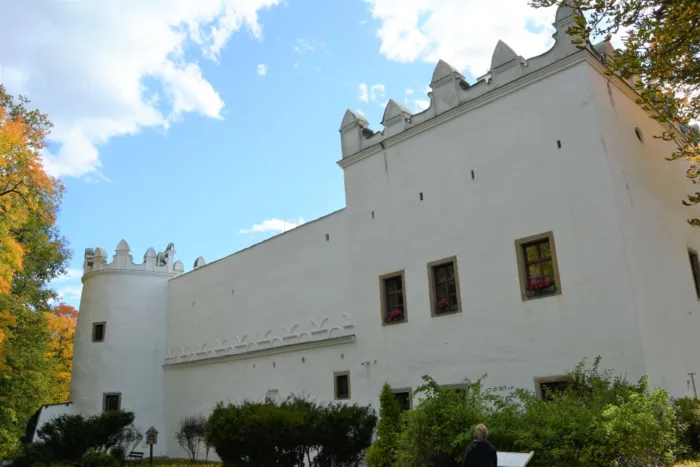
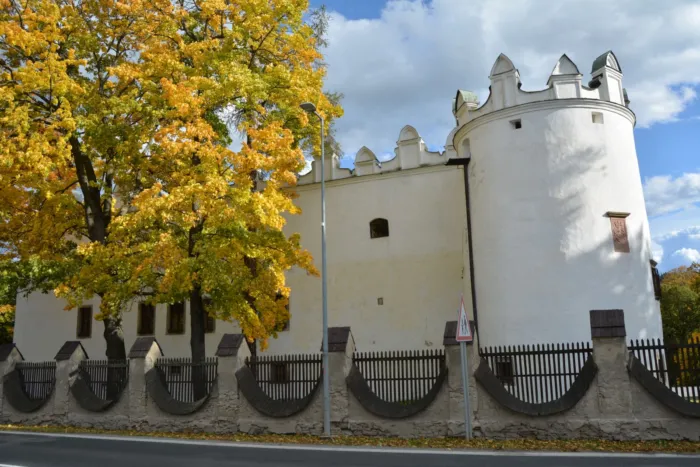
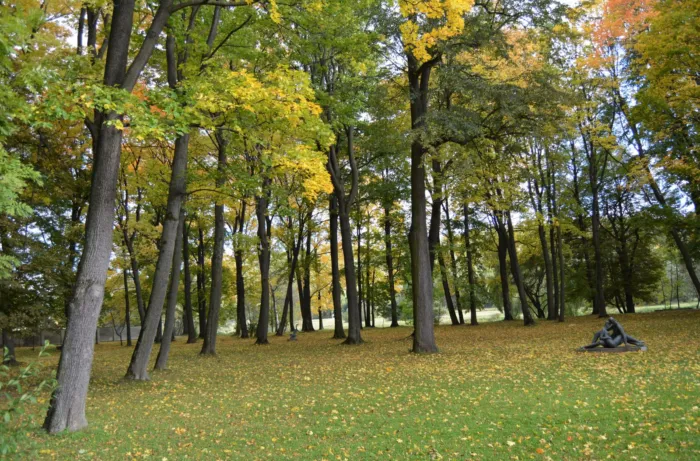
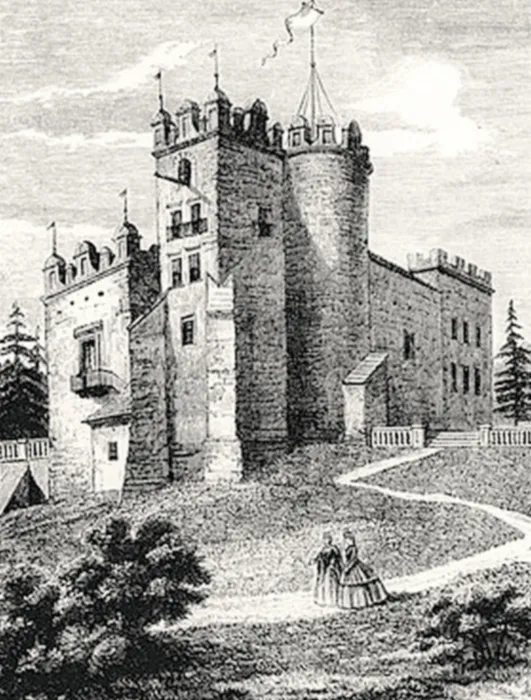
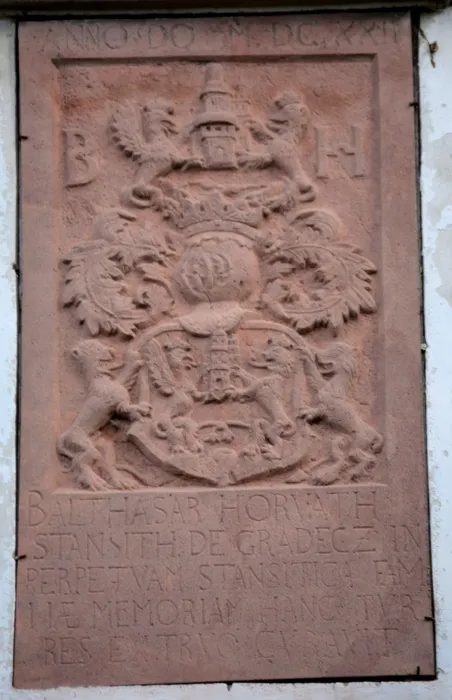
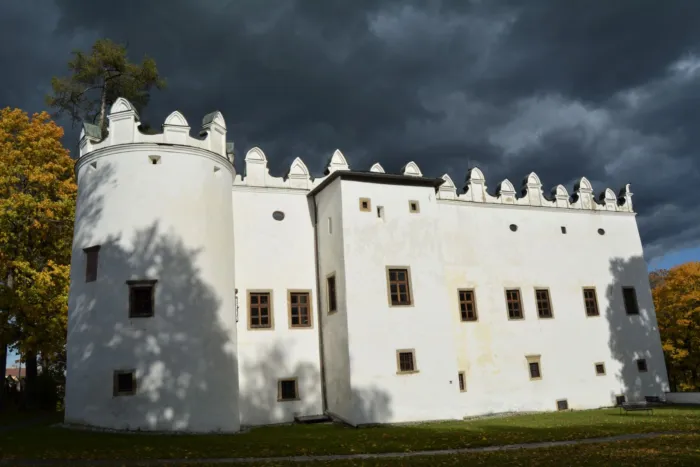
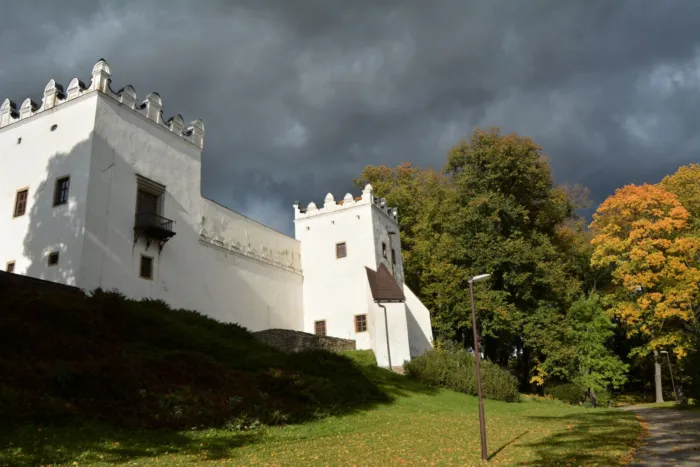
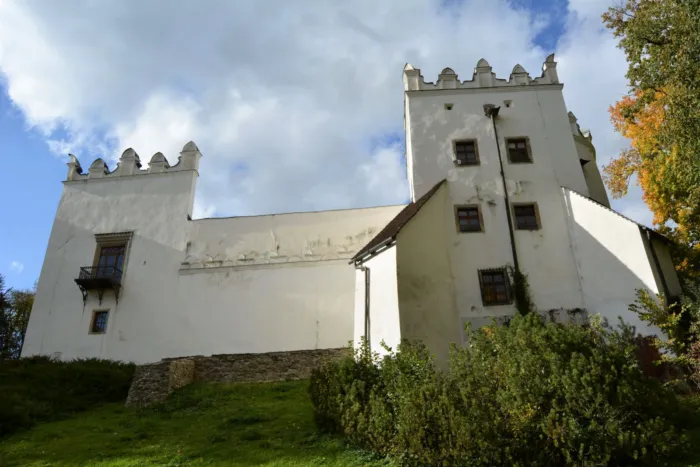
The village of Nagyőr, located by the Poprad River, was mentioned as a fortified place as early as 1256. One of the northernmost Árpád-era grassland castles stood here, as the name of the settlement suggests. The first owner of the village, the Warkotsch family, who settled here from Silesia, built a Gothic castle here. In the 14th century, Charles Robert donated it to the Berzeviczyks. After the Battle of Mohács, the settlement was given to Márk Horváth-Stansith of Grádec. The castle was built by his son, Gergely, between 1570 and 1590, using the walls of the previous Gothic castle. The square, solid building is in the Highland Renaissance style. Gergely Horváth-Stansith was a well-known humanist of the time, he established a Latin lyceum in the castle for the children of the Spiš nobles, and taught several subjects himself. (The educational institution operated from 1584 to 125 years.) Another merit of his is that, in addition to the school, he created one of the richest libraries in contemporary Hungary. The castle came into the possession of the Mednyánszkys in the 19th century, and in 1862, Baron Eduárd Mednyánszky moved here from Beckó with his ten-year-old son László. At first, the boy had a hard time accepting the change, but he soon fell in love with the wonderful, wildly romantic Tatra landscape, which had a stimulating effect on his spiritual world. Although he traveled a lot, his only permanent studio was next to the economic wing of the Nagyőr castle, where he worked on the sketches he brought back from his trips abroad. His father had the studio built during the painter's studies in Paris, finding a place next to the castle that was suitable for quiet work. Although Nagyőr was far from the centers of intellectual life, Mednyánszky had paints, fine canvas, and excellent French paper brought to him, so he lacked nothing in his studio. The Poprád River with its characteristic bends and steep banks was one of the painter's favorite themes. This motif appeared again and again in his works. The people of the area inspired him to paint numerous portraits, many of which can be seen here in addition to landscapes. In the seventies and eighties of the last century, the Slovak National Gallery had the building neatly tidied up and arranged several exhibitions in it: old furniture, decorative objects, and many of Mednyánszky's drawings and paintings can be seen here. The old library forms a separate exhibition. The visitor may feel a single, but not negligible, sense of deprivation: in vain he searches for information in Hungarian in the castle. Even the picture frames are “fitted” around the paintings in such a way as to cover the painter’s signature as much as possible. The fact that the lover of the Tatra Mountains was a Hungarian painter is almost only revealed from the documents in the cabinets (such as Mednyánszky’s obituary), provided that one’s gaze wanders there. ; After the Mednyánszkys, the Czóbel family became the owner of the castle. It was “nationalized” by the latter after 1945. The vast majority of the picture gallery kept here was then dispersed. ; The castle is surrounded by a significant English park, bordered by the Poprád River to the southeast. The last owner of the castle, Baroness Margit Czóbel, who had a legendary life and exceptional manners, and was herself a fine artist, lies buried in the park. She lived in the small room of her own castle designated for her by the new owners until her death in 1972.