
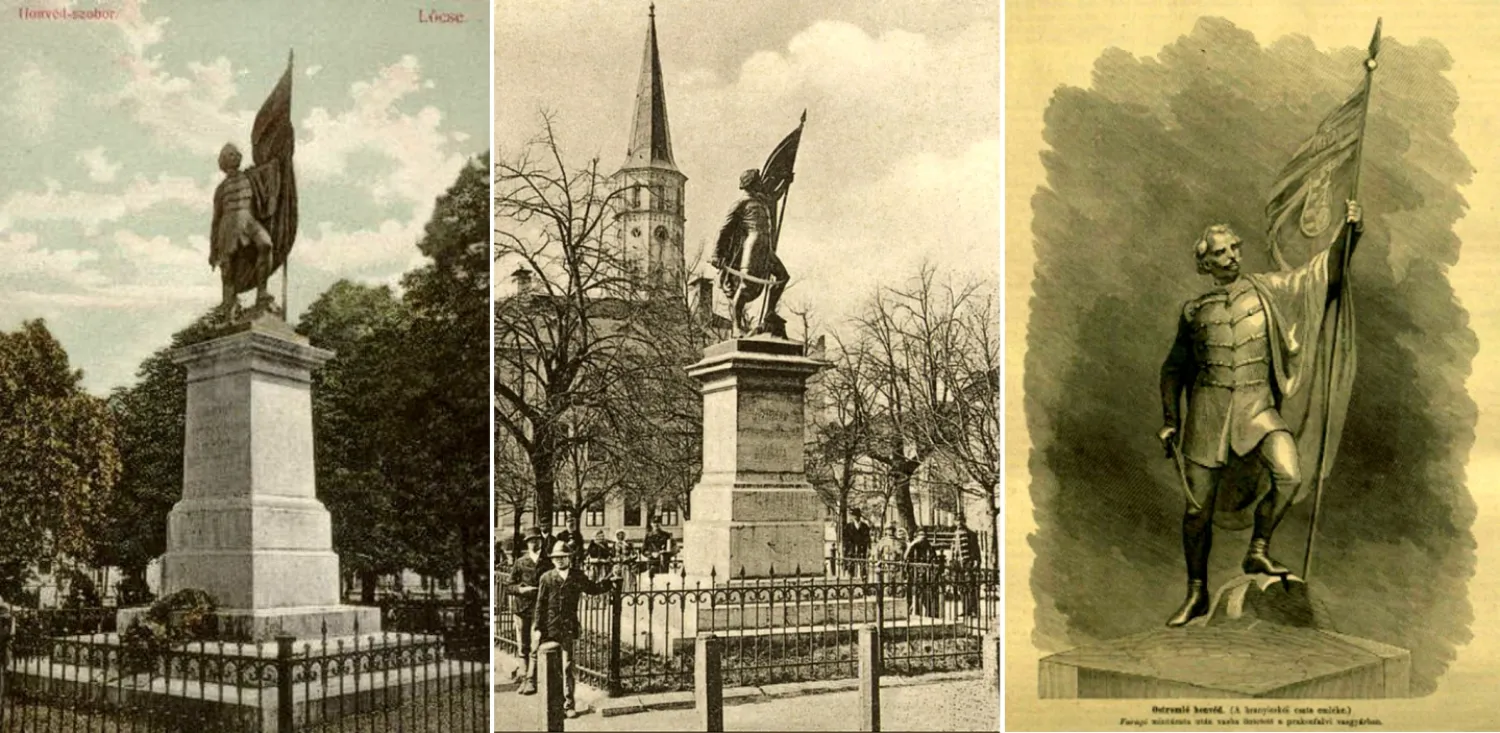
Honvéd Monument, the monument to the Battle of Braniszko
Statue, monument, memorial plaque
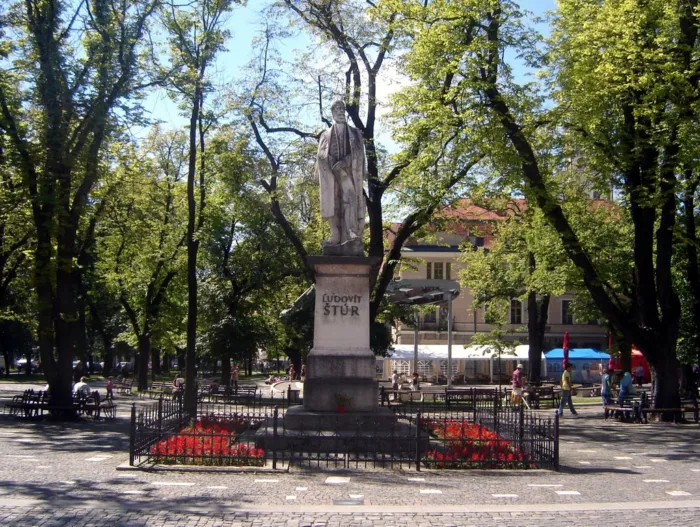
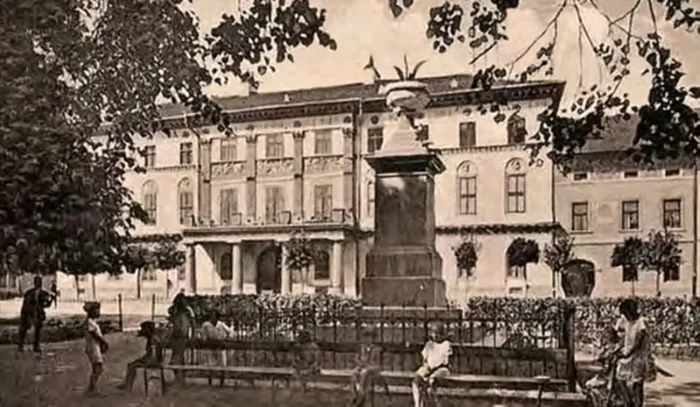
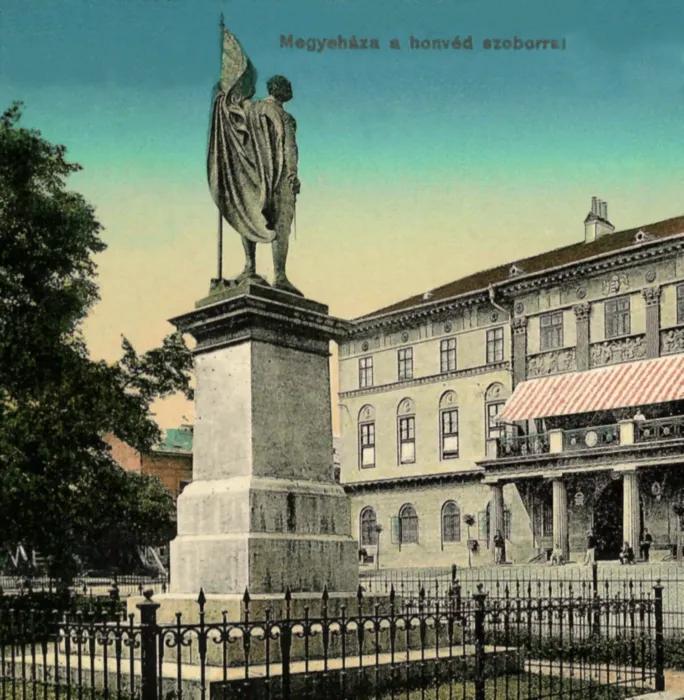
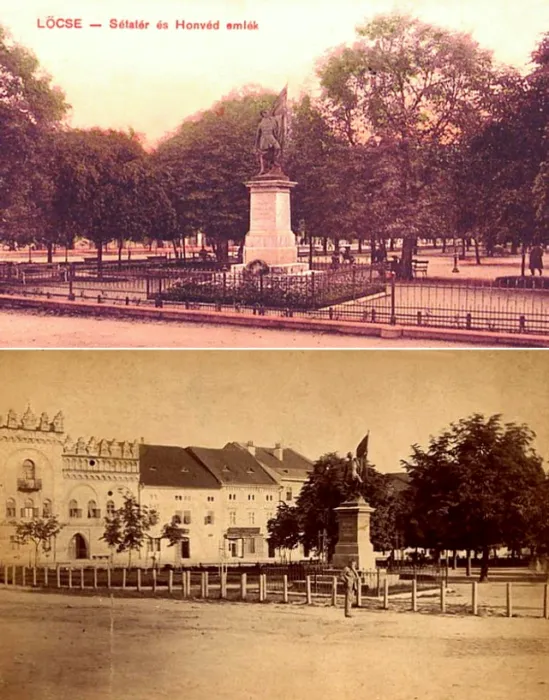
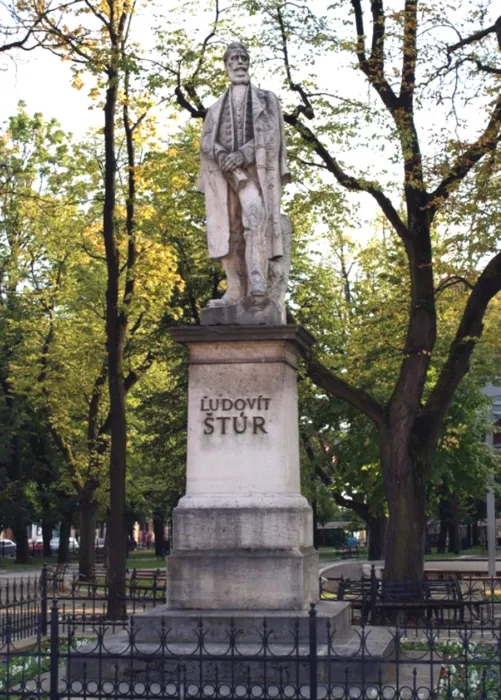
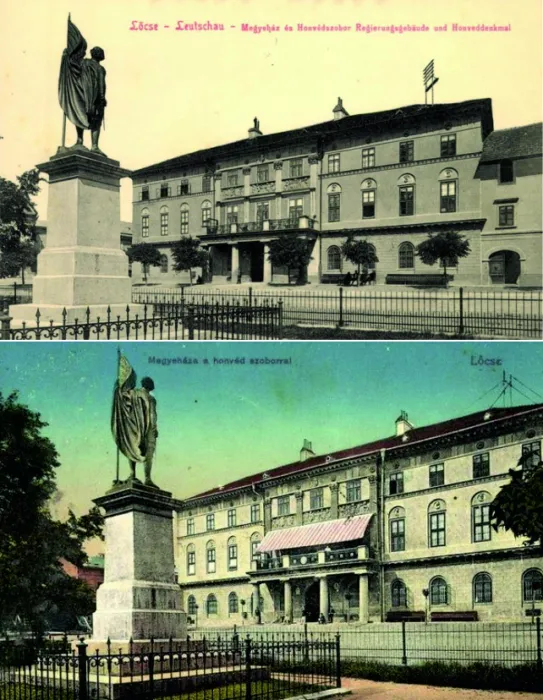
The forces of the revolutionary honvéd army, led by Artúr Görgey, advancing eastwards from Komárom through the Highlands, reached the vicinity of Igló and Levoča at the end of January 1849. The only way to advance was to break through the Branyiszkói Pass. The honvéd army, led by Colonel Richárd Guyon - with numerous recently recruited Slovak volunteers from Zólyom County in its ranks - occupied the pass, which had been heavily fortified by the imperial army, on February 5, 1849. Thanks to the huge victory, Görgey's honvéd army reached the Hernád and then the Tisza valleys, was able to join the Hungarian main forces and participate in the Spring Campaign, which brought brilliant Hungarian victories. ; Monuments were erected on the graves of the Slovak and Hungarian honvéd soldiers who fell in the battle and in several nearby settlements. With a few exceptions, these were damaged or completely destroyed by the Czechoslovak nationalist government that settled here after the Hungarian defeat in World War I. The Levoča Memorial also belongs to this sad list. ; The original monument, the work of the Levoča sculptor József Faragó, was inaugurated on May 21, 1873, in a ceremonial setting. The statue, erected on the northern edge of the Ring, the main square of Levoča, in front of the county hall, stood on a pedestal decorated with cornices in the shape of a column. The statue itself was cast from iron and covered with cannon bronze. The work depicted a man in a military uniform, slightly larger than life. The figure, with a corded Attilas and a cloak, held a sabre in his right hand, while in his left, a long-handled, flying Hungarian flag. ; The Czechs who entered and settled in the city tried in every way to remove the statue. At first, they just boarded it up. Although the local population prevented its destruction on two occasions, on the night of August 11-12, 1919, Czech forces nevertheless knocked the statue off its pedestal. The further fate of the work is unknown. ; The stone pedestal was able to remain in its original place in a peculiar way. Between the two world wars, a large chalice carved from stone stood on it - supposedly commemorating one of the Czech Hussite movements, the "Chalicers". ; ; Finally, in 1949, a larger-than-life stone statue of the Slovak politician Ľudovít Štúr by František Gibala was erected on the "empty" stone pedestal. A special interest in this choice of subject is that Štúr, famous for his anti-Hungarianism and also a member of parliament, fought on the opposite side of the Hungarian soldiers who had been honored with a statue here until now in 1848-49: he actively participated in organizing the Slovak Volunteer Legion that launched an armed uprising against the Hungarian government... ; The chalice, which had become "superfluous" at that time, could have remained on the square as a stone flower stand. Today, there is nothing on the site to indicate that the pedestal under Štúr's feet is more than 70 years older than the work standing on it...