
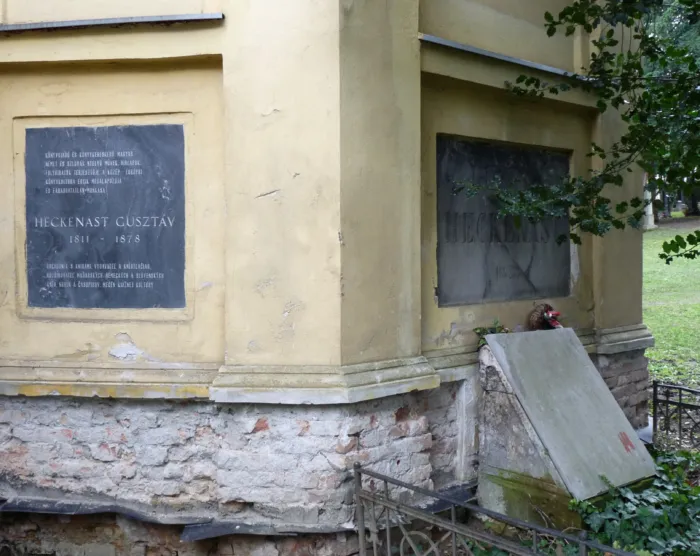
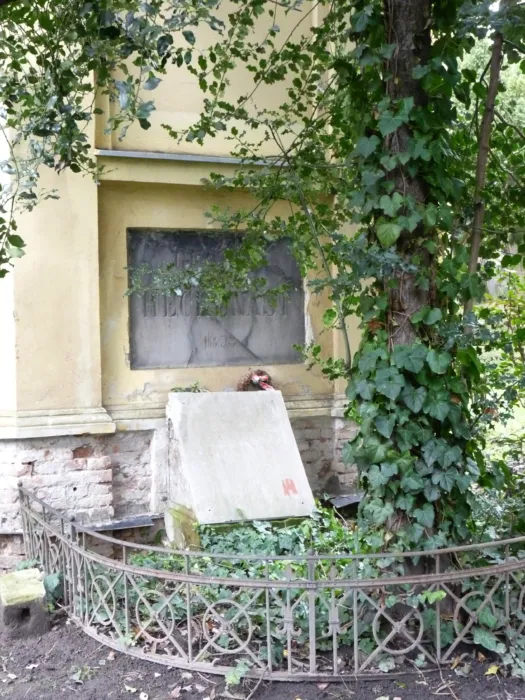
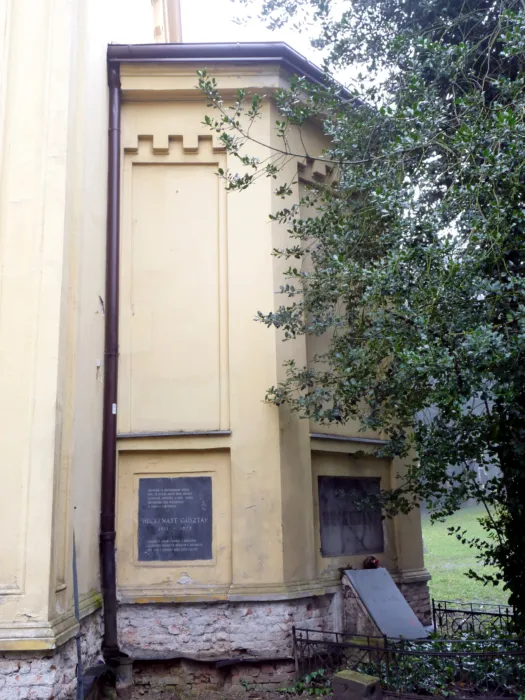
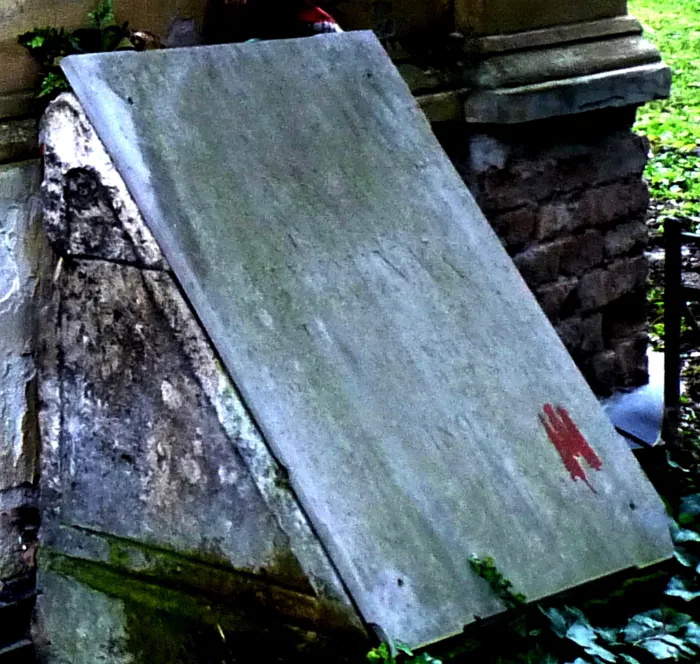
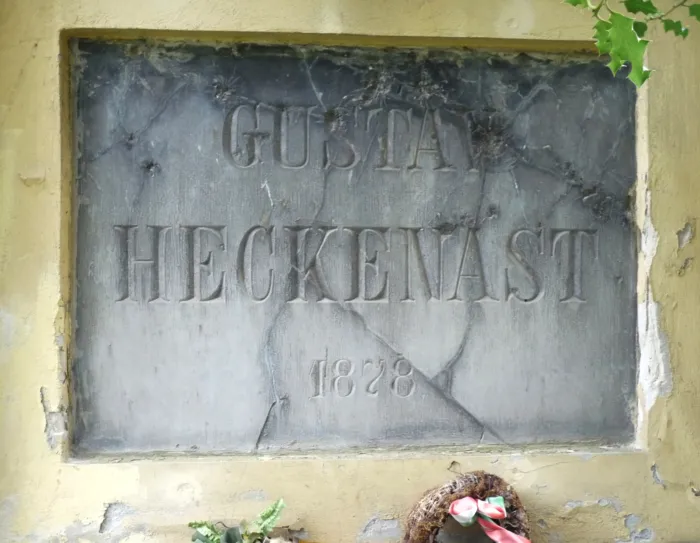
The grave of Gustav Heckenast
Cemeteries, tombstones, graves
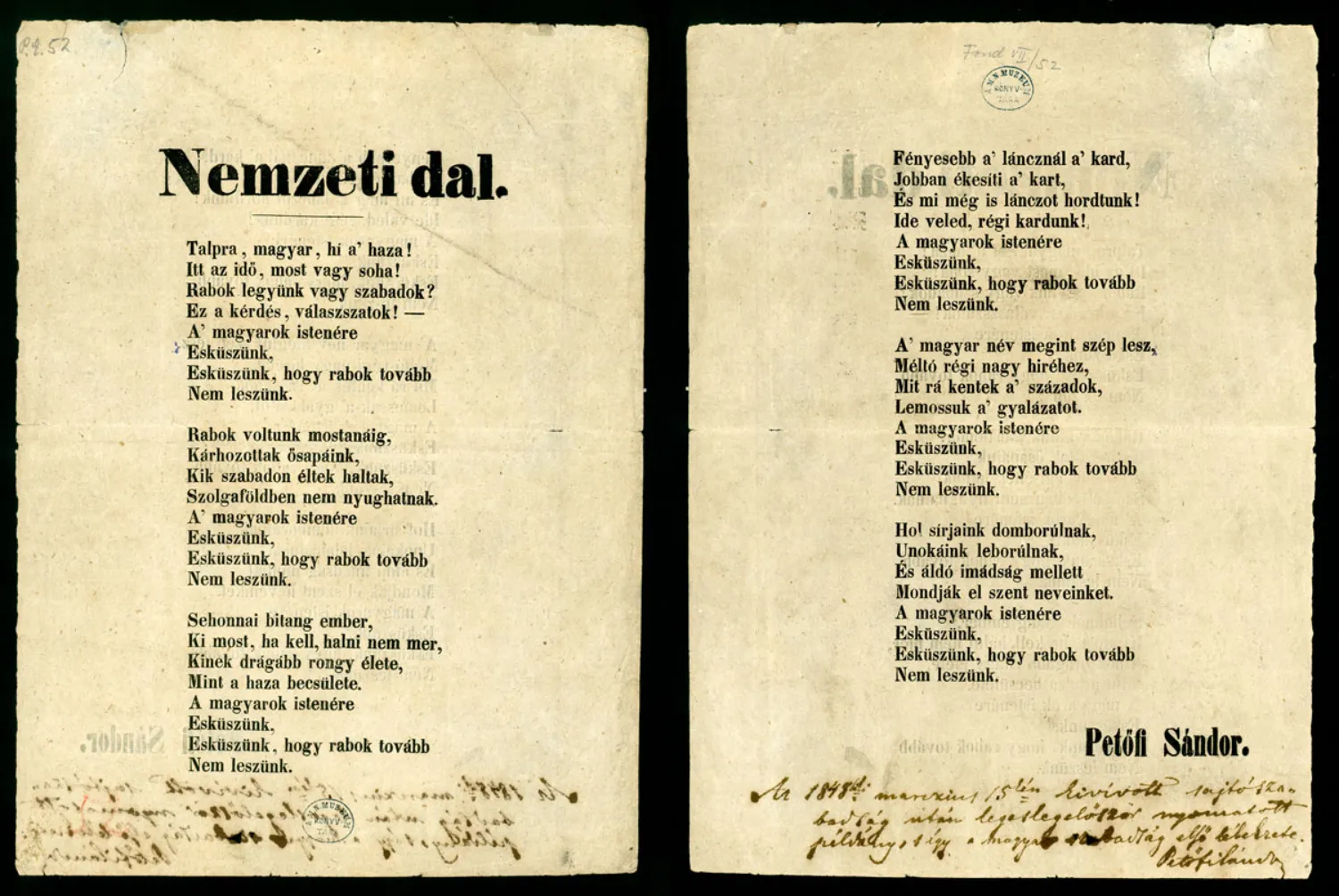
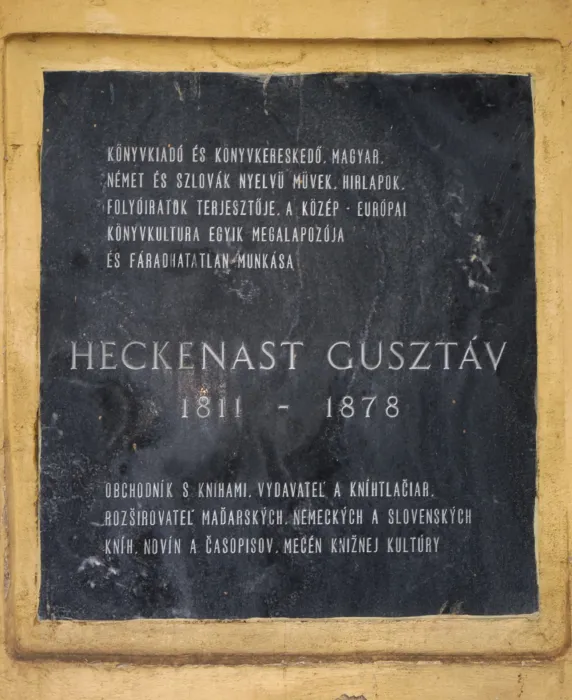
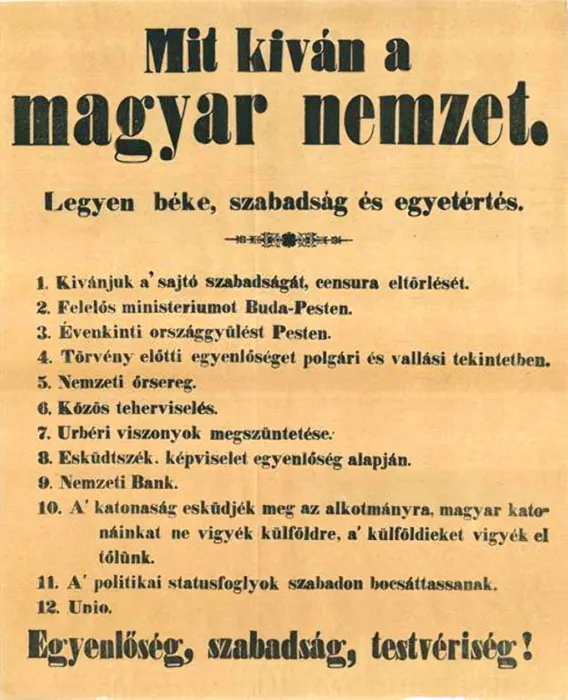
His father, Mihály Heckenast, was a pastor of the German Evangelicals of Košice. He completed his schooling in Prešov, but had to interrupt his studies due to the family's poor financial situation. He then engaged in the spice trade. In 1826, he went to Pest and found a job with the bookseller Ottó Wigand. In 1832, after Ottó Wigand moved to Leipzig, he bought the business. His shop on Váci Street was almost completely destroyed by the great Pest flood of 1838. The reopening was helped by Hungarian writers, with the income from the publication Budapesti árvízkönyv. His foreign colleagues also forgave his debts. In 1838, he opened his lending library with 8,000 volumes. In 1840, he partnered with printer Lajos Landerer (changing the company name to Landerer and Heckenast), and started Bibliographiai Értesítő, the first monthly magazine dealing with books in Hungarian. The paper ceased to exist in 1842. ; "I cannot tolerate the excessive filth of Messrs. Landerer and Heckenast. I work like a beast, I can say without boasting, I am the soul and maintainer of the Pesti Hírlap... Many people have said that I am truly a fool to be their yoke-puller, and that they are consuming my life and health with perpetual work and perpetual annoyance..." - Lajos Kossuth ; On March 15, 1848, the National Song and the Twelve Points were printed in his printing house. He had already learned the night before what the Petőfis were up to. Heckenast did not go to the printing house that day. It is not known for sure whether it was due to political convictions or caution for business reasons. Landerer had to go into hiding in 1849, and even after his return he could not participate in the management of the company, Heckenast ran it alone. Landerer died in 1854, and the printing house passed into the ownership of Heckenast. In 1854 he married the writer Lenke Bajza, daughter of the poet József Bajza, from whom he later divorced. ; Most of his publications were the works of Hungarian writers and poets, and the writings of Dániel Berzsenyi, Mihály Csokonai Vitéz, Károly Kisfaludy, Ferenc Kölcsey, János Vajda, Mór Jókai, Miklós Jósika were published in his printing house. He was the first to publish a collection series (Magyar Remekírók). He was the founder of the Vasárnapi Ujság. His company merged with the then-established Franklin Company in 1873. Until World War II, this company was one of the most significant publishers and printing houses in Hungary. It was nationalized in 1948, and its publishing activities were taken over by the Szépirodalmi Könyvkiadó. ; Gusztáv Heckenast settled in Bratislava in 1873, where he died on April 10, 1878. ; In 1986, on the 175th anniversary of Gusztáv Heckenast's birth, a memorial plaque was placed on the wall of the cemetery chapel on Kecske Street (next to his grave), with the following text in Hungarian and Slovak: "book publisher, bookseller, distributor of works, newspapers and magazines in Hungarian, German and Slovak, one of the founders and tireless workers of Central European book culture".