
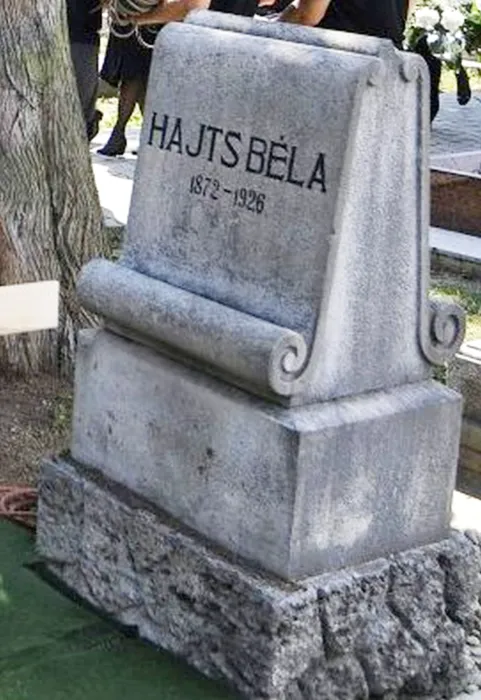
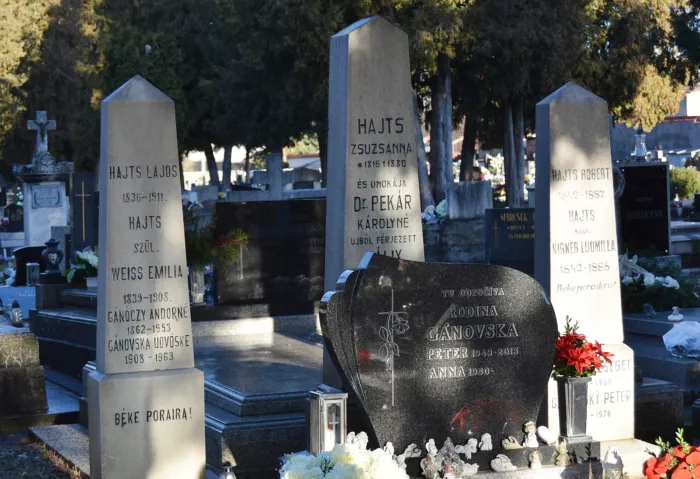
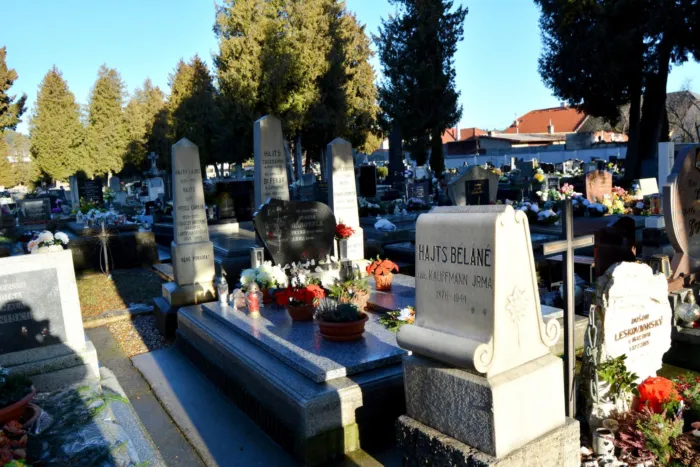
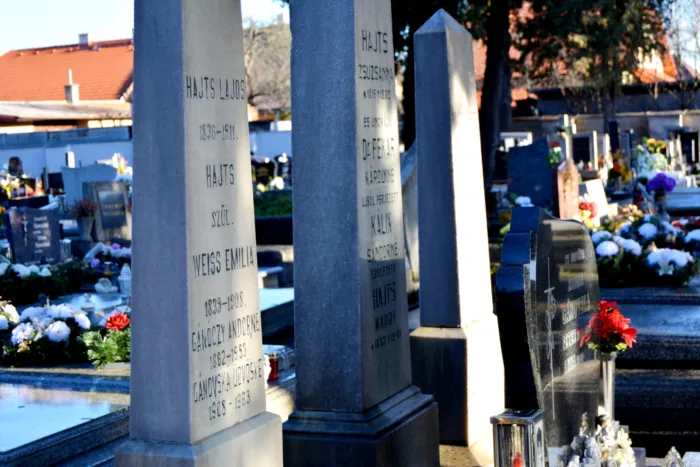
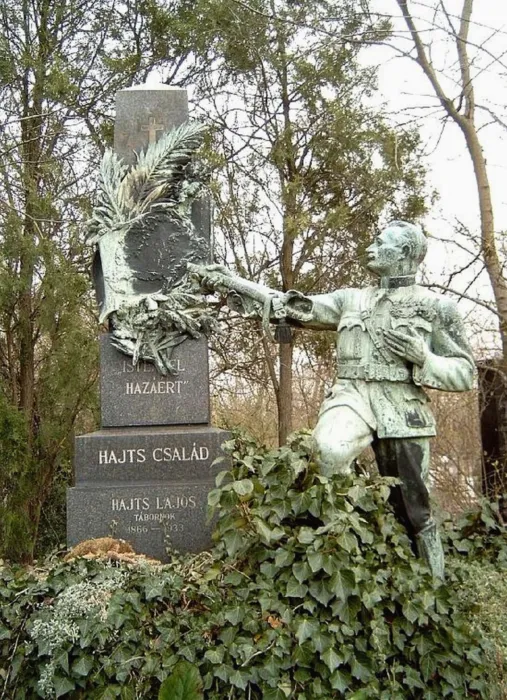
The grave of Lajos Hajts, the manor's chief accountant, and Béla Hajts, a teacher and tourist
Cemeteries, tombstones, grave sites
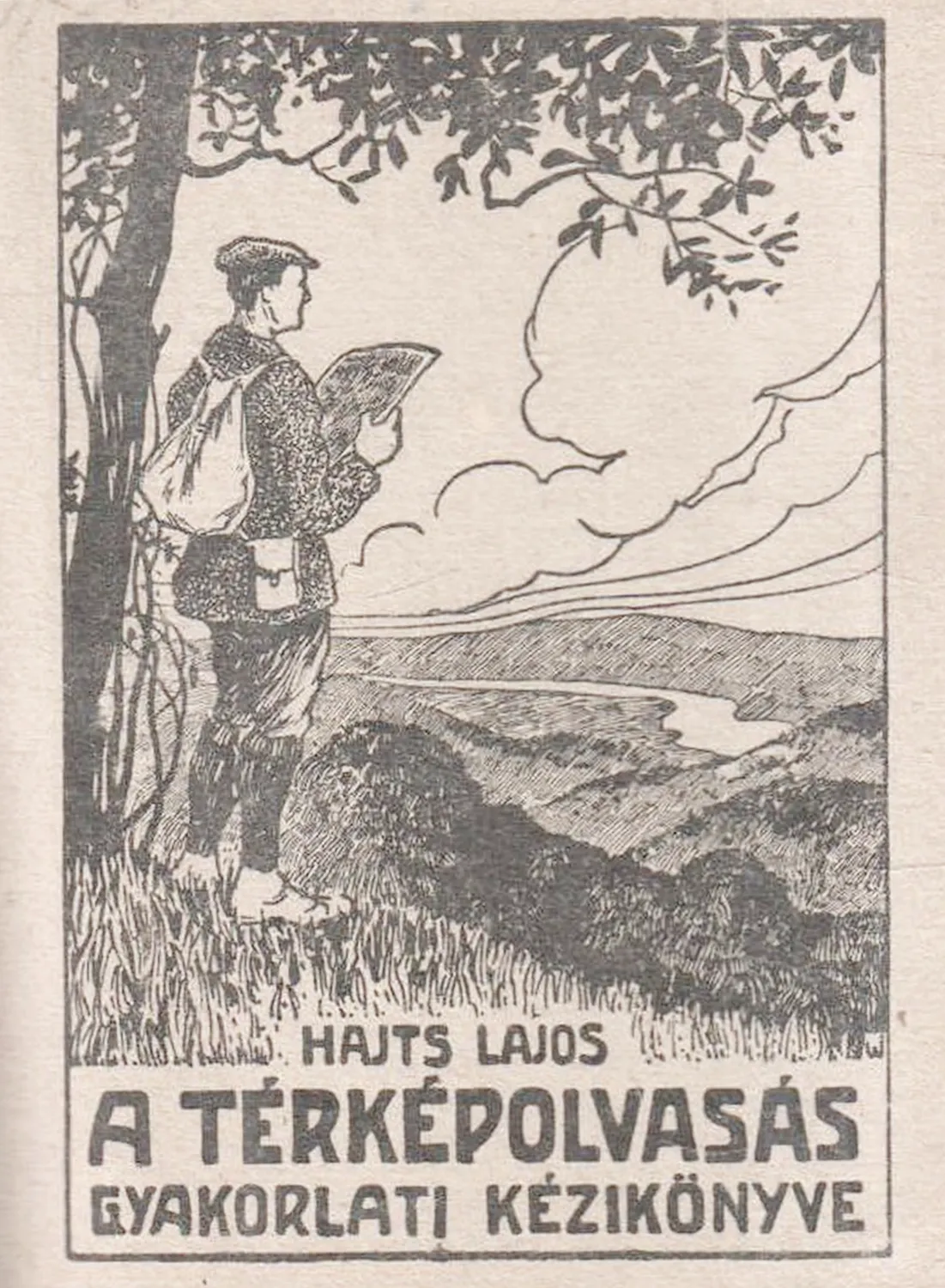
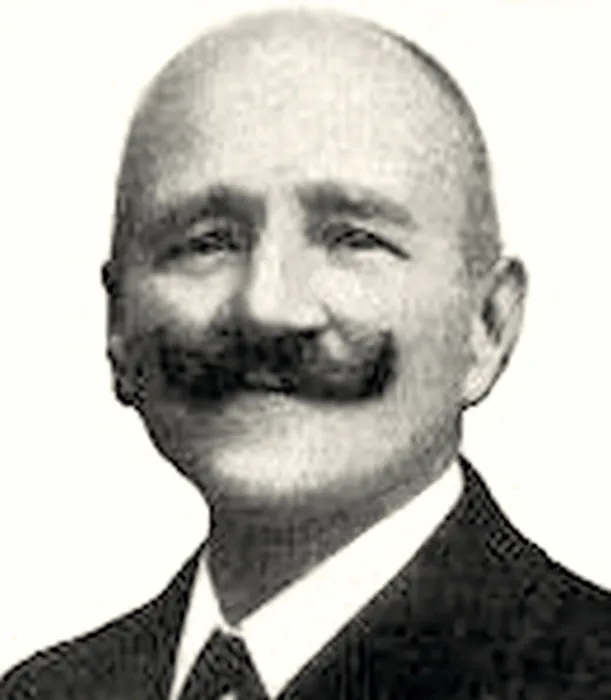
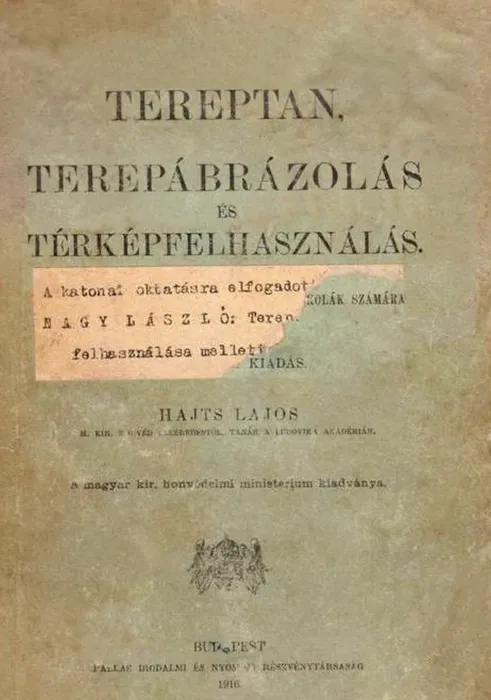
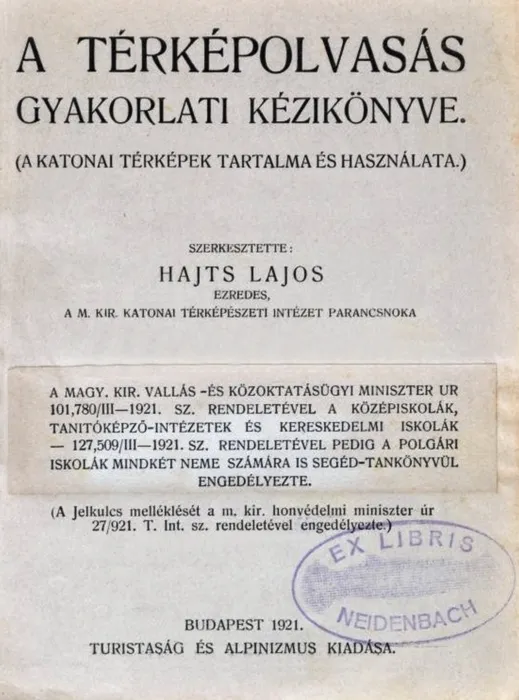
The Evangelical Lajos Hajts (1835–1911) was the chief accountant of the Count Csáky estates. His wife was Emília Weiss. Among his children, Lajos and Béla gained national fame in their fields: ; His eldest son, Lajos Hajts Jr., cartographer, general of the Hungarian army, was born on October 27, 1866 in Igló (died: December 1, 1933, Budapest, funeral: December 4, 1933, Budapest: burial place: Rákoskeresztúr). ; He completed his elementary school in Igló, the Hainburg cs. and kir. utasz hadapród school (1885), then the Budapest higher officer course (1892) and a cartographer course in Vienna (1892). ; He served in the 33rd Army Infantry Regiment in Levoča (1885–1888), in the concentrated district troop detachment in Košice (1888–1891), with the ranks of lieutenant (1888) and first lieutenant (1892). He was assigned to the Military Geographical Institute in Vienna (1892–1895), and was a professor of cartography at the Ludovika Academy (1895–1919), during which he was promoted to captain (1898). In World War I, he held the rank of lieutenant colonel, in the so-called He performed special cartographic tasks in the Szurmay Corps (1915–1916), after the collapse he was the chairman of the Hungarian committee leading the liquidation of the Vienna Military Geographical Institute (1918–1919), he was retired by the Council Government with the rank of colonel (March 1919, but he continued his work in Vienna until November 1919). ; After the fall of the Soviet Republic he was the founding head of the Hungarian Military Cartographic Group, or the State Cartographic Institute, which was established as the successor to the Vienna Military Geographical Institute (1919–1925), during which he was promoted to major general (on September 1, 1923). After the Trianon decision he was the head of the Hungarian delegation at the so-called liquidation negotiations (= the distribution of the maps of the Monarchy among the successor states) (early 1920s). Later, the Institute's staff, under the leadership of Lajos Hajts, carried out the infamous franc forgery, the aim of which was to help the Hungarian state, which was in a difficult situation after Trianon. After his responsibility was discovered, he was relieved of his post (1 January 1925) and received a short prison sentence (26 May 1926). He had to resign his rank of general (1927, regained: 26 February 1930). ; As a pioneer of Hungarian military cartography, he played a leading role in developing the country's military survey between the two world wars and in introducing the so-called stereoscopic measurements. As the head of the State Cartographic Institute, he continued to direct the country's triangulation work and detailed leveling surveys. He is the author of several popular cartographic textbooks and reference books. ; He lived and worked in Budapest, he is buried in the Rákoskeresztúr Cemetery, his military family record is kept by the Military History Archives. His tombstone was inaugurated by the Evangelical pastor Vilmos Majba (on 8 December 1934), his oil portrait was in the Evangelical Cultural Circle in Kőbánya. The grave was declared protected by the National Memorial and Remembrance Committee (in 2003). The Hungarian Military Cartography Group was founded on 4 February 1919 (its first director was Lajos Hajts). 4 February is the day of military cartography in Hungary (since 2009), the armed holiday of the Hungarian Armed Forces. ; His main works: ; F. m.: Basics of the National Military Survey. (Bp., 1904) ; Basic features of stereophotogrammetry. (Bp., 1908) ; New progress in stereoscopic measurement. (Natural History Journal, 1909) ; Topography, terrain representation and map use. Textbook adopted by the Ludovika Academy and military schools. (Bp., 1913, 2nd expanded edition 1916) ; Practical manual of map reading. Content and use of military maps. Key to military maps. With 1 plate. (Bp., 1921, 2nd edition 1922) ; Our topographic maps. (Magyar Mérnök és Építész Egylet Közlönye, 1923) ; ; The younger son, Béla Hajts (1872, Igló - September 11, 1926, Igló) was a teacher, tourist, and president of the Igló Department of the Hungarian Carpathian Association (MKE). He entered the teaching profession in 1893, and from 1894 he was a teacher at the Igló boys' school. ; He took over the leadership of the Igló Department of the Hungarian Carpathian Association in 1918 after the death of Dr. Márton Róth, and lived his heyday under the guidance of this organization and the tourist life of Spiš. The area around Igló, the Hernádszoros, the Menedékkő (Lapis Refugii) and the Glac gorge valleys were his most favorite areas. He introduced the name "Paradise" to the area around Igló, just as "Upper Hungary is Paradise" (today's name is "Slovenský raj") - its original geographical name was Káposztafalvi Limestone Mountains. He explored the beauties of the Kiszel by making wooden and later iron ladders and passages at Kápolna, the Meszlény and Karoliny waterfalls with the help of members of the Igló Department (these were made in the workshop of the Igló station of the Košice-Oderberg - today's name is Bohumín - railway). Under the leadership of the department, he built the "Hajts Béla shelter" named after him - and opened on September 23, 1922 - on Menedékkő, and the Posewitz-lugas nearby. Under his leadership, the Porácsi, Kotterbachi, Barát, Ördög, Rózsa, Medvelyuk caves were explored, and the "Hajts funnel" was wired. His literary pseudonym was - very aptly - "Propagator". Because he was truly a propagandist of the cause to which he dedicated his entire life, to gaining as many followers as possible for tourism, and above all for his beloved "Paradise". His newspaper articles, photographs, and excursions were all in the service of this noble cause, they "propagandized" it. In his travels, he found valuable finds - for example, prehistoric remains of caves and Celtic terrace constructions - which he collected and placed in the archaeological department of the Poprad Museum. And he did all this even when he lost his teaching position after the coup d'état (he did not take the oath of allegiance to the new Czechoslovak state). ; Clerk of the MKE Igló Department (1898-1917-), member of the editorial board of the MKE Yearbook (1909-1913), member of the MKE central committee (-1914-), member of the management and construction committee (-1913-), member of the MTSz Exploration and Excursion Committee (from 1917). He was an honorary member of the Karpathenverein, member of the central committee, museum and editorial committees, and chairman of the archaeological department of the Carpathian Museum.