
Gútor Roman Catholic Church
Building, structure
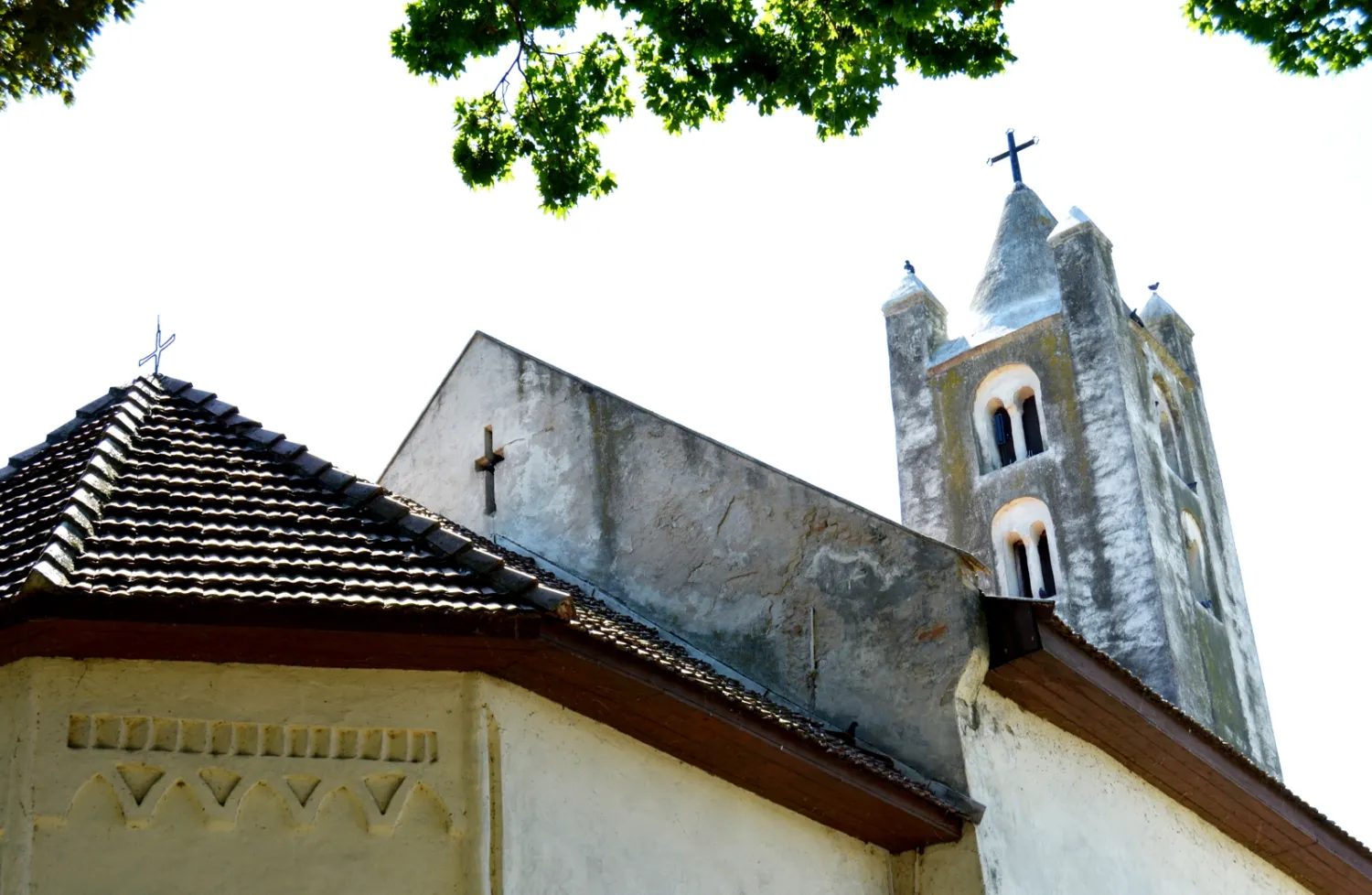
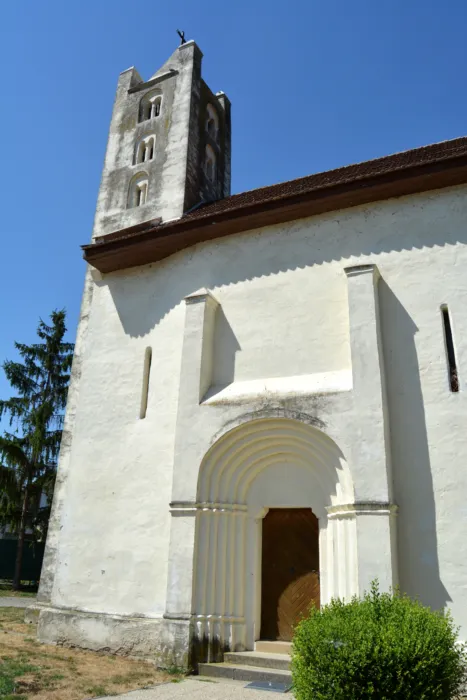
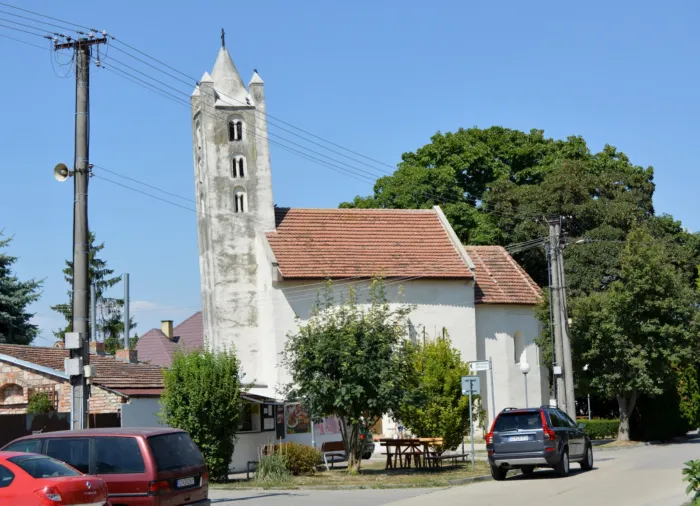
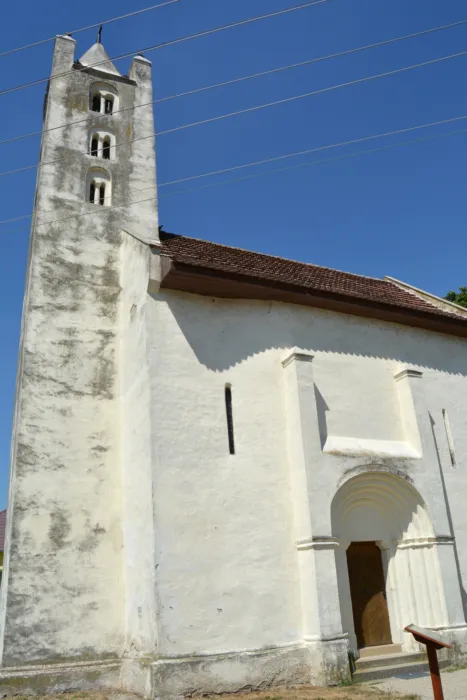
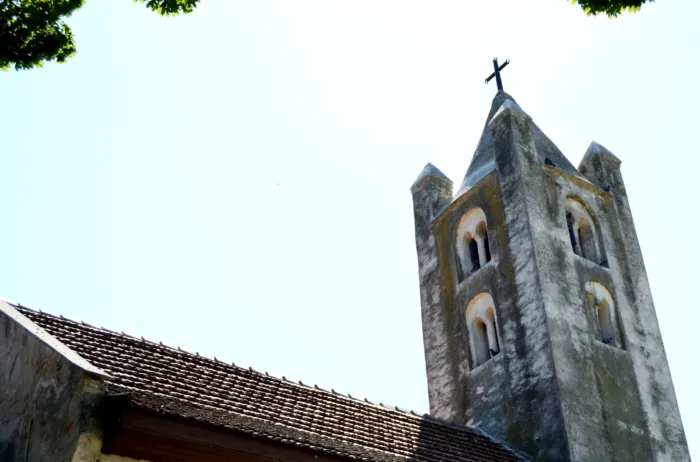
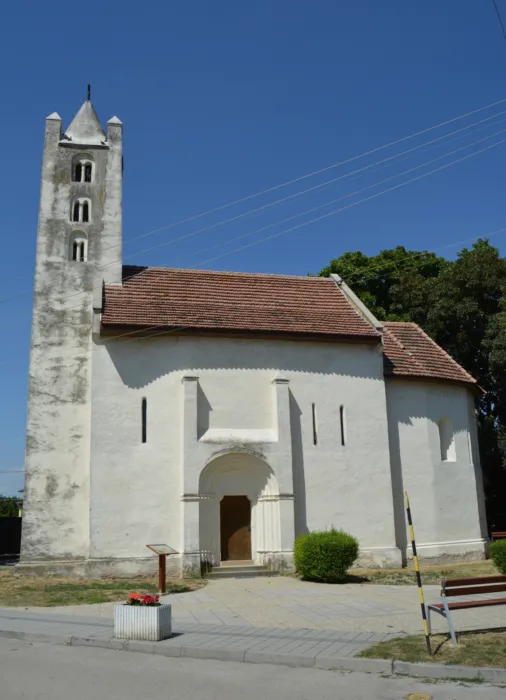
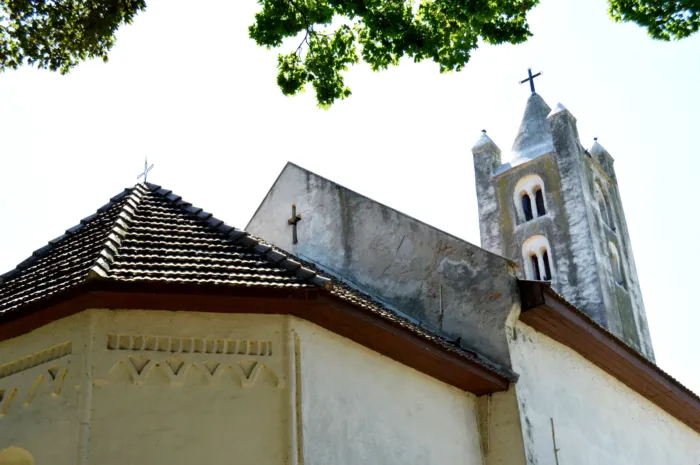
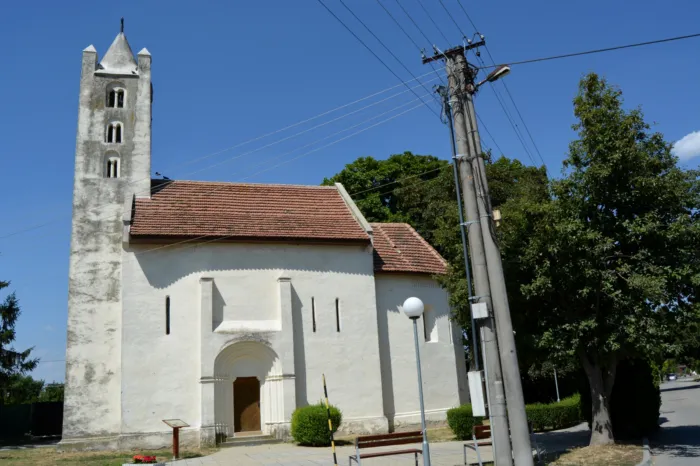
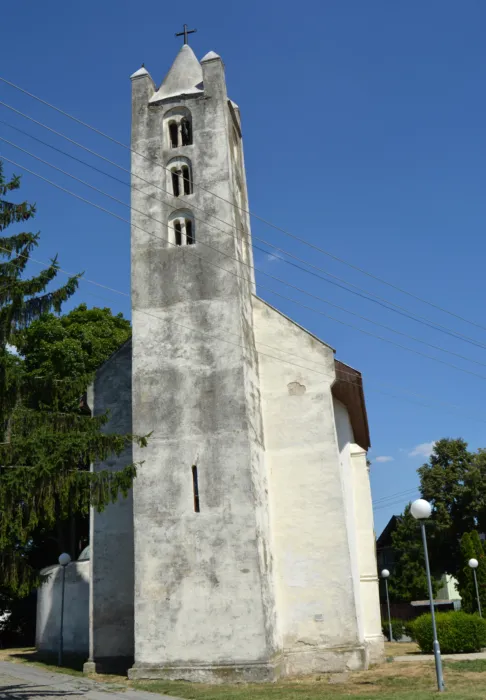
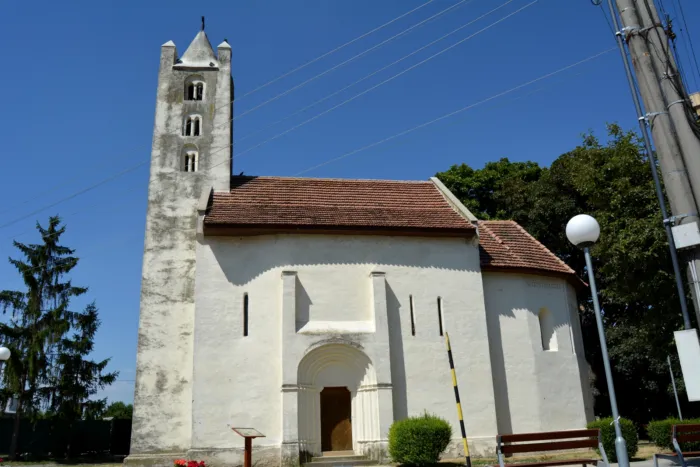
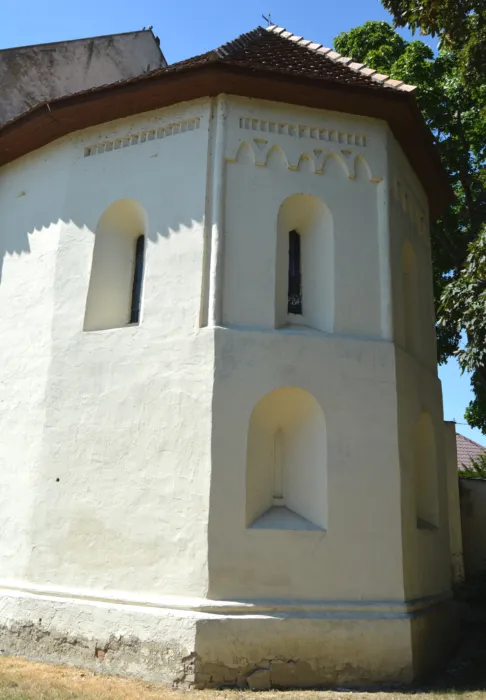
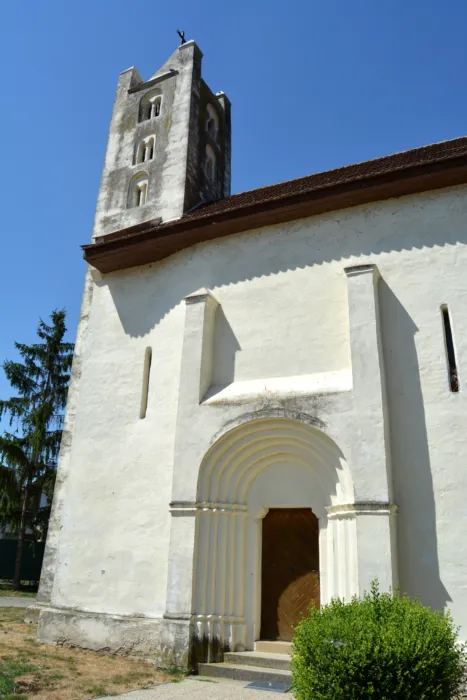
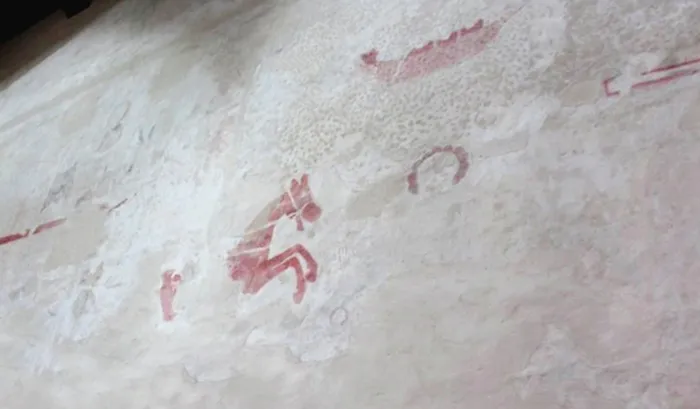
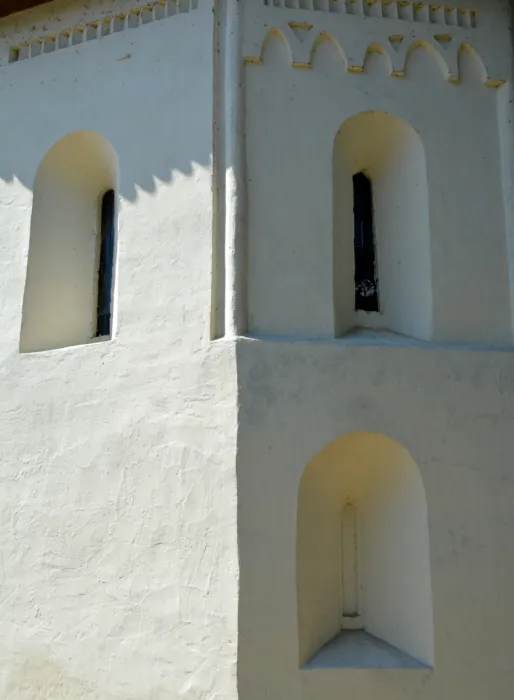
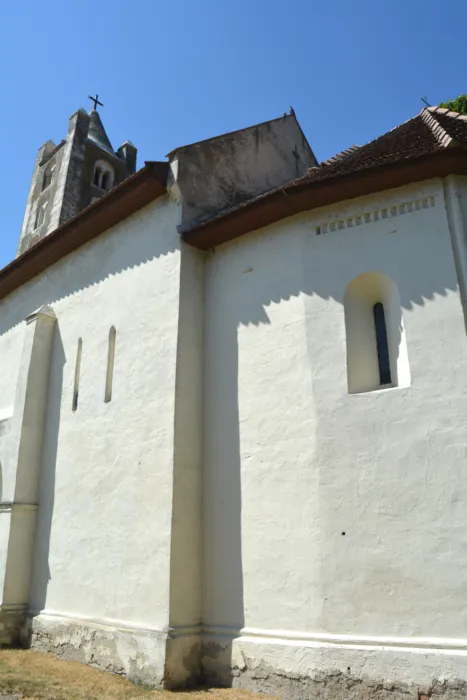
The village church is the purest Romanesque church in the Upper Csallóköz, built in the mid-13th century. The high tower of the western facade is covered with a pyramid-shaped stone helmet, divided into two or three levels with twin windows. On the south side is the carved Romanesque portal. The decoration of the polygonal sanctuary is also characteristically Romanesque: a dentate frieze, with semicircular blind arcades below. The wall and ceiling frescoes of the church interior form a sacral system, made in the 13th–15th centuries. They were only dismantled and restored between 1979–81. The frescoes are arranged in two bands on the walls of the sanctuary. The images of the lower band cannot be identified, the upper one depicts the apostles with rich plant motifs. The ceiling fresco of the sanctuary depicts the Maiestas Domini, the reigning Christ, the Pantocrator enthroned in a mandorla, surrounded by stars, the Sun and the Moon. In addition to the mandorla, there are symbolic representations of the four evangelists: the eagle (John), the bull (Luke), the lion (Mark) and the angel (Matthew). The frescoes of the nave can only be enjoyed in fragments. The most interesting is the depiction of the chase and wrestling scene of the Saint Ladislaus legend. According to Gyula László, this version can be related to the title page illustration of Thuróczy's Hungarian Chronicle published in Augsburg in 1488. As a result of the repeated flooding of the Danube, the church tower has now tilted by about 76 centimeters.