
Holy Trinity Church of Gömörrákos
Building, structure
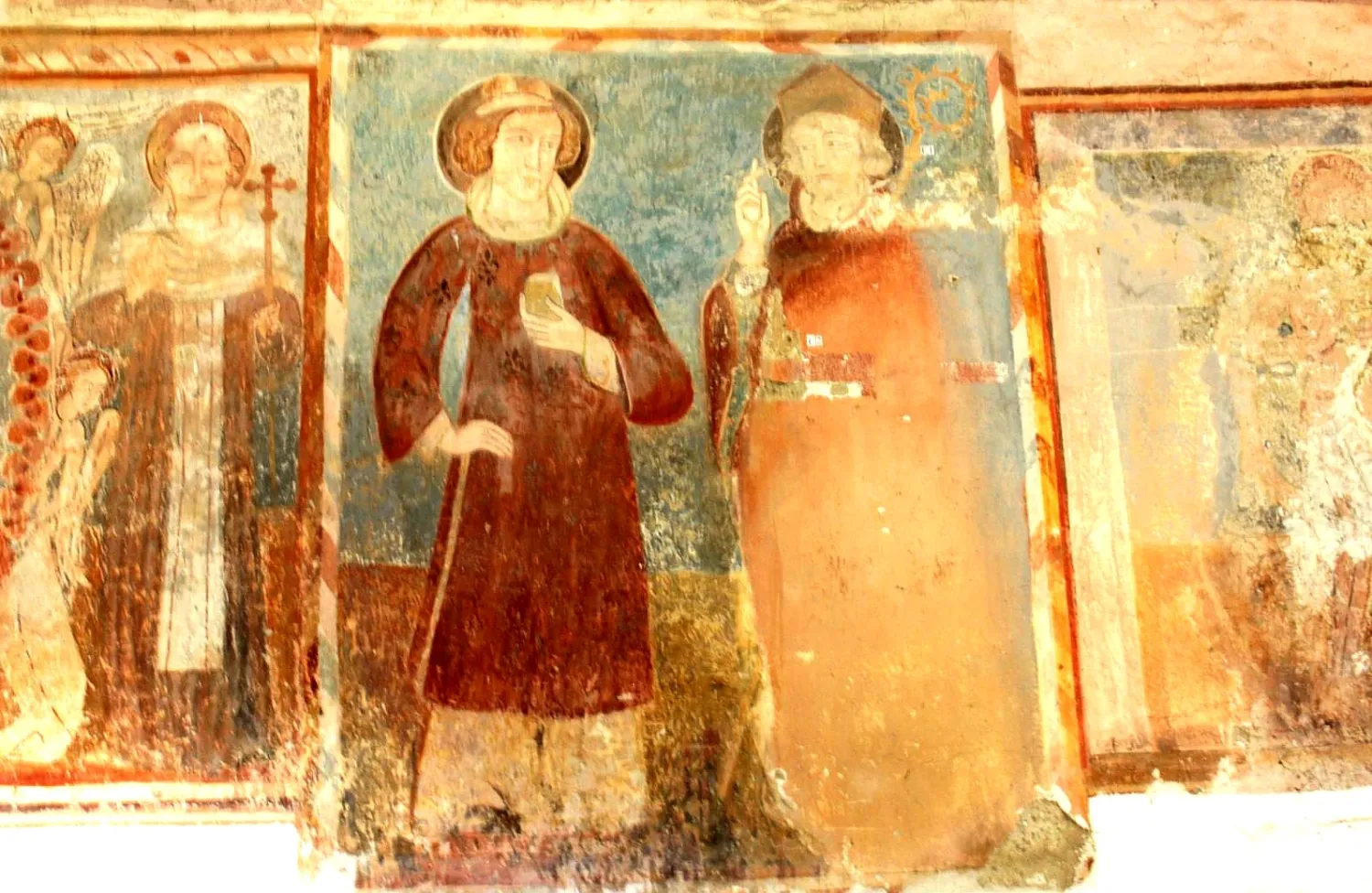
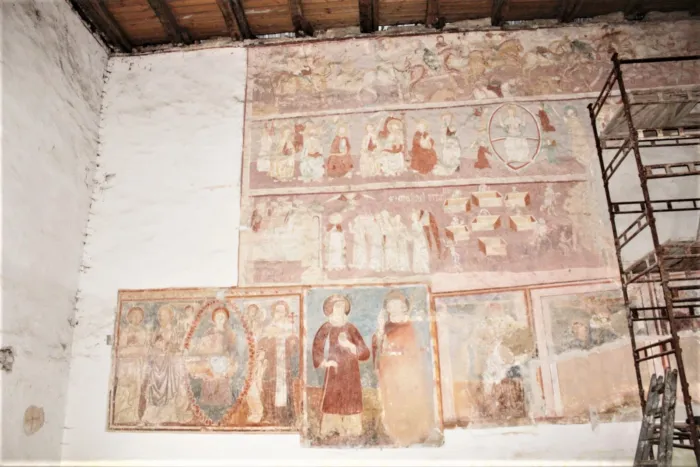
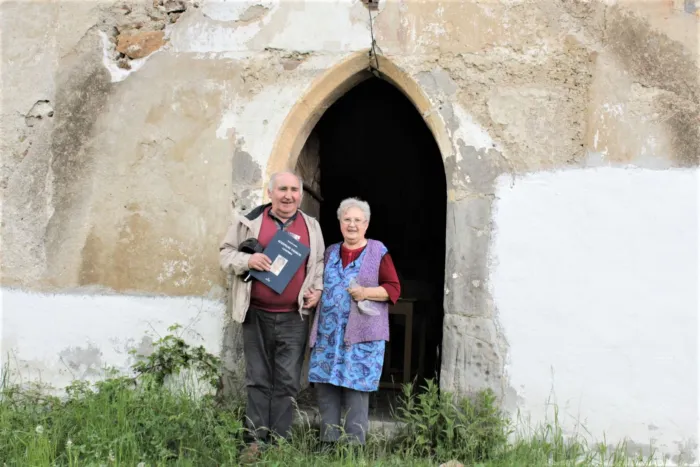
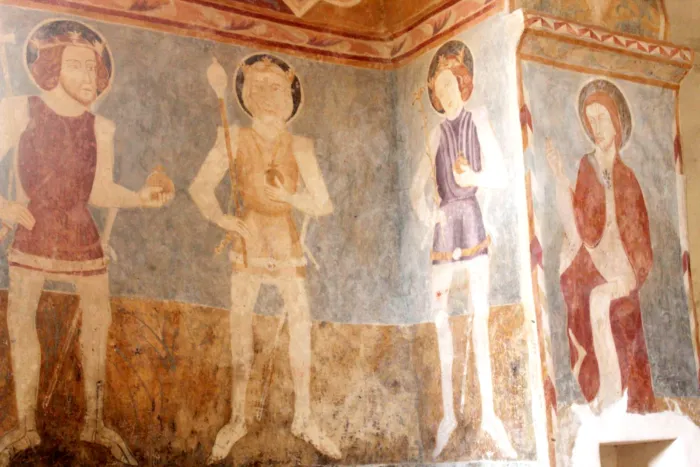
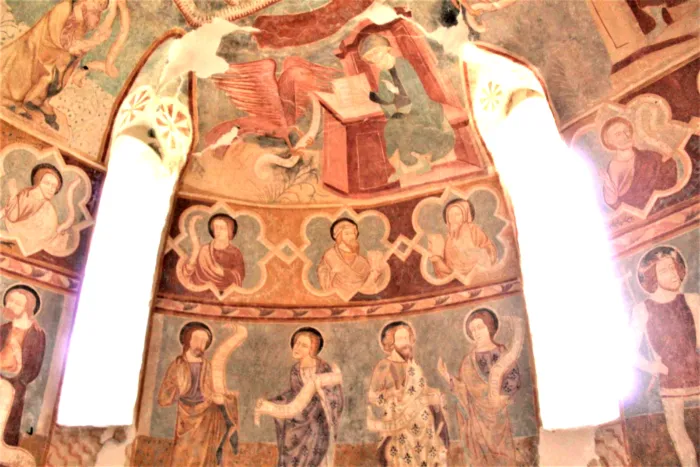
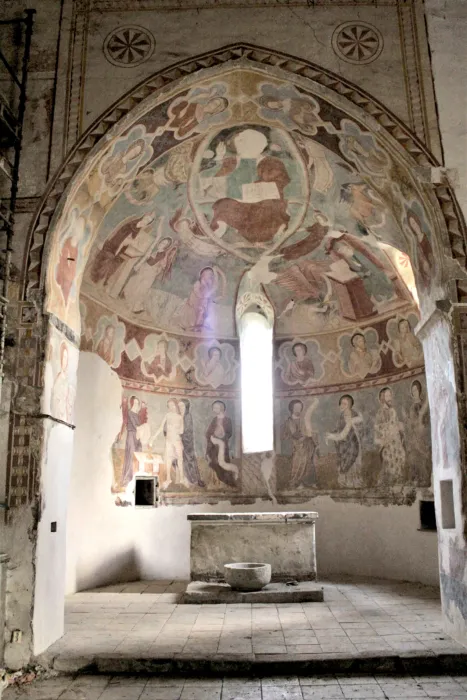
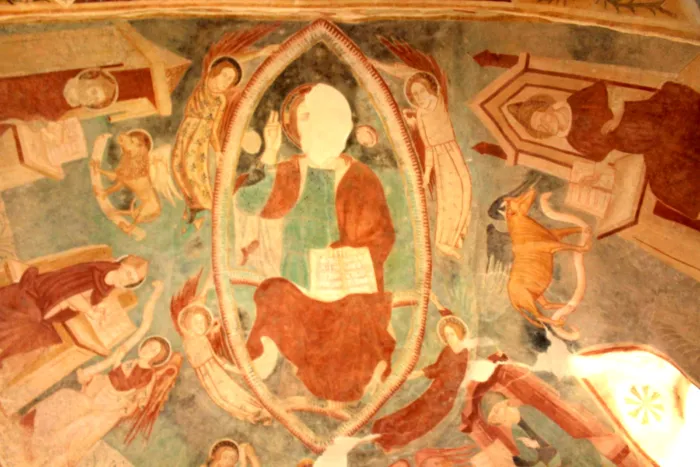
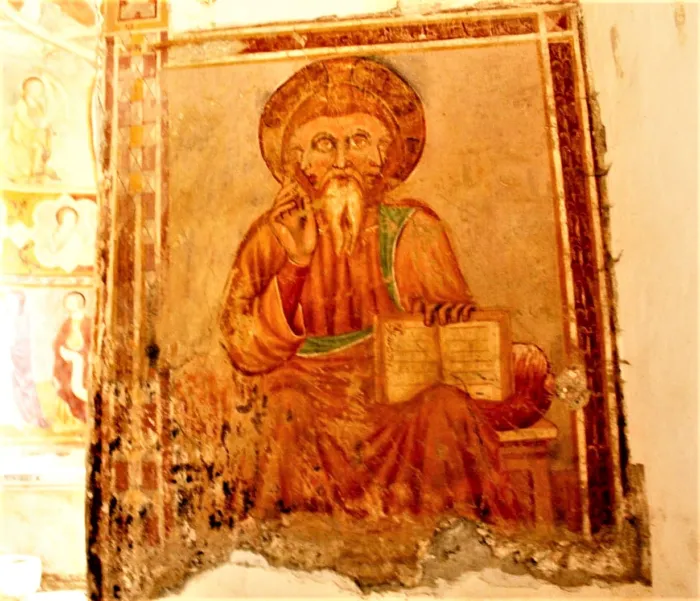
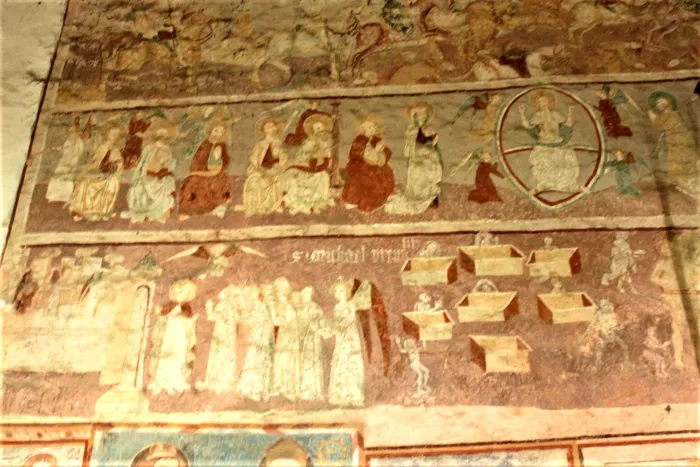
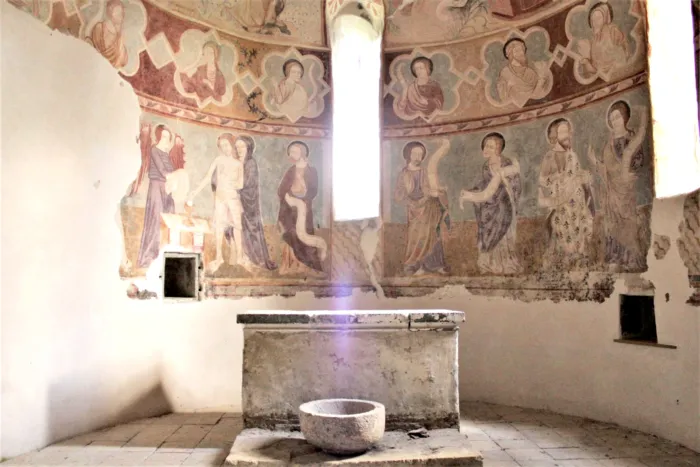
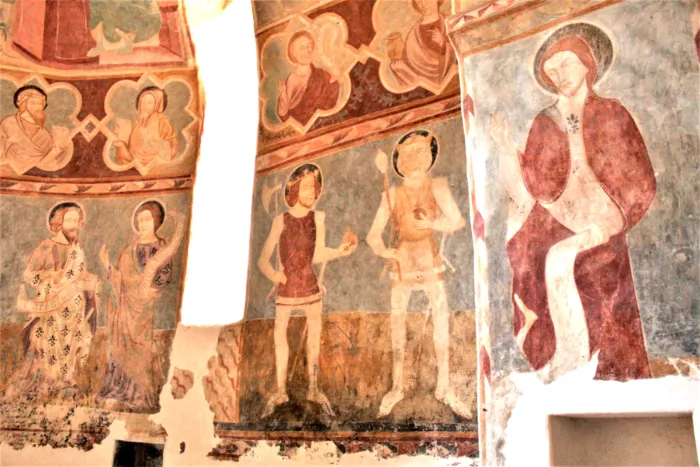
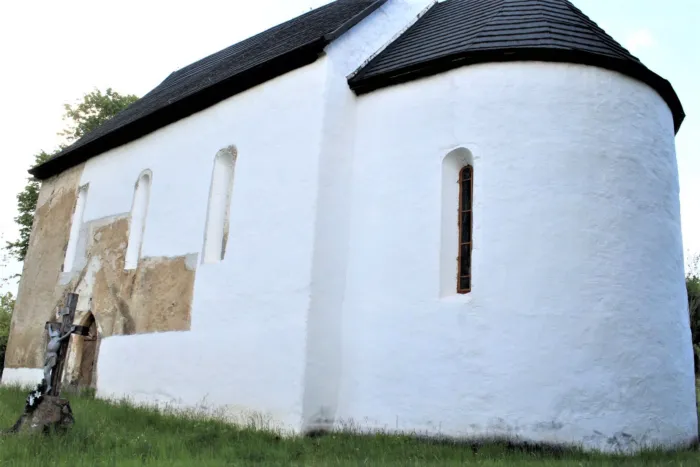
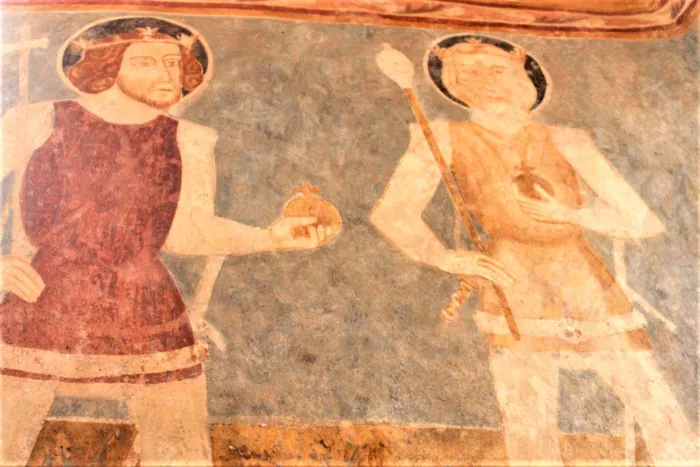
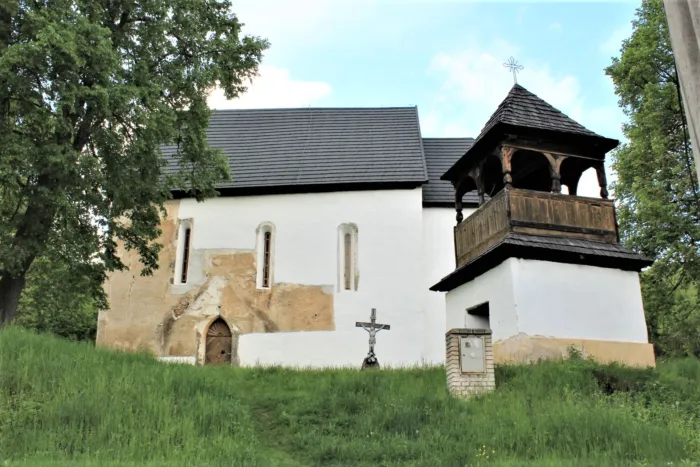
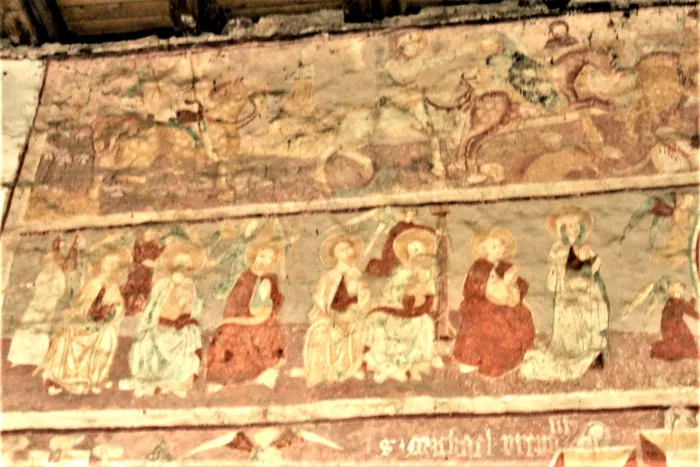
The church of the village of Ertásfalu, which was built in the late Árpád period, was probably built in the 13th century, in the late Romanesque style. It is a single-nave, semicircular sanctuary closure, towerless building, the wall of which is pierced by 3 semicircular windows in the nave and 2 in the sanctuary. It was rebuilt several times in the 16th-18th centuries. Its wooden, painted flat ceiling and furniture are in the Baroque style from the 17th century. The main values of the church are the 14th-15th century wall paintings that have survived on a particularly large surface, which cover the surfaces of the walls of the nave, the triumphal arch and the sanctuary, forming one of the most significant fresco ensembles in Gömör. In the closely fitting picture fields we can see biblical figures, images of Hungarian saints and scenes from the Legend of Saint Ladislaus. (A fresco can also be found on the outside above the entrance to the church from the south, which became visible after the demolition of the vestibule attached to the church in the modern era. Next to the church, which was once surrounded by a cemetery, stands a small wooden bell tower with a stone base - accompanied by an electrical switchboard.