
Gidrafa Pálffy Castle
Building, structure
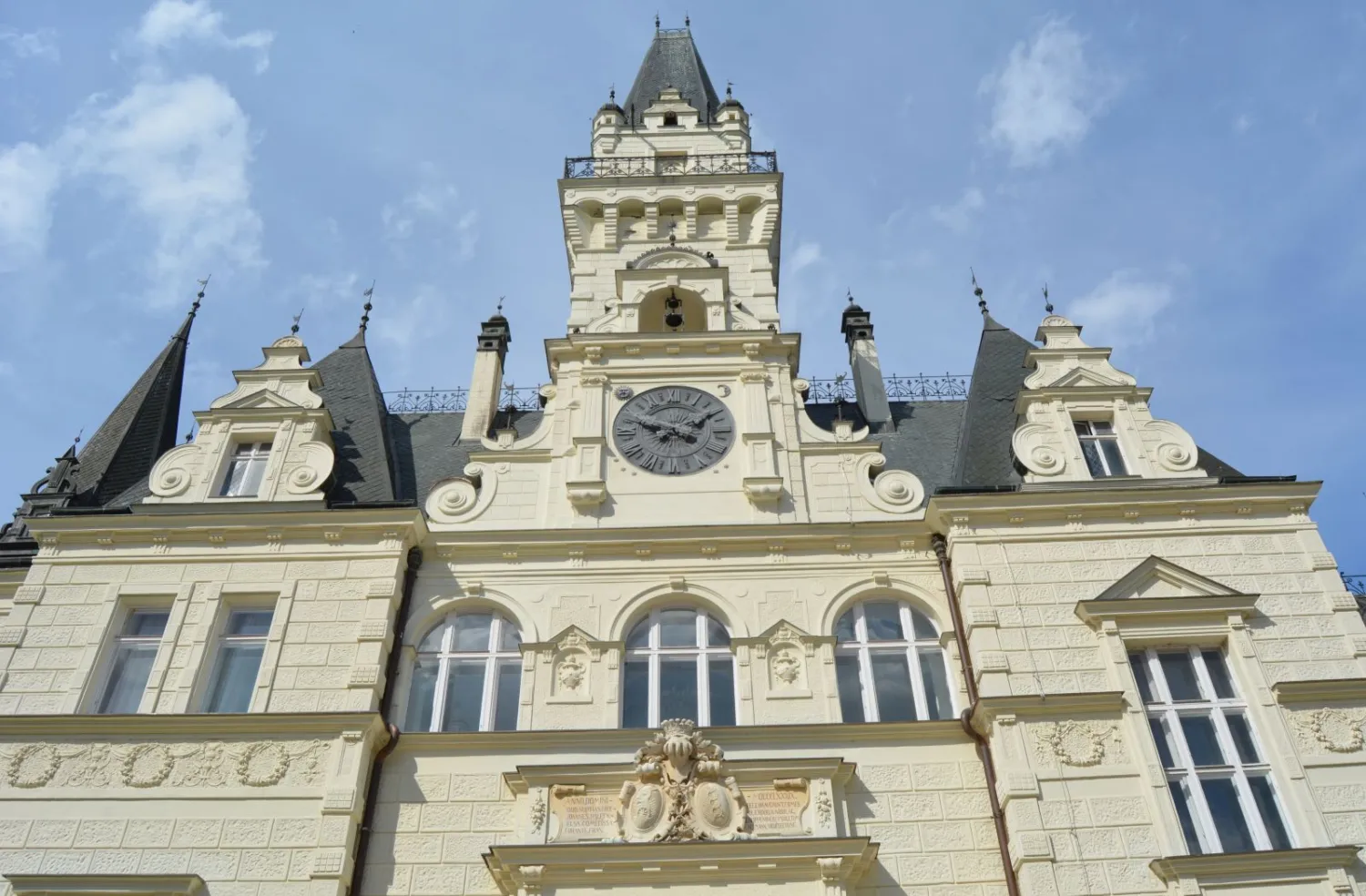
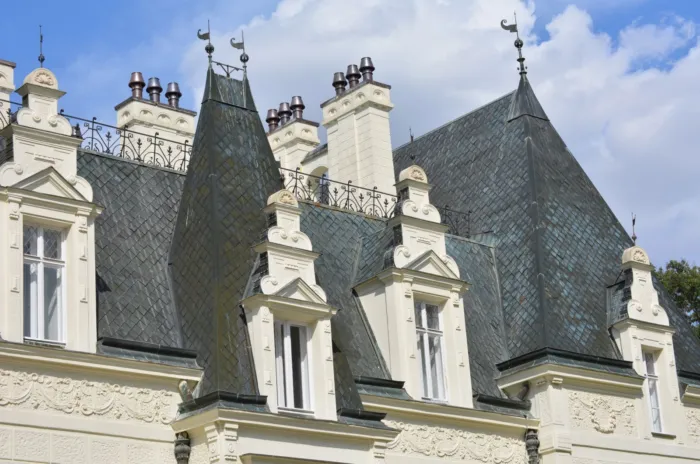
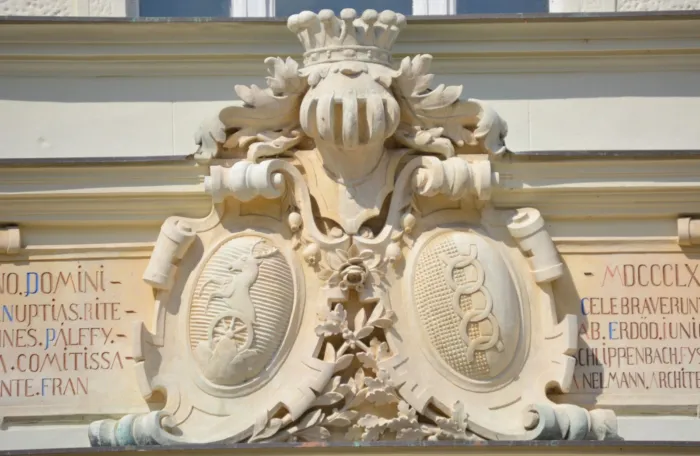
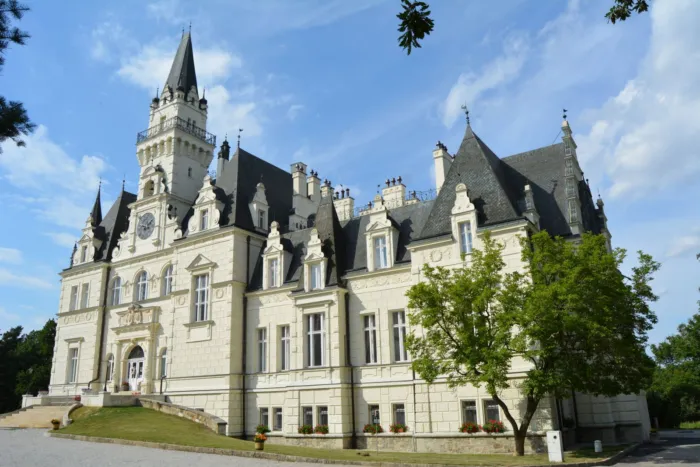
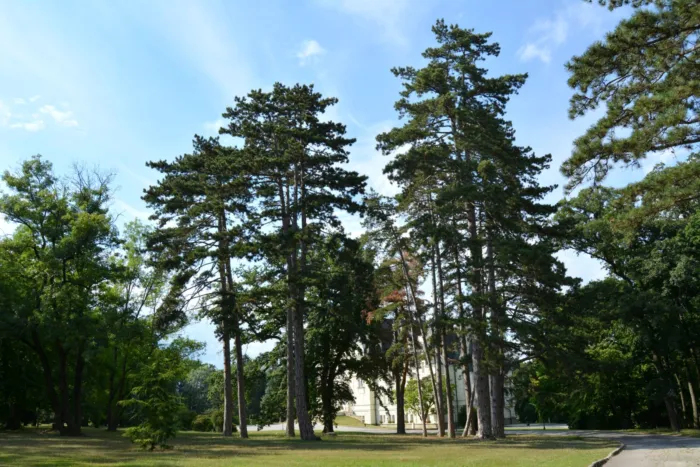
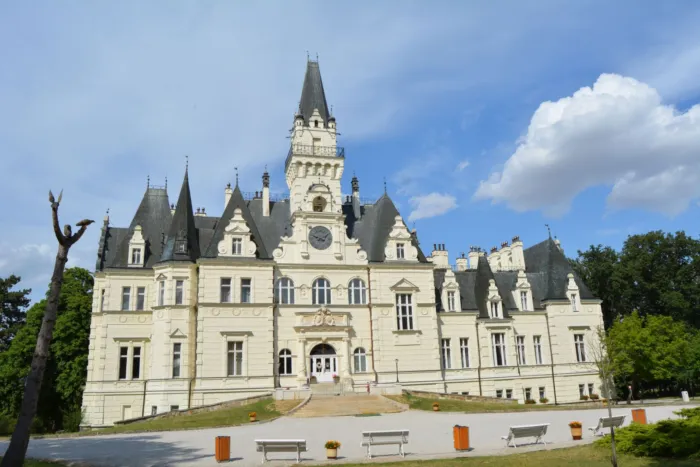
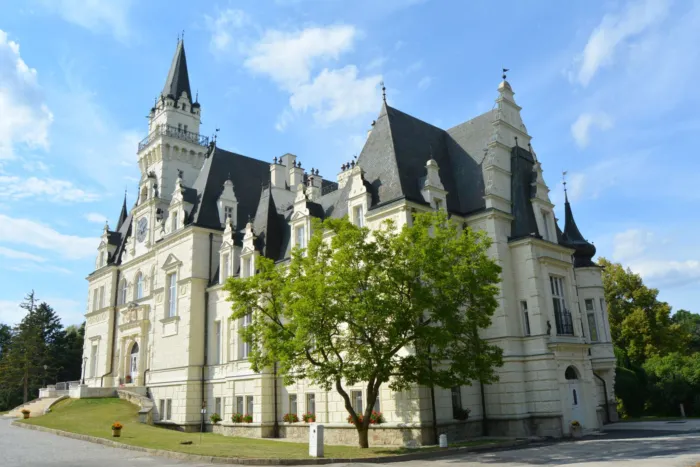
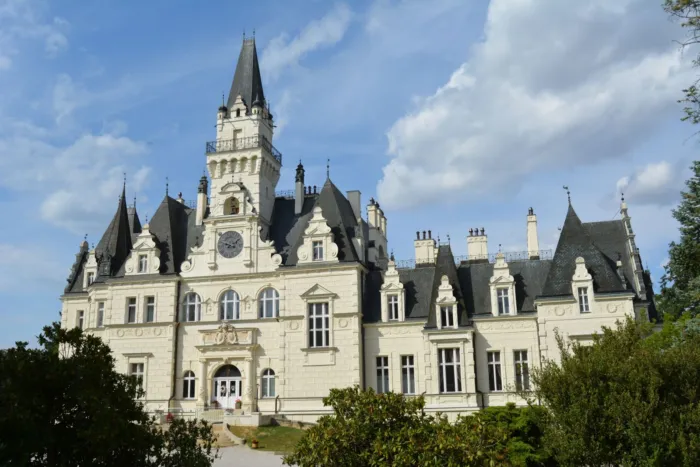
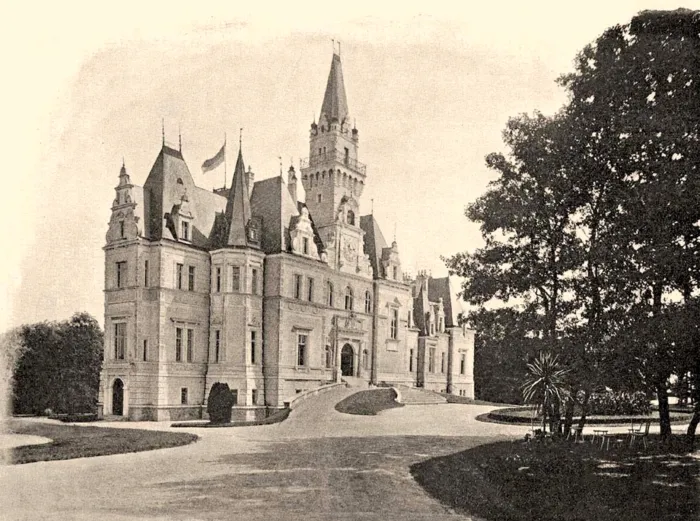
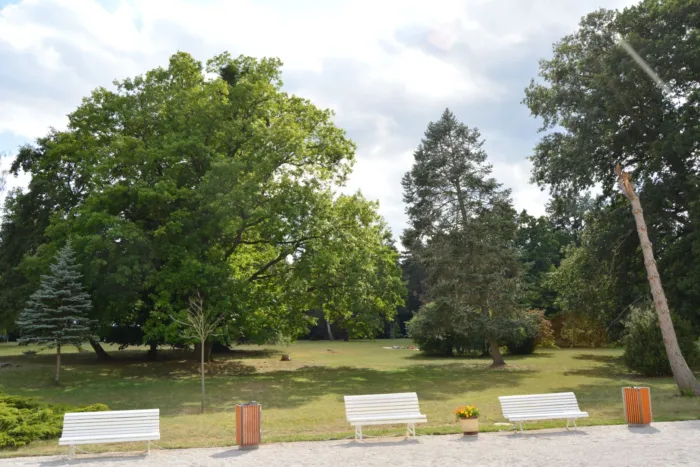
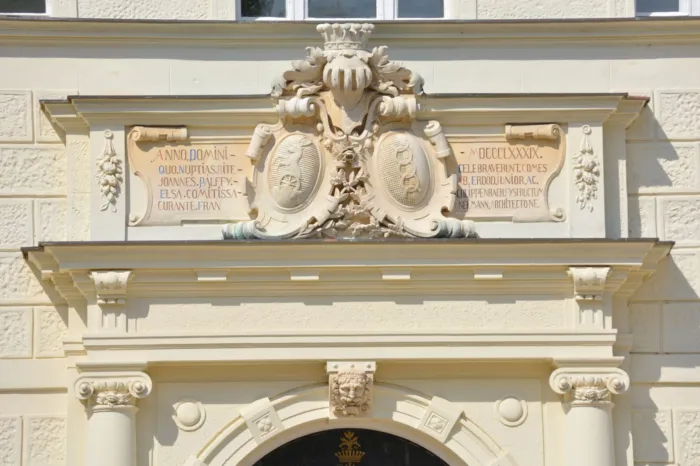
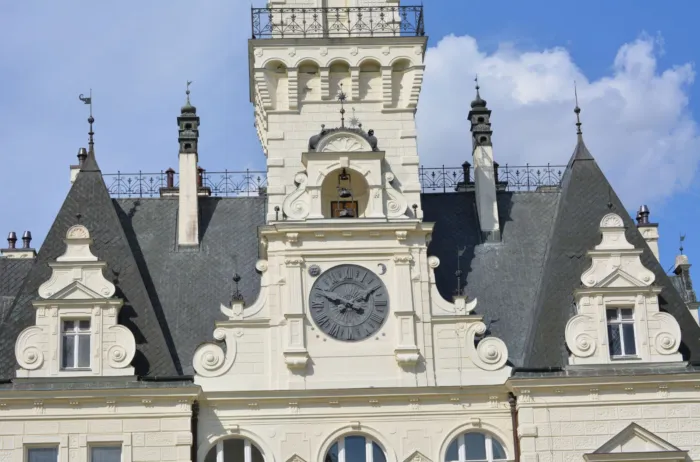
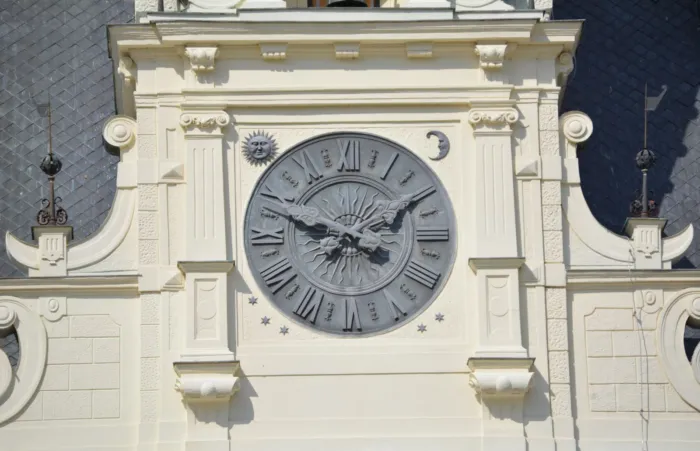
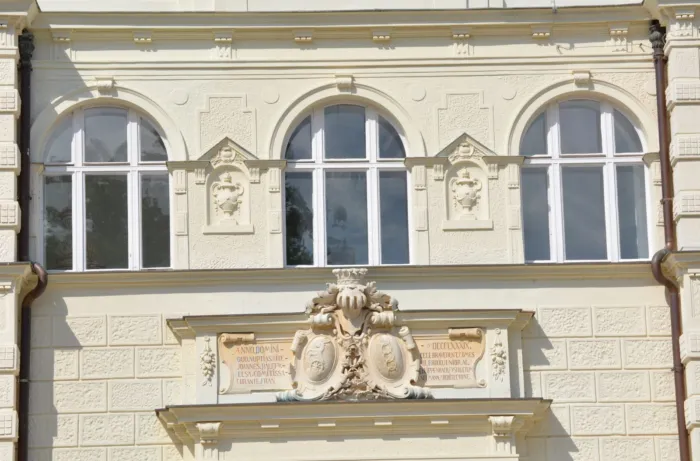
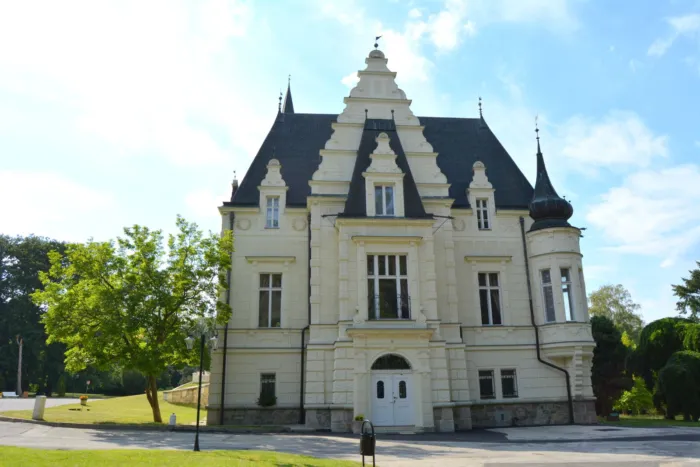
The village belonged to the lordship of Vöröskő Castle in the Middle Ages. It has been the property of the Pálffy family since the 16th century. Its inhabitants were engaged in agriculture, viticulture, and later fishing, transportation, pottery, and milling. During the Rákóczi War of Independence, they fought on the side of the emperors in the army of their lord Count János Pálffy. ; According to a popular legend about the former construction of the castle, Count János Pálffí fell in love with a French lady. In order to win the hand of this lady, he had a "French-style" castle built, but by the time the construction was completed, it was too late: the lady's hand had belonged to someone else. According to researchers, this story appears in connection with several other Pálffy castles, but according to others, the story originally originated in Gidrafa. ; The Gidrafa Castle, which stands today - undoubtedly with some French character - was built in an eclectic-romantic style by Count Ferenc János Pálffy in 1889, based on the plans of the Viennese architect Franz Neumann. The facade of the complex mass of the high-roofed castle was richly decorated with plastic ornaments, statues, and pointed attics rising above the cornice. Above its neo-baroque main gate, in addition to the coat of arms of the Pálffy family, the family coat of arms of Count Ferenc János's wife, Count Erzsébet Schlippenbach, appears. Above the gate rises the most spectacular element of the entire castle, the ornate tower. ; Its last owner was Count Pál Pálffy, who had to flee the country in 1945 (he lived in Munich). The building was confiscated and nationalized by the re-established Czechoslovak state. From 1947 to 2011, it functioned as the creative house of the Slovak Writers' Association. The building, which came under the jurisdiction of the Slovak Ministry of Culture, underwent extensive renovation in the subsequent period. ; The castle is surrounded by a large English park, which can be visited separately from the castle, which is mostly closed off.