
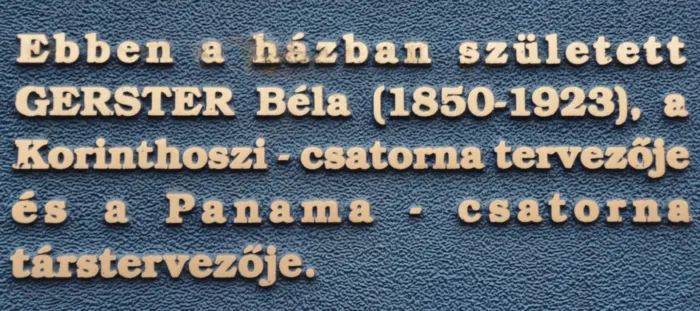
Béla Gerster's birthplace
Building, structure
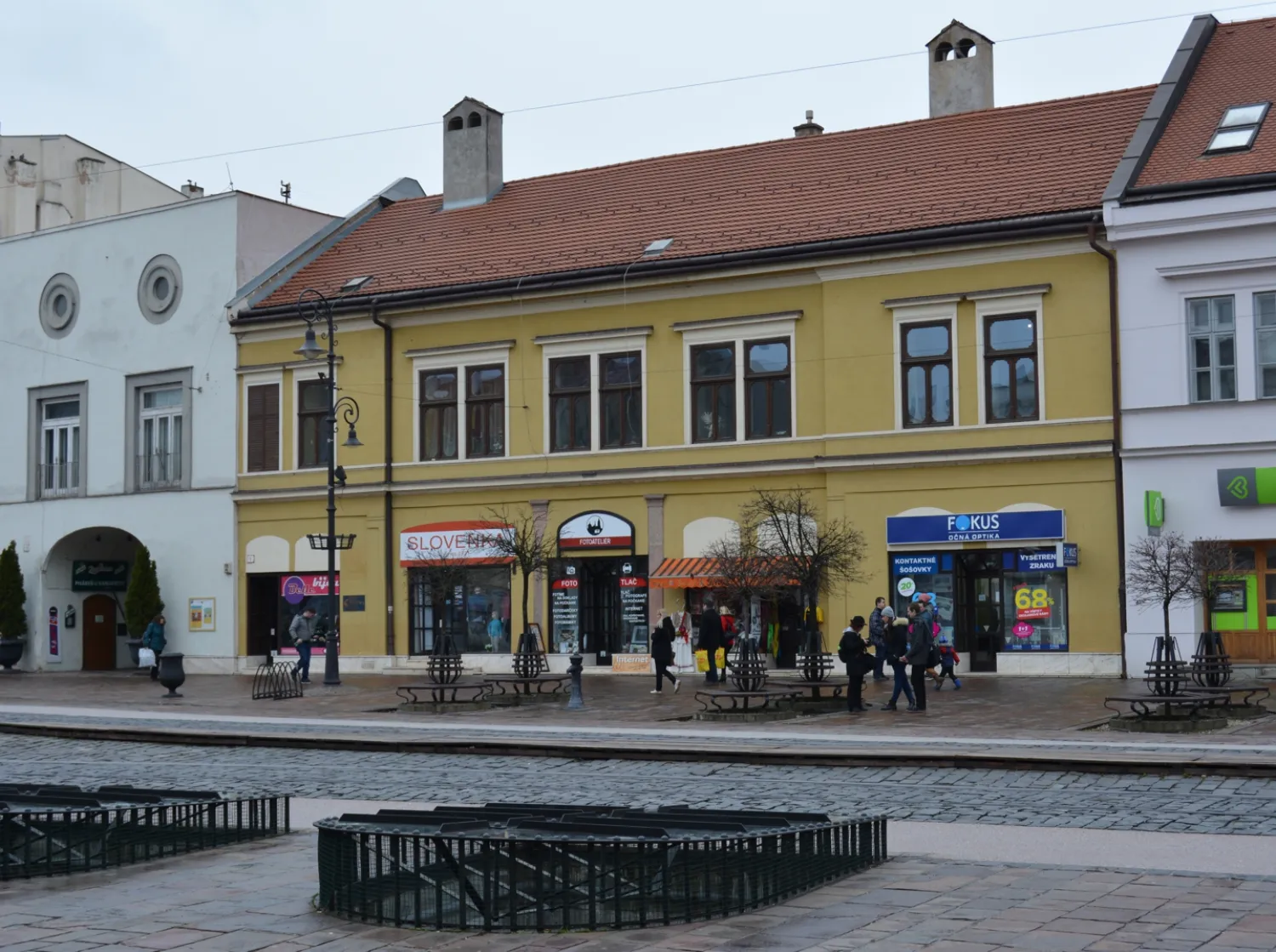
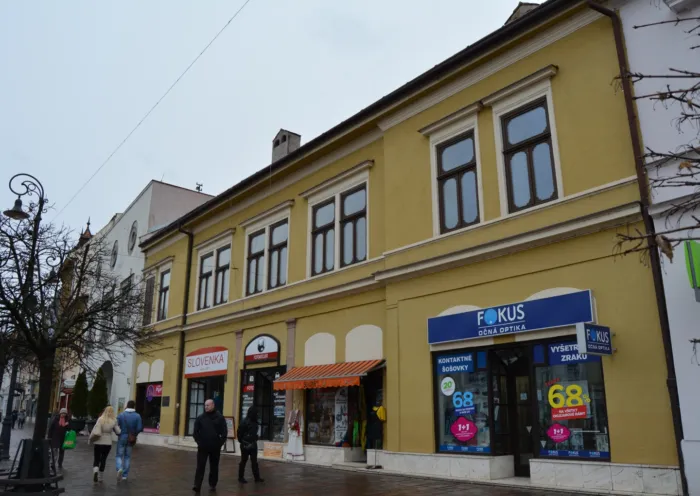
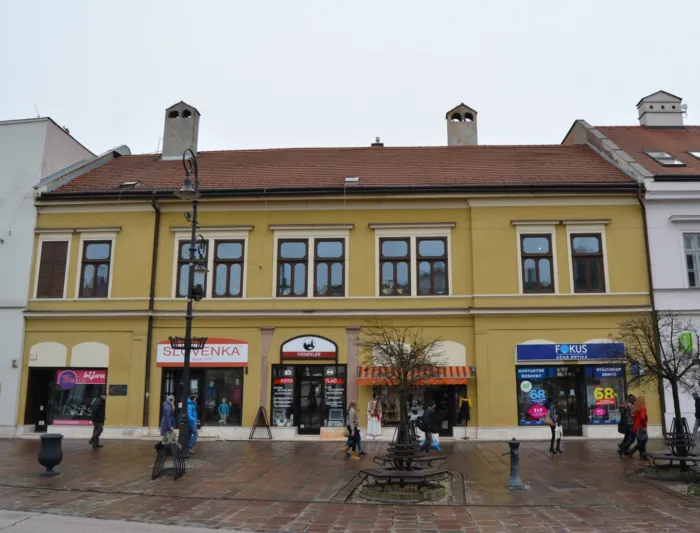
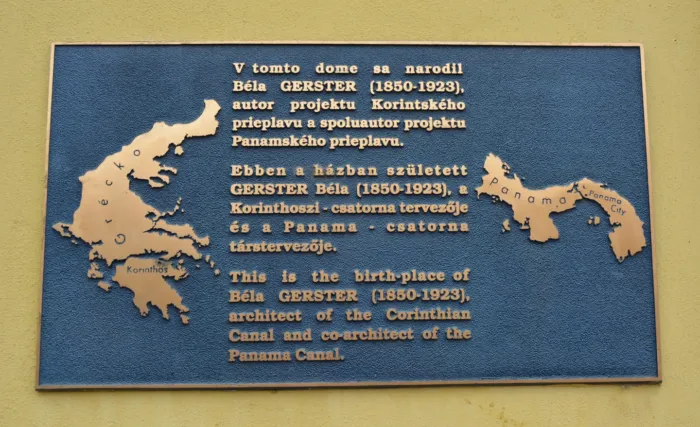
In the southern part of the main square in Košice, on the eastern side, near the junction with Harang Street, which marks the line of the medieval city wall, there is a closed row of buildings, a one-story, gable-roofed, tiled-roofed, irregular “U”-shaped building with a small courtyard. The building, which in its current state is quite featureless and presents a turn-of-the-century appearance, was obviously built earlier, perhaps in the Baroque era. On the ground floor there are shops opening onto the street, and on the upper floor and in the courtyard wings there are apartments. The outstanding feature of the building is that Béla Gerster (October 20, 1850 – Budapest, August 3, 1923), an engineer, was born in this house, who – commissioned by István Türr, the hero of 1848-49 – was the designer of the Corinth Canal. He also worked as a co-designer of the Panama Canal. He deservedly gained world fame with these two engineering works. ; Béla Gerster completed his primary and secondary schooling in his hometown of Košice, and then obtained an engineering degree from the Vienna University of Technology. He prepared the study plan for the Corinth Canal on behalf of István Türr. With this plan, they won the banks in Venice to contribute the 30 million francs needed for the construction. ; Shortly after István Türr obtained permission from the Greek government to cut the isthmus, Béla Gerster, as the chief engineer of the canal construction company, began cutting through the 80-meter-high ridge with four thousand construction workers in 1882. During the construction work, 11 million cubic meters of earth and rock were extracted, 1,200 tons of gunpowder and 450 tons of dynamite were used. The length of the canal is 6,345 meters, the width of its base is 25 meters, and the depth of the water is 8.5 meters. ; During the works, two ports were built, as well as a bridge for the Peloponnese railway. The completed work was solemnly inaugurated on 6 August 1893 by King George I of Greece and his wife, Queen Olga, in the presence of Emperor Franz Joseph of Austria and King of Hungary, and the artificial waterway was put into service on 28 October 1893. ; The planning and construction of the Corinth Canal was undoubtedly a great feat, as this task had excited humanity since ancient times. In the 4th century BC, Demetrius Poliorcetes also wanted to cross the isthmus. Later, Emperor Nero wanted to achieve the same with prisoners of war and slaves obtained in the Judean campaign, but he did not succeed, nor did Emperor Hadrian, nor even the wealthy Herod Atticus. The gods wanted this task to be solved by the engineer from Košice, Béla Gerster. ; A memorial plaque in three languages refers to Gerster on the street facade of the building.