
Gács Castle
Building, structure
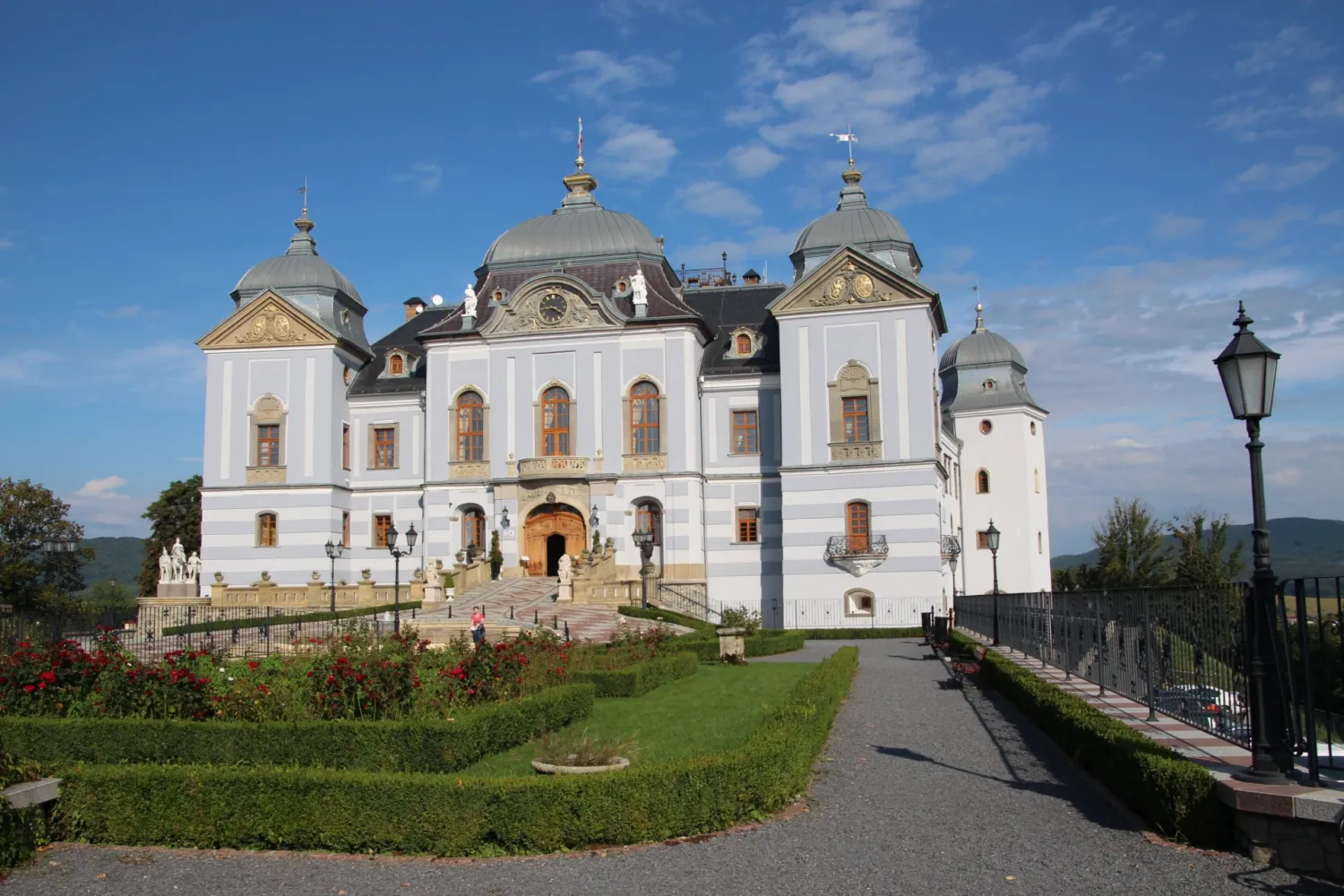
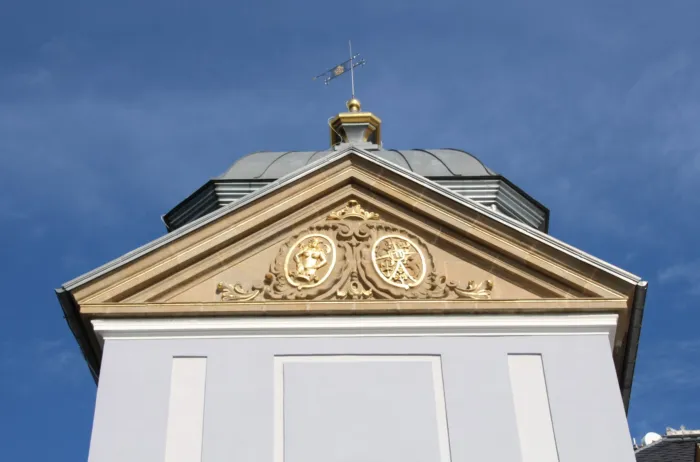
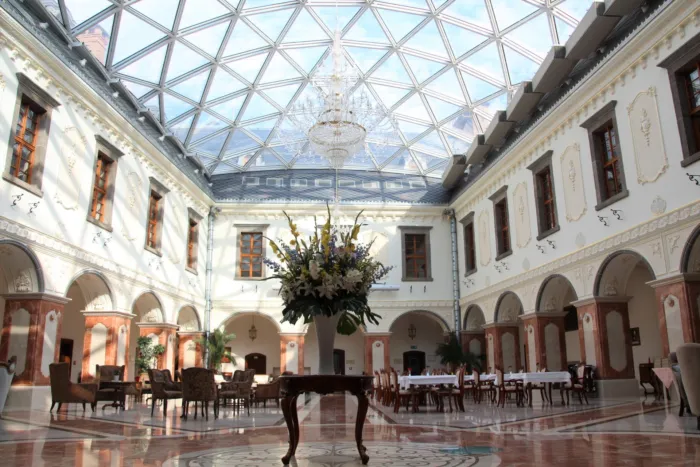
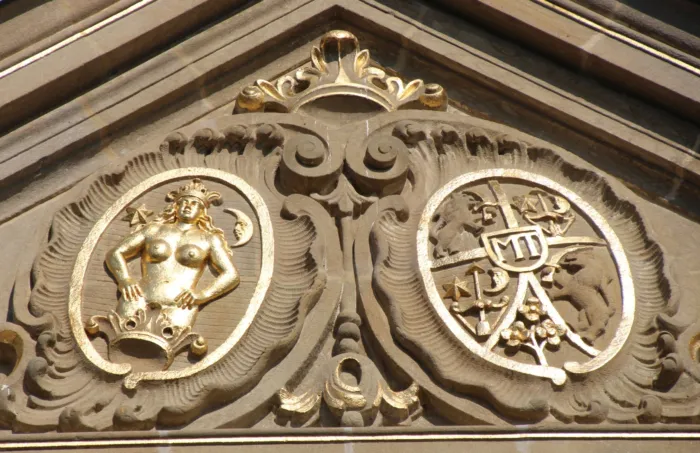
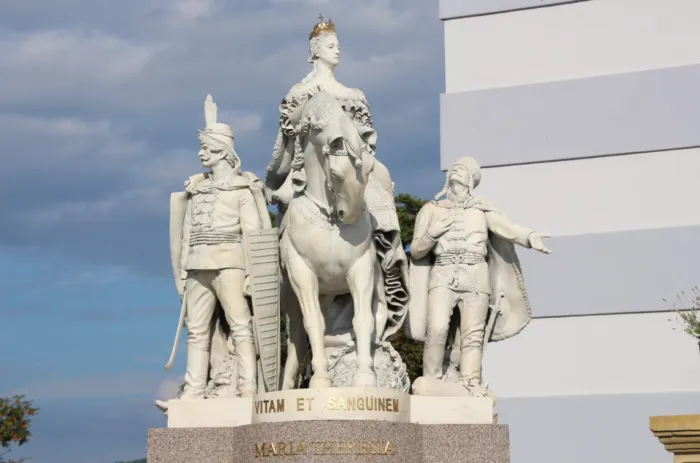
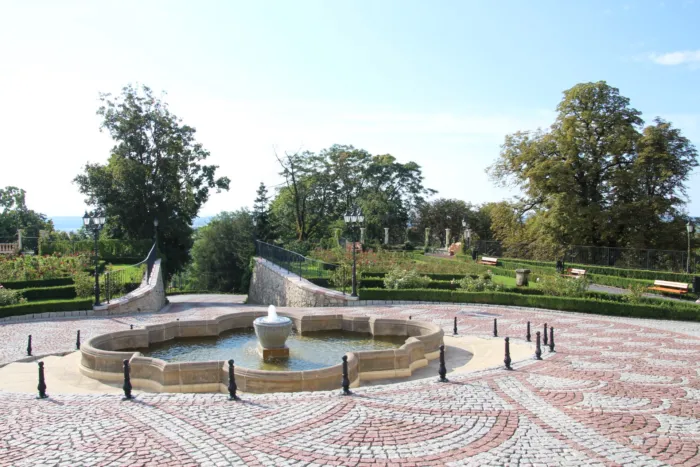
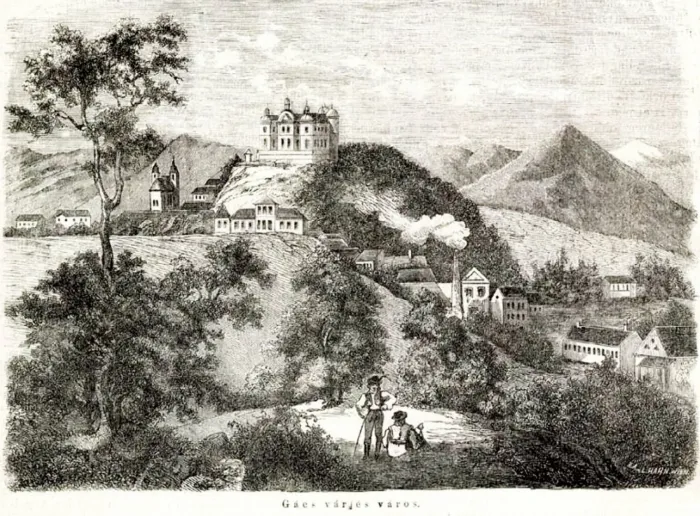
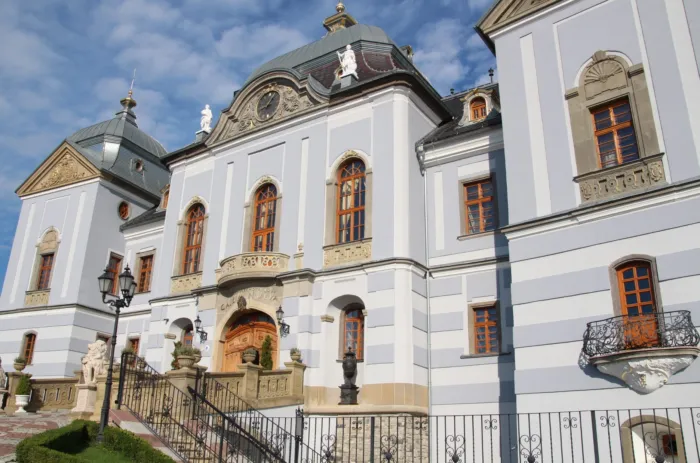
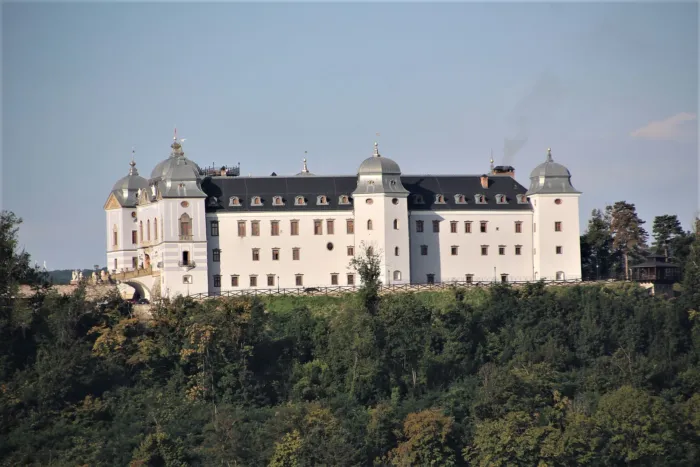
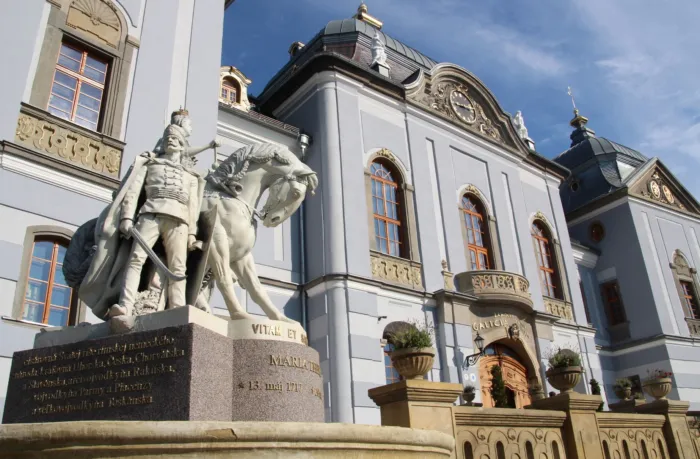
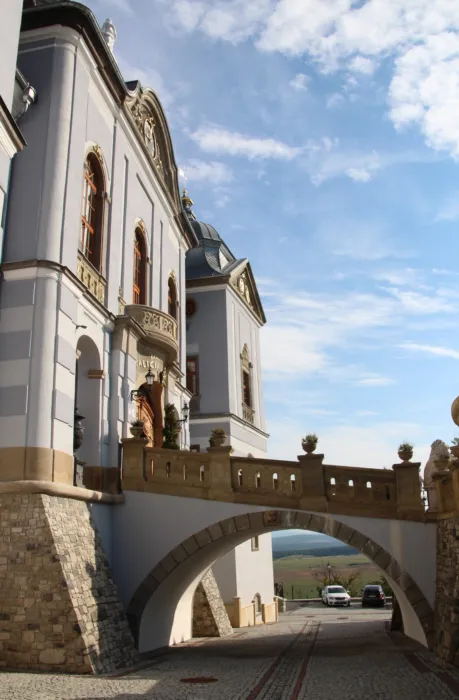
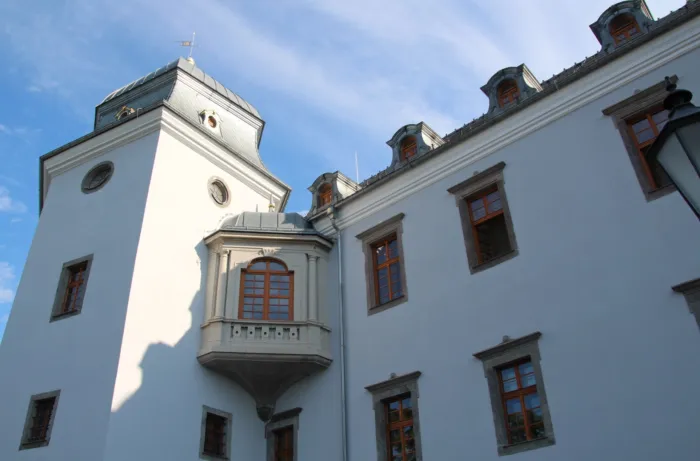
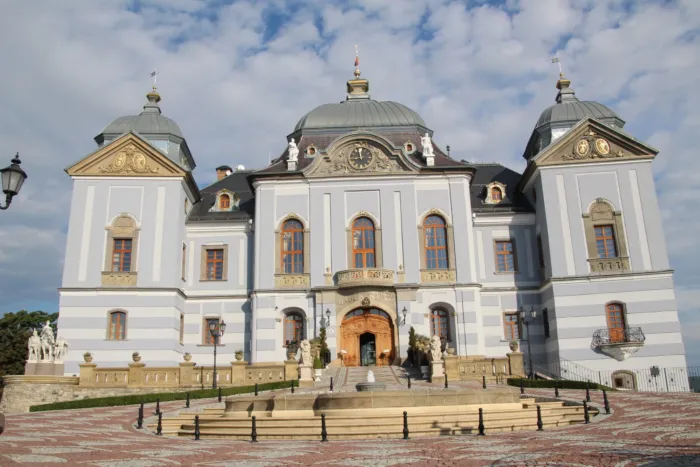
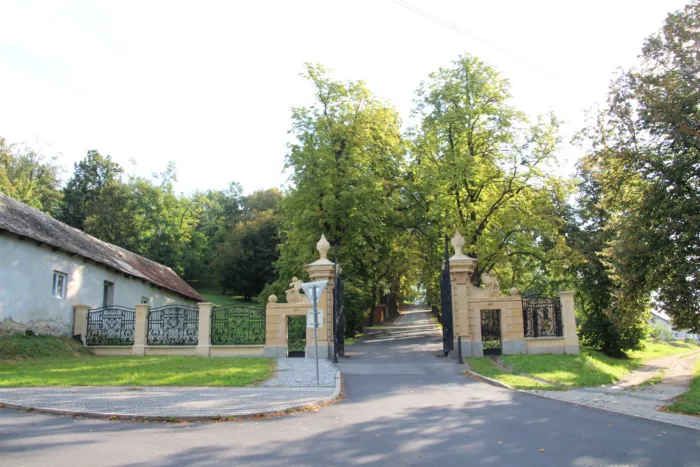
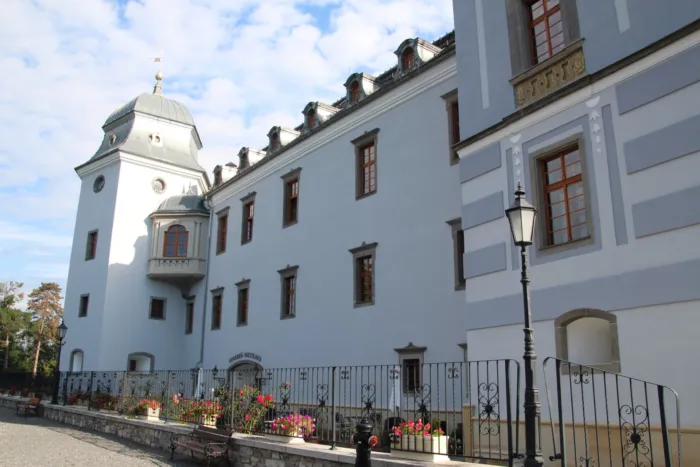
The most famous attraction of Gács. Its history is connected to that of the church in Gács, as the castle of the Tomaj clan stood on this hilltop at the beginning of the 14th century. In 1386, Queen Mary gave permission to her court knight, István (IV.) son of István (III.) Losonci, to rebuild the castle, which had been burned down by the followers of Máté Csák. In 1450, Gács became the Nógrád center of the Czech mercenary leader Giskra. ; After the expulsion of the Hussites, the castle was destroyed, then rebuilt in the 16th century. Since this was done without royal permission, the parliament had it destroyed, so it had no role in the Ottoman times. István Losonczi, the chieftain of Nógrád and Temes, was killed by the Turks in 1552, and his property – including three castle estates in Nógrád (Szécsény, Somoskő, Gács) – was inherited by his daughter, Anna Losonczi (1553–1595), the hopeless love of Bálint Balassi. Anna Losonczi married Zsigmond Forgách, who had considerable wealth and estates. After her early death, all her property became the property of her husband and family. ; This was the beginning of the 350-year period of splendor of the Forgách family of Ghymes and Gács in Gács. The castle was rebuilt in 1612 by Count Zsigmond Forgách, the lord of Nógrád, Sáros and Szabolcs counties (his wife was Katalin Pálffy of Erdődi) from the ruins, as evidenced by the red marble tablet still visible today inside the castle. ; The Renaissance castle with an elongated hexagonal ground plan and corner bastions played an important role during the wars of independence of Imre Thököly and then Ferenc II Rákóczi. In 1703, the nobles of Nógrád moved in here, but after initial resistance, they surrendered the castle to Rákóczi's kurucas. In 1705, Pál Ráday (1677–1733), the notary of Nógrád county, the prince's secretary and diplomat, held his wedding here. In 1709, a French captain named Bonefuss handed the castle over to the imperial military. ; In the 1760s, Count János XIII opened a new chapter in the history of Gács, on the one hand with the founding of the famous cloth manufactory, and on the other hand with the Baroque reconstruction of the fortress-like castle. One of the designers of the works was András Mayerhofer, the designer of the castles of Gödöllő and Pécel, and the Grassalkovich Palace in Bratislava. The main entrance was emphasized by a three-axis central projection with a dome-covered balcony, decorated with pilasters and reliefs. ; Stone lions guarded both sides of the bridge leading to the gate. The two lateral corner bastions of the main facade also received a Baroque surface design, and in the upper part of each tympanum the relief coats of arms of the Forgách of Ghymes and Gács, and the Grassalkovich family of Gyaryk were placed. The three tall windows behind the ornate balcony on the facade illuminated the first-floor stately hall, to which a three-flight ornamental staircase leads from the doorway. All the decorative elements of Baroque splendor, stuccos and frescoes can still be found in the largest hall of the castle today. ; The allegorical, mythological wall paintings decorating the vaulted ceiling and partly the side walls (“Victory of Aurora”, Allegory of the Four Seasons) are the works of Franz Joseph Wiedom (1703–1782). The vertical wall surfaces are divided by illusory architecture, pilasters, niches and waterfalls. The castle chapel was located in the southwest corner of the building. ; The building was looted on June 10, during the Soviet Republic of 1919. In 1935, the castle became the property of the last male member of the Gác branch of the family, Antal Forgách (1915–1977). It was also looted at the beginning of World War II, and in 1944 the 8th German Army Command was based there. ; In 1957, a Museum of Homeland Studies was established here. It was renovated between 1956 and 1964, during which valuable Renaissance columns were discovered in one of the rooms on the first floor. After the museum was moved, a social institution for mentally retarded people opened in it from 1965, and operated until 1990, when the institution was moved to Losonc. ; From 1993, the castle became abandoned and stood empty for years. Its then owner, the Bánya County Government, offered it for sale through advertisements. After several years of waiting, it was purchased by IMET Rt. from Košice in 2005. The company renovated the building with high standards. It opened to the public in 2016. The building complex, now called Galicia Nueva, offers luxury suites, a restaurant, a café, a bar, a wine bar, a smoking lounge, and a wellness center. ; In 2018, a scaled-down copy of János Fadrusz's equestrian statue of Maria Theresa, made in 1897, was erected in front of the left corner of the building. The three-figure statue group once stood on the Danube bank in Bratislava, on Coronation Hill, until 1921, when it was smashed to pieces by Slovak nationalist vandals. Maria Theresa did not visit Gács, but Count János Forgách, who had the castle rebuilt in the Baroque style in the 1760s, had access to the Viennese court. This is presumably what led the current owners of the castle to place the statue of the queen. ; ; The castle park ; ; The park, which is an integral part of the area belonging to the castle, is approximately 13 ha in size and is bordered by the castle hill to the south, the Tugári stream bed to the north, the route originally leading from Gács to Tamásfalvá and Divény to the east, meadows to the west, and the main road leading to Ógács. The hill below the castle was planted with valuable trees in the 1820s–30s in order to prevent its natural erosion. The second period of planting was completed in the 1870s–80s. At that time, the area was landscaped (especially the western side), and a row of horse chestnut trees was planted along the road leading to the castle. The wooded park was gradually transformed into a French-style park, to which open areas suitable for sports were added. Baroque, allegorical reliefs were also placed on its territory, in addition to its promenades. The pergola built during the 19th century was destroyed in the 1940s. In the middle, a lake suitable for boating and swimming was created, which received its water from an artificial canal branching off from the Tugár stream. The water level of the lake and the outflowing water could and can be regulated by a dam structure in its northeastern corner. Near this was the part of the grove called the “paradise garden”, where exotic plants were grown in heated greenhouses. Members of the Forgách family used the park and the lake for relaxation and sports. ; According to the recollections of local residents, Csontváry himself spent a lot of time in the park, enjoying a dip in the lake water. ; The park, which has been renovated today, has its old/new promenades and cozy resting areas with benches. The lake was cleaned and fish were also introduced there.