
Fülek Jewish Cemetery
Cemeteries, tombstones, grave sites
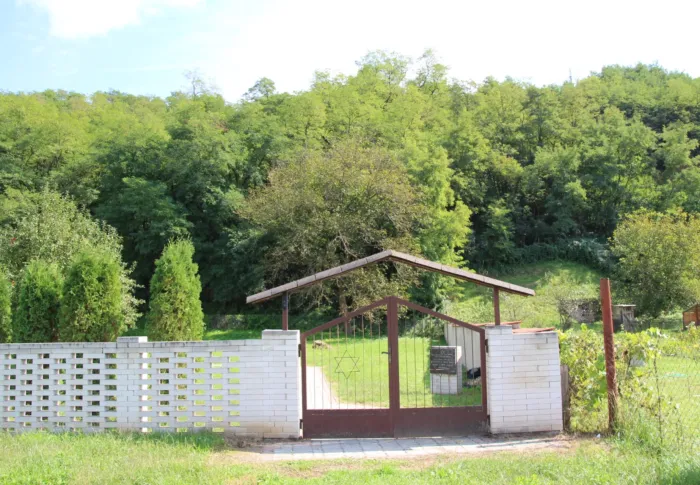
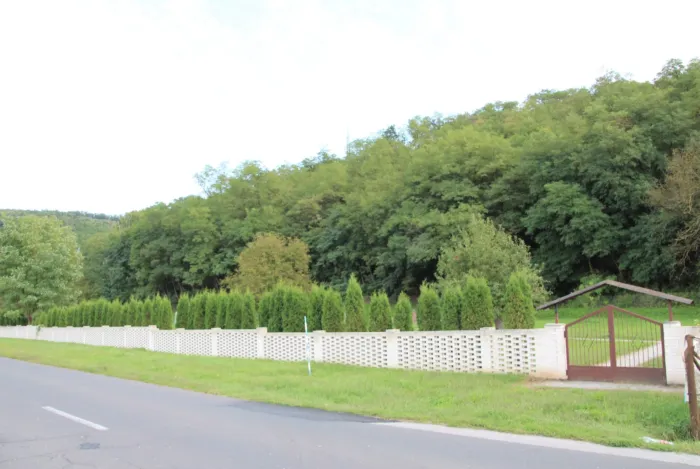
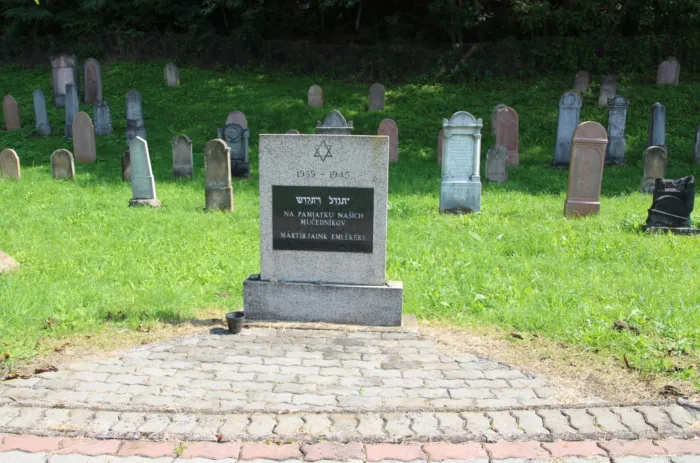
Only scattered data have survived about the Jews of Fülek from the Middle Ages, according to which they were engaged in trade. ; The Jewish community in Fülek - the Chevra Kadischa Holy Society - was founded in 1820. Among the original residents were such characteristic names as: Lázár, Kohn, Büchler, Lemberger, Kaufmann, Fischer, Mintz and Boger. The Orthodox Jewish church registry was kept from 1867, data on the number of Jews in Fülek from the previous era can be obtained from the Losonc registry books. According to the surviving data, in 1861 there were 75 Jews living in Fülek, in 1887 there were 165, in 1900 there were one hundred and seventy-five. From 1938, the settlement of Jews in the city was prohibited. In 1944 they were taken to the Losonc ghetto and from there they were deported to concentration camps. Very few of them survived the Holocaust. ; The synagogue - built in 1873-74 according to the plans of Adolf Áron Büchler - no longer exists. ; In 2013, a memorial column was erected and unveiled on the site of the former synagogue with the financial support of the Lőwy family living in Sydney, Australia, in memory of the lost Jewish community of Fülek. ; In 1820, the Jews of Fülek received permission to establish a Jewish cemetery on Sávolyi Street. The cemetery is located on the outskirts of the city, on the border of the residential area. A few years ago, the cemetery was renovated - also with the financial support of the Lőwy family living in Australia - and a stone-paved road leads from the entrance to the graves. The graves are arranged in chronological order. ; The cemetery is currently not in use. The graves from different periods can be distinguished by their shape and material. They have Hebrew inscriptions. The first tombstones currently visible probably date from the second half of the 19th century. These early tombstones are simpler than the ones that follow them (younger), their upper part is usually semicircular or tympanic. A separate group is formed by the classicist carved and tympanic-closed tombstones, which were probably made at the end of the 19th century. The third largest group of tombstones, which are visibly separate from the others, are the tombstones from the 20th century. They were made in a style similar to an obelisk. Their inscriptions and symbol systems follow the traditions. The figures (drawings) carved into the tombstones are messages, which are part of the Jewish signs, informing about the deceased. There are no natural figurative signs on the tombstones. However, in some places we can observe typical symbols - a jug, a willow tree. ; From the point of view of the motifs and shapes, the Fülek Jewish cemetery can be classified among the Jewish cemeteries in northern Hungary.