
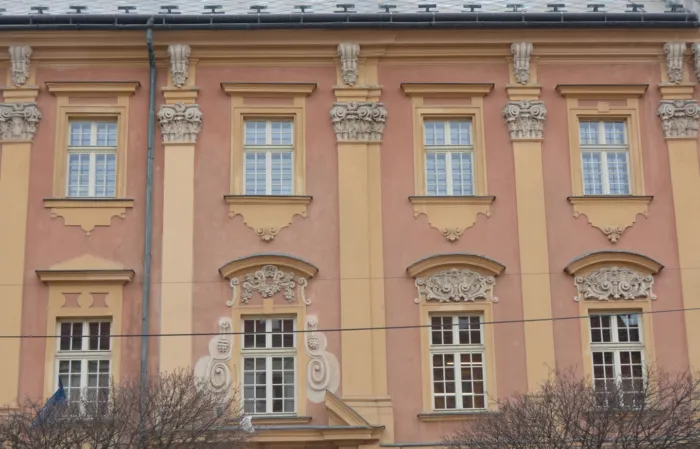
House of Captains-in-Chief
Building, structure
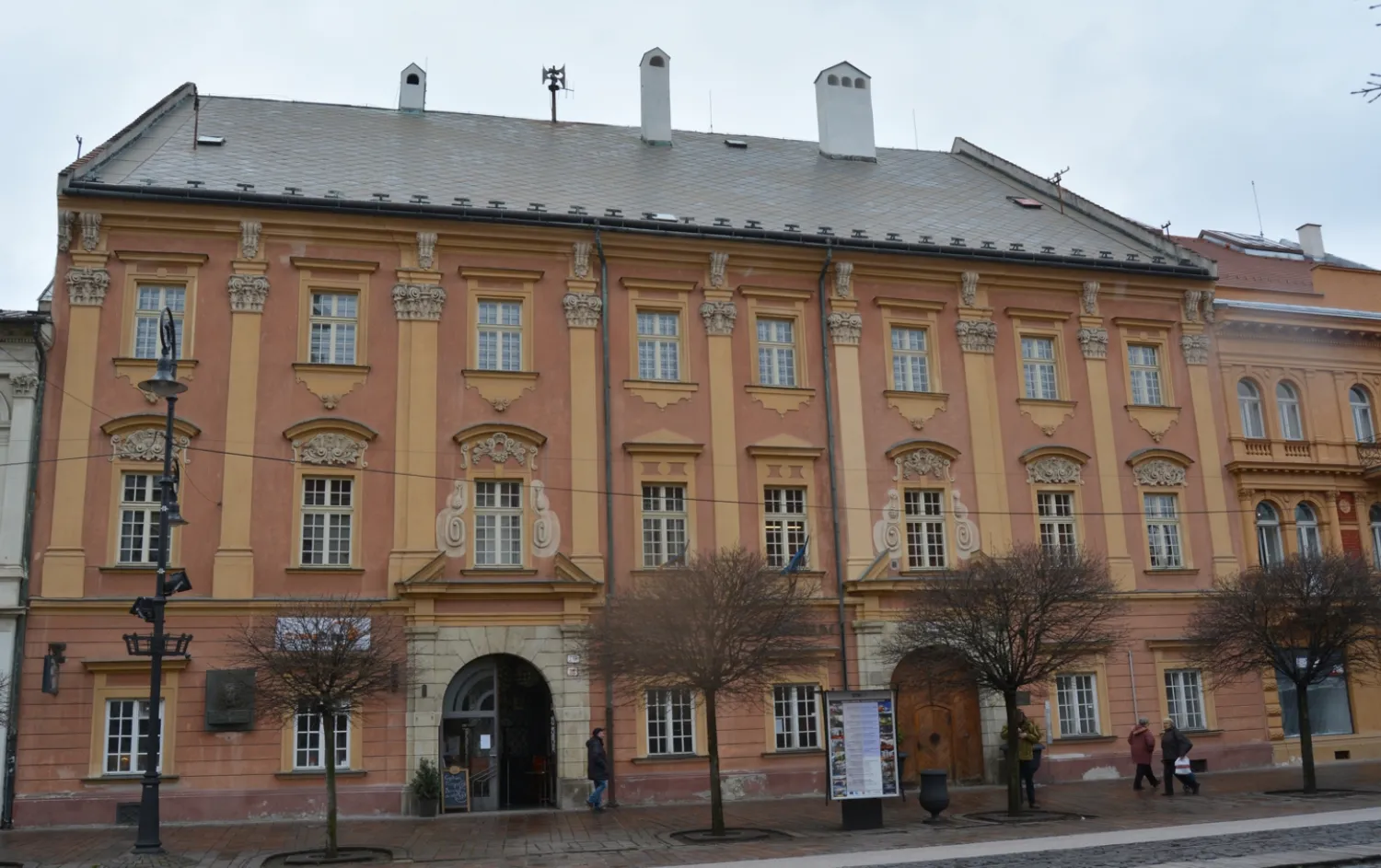
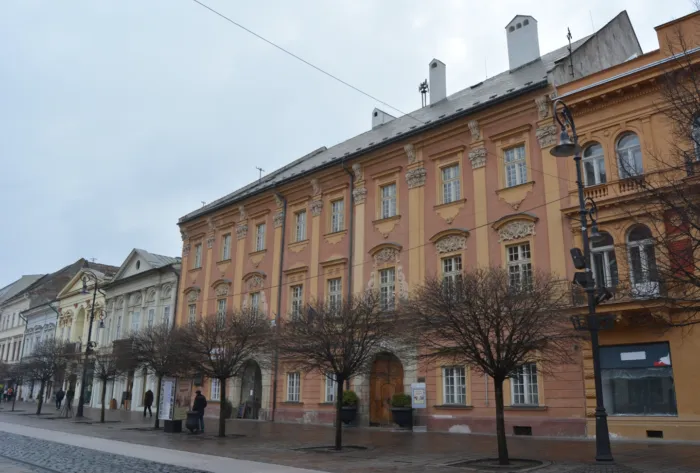
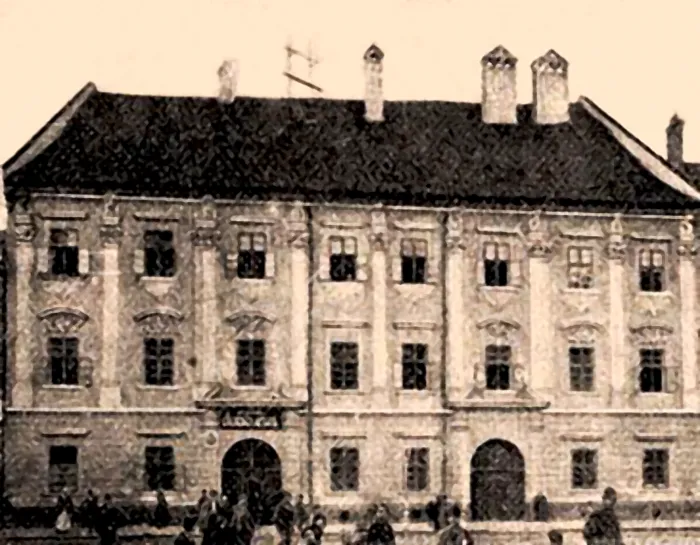
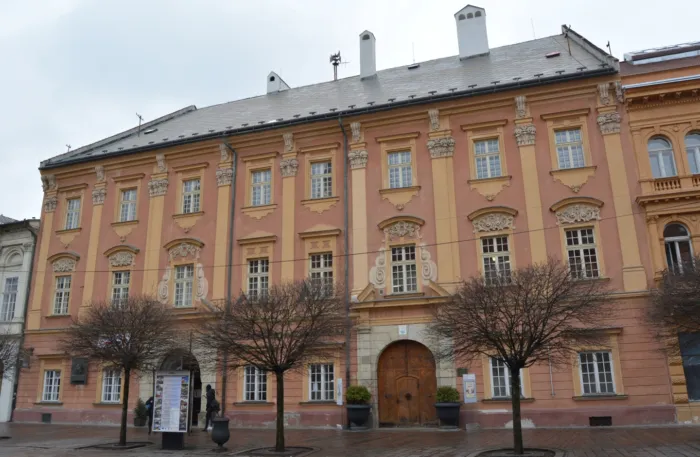
One of the public buildings of outstanding cultural and historical value on the main street of Košice of medieval origin may have previously been four stone Gothic town houses, which gradually merged: Our first data on it come from the 16th century. We know of a mint operating here in the 1620s. It is indicative of the character of a representative accommodation and residence that the Captains-General of Upper Hungary resided here for a long time, in the Rueber-type house, one of the predecessors of the building (hence the name of the building), but several princes stayed there, such as Imre Thököly and Ferenc II Rákóczi, who spent Christmas of 1706 and 1707 here, as well as Easter of 1708. His accommodation was in the house of the royal captains-general, which was then owned by the kuruc field marshal Antal Esterházy. It acquired its current, 2-storey, asymmetrical, Baroque form in the 18th century. In 1870 it was converted into a military barracks. In the field above the large Baroque fireplace on the upper floor, an ornate inscription commemorates the ownership of the Bornemisza family. ; The Hungarian technical museum, which dates back to the early 19th century, was occupied for decades with a constant lack of space in Budapest and the ordeal of searching for a worthy museum building. When part of the Uplands returned to Hungary in 1938, Košice became the focus of the search for a location. The material from the then significant capital collection, loaded into 13 covered railway wagons, each weighing 15 tons, was transported to Košice, where, after a few years of fruitless waiting and organizing, the Technical Museum finally opened in 1943. After the Tiszavirág-life, in the autumn of 1944, when the city fell into Soviet and then Czechoslovak hands, the museum closed and ceased to exist, but its collection – most certainly – remained in place. ; The rich and spectacular collection operating in this building today only dates back to 1947, and has had its current name - Slovenské technické múzeum - since 1983. For the most interesting part of the exhibition presenting the most significant industrial fields of the past of the region, dealing with mining, an underground exhibition and presentation section was built under the building. But important parts deal with metallurgy, foundry and the craft of ornamental blacksmithing as well as the world of chemistry, physics and electrical engineering. A statue of the ironworker Alajos Stróbl can be seen in the gate.