
The cultural heritage of Árpád Feszty
Cultural heritage
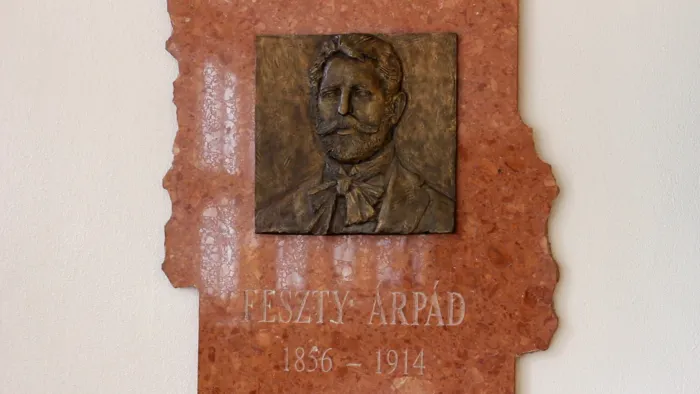
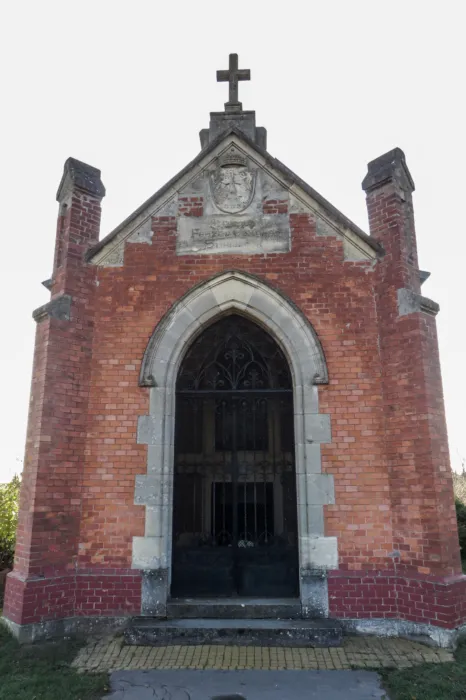
On December 21, 1856, Árpád Feszty, the later world-famous Hungarian painter, was born in a small three-room house as the fifth child of Szilveszter Rehrenbeck (later Feszty) and Jozefa Linzmayer. Szilveszter Feszty had a larger inn built on Ógyalla Fő Street in the middle of the 19th century. He bought the Baroque-style Szluha Castle, built at the beginning of the 18th century, in 1861. Árpád also grew up here. ; In one of Árpád Feszty's very first paintings, made around 1875 – currently in the Danube Riverside Museum in Komárom – he immortalized Antal Ehrenfeld's castle (Csúzy Castle, later Sümegh). ; Árpád Feszty's favorite painting motif was a former Baroque stone bridge over the Ibolyás stream, and he immortalized it on many occasions. His earliest painting depicting this can be found in the Danube River Museum in Komárom. ; Árpád Feszty used the small farmhouse in the Kingyes swampland when he wanted to hide from the hustle and bustle of the capital. He created many paintings here, including some of the sketches for the panorama of the Arrival of the Magyars. ; The painter is buried in the crypt of the Feszty family in Ógyalla. The Hungarian-language school in Ógyalla has borne his name since September 1, 2006. The relief depicting the eponymous painter, made by Rozália Darázs, can be found in one of the school's pavilions and in the tomb. The institution considers it important to preserve traditions, so for example, Feszty Week is organized every December.