
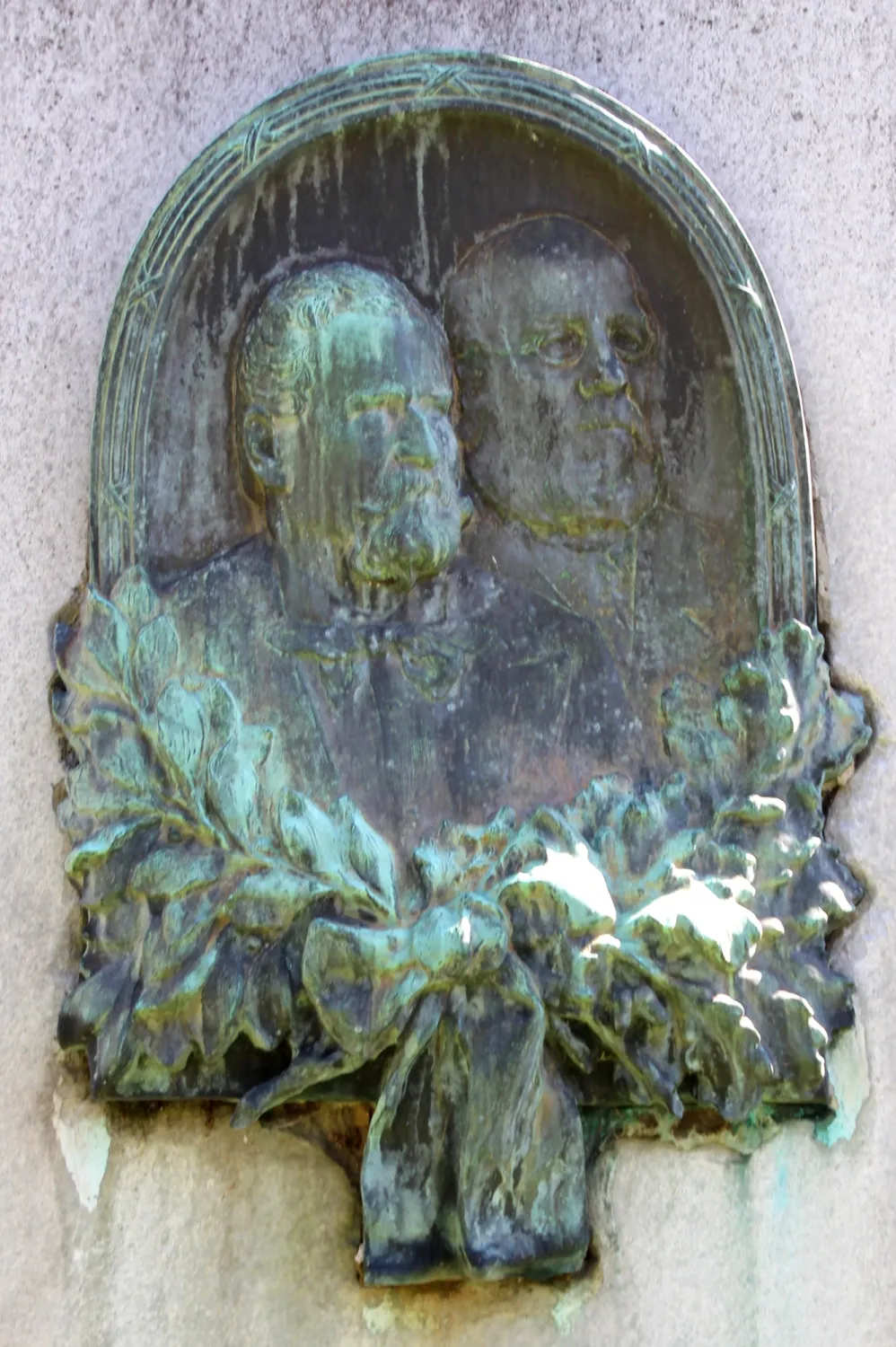
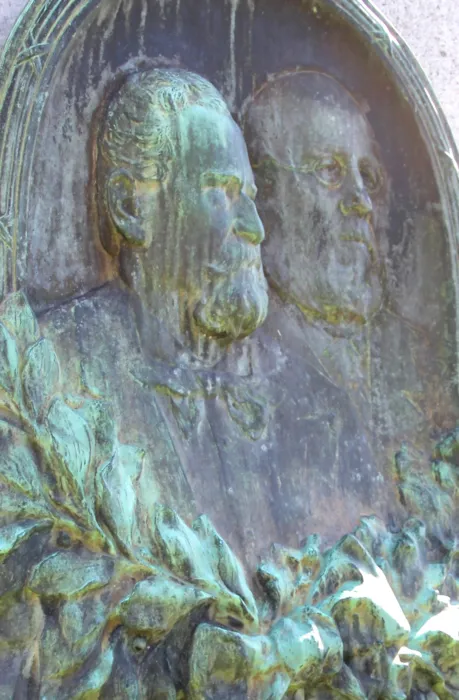
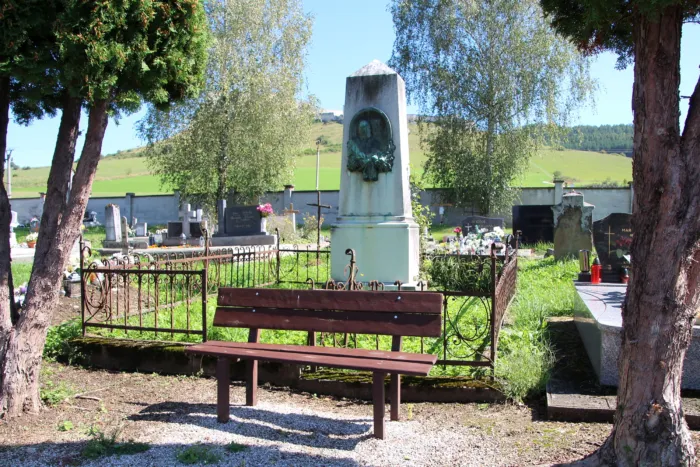
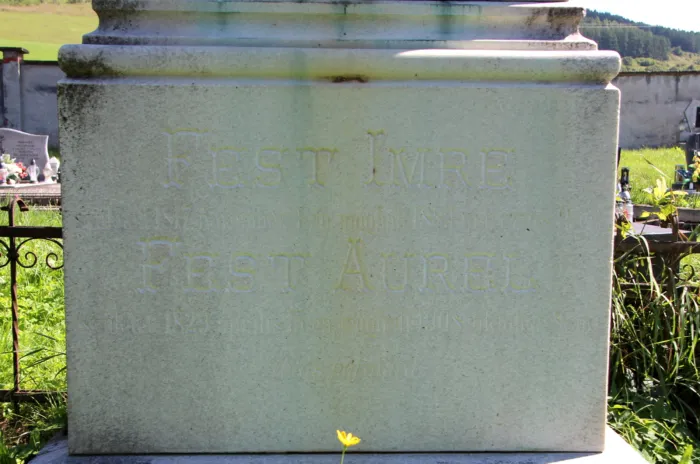
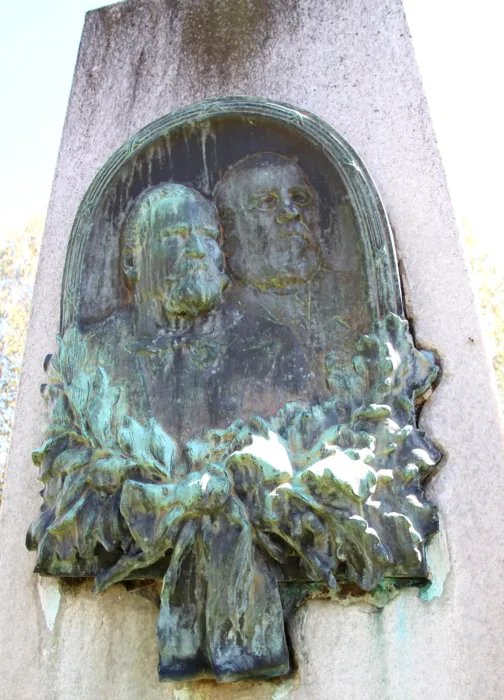
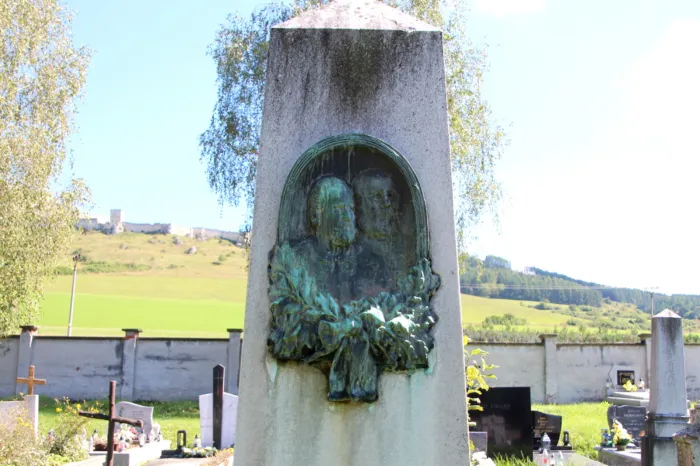
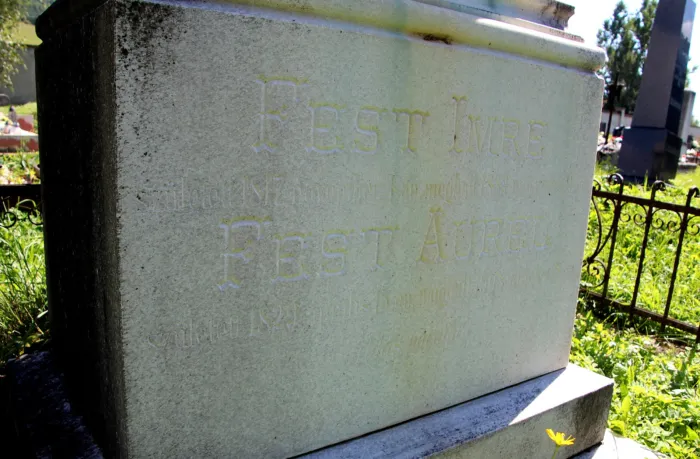
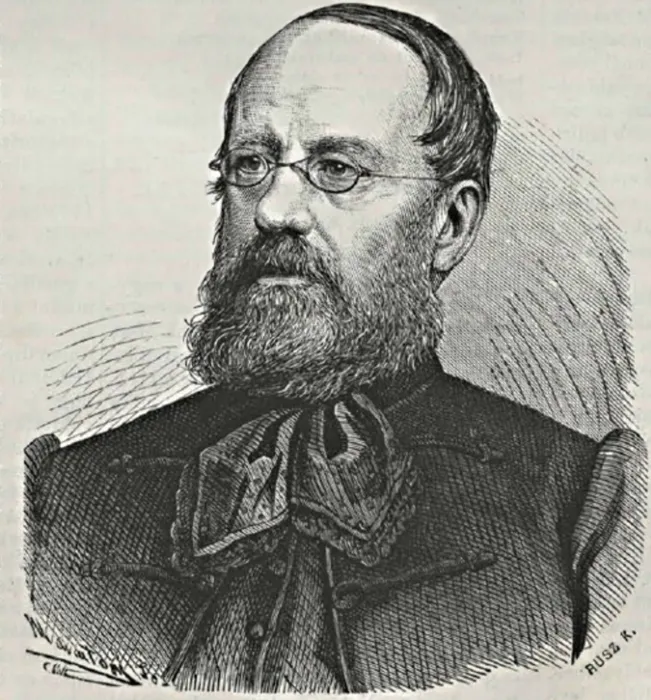
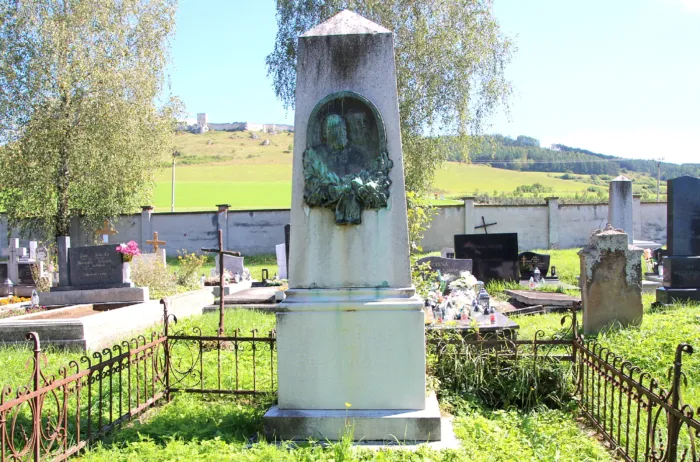
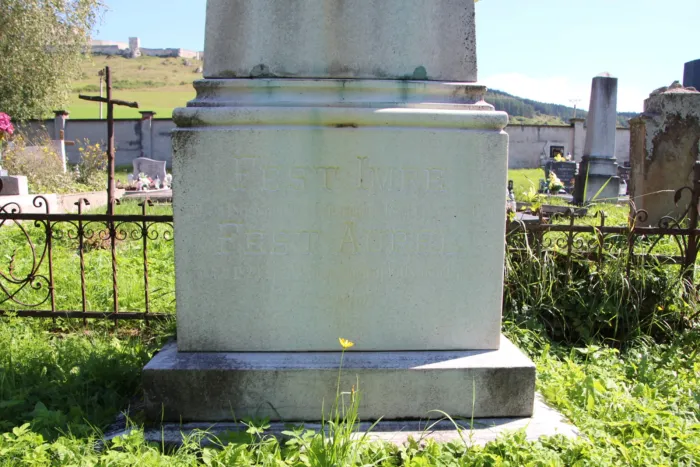
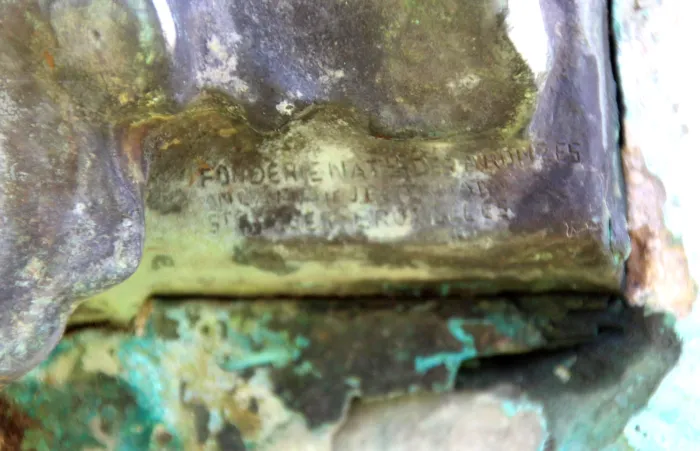
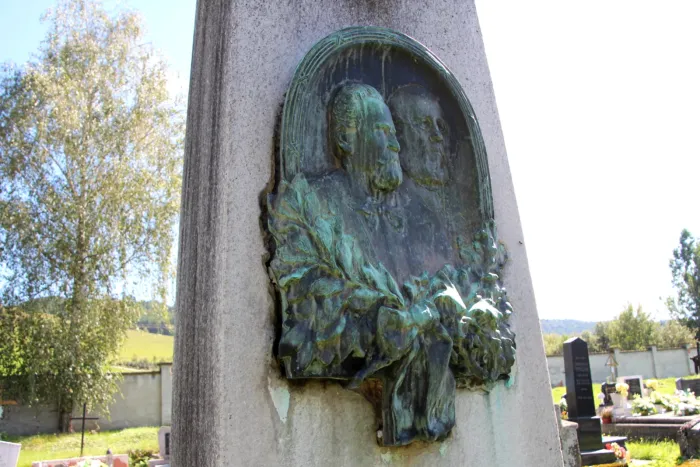
Resting place of Imre Fest, politician, economist, and poet
Cemeteries, tombstones, grave sites
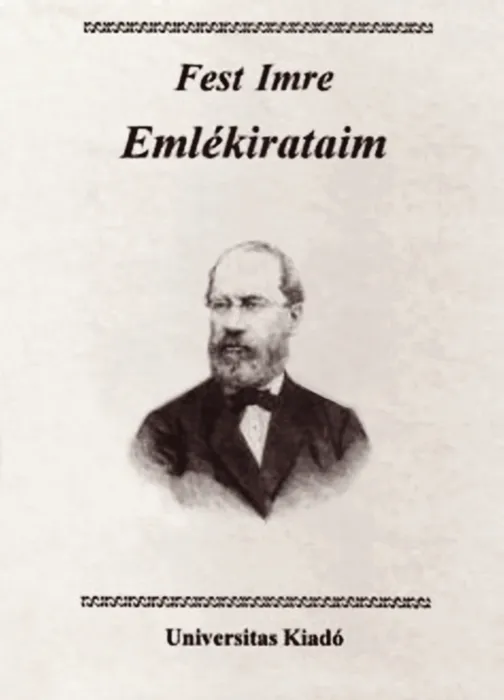
Imre Fest (Szepesváralja, November 3, 1817 – Budapest, March 11, 1883) was a politician, economist, Hungarian vice-governor of the Austro-Hungarian Bank, a Middle Crusader of the Austrian Leopold Order, and a poet. ; He attended school in Késmárk, Miskolc, and Prešov, studied law in Debrecen and Pest, and obtained his law degree in 1839. Returning to Szepesváralja, he sought authority in the mining industry instead of practicing law. In 1840, he became a notary of the Upper Hungarian mining bourgeoisie association and, as a delegate of this body, participated in the drafting of the new mining law at the Bratislava National Assembly of 1843–1844. From 1846, he began to participate in ironworks companies and was also the representative of the industrial association in Szepes. In 1848, he actively participated in the political revival and in public administration in both Szepes County and the 16 Szepes city districts. In 1849, when political life ceased, he returned to his former field of activity. Until 1861, he devoted all his strength and all his work to promoting the mining, especially the iron industry. In 1861, he was elected the first vice-governor of Szepes County, but with the establishment of the provisional government, he also returned to private life and, in addition, became a promoter of the idea of the Košice–Oderberg Railway. ; In 1863, he moved his residence to Pest, and here too he worked to promote financial, especially railway, interests. It was thanks to this activity that he was elected as a representative of the Szepes-Göllnitz electoral district at the national assembly convened on December 10, 1865. During the Diet, he continued to uphold the principles of Ferenc Deák and took an active part in the committee negotiations. Outside the Diet, he mainly worked on the establishment of the national industrial association, the organization of which he owes largely to his work, since he was also the director of this institute. When the compromise negotiations with Austria began, he took an excellent part in them and played a particularly important role in establishing the Austro-Hungarian trade and customs treaty. Minister István Gorove invited him to be his state secretary in the Ministry of Trade, and with his thorough professional skills he represented it ably in the many important negotiations that were taking place at that time. ; When the former national bank was transformed into the Austro-Hungarian Bank on September 20, 1878, on November 29, Franz Joseph I appointed him one of the deputy governors of this bank. By virtue of this position, he was chairman of the Budapest board of directors of the bank and at the same time a member of the central general council. ; Works: ; Five years of operation of the Hungarian Royal Ministry of Agriculture, Industry and Trade (1867–72.) Pest, 1872. ; Gedichte. Bpest, 1884. ; He translated all of Petőfi's smaller poems into German, which, however, (apart from a few scattered works) remained in manuscript. ; Before the War of Independence, he also worked as a newspaper writer, as a correspondent and editorial writer, mostly in the field of industrial interests in the Pesti Hírlap and the Hetilap (1845. Mercury in Hungary), then in the Pesti Napló, Pester Lloyd, in Magyarország és érdekei (1865. First step in the field of material reforms) and in the Vienna papers. Several of his poems were published under a pseudonym or with the ABC letter in the German papers of the Highlands, including only a few days before his death in the Zipser Bote.