
Franciscan Church and Monastery
Building, structure
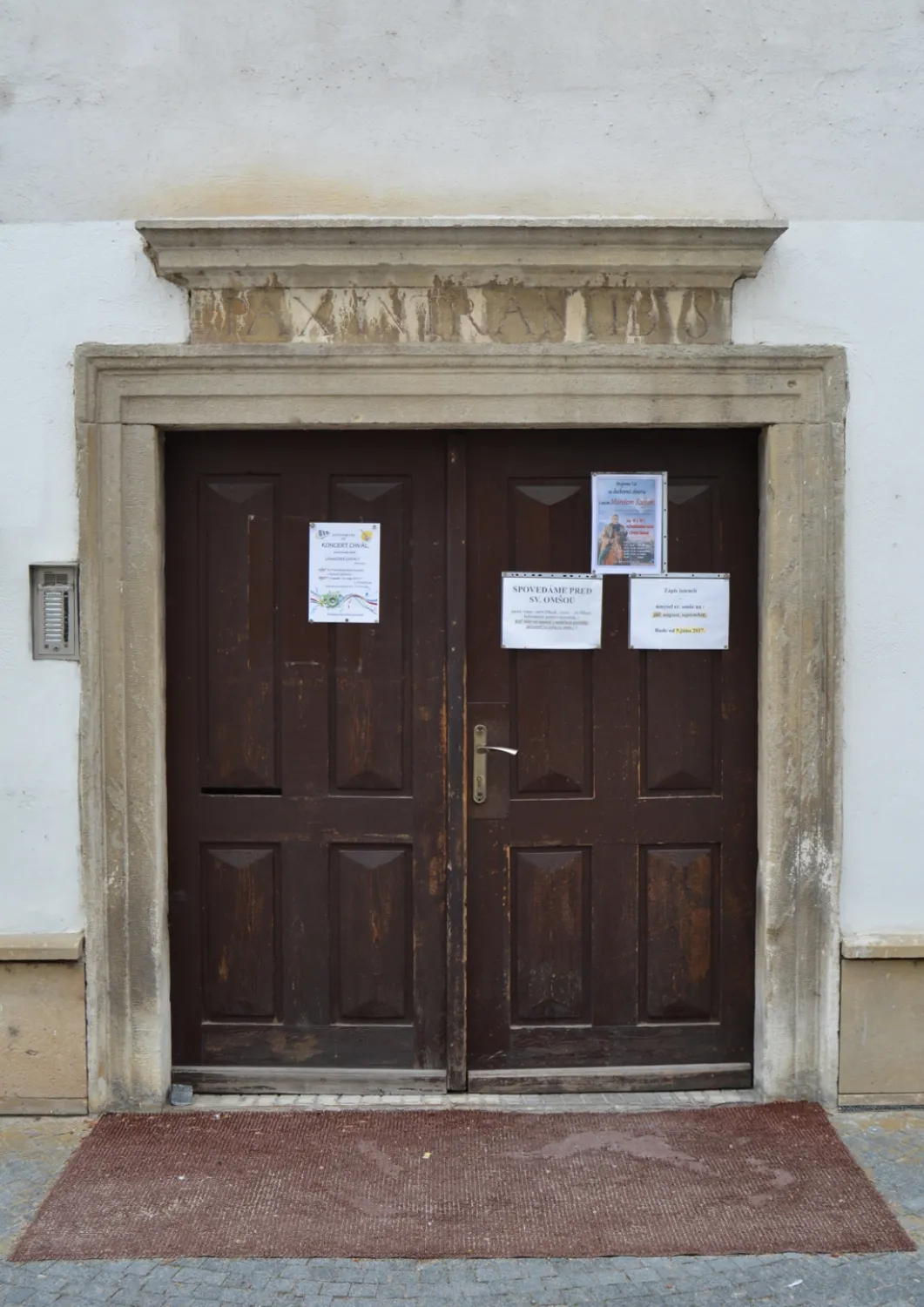
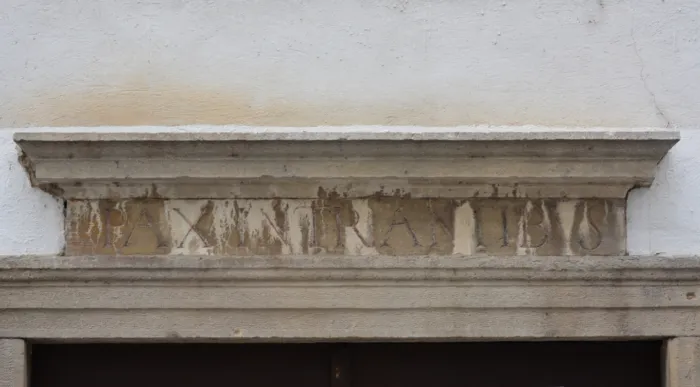
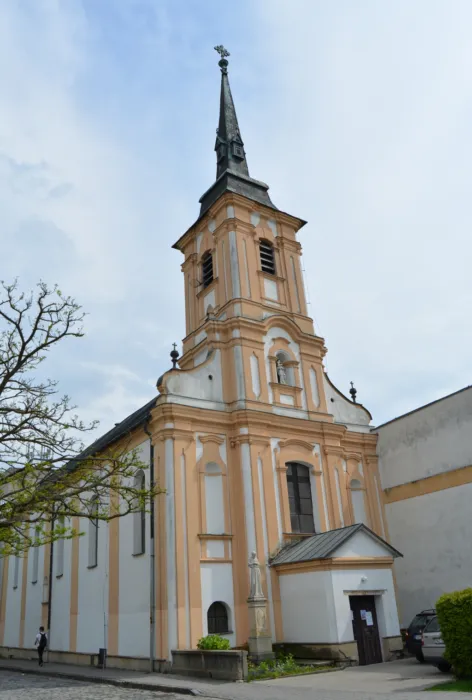
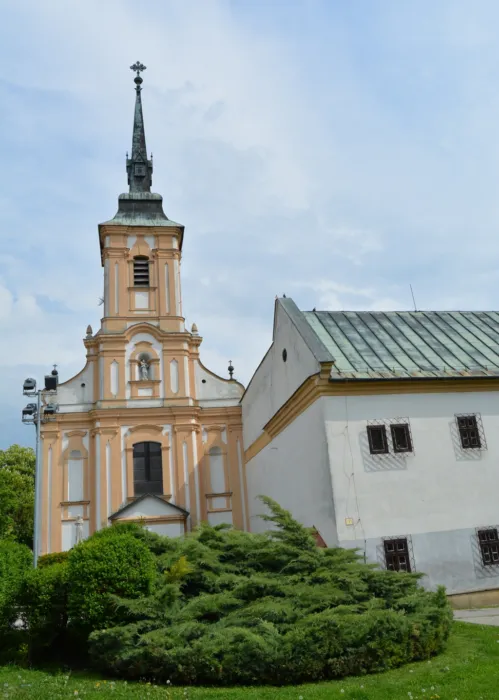
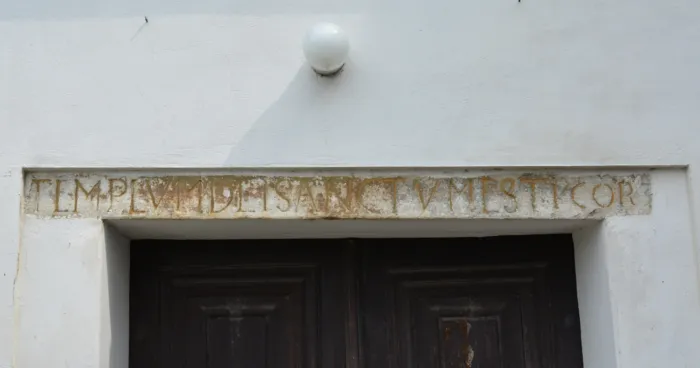
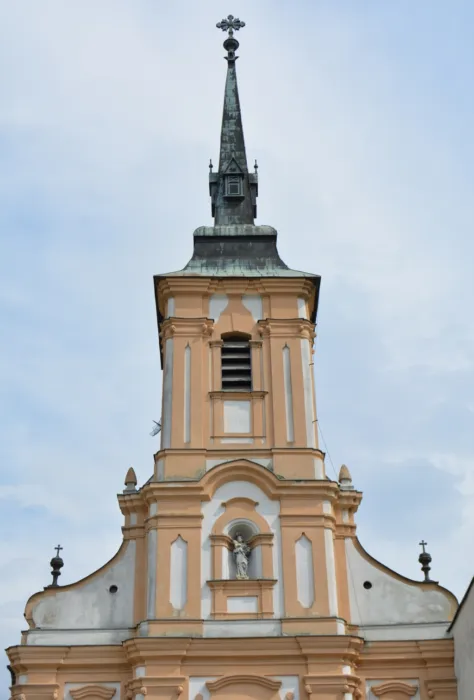
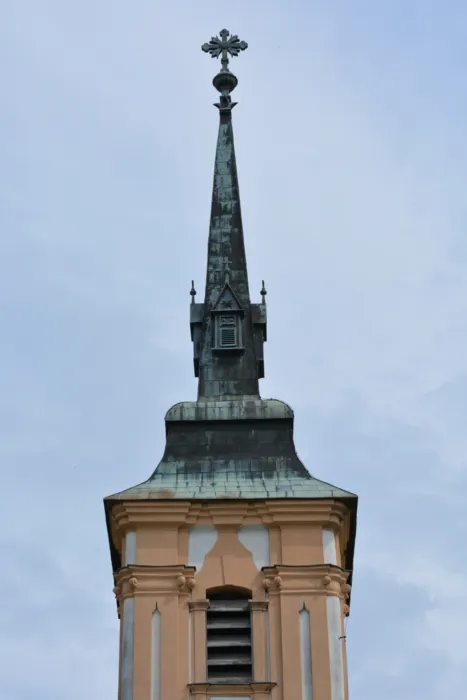
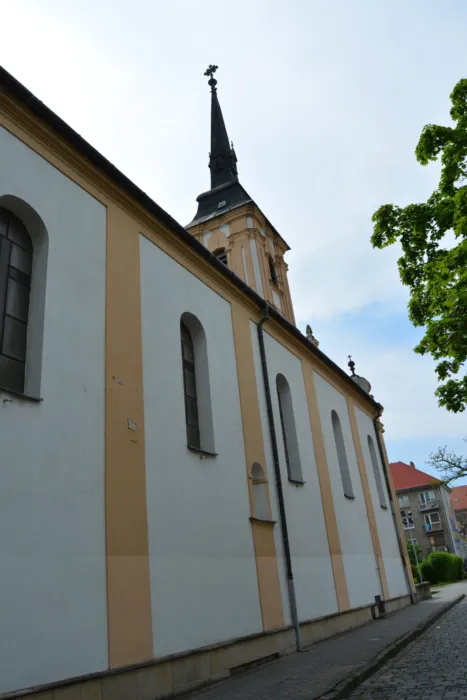
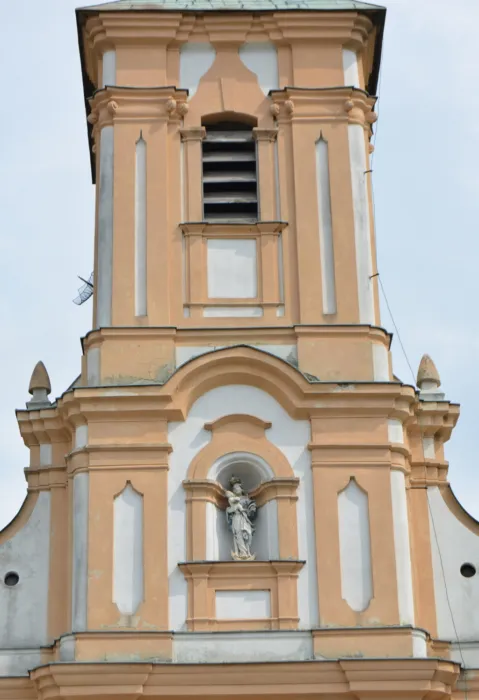
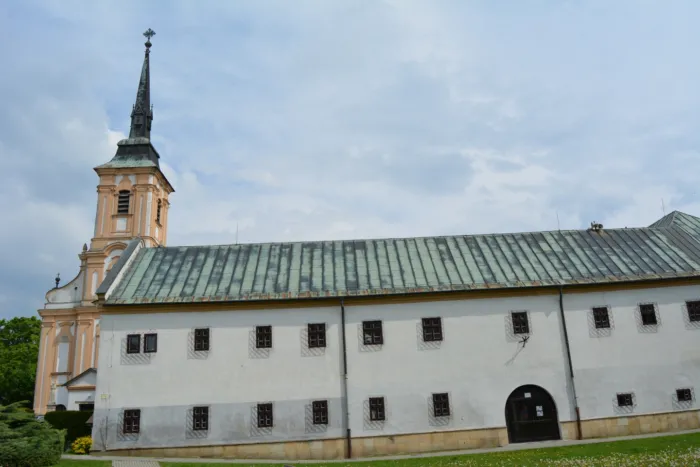
The Franciscan church and monastery were built between 1626 and 1631. Above its entrance we can still read: PAX INTRANTIBUS, meaning peace to the one who enters. The Franciscan greeting PAX ET BONUM, blessing and peace, is reflected in this inscription. Even today, they welcome all well-intentioned visitors. The church was consecrated by Péter Pázmány on May 24, 1631. It was probably just a low church with a shingle roof. Similarly, the monastery was much smaller than it is today. From 1663, Turkish officers lived in the monastery, and the church was used as a warehouse. The church tower was also converted into a minaret here. After 1685, the church and monastery were renovated and consecrated by Péter Sorman, the general of the Franciscans in Milan. During the Rákóczi War of Independence, Bercsényi lived in the monastery, which is confirmed by the commemorative plaque on the outer wall of the monastery at the height of the first floor. ; Bercsényi expanded the monastery in the original style. At the end of the 19th century, another renovation was carried out on the building according to the plans of the architect Bálinth. The monastery library contained several Hungarian language monuments, the Czech Codex, the Érsekújvári Codex, the Thewrewk (Turkish) Codex, and the so-called Piry-hártya. With the permission of King Ferdinand, a junior high school was founded on October 2, 1842, whose teachers were the monks for a long time. According to tradition, the school's motto was formulated by Mihály Vörösmarty himself: "From the sacrifice of the common good-loving bourgeoisie, I stand for the better education of youth" ; In the 20th century, wars seriously damaged the monastery several times. The Baroque decoration and the former Baroque inscriptions were the victims of this, all of which were lost. In 1950, the Franciscans were expelled from the monastery, the equipment was removed and destroyed, and the ancient library was confiscated. The complete renovation and archaeological excavation of the monastery began in 1978. ; During the archaeological work, the original gate was found, which served for carriages to drive into the courtyard, as well as the crypt under the church, in which the city authorities and the monastery residents were buried. ; The deceased from these graves were taken to the crypt in the St. Joseph Cemetery, or were buried on Calvary Hill. The corridors and the rectangular courtyard, the quadrum, were also renovated. There are cellar passages under the monastery, which are probably also connected to the castle's tunnel system. The monastery also housed a museum for a while, but the entire building has now been returned to the ownership of the Franciscan friars. In 2005, a "sheltered workplace" was established in part of the monastery building, providing shelter for the mentally and physically disabled, which is rehabilitating nearly 20 young people with the spiritual help of the Franciscans. Four memorial plaques can be seen on the monastery wall. On the outer wall, Bercsényi's was inaugurated in 1906, and in 1991 a memorial plaque was placed to commemorate the founding of the city by Archbishop György Széchényi. The third memorial plaque was dedicated to the priests and monks imprisoned here in 1950-1951. In 2004, a memorial plaque was erected in the inner courtyard of the monastery to the Franciscan monk P. Bartalos Lajos Engelbert, the beloved spiritual father of Újvár. The memorial plaque was made thanks to the kindness of the community in Tatárszentgyörgy, where Father Engelbert served after leaving Újvár.