
Collection of Doll Families in Traditional Costumes from the Highlands
Cultural heritage
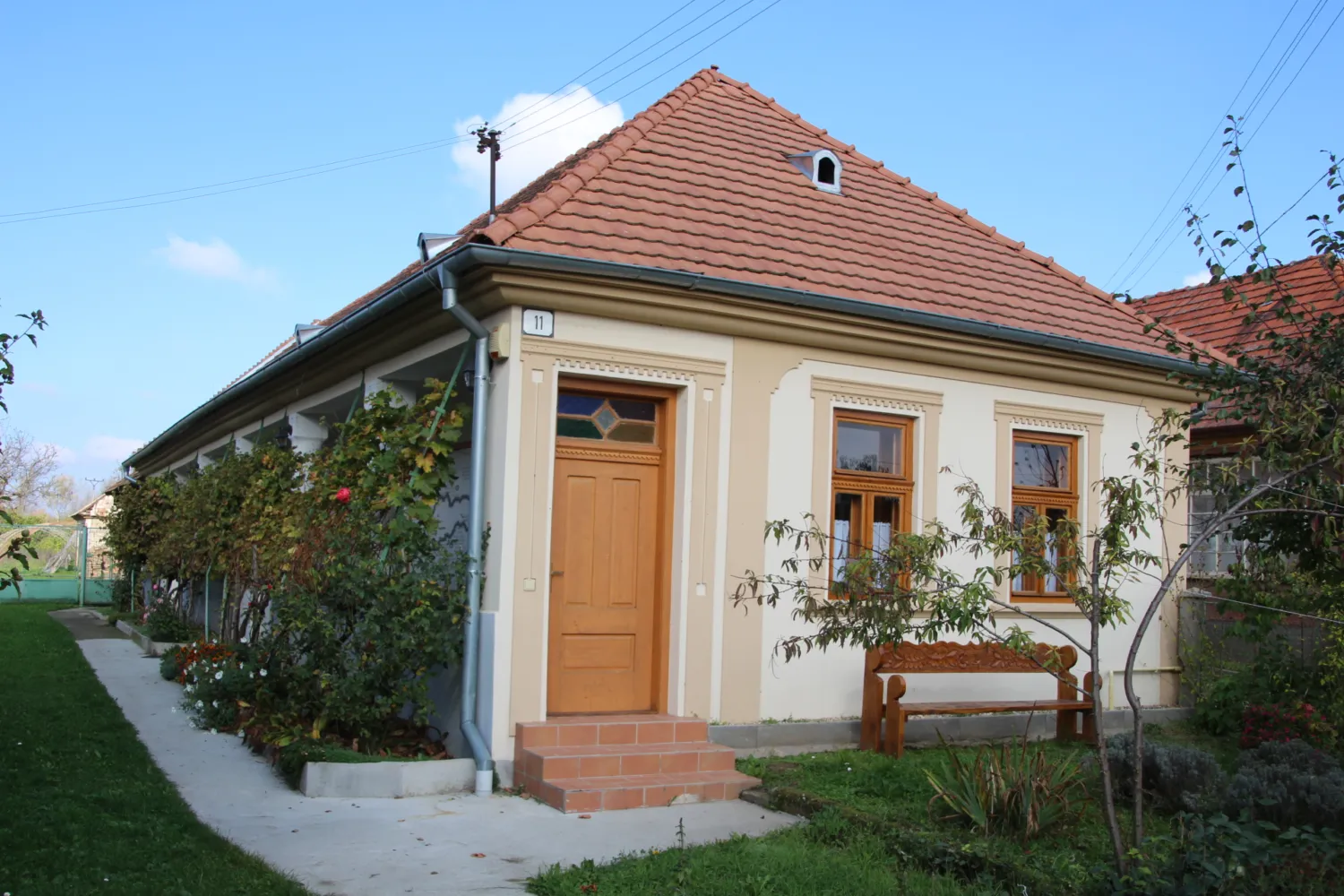
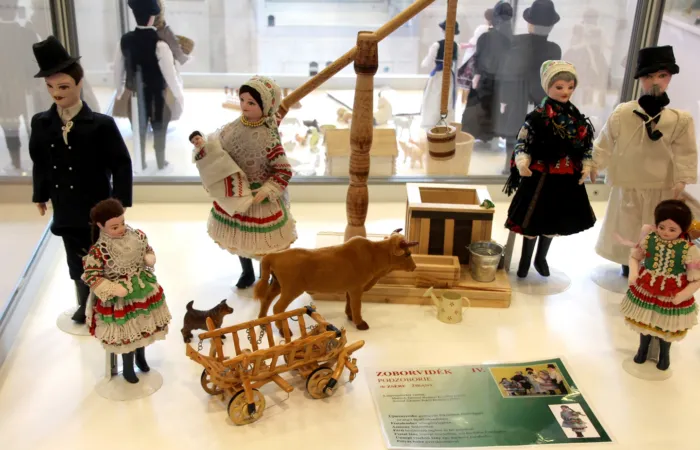
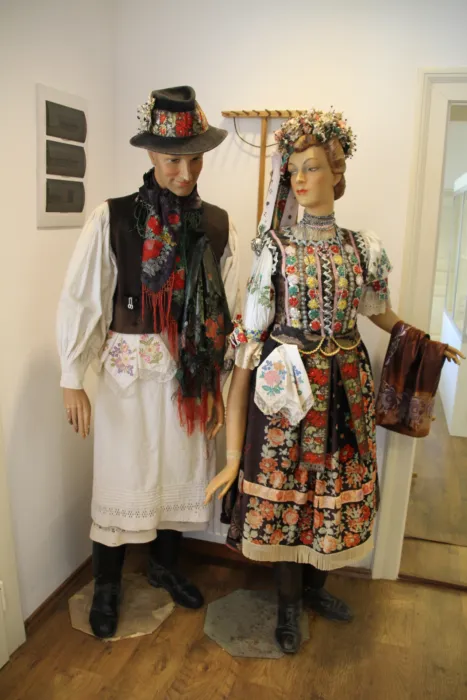
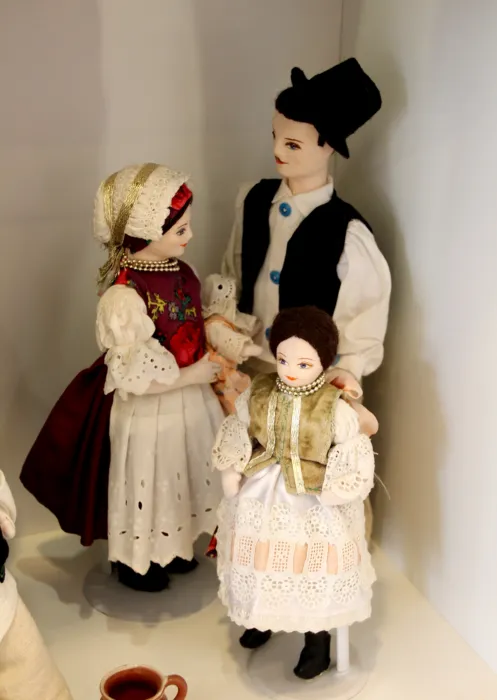
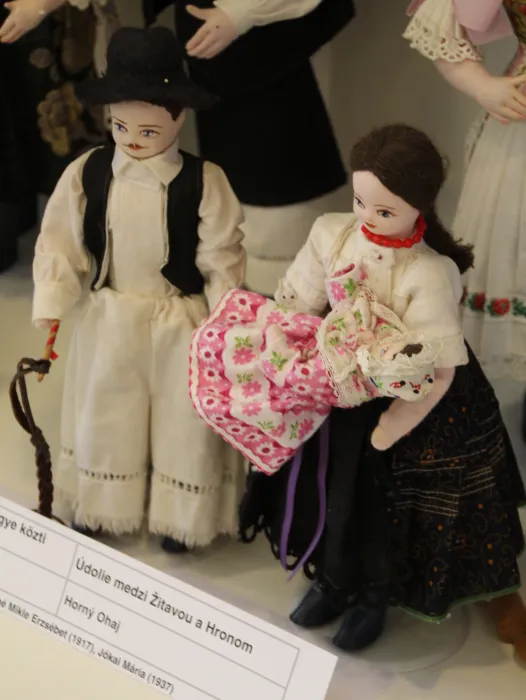
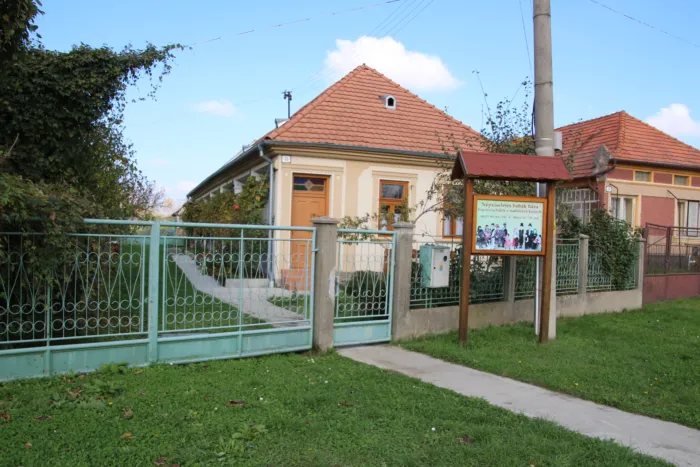
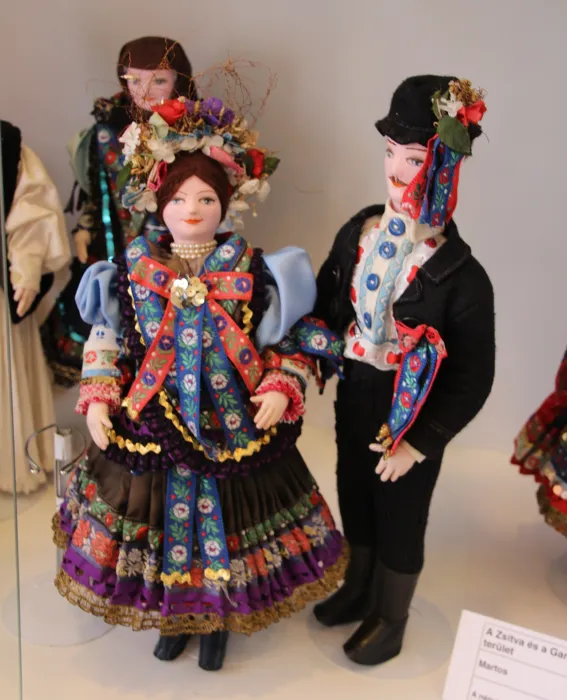
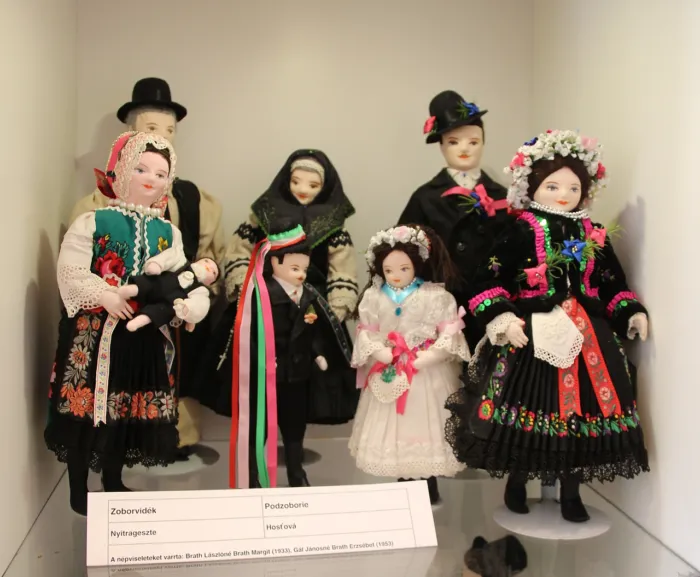
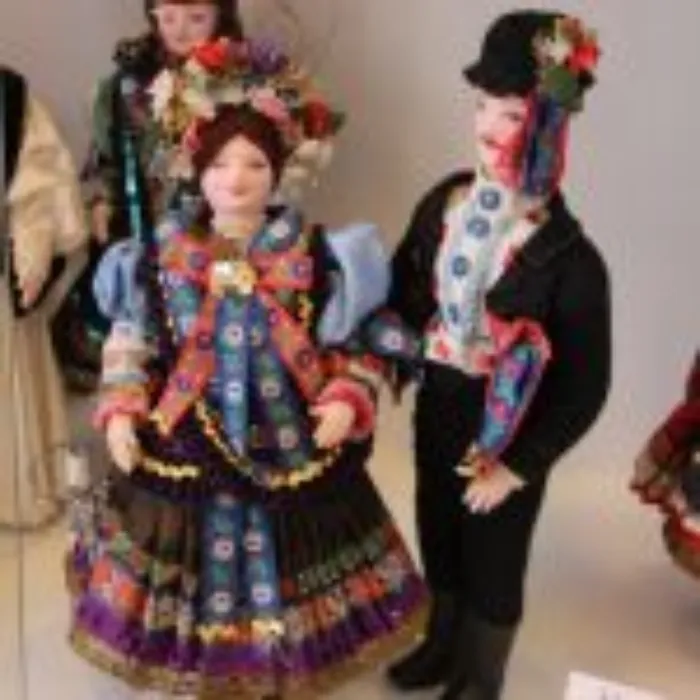
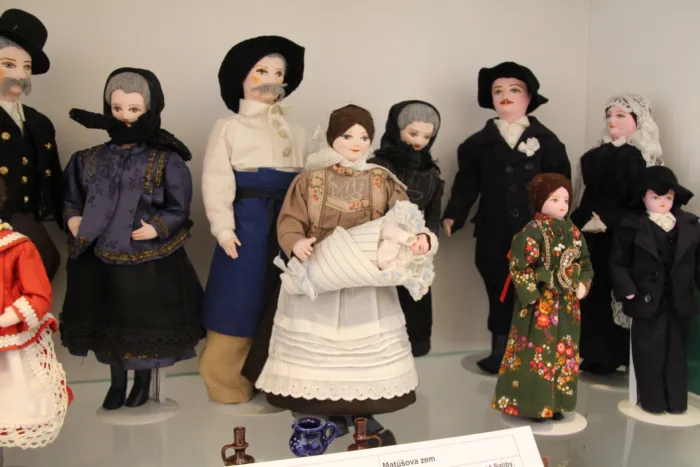
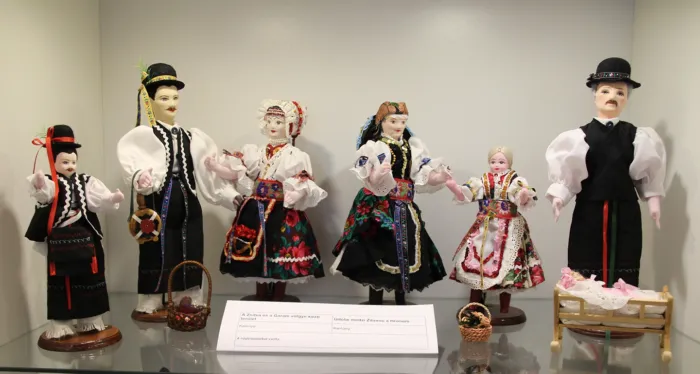
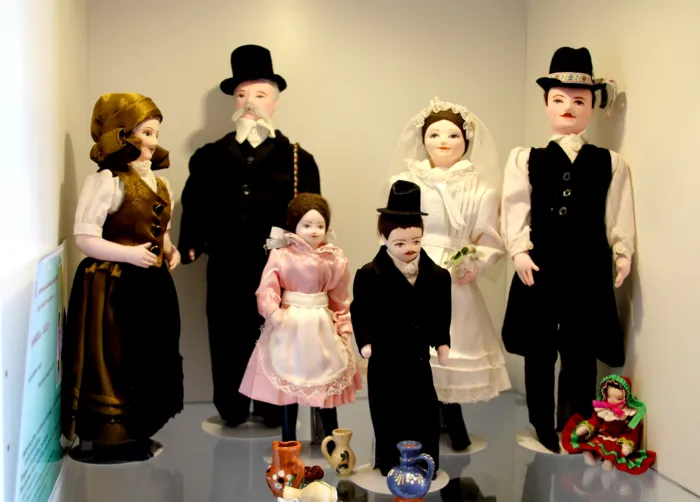
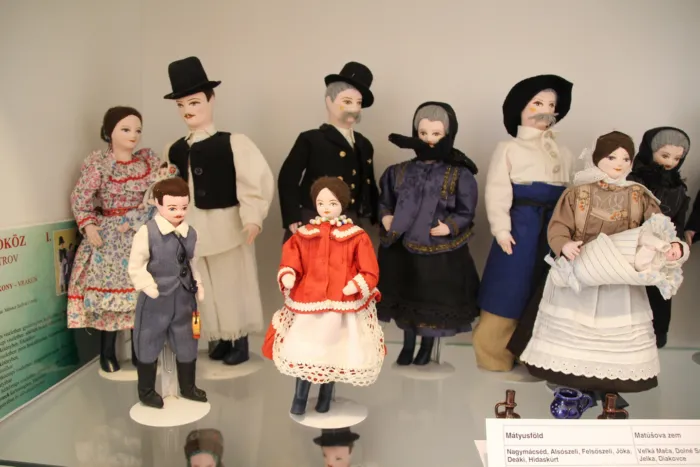
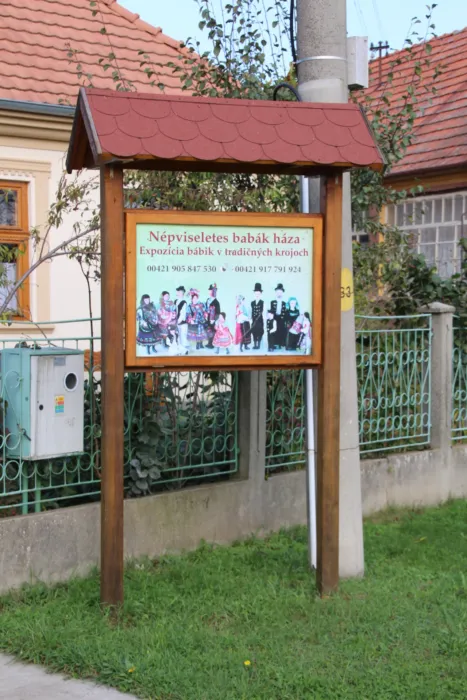
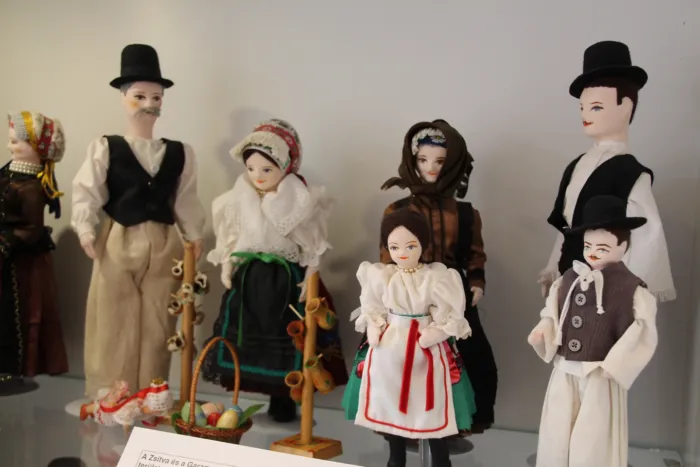
The dressing of doll families in Hungarian folk costumes and the organization of exhibitions were realized through a cross-generational collaboration by Eszter Szobiné Kerekes and the Association for Culture and Tourism. In the fall of 1996, there was a significant decrease in the number of children in Hungarian-language kindergartens and schools. Noticing the phenomenon, Eszter Szobiné Kerekes and the Association of Hungarian Teachers in Slovakia sought new ways to popularize Hungarian-language schools and launched an enrollment program. ; Sensing the importance of introducing the roots and passing on Hungarian national values, they decided to collect dolls dressed in folk costumes and make them public property. Many people understood the intention at first and supported the collection work. Ethnographers Margit Méry and Mária Jókai readily helped when it started. They searched for seamstresses who still wore the traditional clothing of their village. ; Folk artists skilled in rag sewing created the seven-member doll families. Women who could still sew authentically the costumes of the individual villages created not only the adult women and men, but also the former costumes of the children. The family members were dressed in miniature copies of the original costumes: the grandfather, the grandmother, the young man, the young woman, the baby, the little girl and the little boy. ; As a result of the versatile organizational work, the ever-expanding collection was presented in more than 300 places as a traveling exhibition from March 15, 1998. This is how the exhibition material reached many settlements in the Highlands and Hungary, the Millennium Confluences, the Expo 2000 World Exhibition in Hanover, the World Meetings of Hungarians, Cologne, Strasbourg, and even Canada. In the spring of 2016, part of the collection was also presented in Transylvania and Székelyföld. ; The house of doll families in traditional costumes was opened in Búcs in May 2010 in a farmhouse typical of the region, which was adapted for this purpose. Members of the Association for Culture and Tourism willingly lead the registered groups with voluntary work. The museum currently displays traditional costumes from 60 settlements from Csallóköz to Bodrogszerdahely. ; The entries in the 10th guest book, which has been kept since the beginning, testify to the fact that the exhibition set up in the “House of Our Region” is popular not only with school groups but also with pensioners and the general public. ; ;