
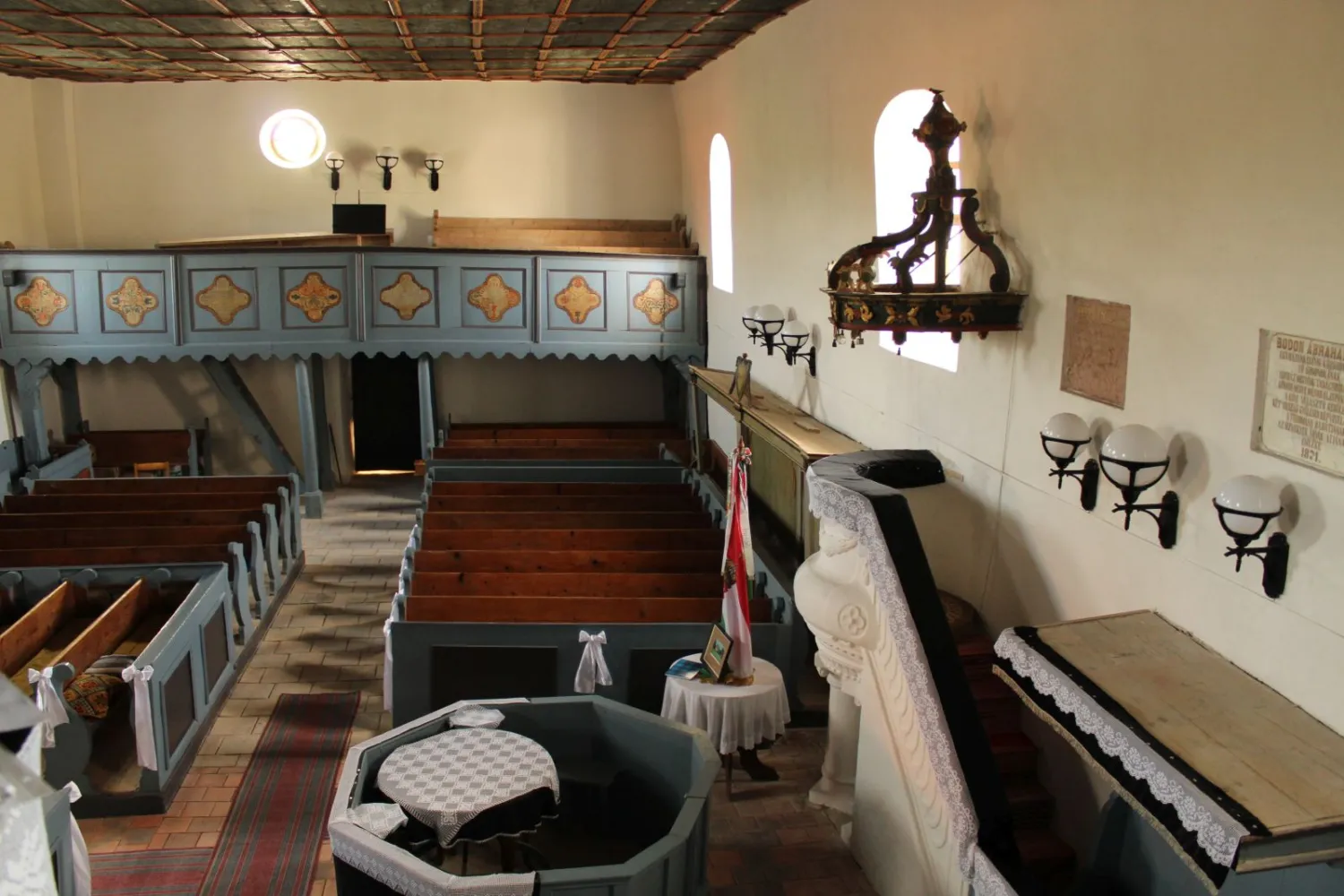
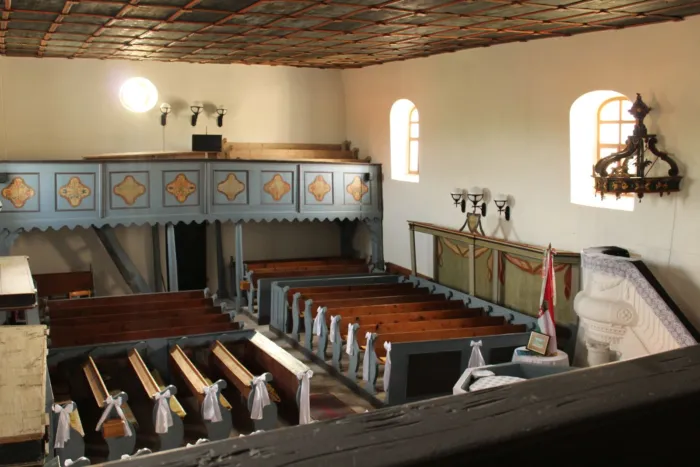
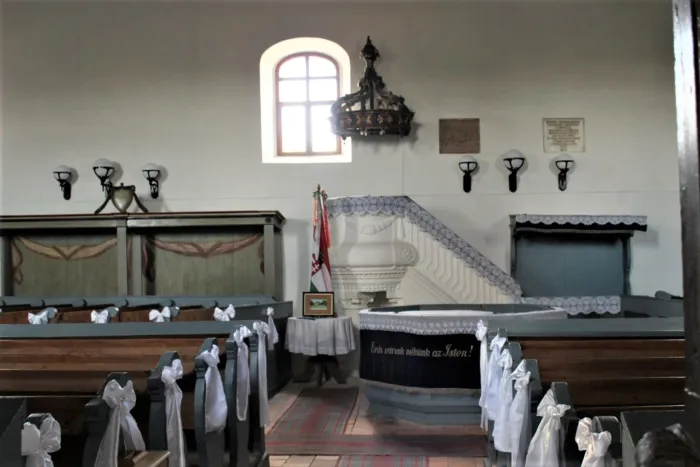
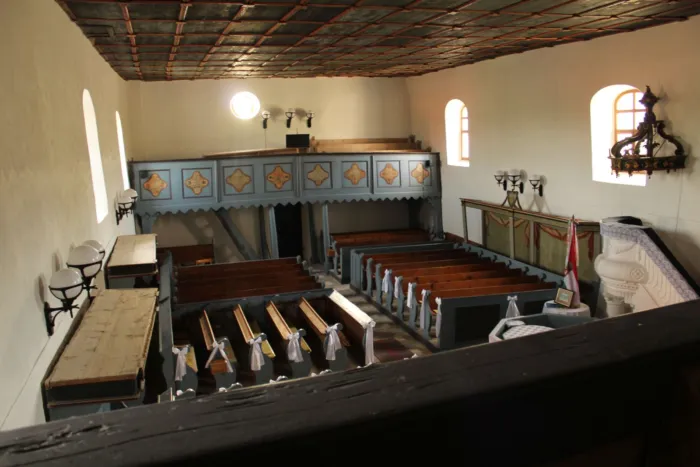
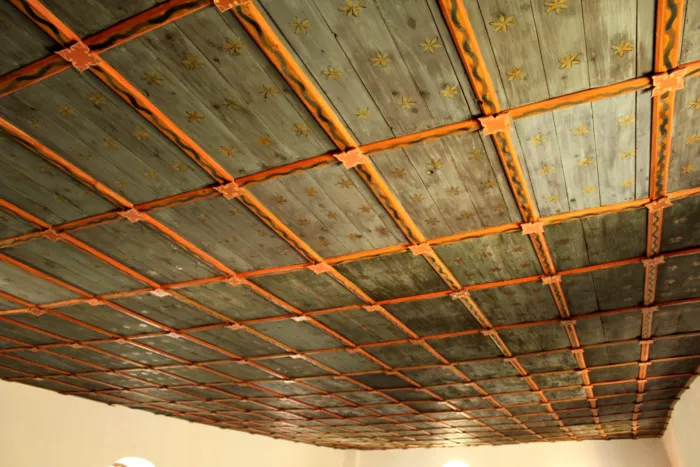
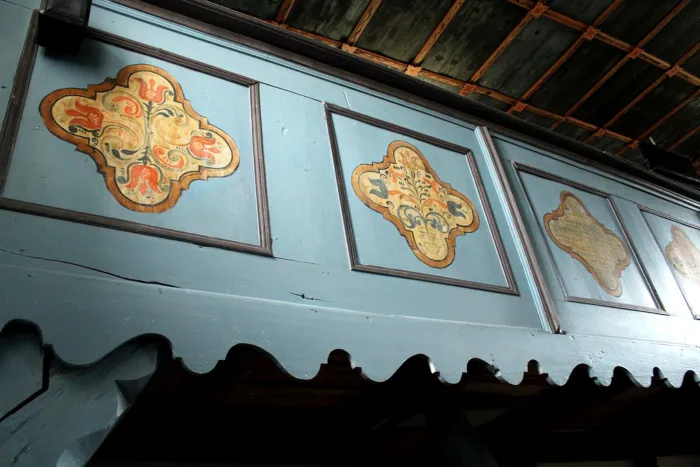
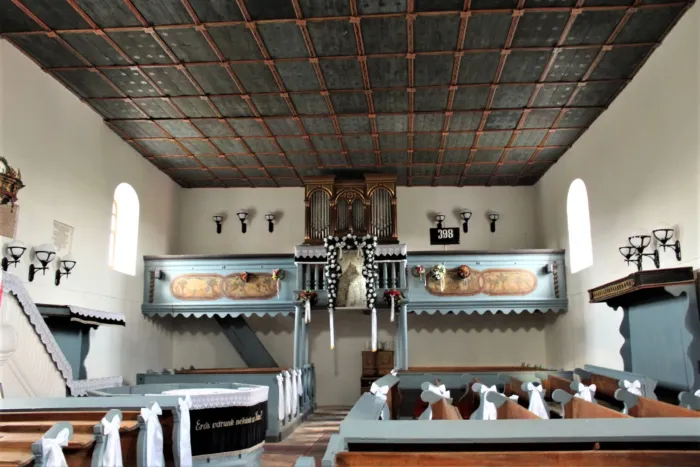
Felsővály Reformed Church, interior
Building, structure
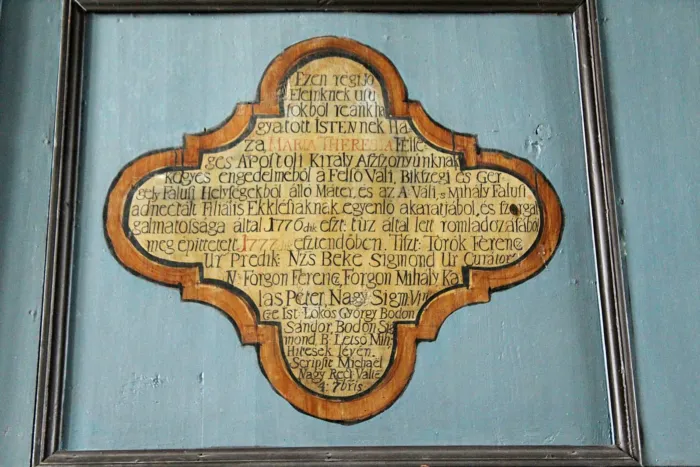
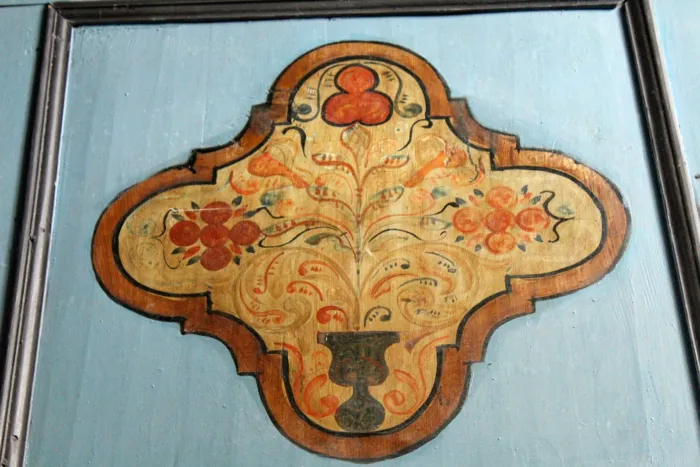
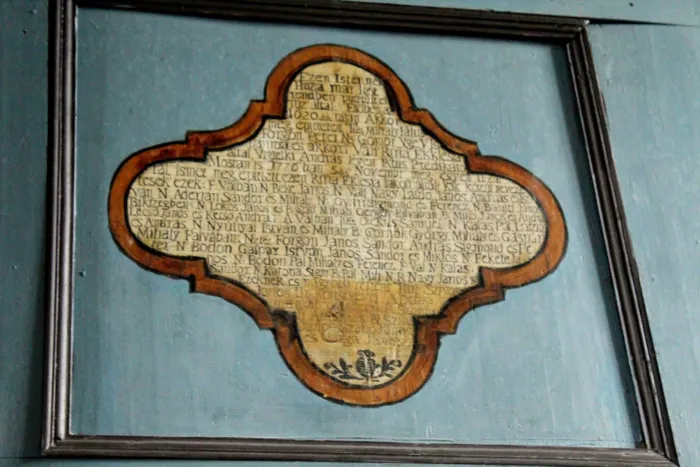
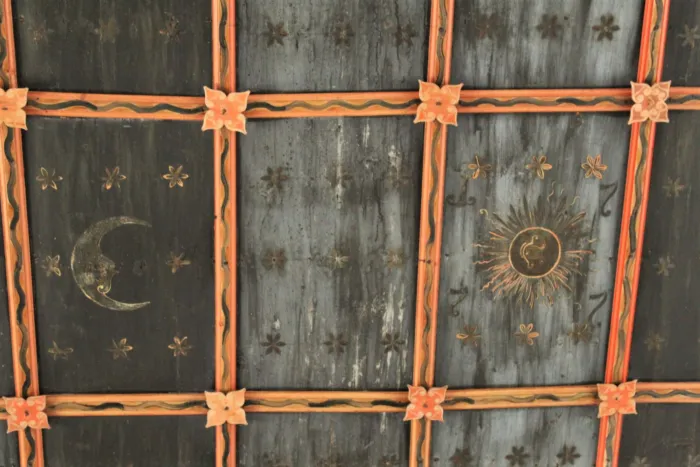
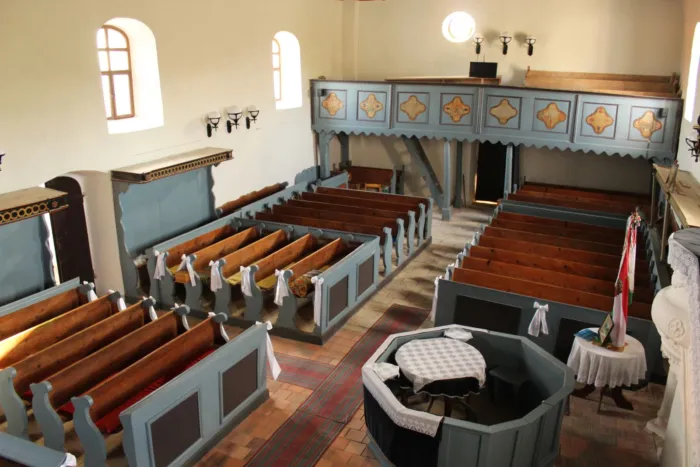
The earliest church in the Vály Valley was built in Felsővály, probably during the 11th century. Its church, named after the Blessed Virgin, is also mentioned in the lists of papal tithe collectors from the early 14th century, and for a long time it was the only church in the valley. In 1426, we read the name of the village as Valy and Waal in contemporary documents. ; During the Hussite period, there was a clash between Hungarians and Czechs on the border of the village. The construction of the church's fortress wall can also be dated to these years. During the Reformation, the inhabitants of the Vály Valley converted to the Reformed faith, so the church also became Reformed. The medieval church burned down in 1619, but was rebuilt in 1622. Its fortifications were well maintained, so they provided reliable protection to the inhabitants of the settlement against Turkish raids. Inside the church, a wooden gallery, benches and ceiling decorated with paintings can be seen. The wooden belfry next to the church also dates from the 17th century. ; ; Bishop Géza Erdélyi writes about the church in his work entitled Classicist Architecture of Gömör County: The building, which can be related to the Reformed Church of Borzova and Zeherje, was built in 1622 and is one of the oldest Reformed churches. It was expanded in 1777. Part of its wooden coffered ceiling dates from the time of the church construction, the other part from the expansion. There are memorial plaques on the walls, immortalizing important moments of the congregation's past, including the memory of the preacher István Kállai, who was sentenced to galley slavery in 1676. The canopied benches of the Kalos and Lőkös families were placed opposite the pulpit. These two families previously played an important role in both the ecclesia and the life of the village.