
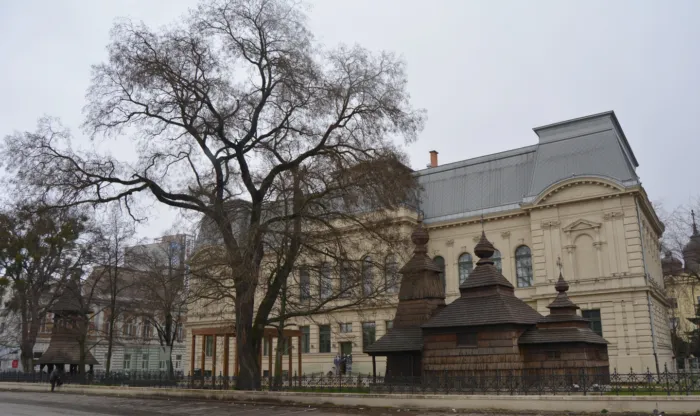
Rákóczi Museum of Upper Hungary
Building, structure
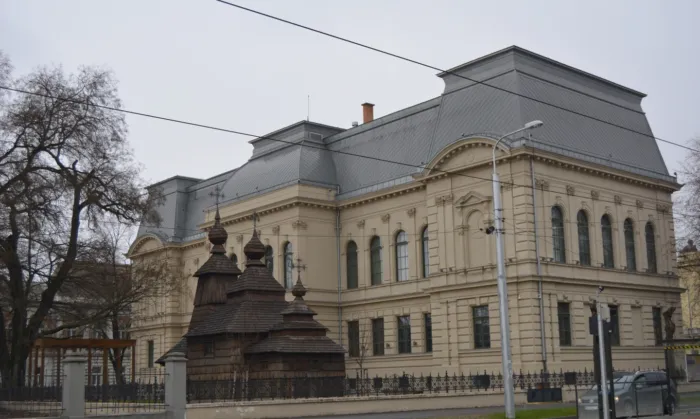
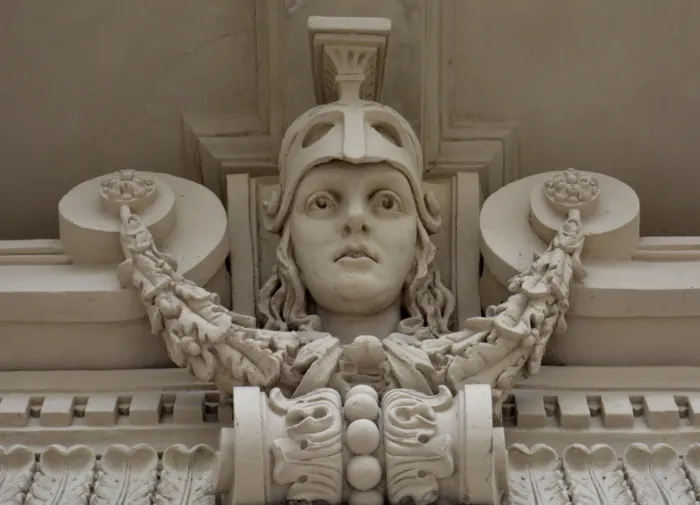
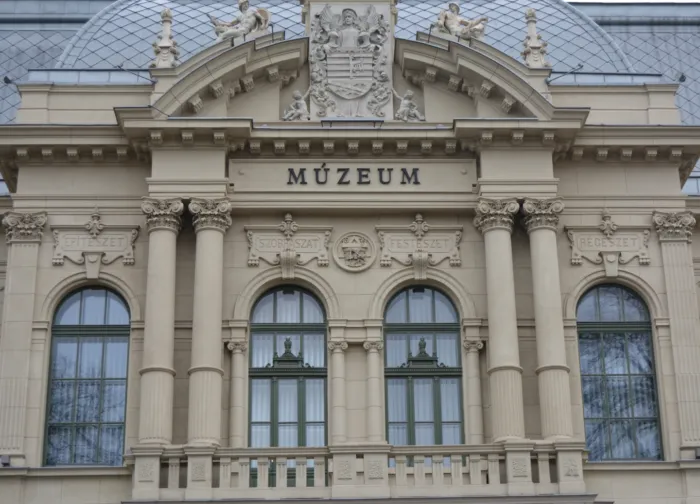
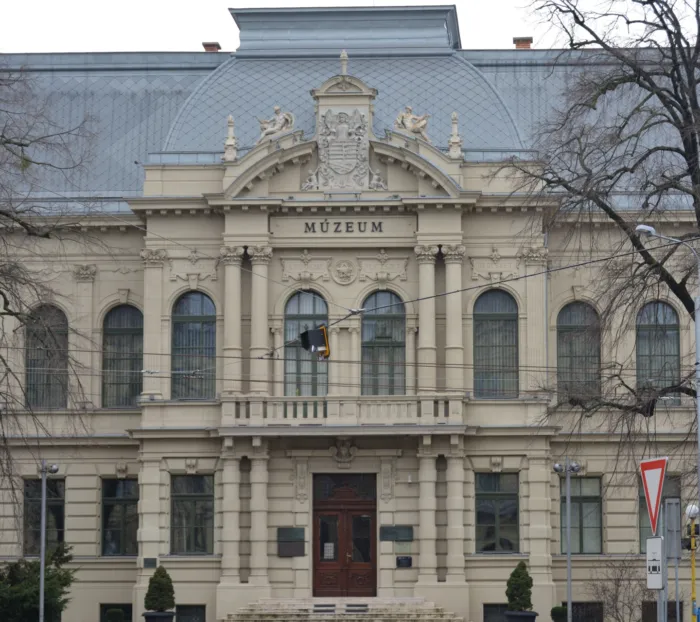
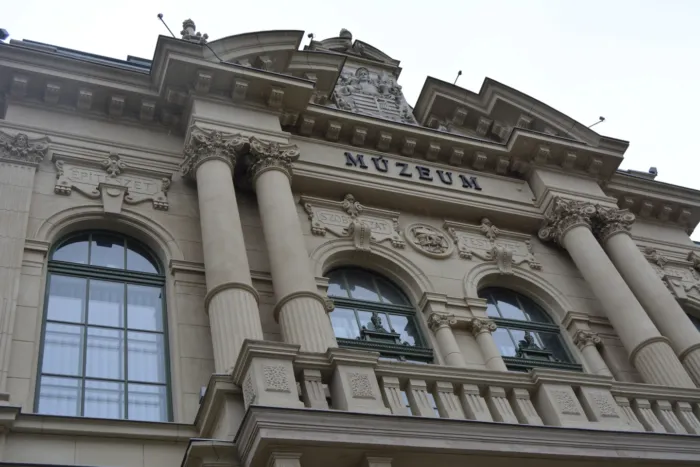
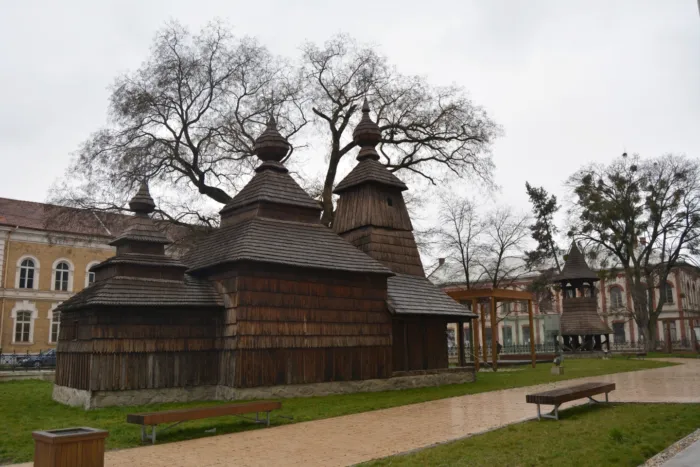
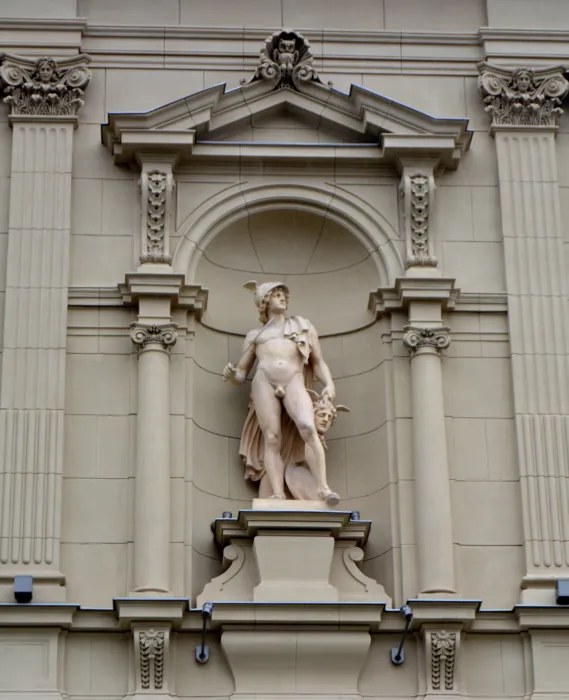
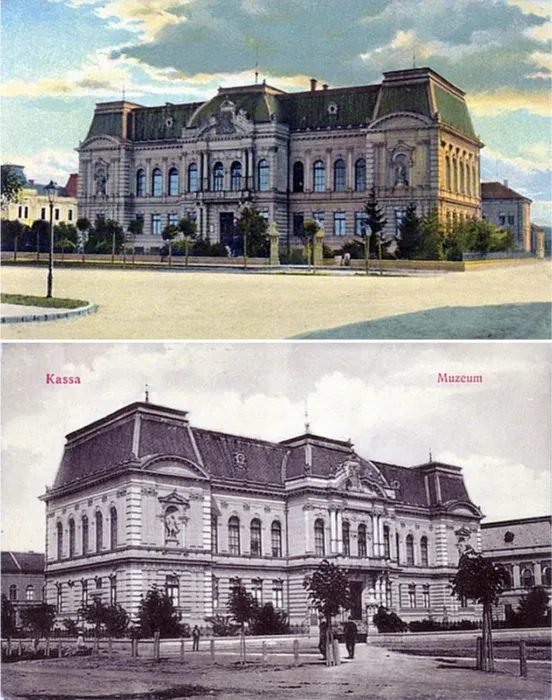
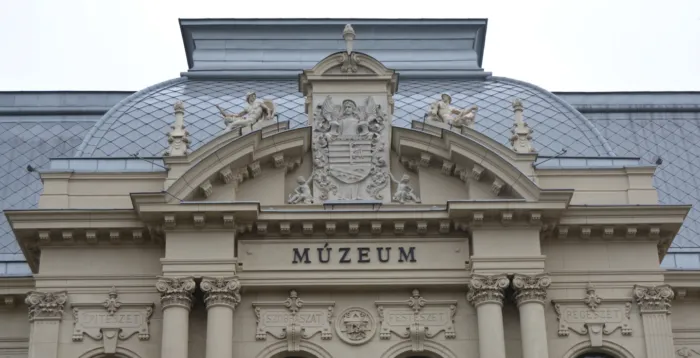
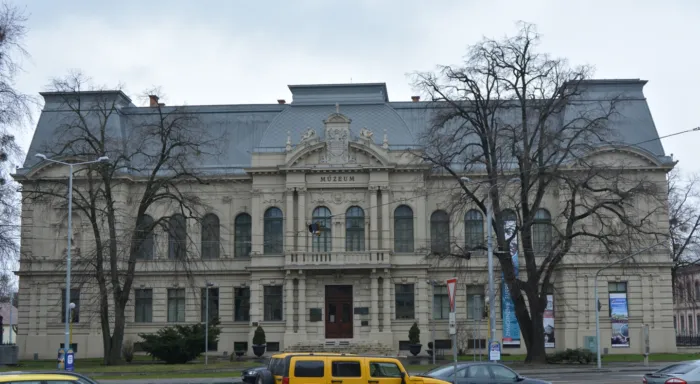
The last third of the 19th century was a period of the establishment of rural city and county museums in Hungary. The Upper Hungary Museum Association, founded in Košice in 1872, also fits into this category. Its initiators were the Klimovits brothers, who had a significant private collection. Their intentions were also supported by Viktor Myskovszky, a renowned monument expert. The museum's first exhibition was opened in 1876. The collection later underwent further significant growth through several donations, for example, Imre Henszlmann, born in Košice, donated his collection of several thousand antiquities to the museum in 1888, or the bishop of Košice, Dr. Zsigmond Bubics, in the year of the millennium, donated his original oil painting collection of one hundred pieces, his water paintings of 50 pieces by Hungarian, German, English and French artists, his collection of 3,000 copper engravings and a large number of medals, faience, porcelain and other rarities to the museum. The museum was also enriched with a similar substantial gift by the landowner Pál Dessewffy, who in 1899 donated the valuable collection of seven hundred and fifty pieces of old weapons, pictures, antiques, majolica and porcelain objects of the Dessewffy family to the Košice museum for all time. ; Count Dénes Andrássy, a generous nobleman known throughout the country for his charity, contributed 16,000 crowns to the enrichment of the museum. ; In 1906, II. On the occasion of the ceremonial reburial of Ferenc Rákóczi in Košice, a spectacular exhibition of the prince's relics was organized and the institution was renamed the Rákóczi Museum of Upper Hungary. After the change of empire in 1919, the collection passed into the hands of the Czechoslovak state and since then (except for the Hungarian world between 1938-1945) it has been one of the most significant museum institutions in the country, operating as the Museum of Eastern Slovakia. The most spectacular item in the museum's collection is undoubtedly the 17th century, so-called Košice gold treasure, which was discovered during the demolition of the main street building of the Szepes Chamber, which was once based in Košice, in 1935. A separate vault was created in the museum for this particularly valuable find. ; The current museum building was built in 1899 on the northern edge of the historic city center, based on the designs of the Budapest architect Jenő Lechner, and originally had a museum function. The main facade of the richly decorated, axially symmetrical, one-story, neo-baroque-style building is decorated with the coat of arms of the city of Košice carved in stone on the prominent gable above the entrance. Interestingly, during the renovation work completed in 2013, the Hungarian words that were part of the facade decoration remained in place. ; A smaller open-air museum was established in the museum courtyard from several relocated folk buildings.