
Pilgrimage of Our Lady of Sorrows
Building, structure
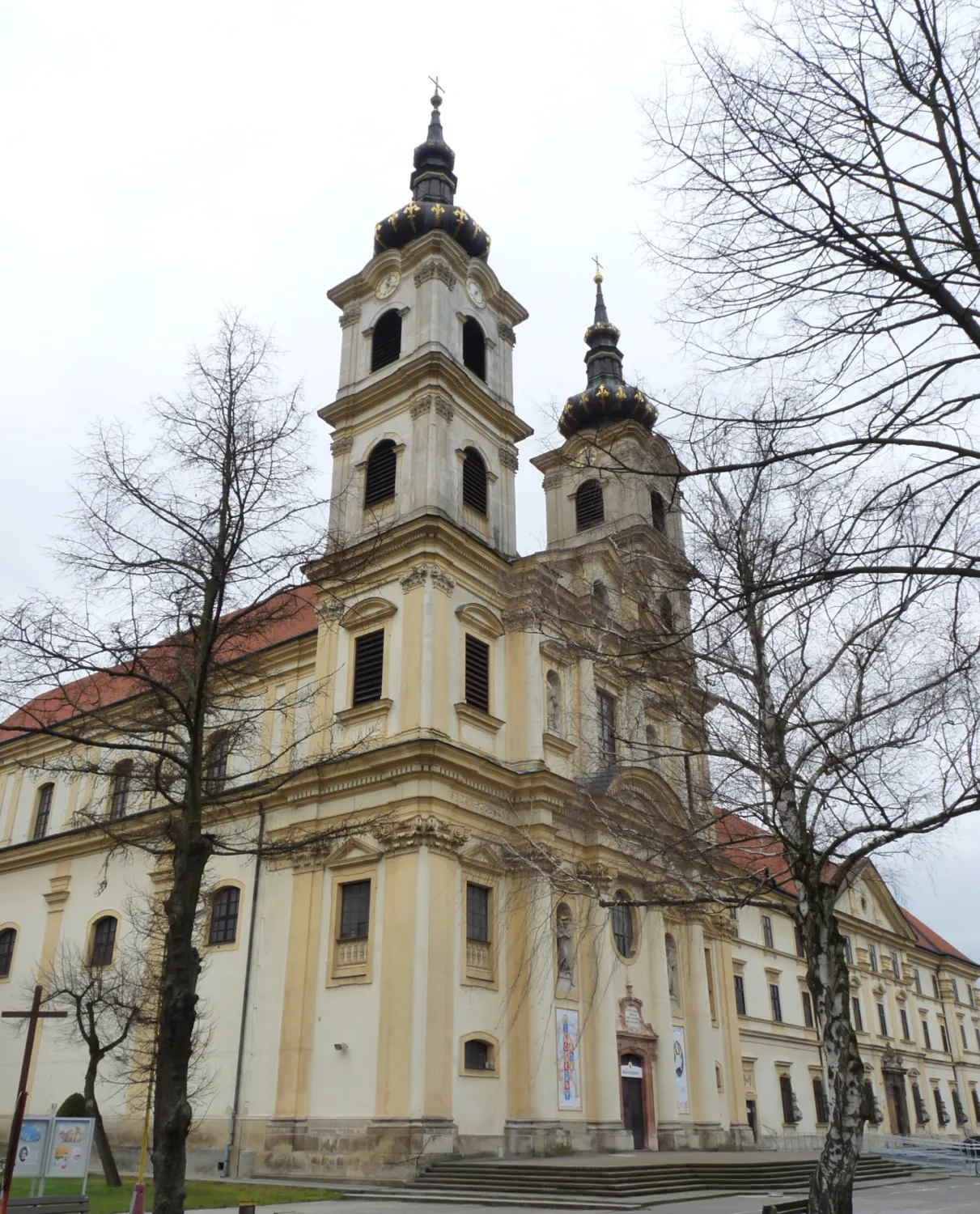
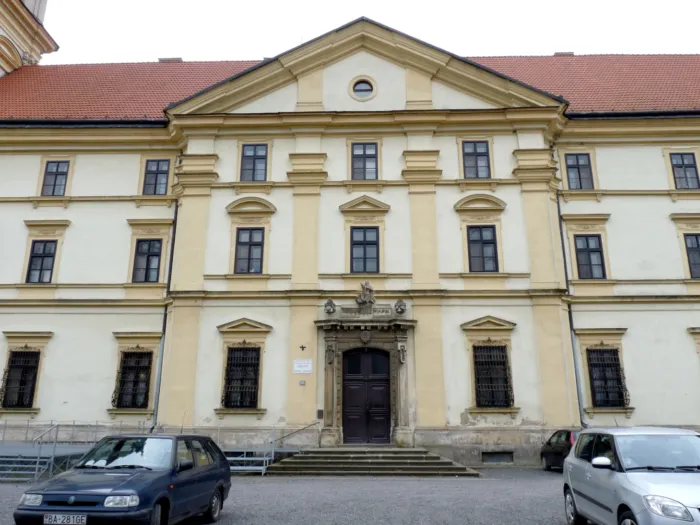
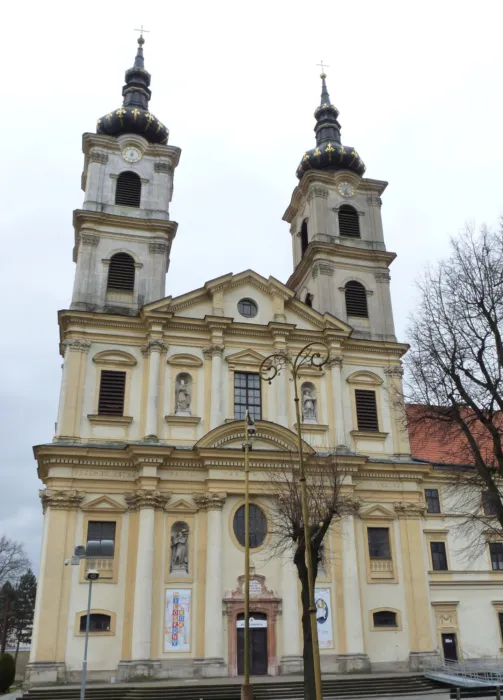
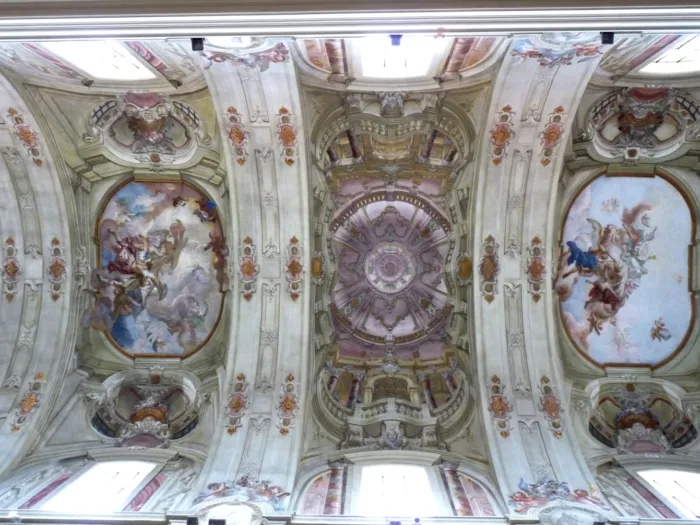
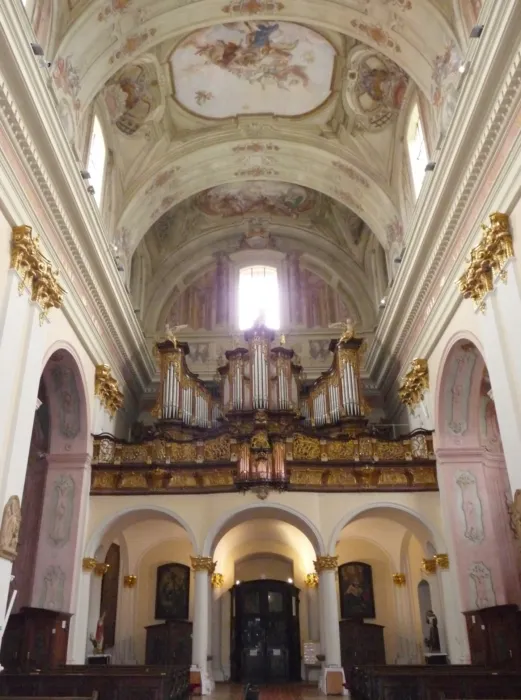
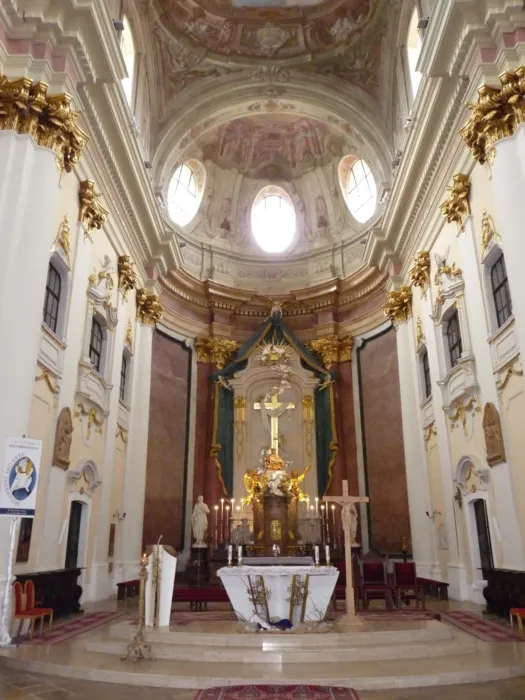
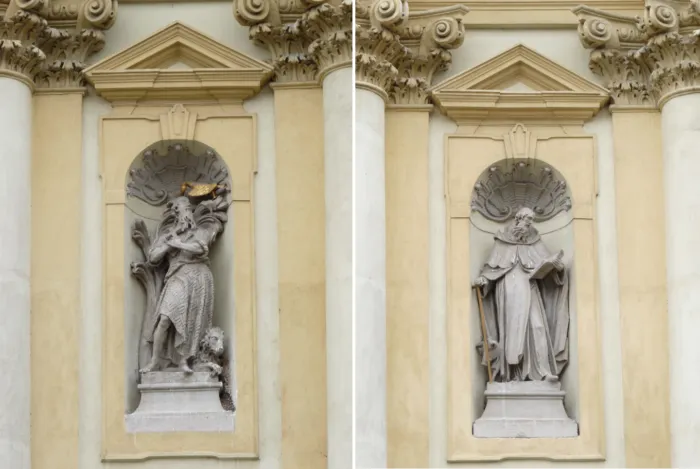
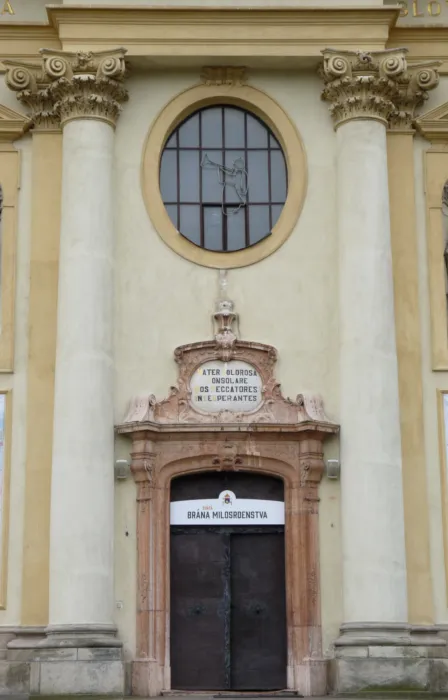
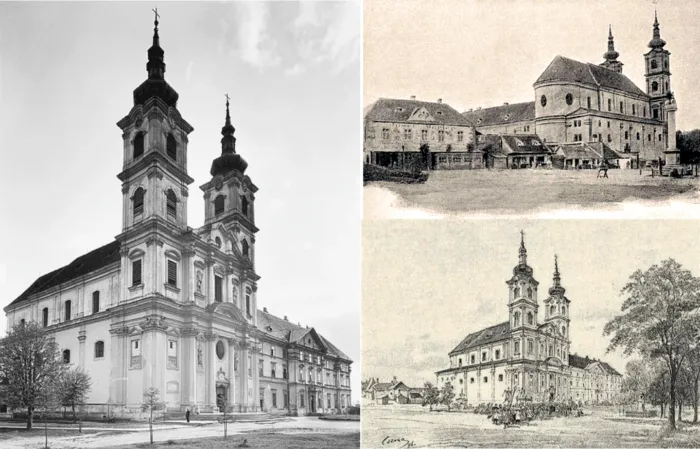
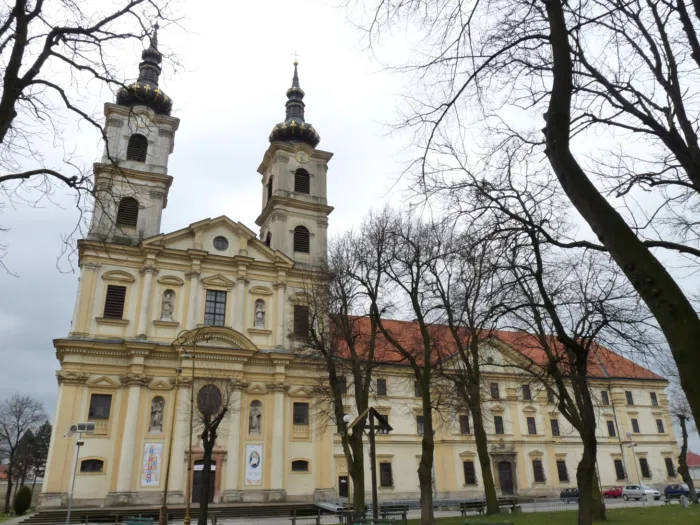
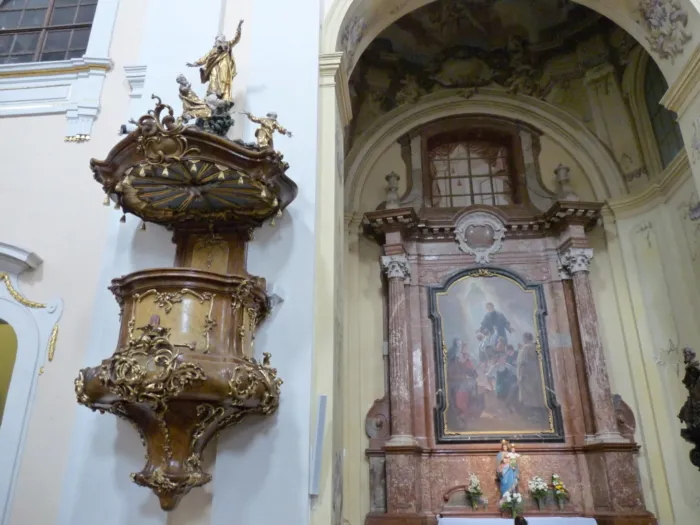
The shrine is 55 km as the crow flies from Bratislava. It has been mentioned in medieval documents for seven hundred years, as a serf village, built on a sás (marsh). Hence its name. ; The former seat of Sasvár County, mentioned in 1323, and the center of the Székely border guard region. Its castle was part of the border defenses near Moravia, and a Renaissance castle was later built in its place. It was occupied by the Austrian Duke Albert in 1287, but was taken back by the Hungarian King Andrew III in 1291. At the end of the 13th century and the beginning of the 14th century, it belonged to the Pázmány family, then to the Counts of Szentgyörgyi and Bazini. From 1392, it was owned by the lord of Beckó Castle, Stíbor, and after his death, it became the property of the Czobor family along with the entire estate. From the second half of the 16th century, in addition to the Czobors, the Révay and Bakics families were owners in the village. Sasvár was still not spared by the armies. In 1605, a battle broke out on its border. In 1685, plague devastated it, in which many people died. In 1705, a major battle took place here between Rákóczi's army and the imperial troops, in which 700 people fell. In 1831, cholera devastated it, which again claimed many victims. ; ; The event of 1564 made the village known throughout the country. Its fame spread everywhere. The reason for this is rooted in the spiritual life of the time. The statue of the Virgin Mary dates from 1564. The wife of the lord of Sasvár, Imre Czobor, née Bakich Angelika, had it made out of gratitude that her husband, a housewife, had been tamed by the Virgin Mary's call for help. The sculptor of the statue is unknown. Note from the literature: Late Gothic work by a Pannonian master. It depicts the seated Virgin Mary, with her dead son, Jesus, taken down from the cross, on her lap. Angelika Bakich originally had this statue erected on the spot where her husband was touched by grace. Here she had a triangular chapel built by an Italian master. The faithful of the area, knowing about the event of the statue of grace, began to make pilgrimages here and the miraculous events multiplied. ; 168 years after this beginning, the prince-primate of Esztergom had all the miraculous events of Sasvár investigated. In order to exclude doubts, the most reputable experts carried out the investigation. The lay witnesses told their personal stories under oath. After the investigation was completed, in 1732 the church authorities declared the Sasvár sanctuary a place of pilgrimage. The following year, the Primate of Esztergom entrusted the statue to the care of the Pauline Order, who, according to the yearbook of the Hungarian province, had already brought most of the building materials needed to build a church to Sasvár by the summer of 1736, and enough money was collected from the donations of the faithful to cover the costs of the craftsmen. At the suggestion of the Archbishop of Vienna, Zsigmond Kollonich, who at that time owned Sasvár on mortgage and had also been the protector of the Pauline Order since 1734, the Pauline Order entrusted Johannes Damiani, the architect of the church in Nagylévárd built between 1729-33, with the design of the church and the management of the construction works. The church was consecrated in 1762, and can accommodate six thousand people. The painting of the church vault was done by the French J.J. Chamant, a Viennese court painter. Four side altars are the work of the Austrian J.L. Kracker. From now on, it has two side altars. On August 15, 1774, the statue was solemnly transferred from the small triangular chapel to the red marble main altar of the new church, which was built especially for this purpose. On both sides of the main altar stand statues of Saint John the Apostle and Mary Magdalene. The towers only reach the height of the roof ridge. ; In 1862, the tower was raised to thirty meters by the parish priest István Hrebicsek, with the architect József Berta. In 1864, on the three hundredth anniversary of the veneration of the statue, Cardinal János Szcitovszky, Prince-Primate of Esztergom, led the pilgrimage with the participation of one hundred thousand believers. After the abolition of the Pauline Order in 1786, the priests of the diocese took care of the shrine. The church became the parish church of Sasvár, and the monastery became royal property. The Pauline memory is preserved in the church by the statues of the hermit saints - Paul and Anthony -, Saint Jerome and Saint Bonaventure. Unfortunately, after the abolition of the Pauline order, all the documents of the monastery were lost. In 1924, the shrine was entrusted to the custody of the Salesian order by Dr. Pál Jantausch, the apostolic administrator of Nagyszombaty. The image of Don Bosco is a reminder of this. In 1927, Pope Pius XI's decree Gelebre apud Slovaccham gentem declared the Virgin of Sorrows the patron saint of Slovakia, thus Sasvár became a national shrine of the Slovaks. ; In 1964, on the four hundredth anniversary of the statue, Pope Paul VI granted the Sasvár church the status of a basilica (basilica minor). Sasvár's farewell is the feast of the Virgin of Sorrows, September 15. In 1990, the Salesian monks were able to return to Sasvár again.