
Esterházy János Pilgrimage Center
Built heritage
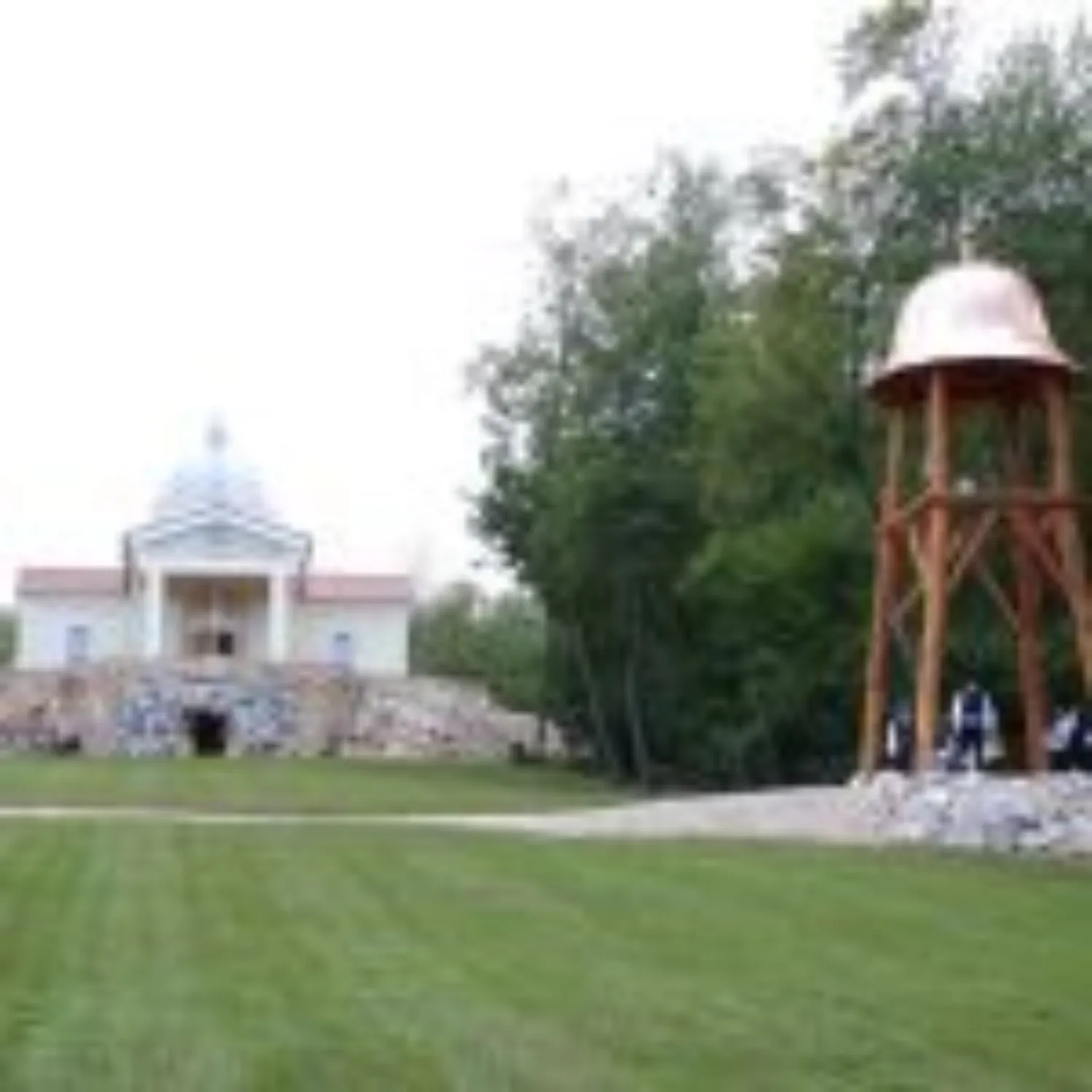
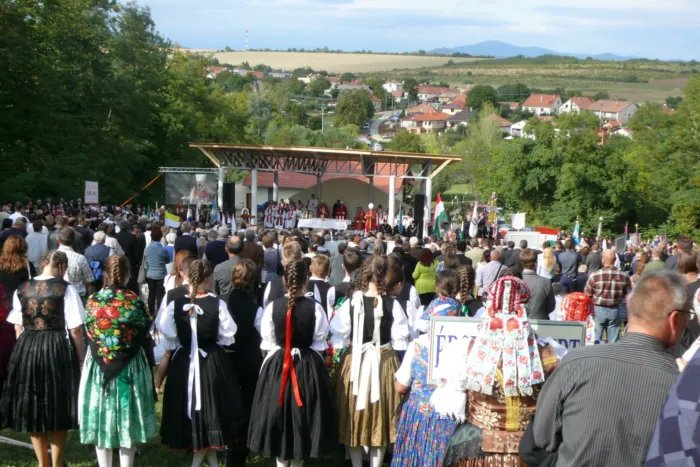
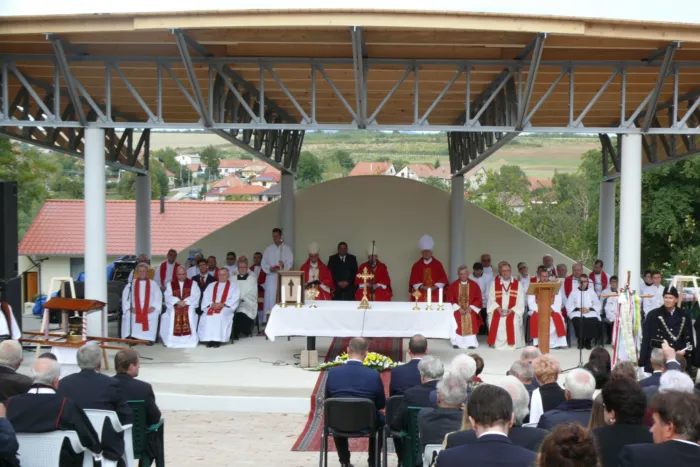
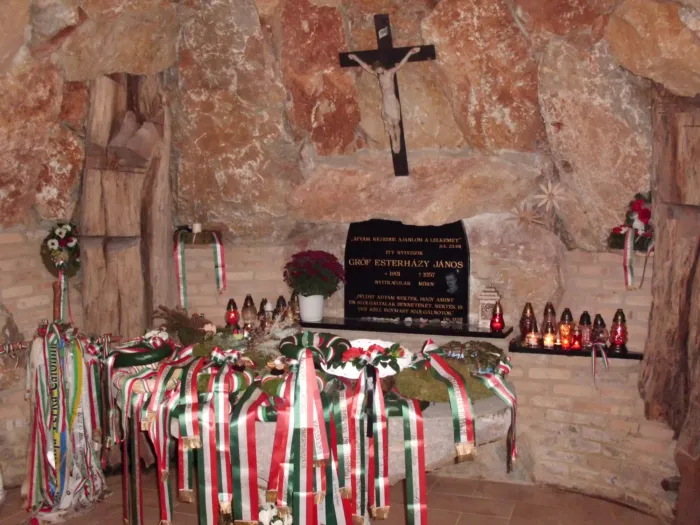
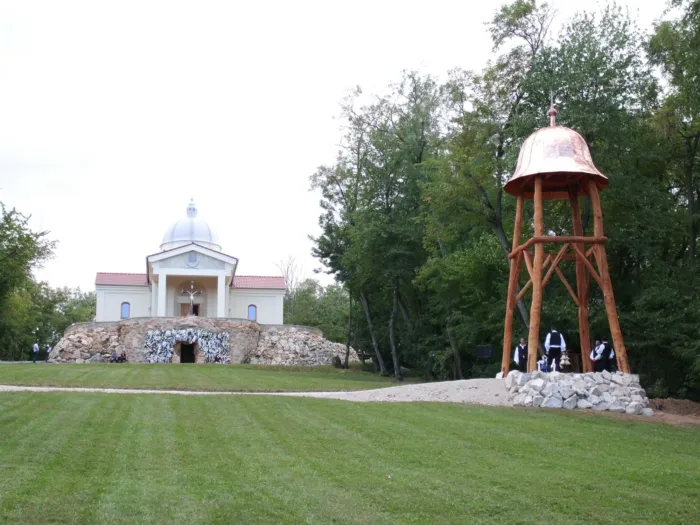
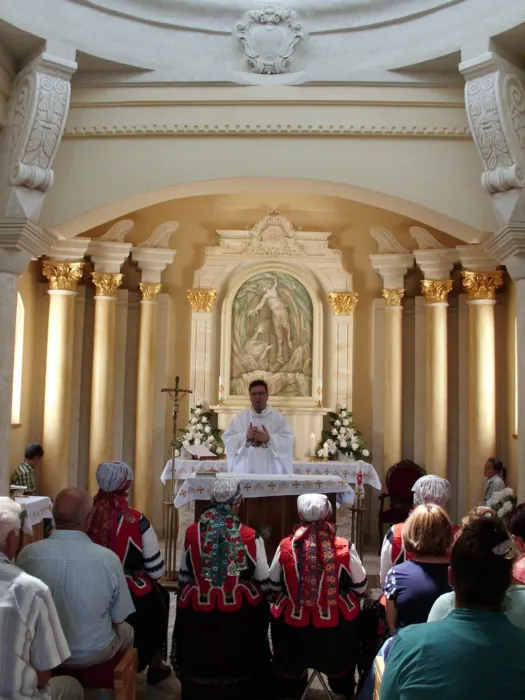
Martyr politician Count János Esterházy was born on March 14, 1901 in Nitraújlak. Before and during World War II, he played a role in Hungarian politics in the Uplands, and later became a party leader. He was the only representative who did not vote for the deportation of Jews. After the World War, he was sentenced to death, but this sentence was later “commuted” to life imprisonment. He died in Mirov Prison in Moravia on March 3, 1957. Although he has not been rehabilitated in Slovakia to this day, he is still highly respected among Hungarians and Poles, and steps have been taken to achieve his beatification. Under pressure, his ashes were recently exhumed from a prison grave in Prague. Paulisz Boldizsár, an enthusiastic entrepreneur from Alsóbodok and admirer of János Esterházy (his life story is presented as a separate value), a founding member of the Association for the Homeland of János Esterházy, started building a chapel on his own to commemorate the politician from the Highlands. The building was built at the highest point of the cultural park he owned. Its lower, sunken level hides a tomb, made of massive stones selected by the builder himself. Its upper level is a basilica-like domed, cross-shaped chapel, which is entitled The Exaltation of the Holy Cross. The frescoes, made in the traditional way but painted with a modern approach, praise the work of Zsolt Lencsés (Birth, Death, Glorified Resurrection). The descendants and relatives of János Esterházy, and respecting the political will that the politician always wanted to rest in his homeland, agreed that his ashes should find final rest in the chapel in Alsóbodok. The placement and chapel consecration event took place on September 15, 2017, in the presence of the Archbishop of Krakow and several Hungarian, Slovak and Czech bishops and other church dignitaries and public figures. A year later, the belfry was also completed, with three bells cast in Őrbottyán. The largest was blessed by Pope Francis in the Vatican. The chapel, the surrounding memorial park and its buildings were named the János Esterházy Pilgrimage Center. On its territory lies the memorial museum presenting the life of János Esterházy, a community auditorium, an open-air stage, a life-like replica of the Vas-turul in Nitra (unveiled to the hour, a hundred years after the original was erected) and a monument to István Széchenyi. The Stations of the Cross of Loyalty leads from the museum to the chapel, some of whose carved wooden stations present the victims of Esterházy's life. Paulisz Boldizsár, the founder of the pilgrimage center, passed away at the age of 58 on June 13, 2018, after a serious illness that he bore with dignity, and was laid to rest in the left wing of the aforementioned chapel-cum-crypt. Today, the memorial site is visited by many people, and on holidays and memorial days, there are masses in Hungarian, less often in Slovak, and even in Polish. Many pilgrims and Esterházy admirers visit the center.