
Esterházy Castle and Castle Park, Szered
Building, structure
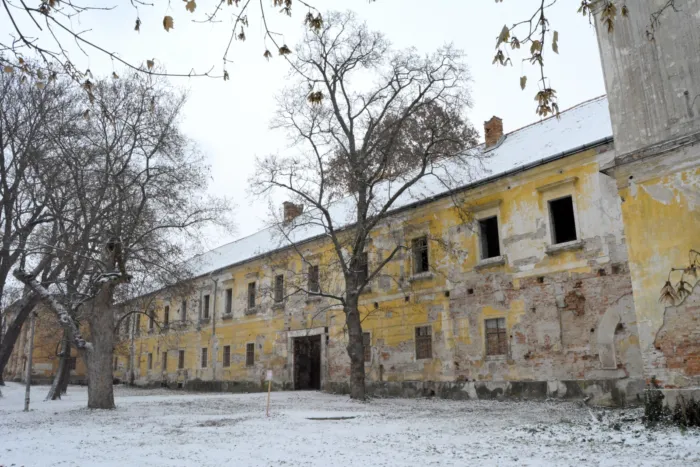
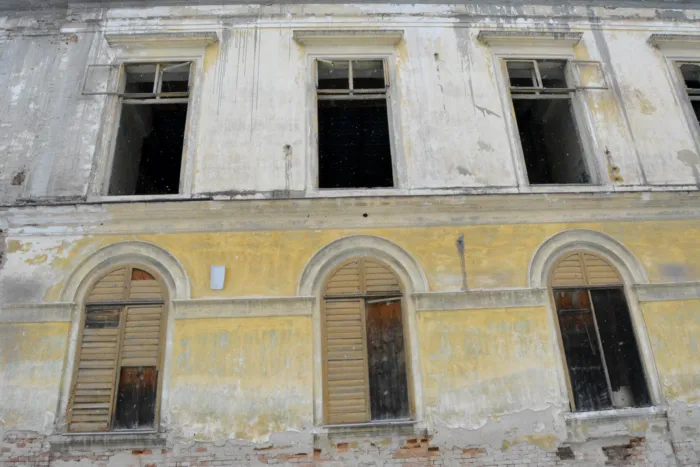
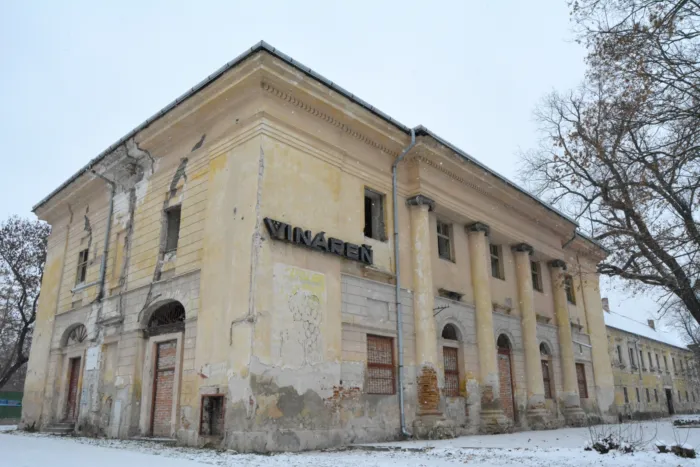
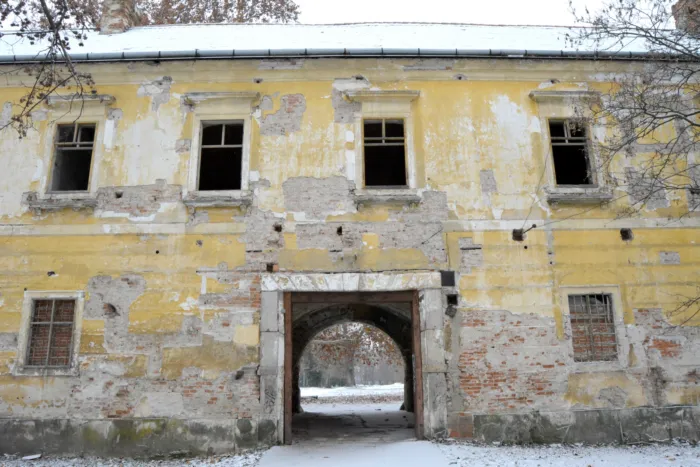
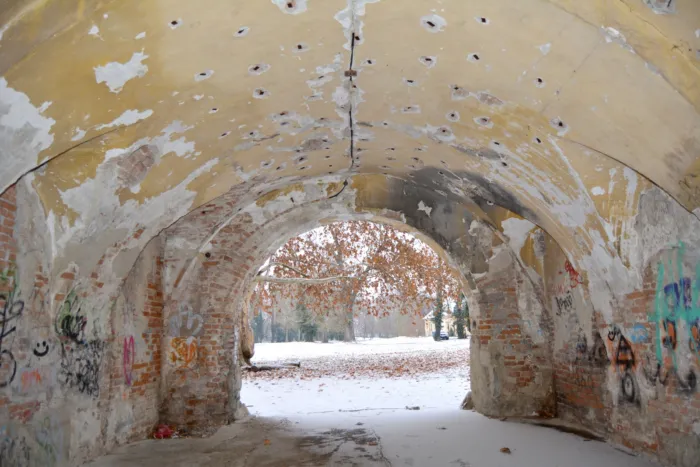
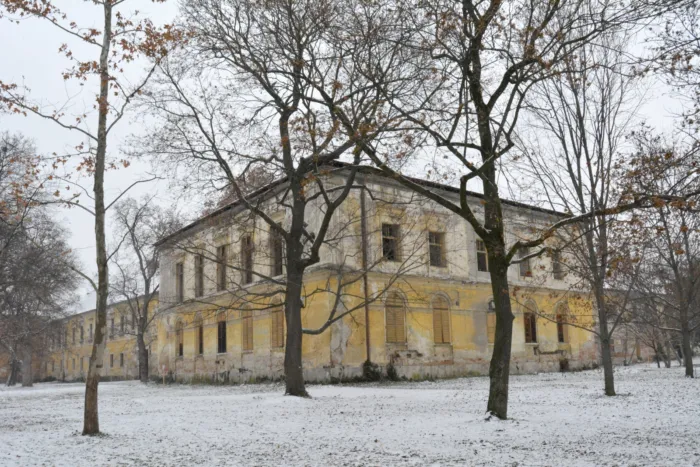
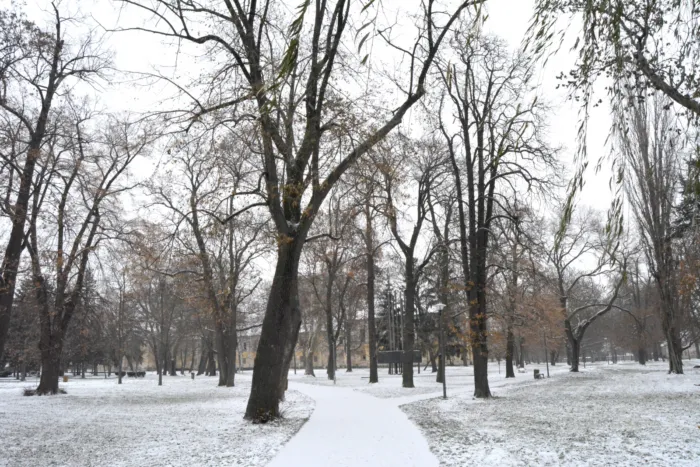
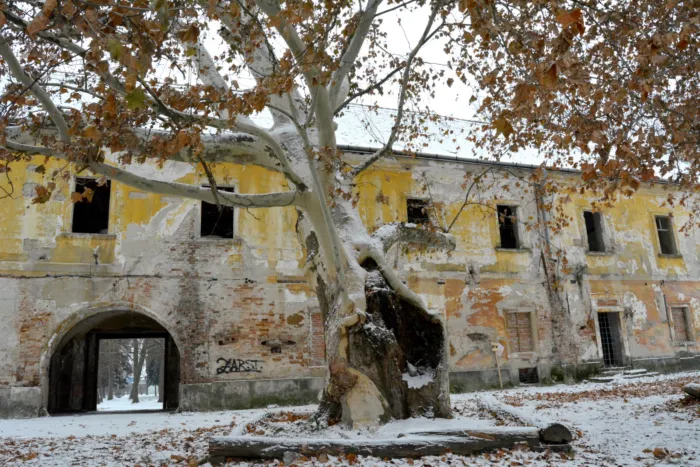
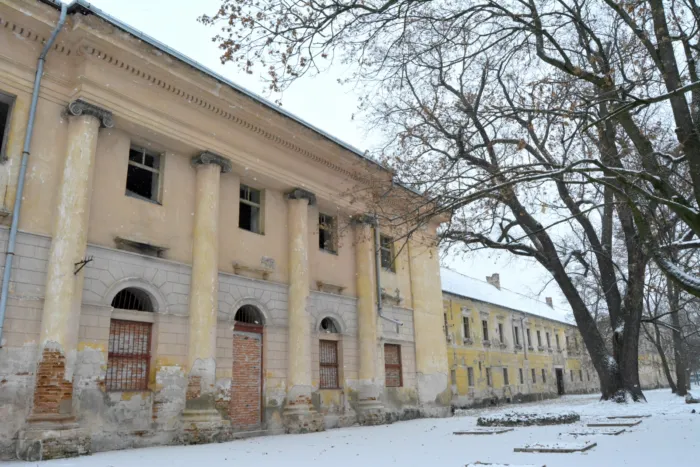
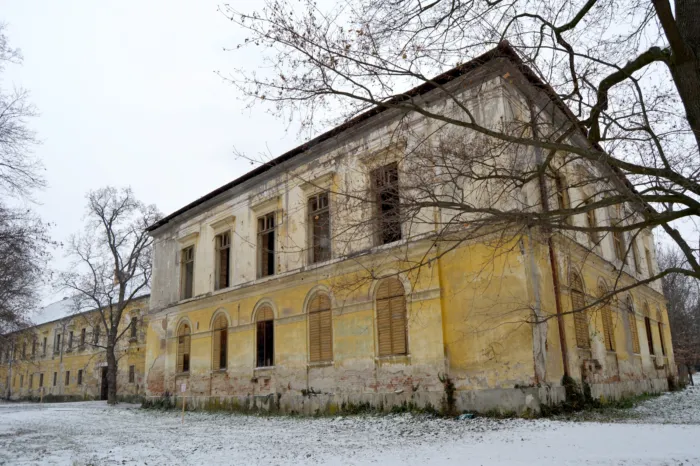
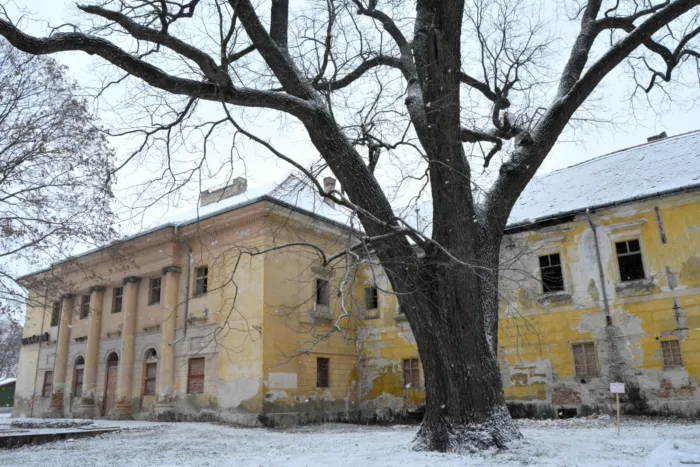
The noble residence, which served as a comfortable dwelling, was built on the walls of the 16th century border castle, while the foundations of the 13th century early stone castle were brought to light by archaeologists in the castle courtyard. Although historians still argue about the time of the establishment of the Sempte castle, it was probably founded by King Stephen as one of the castles protecting the highland areas against attacks from the West. ; The center itself - based on nationally known archaeological excavations - may have been an earthen castle made of beams, filled with earth, with a compartment structure. However, no trace of this has yet been found. Its geographical location was justified by the fact that this section of the Váh River had the most favorable crossing opportunity, which the garrison had to keep under control. The Sempte castle was first mentioned in the 1074 chronicle about King Solomon, as the place where the defeated ruler in the Battle of Mogyoród crossed the Váh River on his way to Bratislava. The earliest mention of the Sempte castle in a surviving document dates back to 1177. According to other data, the structure of the other Árpád-era castles is the same, so we know of a “curial comes”, a lieutenant, castle people and the lands belonging to the castle. In the “Váradi Regestrum”, a valuable document of the Middle Ages, the Sempte castle and its population were mentioned in connection with several lawsuits from 1221. The Tatar invasion that swept through the country probably destroyed the wood-earth castle in 1242, the lands of which gradually came into private hands during the reconstruction of the country. According to the data from 1261, the Sempte estate was given as a donation to a nobleman named “Trusleph”, after whose death his brother “Liupold” inherited it. The new owners probably built the square stone castle, the foundation walls of which have been excavated by archaeologists. This is how the Sempte castle estate was formed, while other lands that previously belonged to it merged into the surrounding counties. At the beginning of the 14th century, the local landlords were also forced to surrender to the oligarch Máté Csák, who created a huge private domain from Trenčín, and who mainly employed the lesser nobles for armed service. In September 1317, King Charles Robert led a campaign against the most powerful lord of the province, Máté Csák, who ruled from Trenčín. During this, he crossed the Danube River at Esztergom, then advanced to the Váh River, where he joined forces with his ally, the Holy Roman Emperor Frederick of Habsburg, at Sempte. There is no written record of the royal army besieging the castle of Sempte, which was under the control of the Csáks. The monarch returned with his troops and at the end of the month he fought for the strong castle of Komárom, which was also ruled by the Csáks. Finally, in 1321, after the death of Baron Máté Csák and the capture of the castle of Trenčín, Sempte also came into the hands of the monarch. Two years later, this castle estate was the property of the nobleman Ábrahám “Veres” Majnolt’s son, and shortly after that it came under the jurisdiction of the royal ispanage of Bratislava. According to written sources, in 1326, Master Felicián of the Záh family held the position of castle governor. He was the nobleman who four years later attacked the royal family with a sword in Visegrád and his family paid a terrible price for his actions. In 1387, King Sigismund of Luxembourg concluded an agreement in Sempte with his relatives, the Moravian margraves Jodok and Prokop, on the administration of the estates in their pledge. Barons Máté and Imre Pálóczi acquired the castle and all the serf villages belonging to it as a pledge in 1426 for 10,600 gold forints. Later, the Rozgonyi baronial family could claim it as their own, which became extinct in the male line with the death of Stephen in 1523. But since the nobleman was still alive, with the consent of the ruler, he made an inheritance contract with his son-in-law, András Báthory. Thus, the castle estate in Sempte also came into his possession, among other things. Lord András Báthory sided with János Szapolyai in the civil war that broke out between the two opposing kings, so King Ferdinand of Habsburg, who became victorious in the Highlands, confiscated the castle and the number of serf villages that served him from him. In 1530, Ferdinand of Habsburg, who had become rich from mining leases in medieval Hungary and had risen to the ranks of the royal court through his positions, donated the Sempte castle estate to the Thurzó family, who had become wealthy from mining leases in medieval Hungary and had risen to the ranks of the royal court through their positions. According to contemporary records, the leading figure of the noble family, Elek Thurzó, could claim it as his own. After 1596, on the orders of the landowner Szaniszló Thurzó, the medieval castle was surrounded by a protective belt of four Italian bastions in accordance with the most modern military principles of the time, which was surrounded by a wide moat. The modern border castle was thus able to successfully resist the Turkish raiders who were appearing more and more frequently in the area. In 1600, a register was made of the equipment of Sempte, which was the property of the Thurzó noble family, which gives us an idea of the condition of the border castle. The garrison of the Sempte border castle voluntarily opened the gate to the hajdúks in the service of the Transylvanian noble István Bocskai, who raised the banner of the uprising against the tyrannical autocracy of the Habsburg house, in the winter of 1605, and did the same to the troops of the Transylvanian prince Gábor Bethlen who marched in 1619. After the wealthy Thurzó family died out in 1639 – through inheritance? – it was acquired by the Esterházy family, who served the Habsburg emperor with unconditional loyalty. At that time, a register was made again of the castle's belongings. At an unknown date, on the orders of the Esterházy family, the western and southern wings of the border castle were transformed into a multi-storey Baroque castle building. Since the Esterházy princely family was considered an unconditional supporter of the Habsburg imperial and royal house, the fortifications in their possession escaped the 1701 order to blow up Hungarian castles. The last military events affected it during the Rákóczi War of Independence, but then it fell into the hands of the Kurucs without a fight. After 1711, it was returned to the Esterházy family, who, on the orders of the landlord József, demolished the military defenses surrounding the castle building around 1740, filled in the water ditches, and created a large park on the leveled area. According to a contemporary record, the watchtower of the old castle was also demolished in the early 1800s. The block of the comfortable nobleman's castle was last remodeled in 1840, according to the classicist taste prevailing at the time. It can still be seen in this form today. During archaeological excavations that began in the early 1990s, the foundation walls of the early medieval fortress were uncovered in the castle park.