
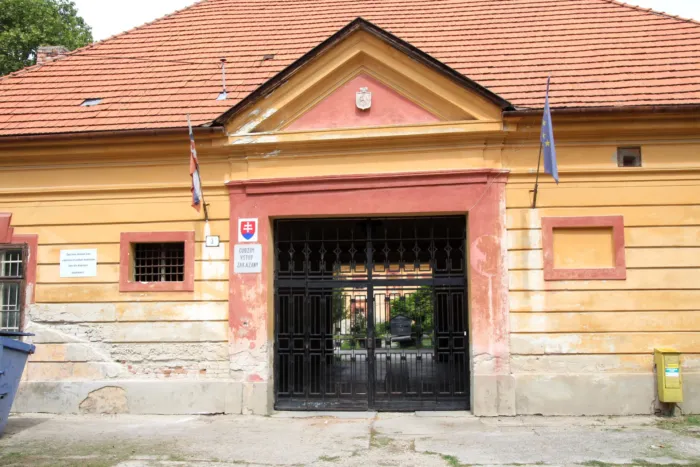
Esterhazy Castle
Building, structure
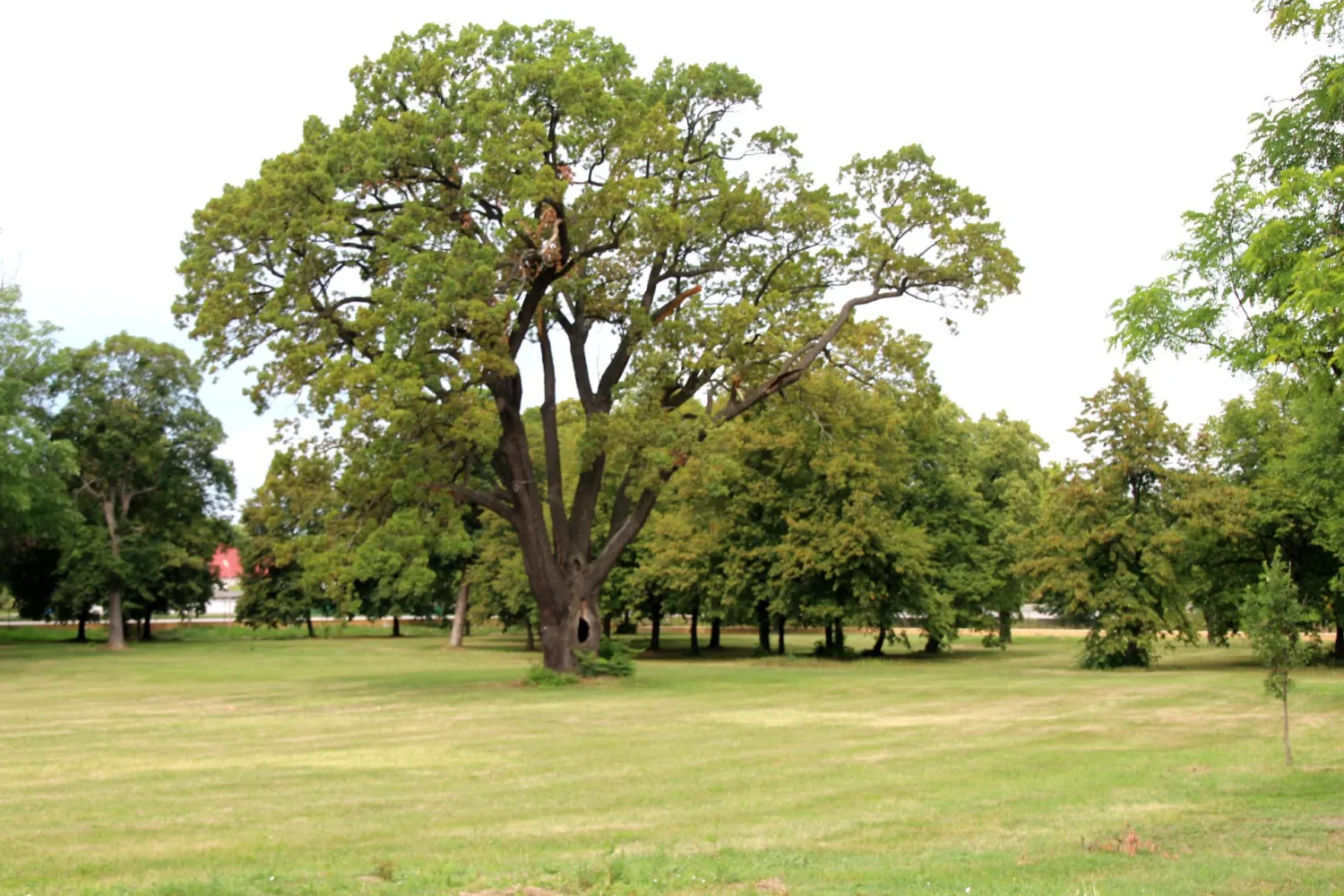
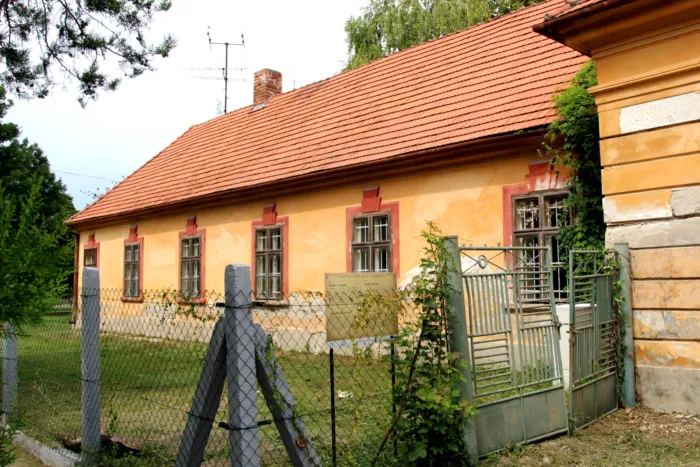
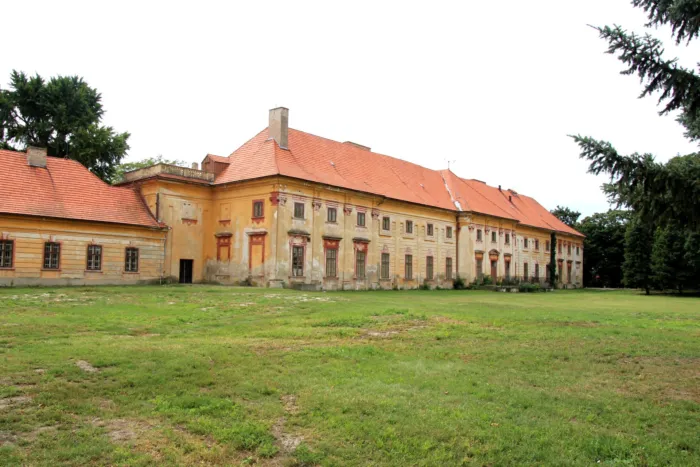
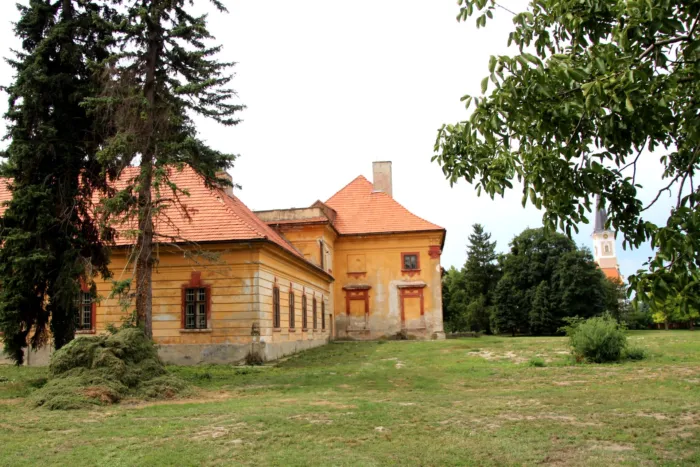
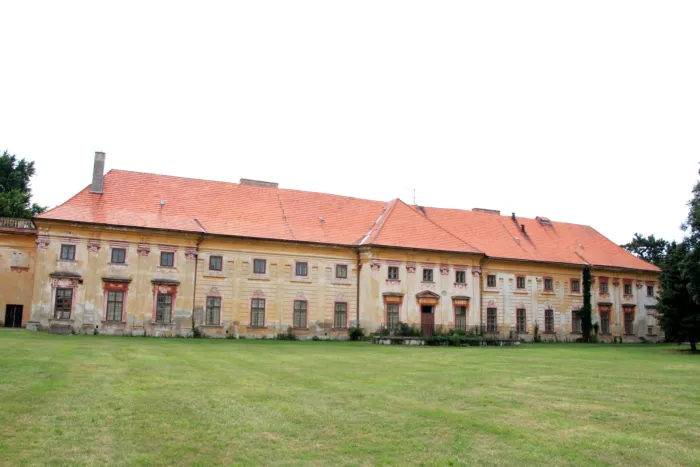
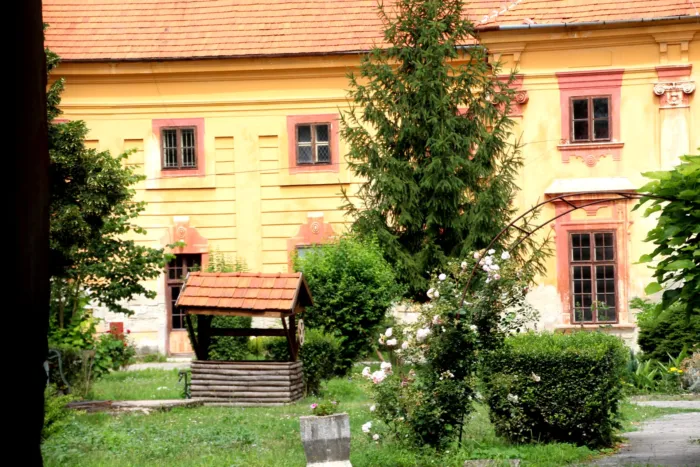
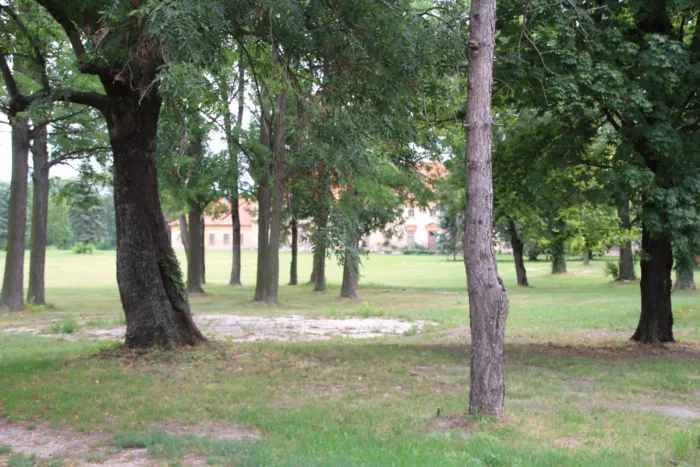
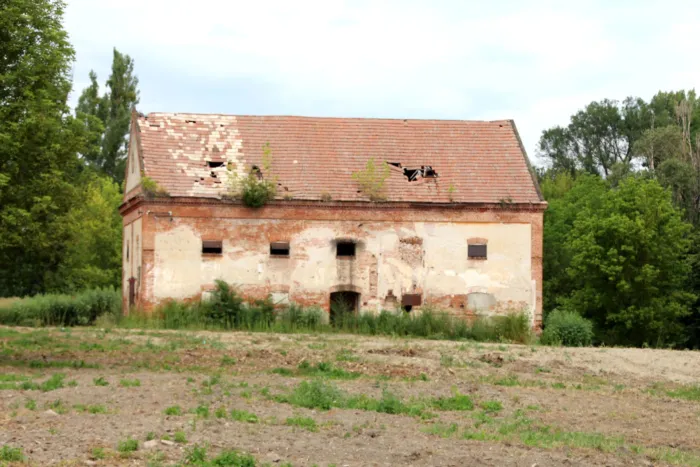
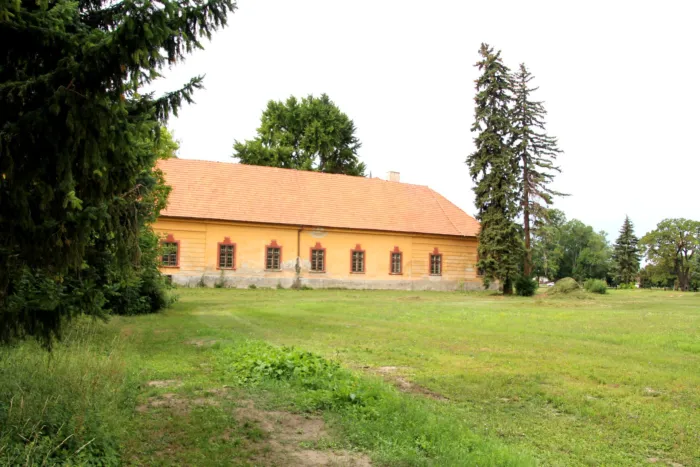
A building with a northwest-southeast symmetrical axis, a closed courtyard, and a complex floor plan. Its main wing is a one-story representative building located in the northwest, to which the farm buildings are attached at two ends, approximately closing the inner courtyard in a horseshoe shape. Its total area is particularly large, exceeding one hectare with its courtyard. ; A 17th-century Renaissance castle stood on the site of the present building, but its floor plan is unknown. The castle visible today was completed in 1760, probably built by Ferenc Esterházy, and presumably designed by the family's in-house architects, Jakab Fellner and/or József Tallherr. It was not in the family's use for long, as an orphanage (this was the first Hungarian state orphanage) was founded in it in 1763, and then, after the orphanage was moved to Szenc, it was used as a punishment house. This did not stay here for long either, the penal institution moved to Szeged between 1785 and 1790. ; After that, it was officially abandoned for decades, but presumably the castle school moved here in the meantime. The Esterházy family was apparently in no hurry to re-inhabit the castle because they had their residence in Cseklész (http://muemlekem.hu/hatareset/Esterhazy-kastely-Cseklesz-127), and the Tallós castle was only used in the summer, during hunting seasons. In 1825, Mihály Esterházy founded an English thoroughbred stud farm in Tallós, which became world-famous in the second half of the century. In 1910, the castle was modernized, and central heating was installed in most parts, because after 1906, Count Mihály's widow moved into the castle permanently with her two daughters. After World War II, the Esterházy family left, and the state farm office and kindergarten moved in. Most of the garden buildings were demolished in the second half of the century. ; The former castle park is located northwest of the castle, which is protected. The castle, which is in need of renovation, is owned by the Ministry of Education. In 1763, Maria Theresa planted an oak tree in the park, which still lives today. In the fall of 2013, as part of the celebration of the 250th anniversary of the orphanage's founding, Charles of Habsburg planted an oak tree in the castle park. ; After World War II, it became state property, in 1957 it became an agricultural vocational institute, and since 1967 a boarding special school has been operating within its walls.