
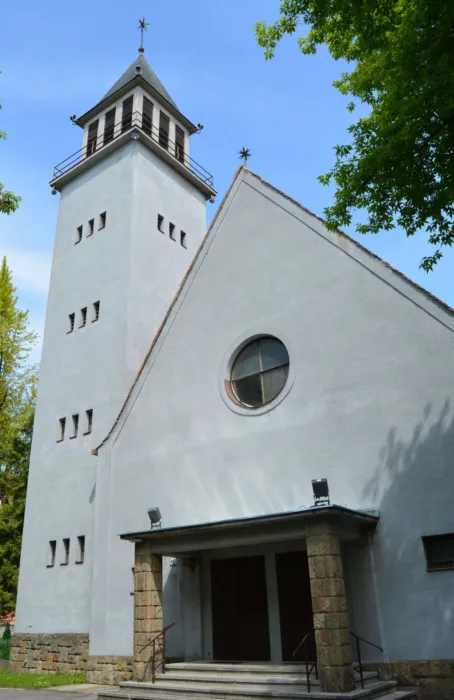
Érsekújvár Reformed Church
Building, structure
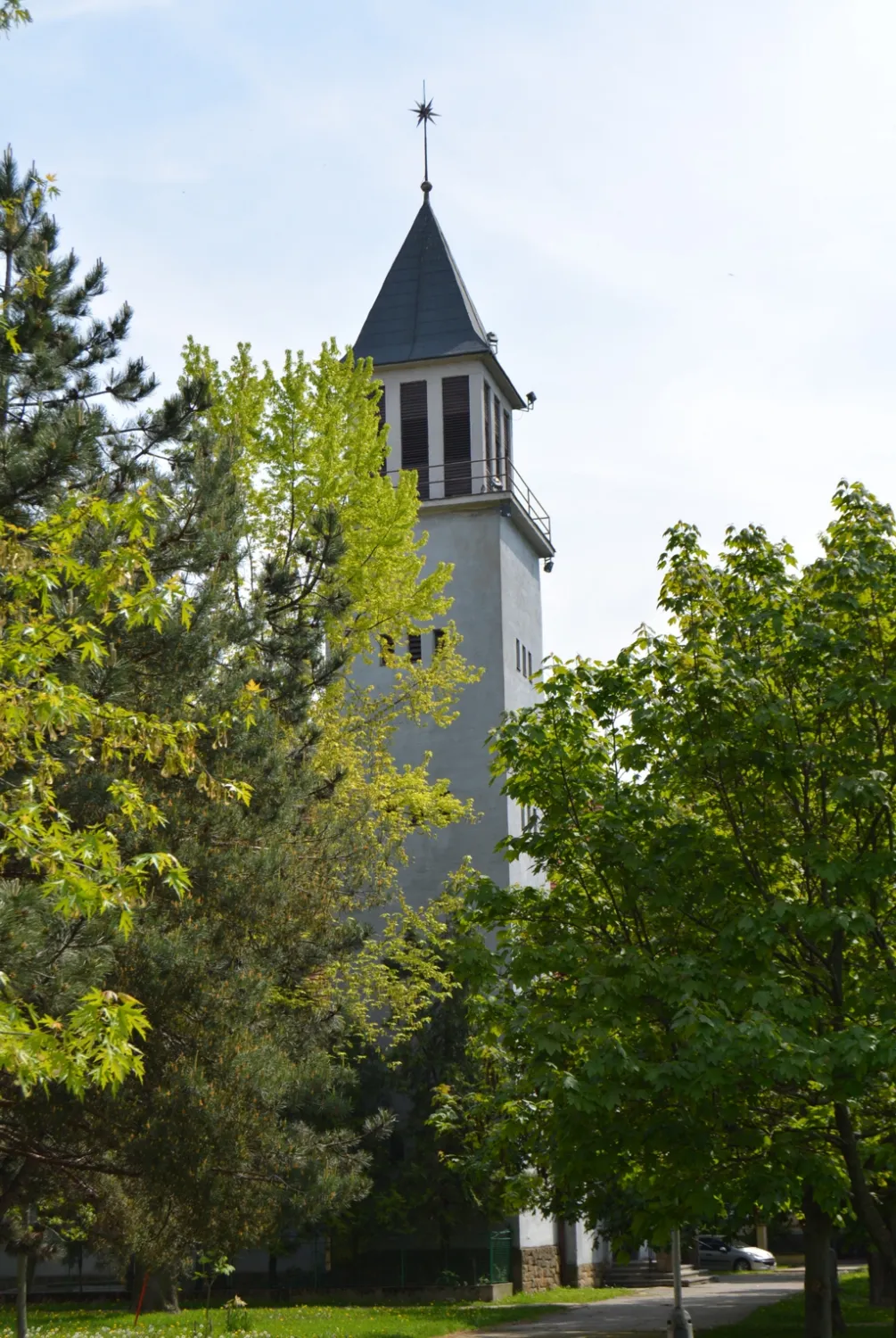
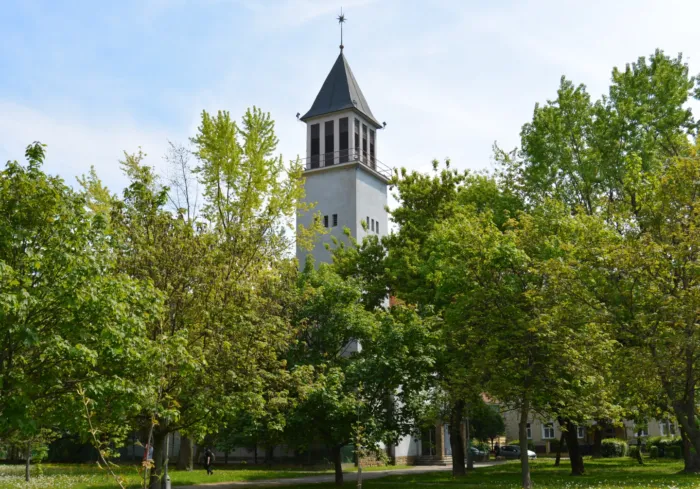
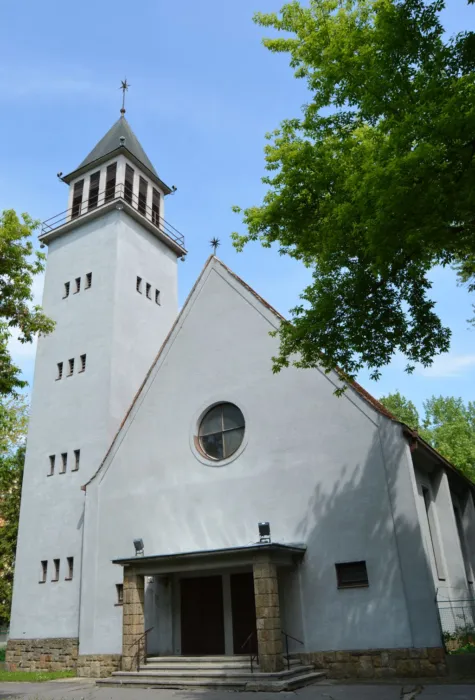
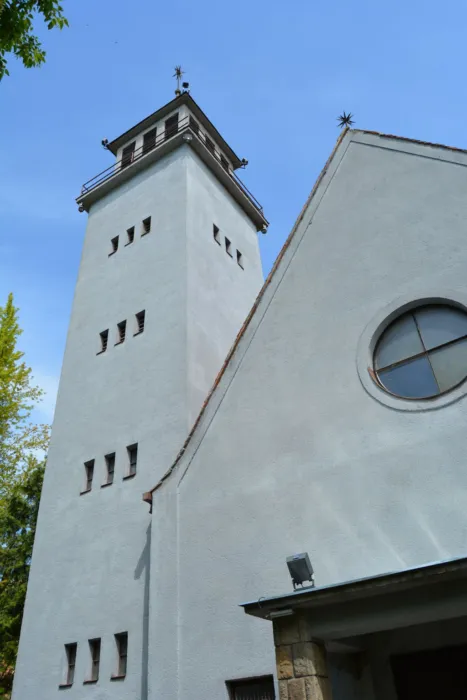
The second founding of Érsekújvár falls on the period of the Reformation, when the economically and politically oppressed joined the camp of the followers of the new faith en masse. The Reformed movement spread after the appearance of the preacher and printer Anaxius Gál Huszár, who not only established organized congregations, but also founded a printing press in Komját around 1568. The second half of the 16th century can also be considered the date of the establishment of the first Reformed church and school in Érsekújvár. Evliya Cselebi, a Turkish traveler, reports about it in one of his descriptions: "There are three large churches of very strong construction in the castle. The largest and most distinctive is the Hungarian church (meaning the Reformed New Church), in which there are no statues or idols, and its walls shine like white marble, and in some places crosses are visible. The church was 110 feet long and 80 feet wide. (I foot - 30.48 cm.) When Bocskai's leader, Bálint Homonnai Drugeth, captured Érsekújvár in 1606, the Reformed people of Újvár already had a bishop, in the person of Miklós Dobronoki. He was followed by Péter Csene Szenei, then István Szathmáry Ötvös, whom Zsuzsanna Lorántffy herself, the wife of György I Rákóczi, appointed as pastor. After 1663, the Turks The church is converted into a main mosque. The pastor is forced to flee, and the approximately 3,500-member Reformed congregation disperses. Unfortunately, the Reformation did not revive after the liberation from Turkish rule in 1685. Although attempts were made to remedy the Reformed grievances during the freedom movement of Ferenc II Rákóczi in 1707, many people at that time referred to point I of Széchényi's charter of privileges issued in 1691, which states that only Roman Catholics or those whose conversion is certain should be admitted to the population of Újvár. For these reasons, the number of Reformed people only begins to increase in 1914. The enthusiastic members of the church work to build a church. They have created a church for themselves from three rooms of a building, which was consecrated in May 1934. After 1938, the The enlarged Reformed congregation set the goal of building the Thanksgiving Church, whose designer and builder was Zsigmond Szegheő, an engineer and city councilor. This is also indicated in the letter dated 20. XI. 1941 addressed to the Reformed branch church of Ársekújvár: "The Ársekújvár ref. branch church is building a Thanksgiving Church, the bells of which will be rung on 1942. XI. "They will be buried on the 8th." As a result of the bombing in March 1945, 80 percent of the city's buildings were destroyed, including the Reformed church and parish. Twelve years later, in 1957, the current Reformed church and parish were built on the old foundations. The tower, which was demolished in 1976, is 30 m high. The complete interior renovation of the church took place in 1984. The names of the donor families are written on the copper plaques on the hardwood benches. The interior furnishings include an organ and a harmonium. In 1986, the congregation's long-cherished wish was fulfilled, and they were able to purchase an electric organ worth 33,000 crowns from their own funds. The Reformed Church of Érsekújvár, with its noble simplicity, is one of the most precious monuments of the modern architectural style of our time.