
Érsekújvár Castle
Building, structure
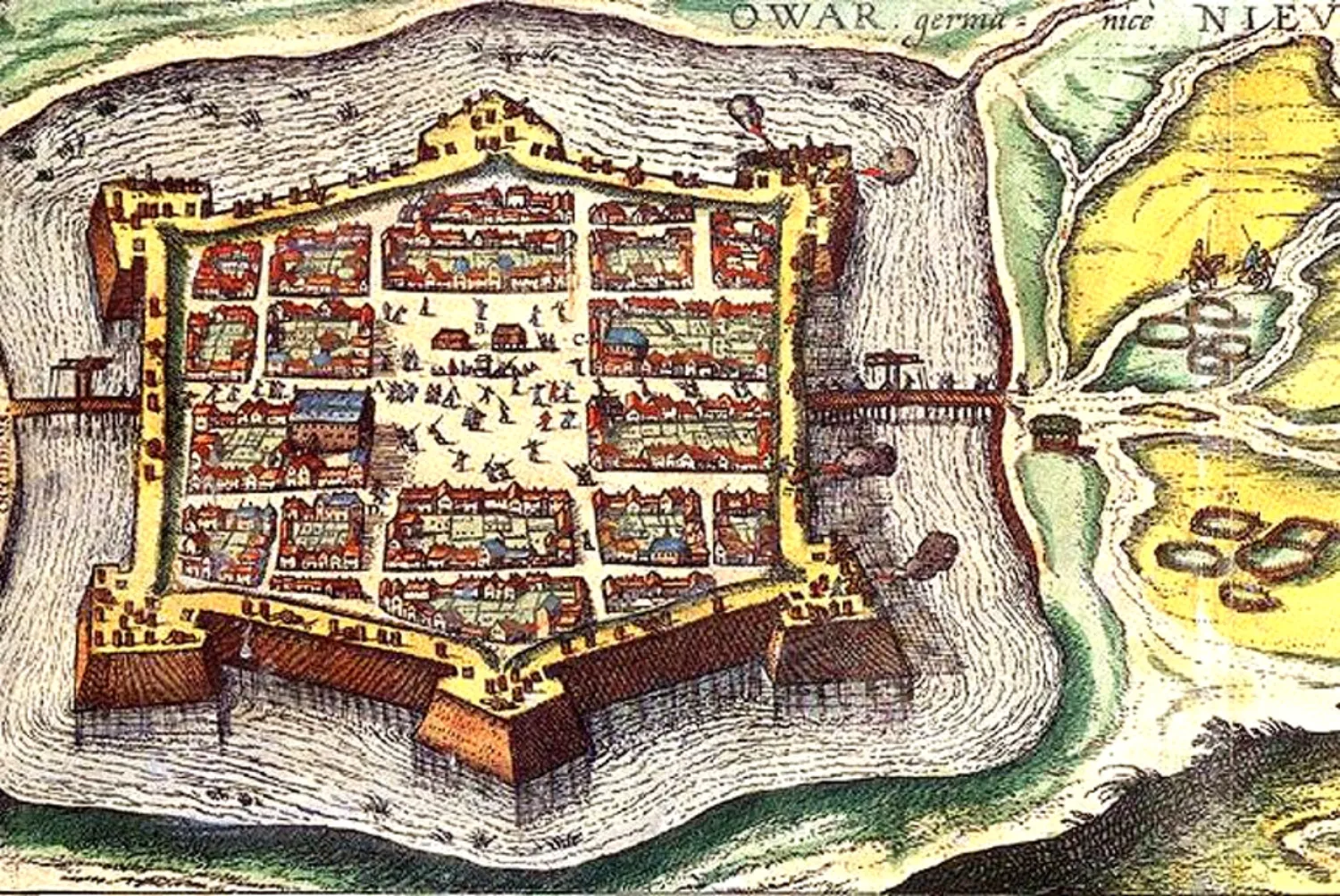
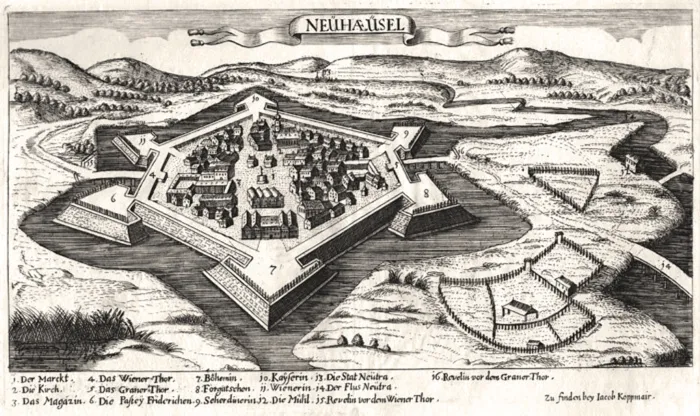
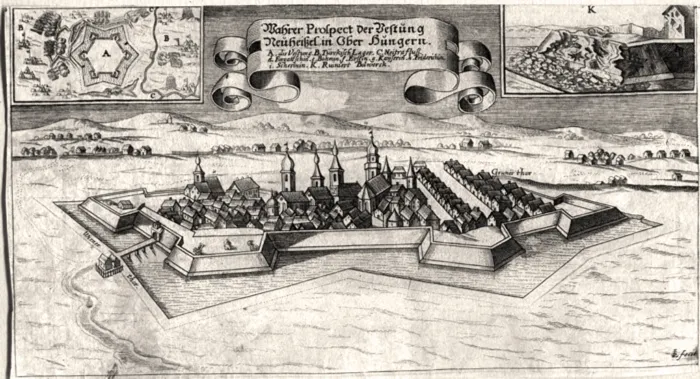
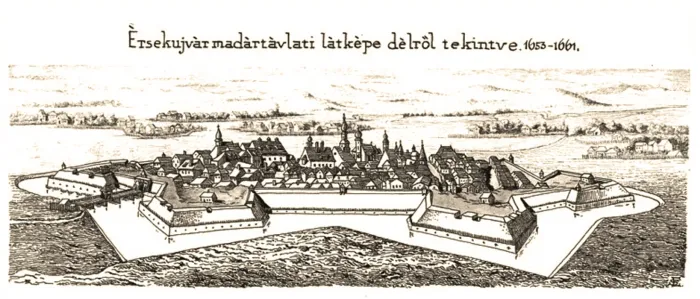
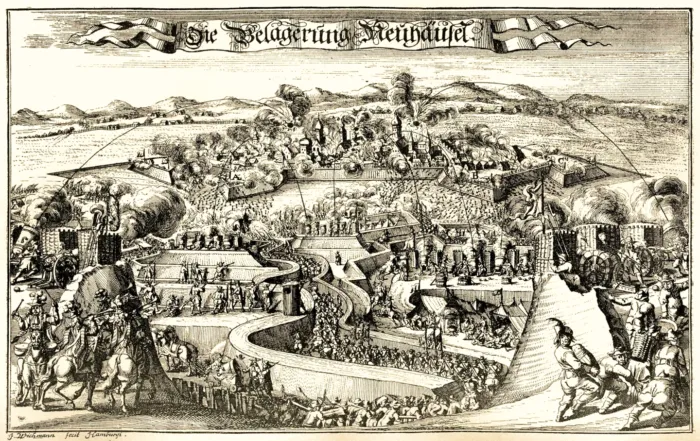
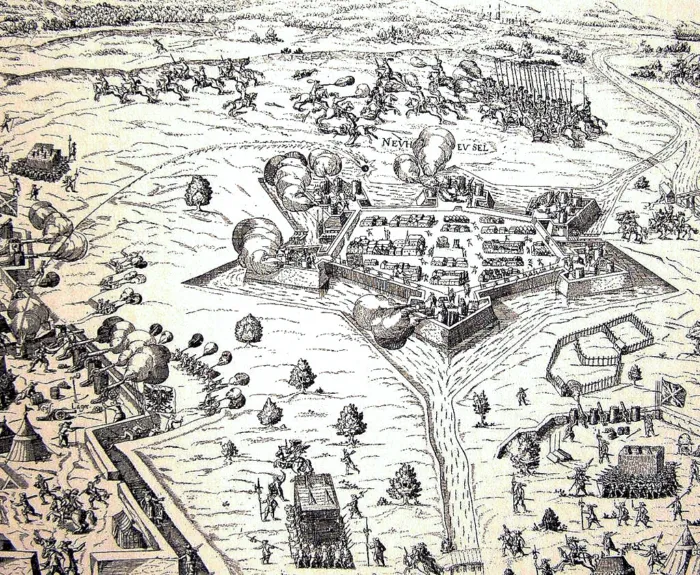
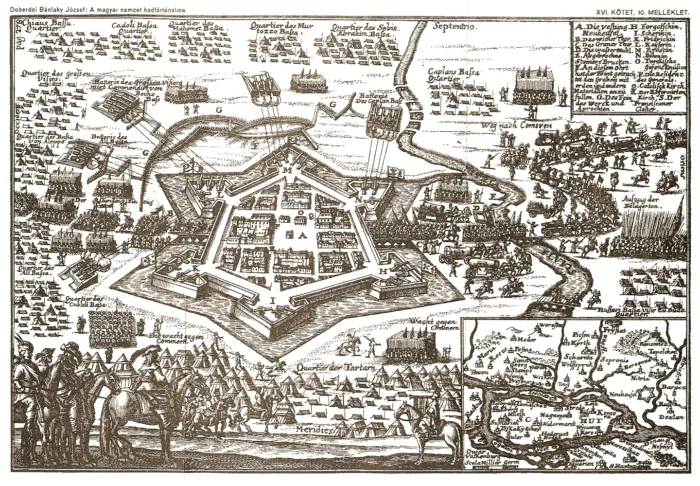
The historical and strategic role of Érsekújvár dates back to the beginning of the Turkish expansion. The defeat at the Battle of Mohács on August 29, 1526 was one of the most tragic events in Hungarian history. On August 29, 1541, the Turkish army occupied the Hungarian capital and royal seat, Buda. In fact, on August 10, 1543, the Turks occupied the country's other stronghold, Esztergom. Due to this successful advance, the Kingdom of Hungary was unable to build a strong border fortress line between 1526 and 1541. ; The interests of the country's defense required the construction of a new defense line deep inside the country's territory. The strongest castles of the defense line: Szigetvár, Kanizsa, Győr, Érsekújvár, Eger, Tokaj and Szatmár. ; The Órsekújvár fortress was founded twice. The first castle was built around 1545 on the banks of the Nyitra River on the Lék estate of the Archbishop of Esztergom. The founder of the Lék castle was Pál Várday (1483-1549), Archbishop of Esztergom. The castle was built in the Hungarian style, a palanquin castle (castellum) with four bastions and two castle gates. Later, after the death of Várday, Miklós Oláh (1493-1568), Archbishop of Esztergom, further built and strengthened the castle. It was named Oláh-Újvár after him. The strength of this castle consisted of ca. 300 cavalry and infantry. The task of the castle was to prevent the expansion of the vassalage and to protect the villages from Turkish raids. ; Unfortunately, the fortress could hardly withstand a major military attack, so in the summer of 1571, Antal Verancsics (1504-1573), Archbishop of Esztergom, and the king's commissioners: Miklós Salm, Frigyes Zserotin and Primiszló Proznovszky, designated the location of the new castle to be built on the Gyorok Archbishopric estate on the right bank of the Nitra River. The builders and designers of Érsekújvár were the Italian Baldigara brothers, Giulio and Ottavio. The regular hexagonal castle, built according to the most modern military principles, was reinforced with a modern new Italian-style eared bastion at each peak. The castle's task was not only to protect the immediate surroundings, but also to prevent the Ottoman army from advancing towards Vienna. The outer perimeter of the castle walls, built partly of burnt bricks, was 3 km, the walls were 10 m thick and 18 m wide. The 35 m wide and 4.5 m deep moat surrounding the fortification was filled with water from the Nitra River. ; ; The modern Renaissance fortress contained a city. In the middle of the rectangular street system was a rectangular main square. Frigyes Zserotin, who led the construction, handed over the castle to Count Simon Forgách on October 2, 1580, who thus became the captain of Újvár. ; The names and origins of the six bastions: Zserotin, Frigyes (the construction manager), Cseh (the Czech orders contributed financially to the construction), Forgách (the castle captain), Császár (Miksa, the Hungarian king, who was also the Holy Roman Emperor) and Ernő bastion (Archduke Ernő, the governor of Hungary). ; Érsekújvár was also the center of the defense system of the anti-Turkish battles during the order uprisings, so the headquarters of the captaincy was also located here at one time. According to the Nikolsburg Peace Treaty of 31 December 1621, Érsekújvár became a royal fortress. ; In the autumn of 1662, the Sublime Porte launched a campaign against the Emperor of Vienna, as he had violated the Žitvatorok Peace Treaty. Before Vienna, three strong castles stood in the way of the Ottoman army: Győr, Komárom and Érsekújvár. The leader of the Turkish army was Köprülüzáde Ahmed Pasha, to whom history gave the name Fazil (virtuous). The Turkish army camped on 10 August 1663 at the Zsitva River. The number of the Turks was about 52,000 people. The defending army of Újvár consisted of about 3,000 infantry and 500 cavalry soldiers. The commander-in-chief was Ádám Forgách. The Újvár fortress fell into Turkish hands on 4 September 1663. One of the oldest buildings in Érsekújvár that has survived to this day is the Roman Catholic church on the Main Square, which was built around 1580. ; At the urging of Pope Innocent XI, the Holy League was established in 1684. It played a decisive role in Hungary's liberation from Turkish rule. Prince Charles of Lorraine became the commander-in-chief of the united army. On June 7, 1685, Colonel Heister surrounded Érsekújvár with his soldiers and began the siege of the castle with about 43,000 soldiers. General Caprara was entrusted with the management of the siege, who ordered a general assault on the castle on August 19, 1685, with the support of the war council, and after a short battle, Érsekújvár was liberated after 22 years of Ottoman rule. ; Count György Széchényi, the prince-primate of Esztergom, elevated Érsekújvár to city status with a charter on October 29, 1691. This charter was confirmed and approved by Emperor Leopold I on October 12, 1692. György Széchenyi died half a year later at the age of 103, but in his will he left 180,000 frt for the renovation of the Hungarian border fortresses, of which Érsekújvár also had plenty. ; Érsekújvár's military glory shone again in the 1700s, as it became one of the most important military strongholds of the Rákóczi War of Independence. The city supported Prince Ferenc II Rákóczi, and even the traitor Brigadier László Ocskay, who was one of the most outstanding commanders of the Kuruc army until his betrayal, was executed here. With the surrender of Érsekújvár on September 24, 1710, the Kuruc world ceased to exist in the county. With the decline of the Kuruc's lucky star, Érsekújvár's military role also ceased, as it was forced to share the fate of many Hungarian castles, because Emperor Charles III ordered the demolition of the castle in 1724. This ended the 150-year history of the fortress. The moat around the castle was removed in 1822. However, the hexagonal layout can still be seen in the city's floor plan.