
Church of Saint George the Martyr in Éberhard
Building, structure
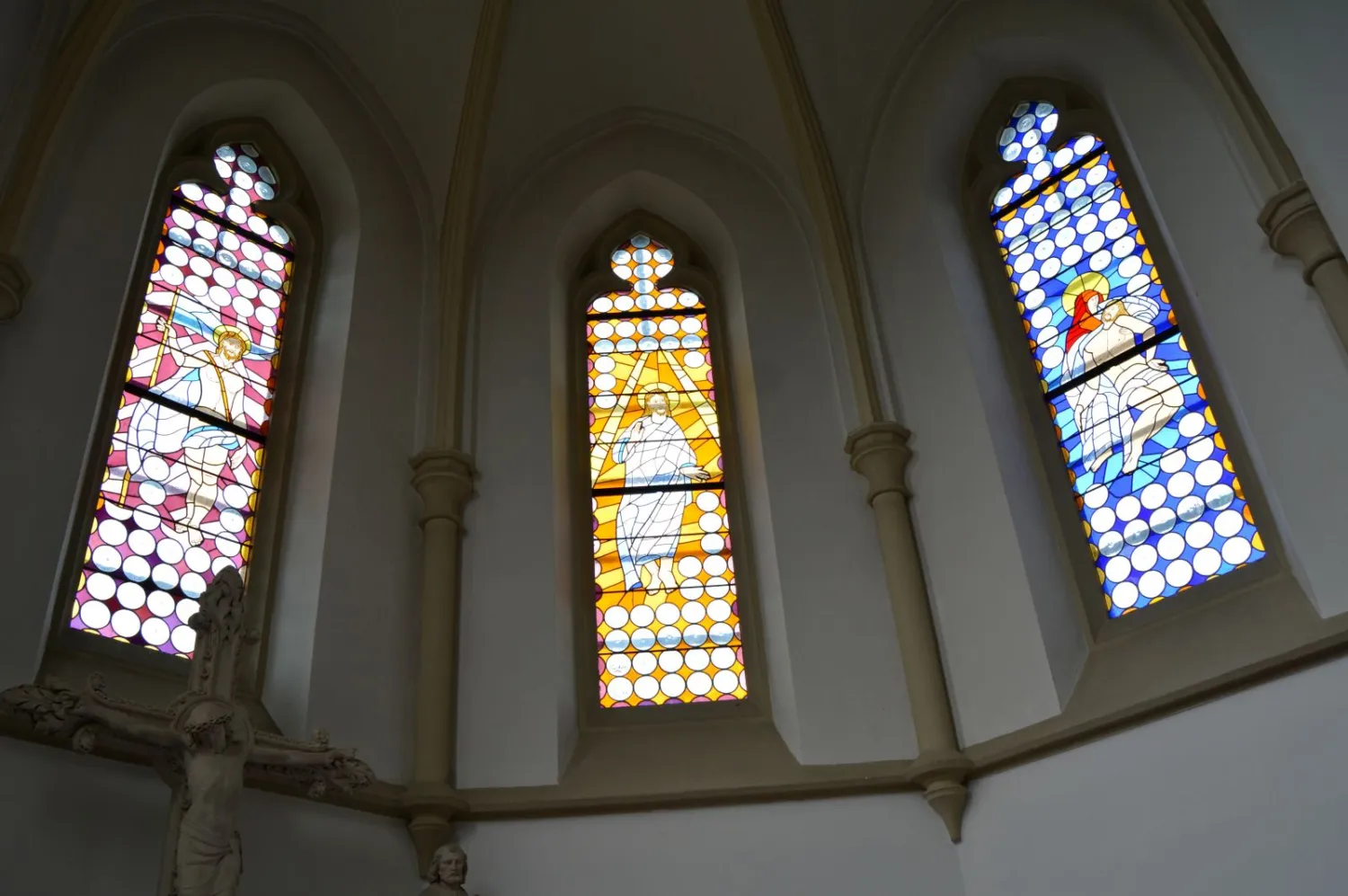
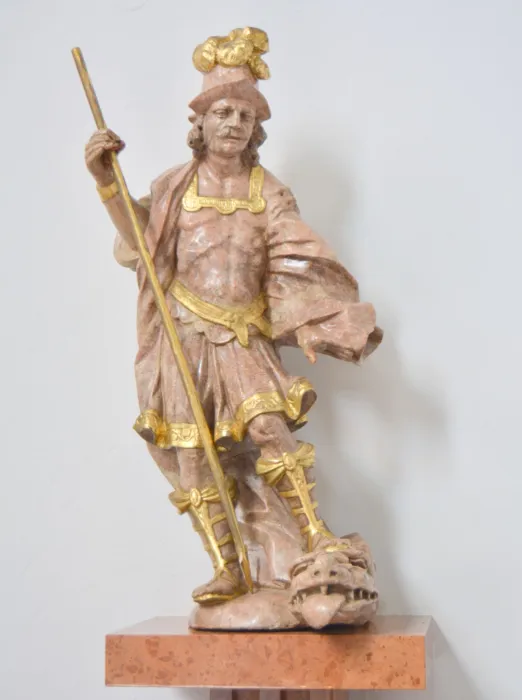
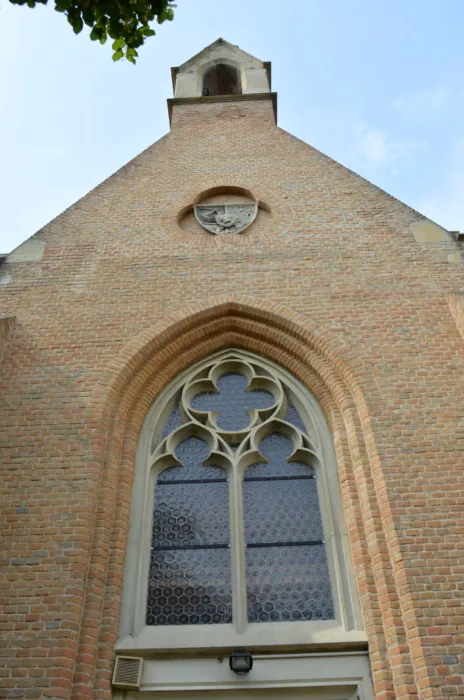
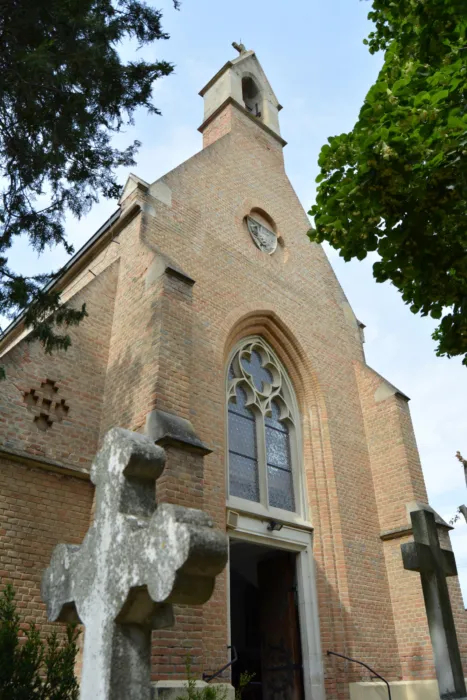
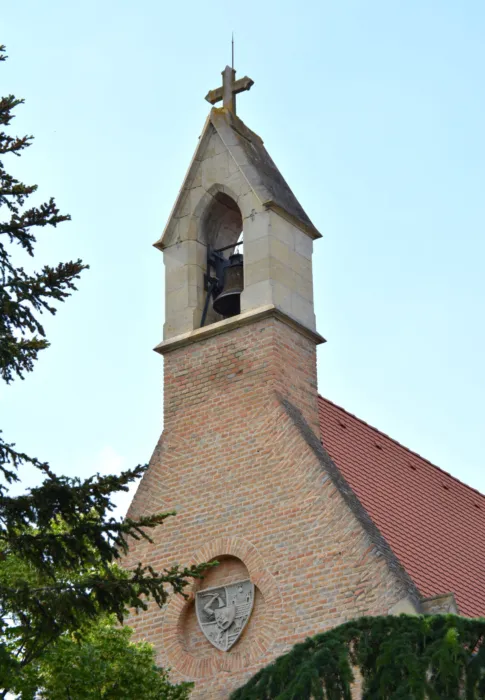
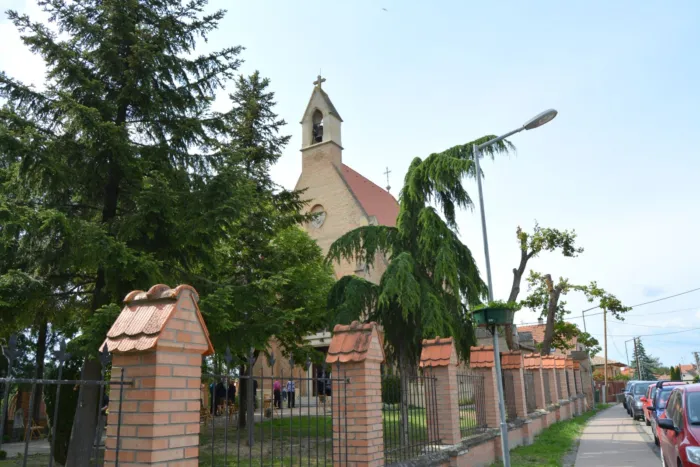
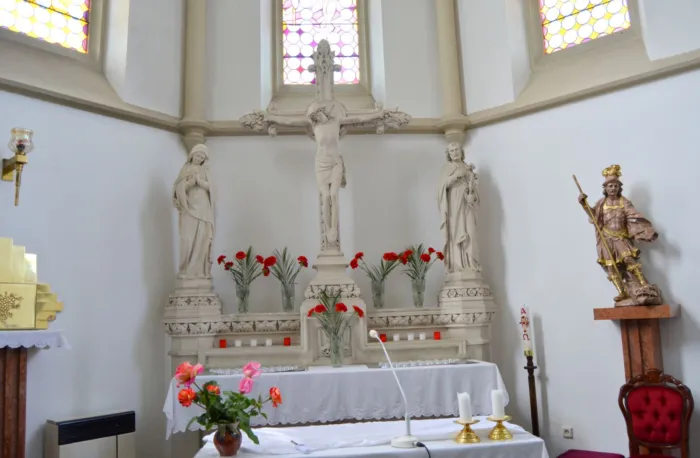
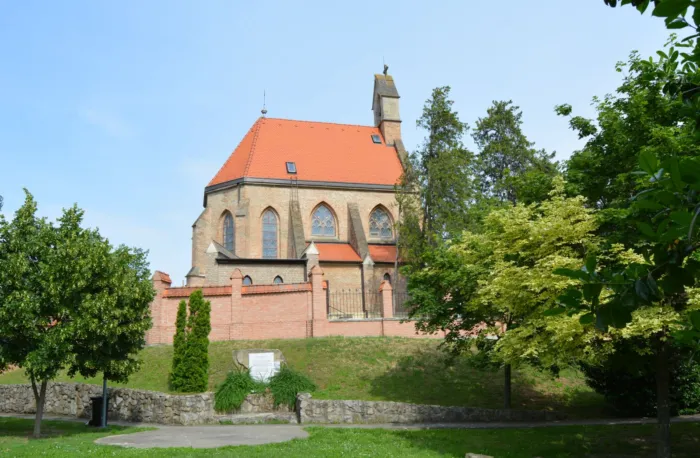
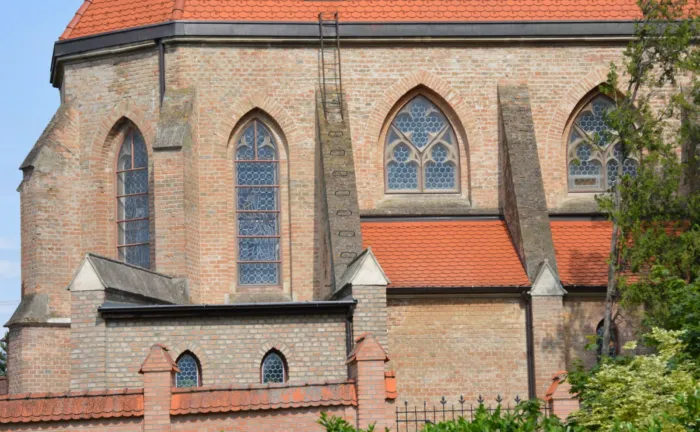
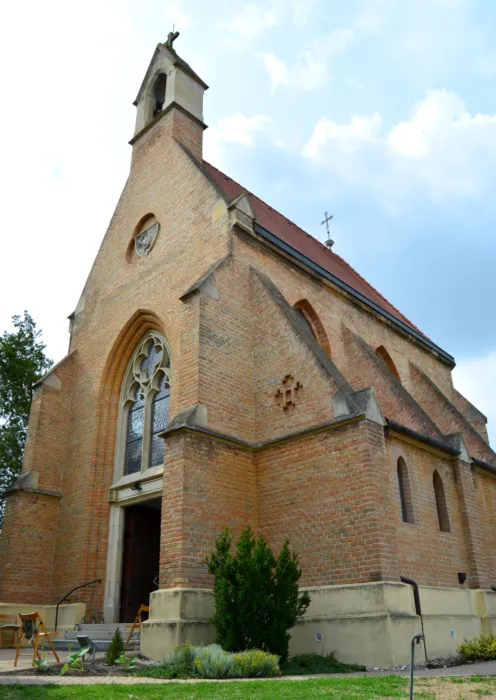
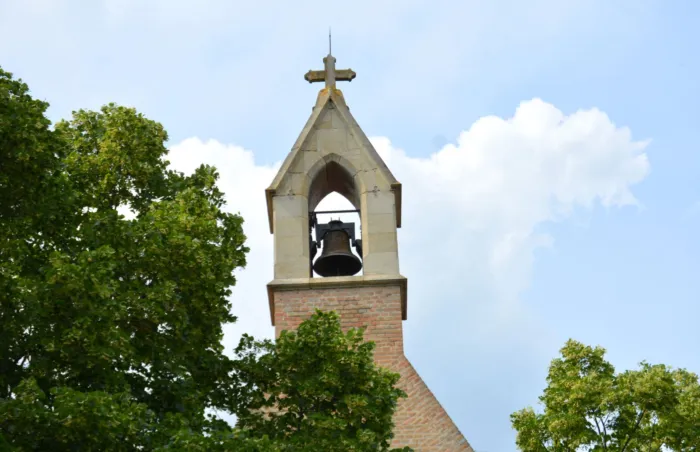
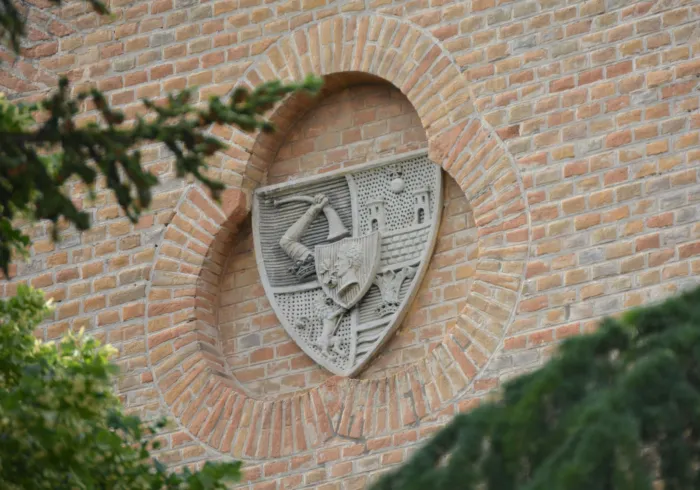
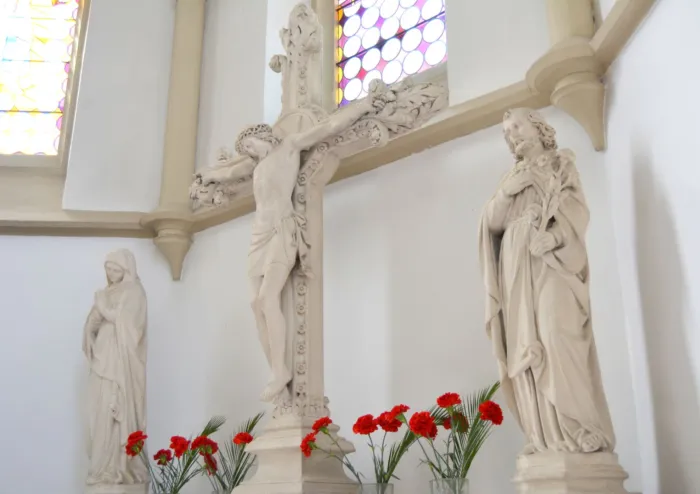
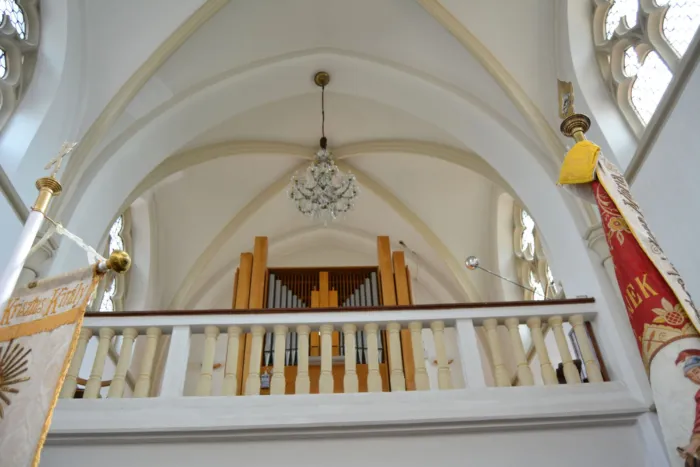
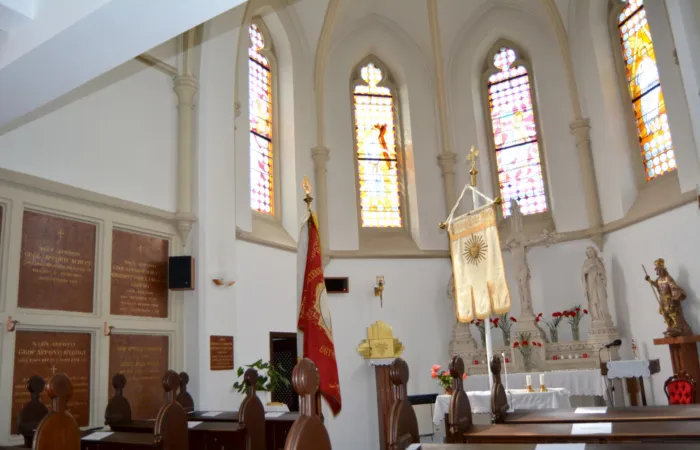
The original Éberhard church, mentioned in 1390, "disappeared" sometime in the 16th or 17th century. After that, the village services were held in the castle chapel. The original, neo-Gothic burial chapel of the Apponyi family, which was built in 1872 on the hill behind the cemetery, was only transformed in 1950, and thus became the Church of St. George the Martyr. This is a hall church built of unplastered brick with a polygonal closure of the presbytery. Above the portal decorated with stone wall cladding on the main facade of the church, there is a large, pointed arch window with a rosette. The main facade ends in a built-in turret, below which is the stone coat of arms of the Apponyi family. The bell hanging in the turret was repaired in 1994. The other facades are also divided by neo-Gothic pointed arch windows with rosette decorations. The building is supported by a series of supporting columns. A small sacristy was added to the church in 1953, which was expanded in 1993-94, and at that time a new sacristy was also built on the south side. The interior of the church is covered with a ribbed cross vault, which runs into vault stones. The vault and walls are decorated with rich neo-Gothic ornamental paintings. There is a brick organ box above the entrance, which was built in 1953. The organ was made in the 1980s. The stone main altar with the cross above it dates from the time of the construction of the chapel. There is a communion relief on it, and on both sides there are statues of the Virgin Mary (originally in the old school) and Saint Joseph. The sacrificial table and the holy water font are made of gray marble. In the nave there are 14 small photographs of the Stations of the Cross. In the sacristy there is a statue of the Virgin Mary of Lourdes and St. Therese. In the other sacristy there is a neo-Gothic cabinet, which was originally in the nave. The early Baroque statue of St. George was moved from the castle chapel to the church in 1953. The wooden, polychrome statue of St. Joseph, St. Anthony and St. John the Golden-mouthed is also from the castle chapel, as is the polychrome statue of the Pieta from the 19th century, which is now placed in the Mary's house. The plaster statue of the Virgin Mary was made in 1952. ; Several members of the Apponyi family are buried in the church: Jr. György (1808-1889) and his wife Countess Júlia Sztáray (1820-1871), Károly (18051890) and his wife Countess Leopoldina Klebelsberg (1817-?), Count Akbert Marzani (1841-1906) wife, A. Georgína, Albert (1846-1933) and his wife Countess Klotilda Mensdorf-Pouily (1867-1942). The brick fence surrounding the church and built at the same time was repaired in 1994. ; The inscription on the processional cross next to the entrance to the church: SZENT MISSIO 1944, 1993. There are 11 graves in the church garden, with various tombstones and cast-iron grave crosses, the loyal employees of the Apponyi estate are buried here: Jr. János Kapfinger, chief forester (1849-1912), Neander Alise (1823-1905), Anna Kapfinger (1824-1897), Thomas Schaller (1816-1894), Riedl Schloky Anton, guard (1800-1878), Johann Kapfinger, chief hunter (1813-1878), Ignác Laschnitzky, cupbearer (1816-1881), Mihály Gergely, coachman (1815-1881), Hibárius P. Varsingh (1807-1882), Jozephine Rézy, French teacher (?-1917) and János Tafenner, locksmith (1856-1821).