
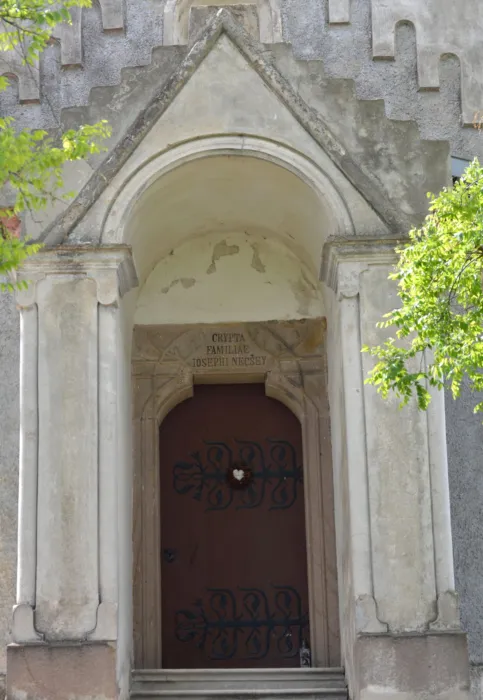
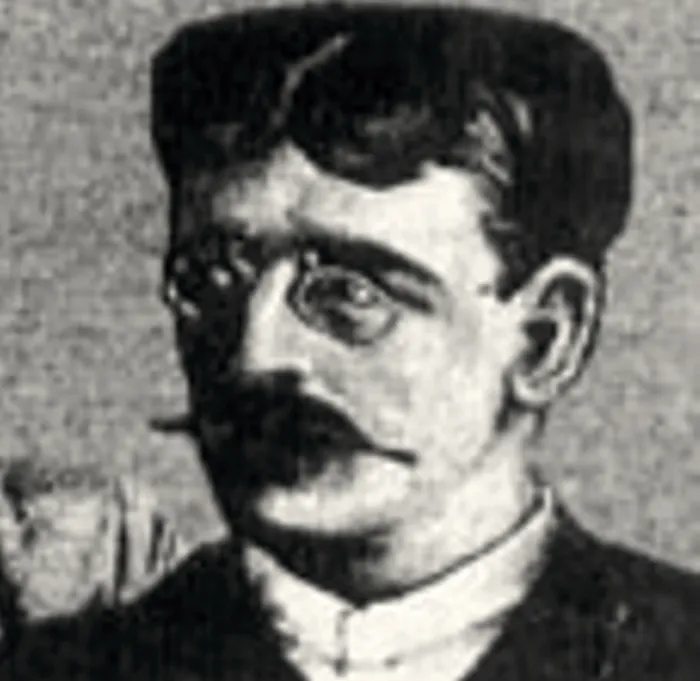
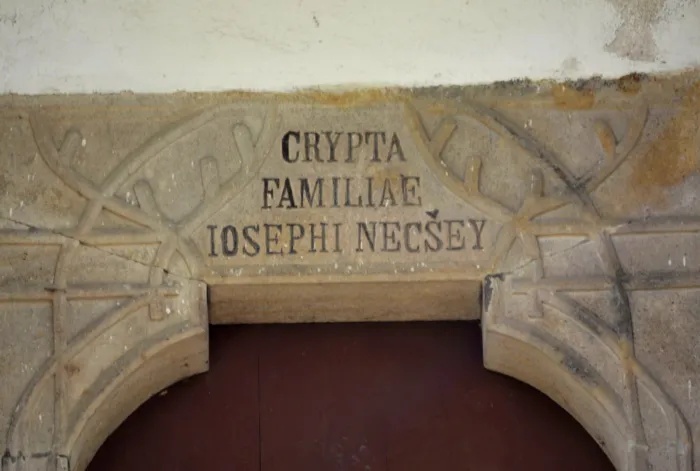
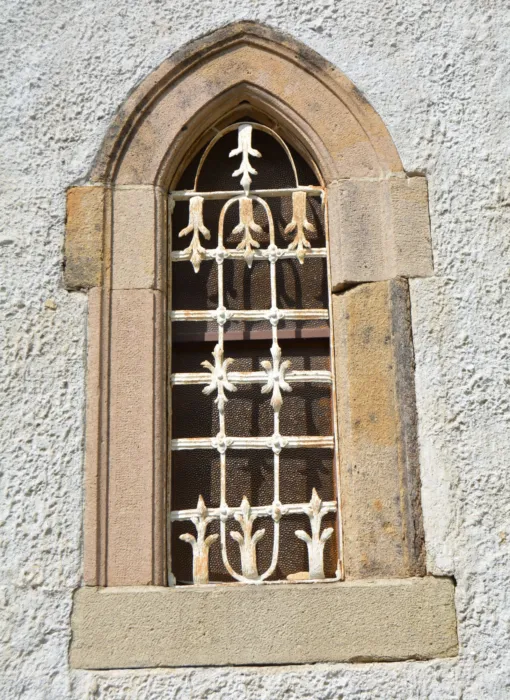
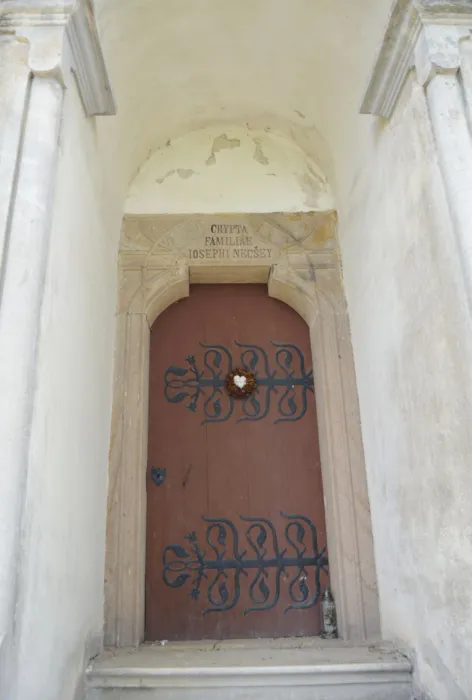
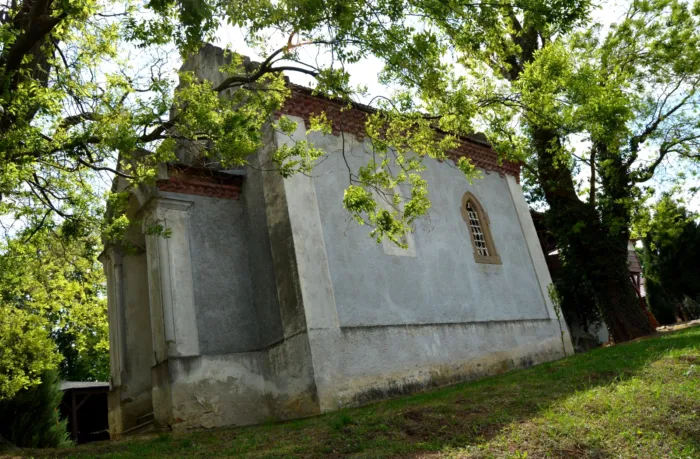
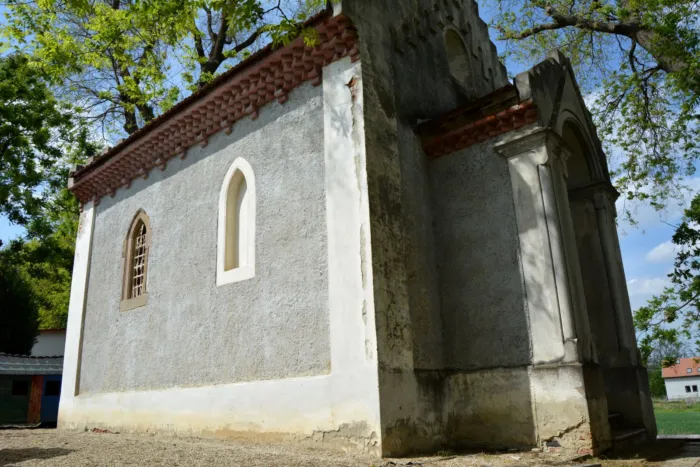
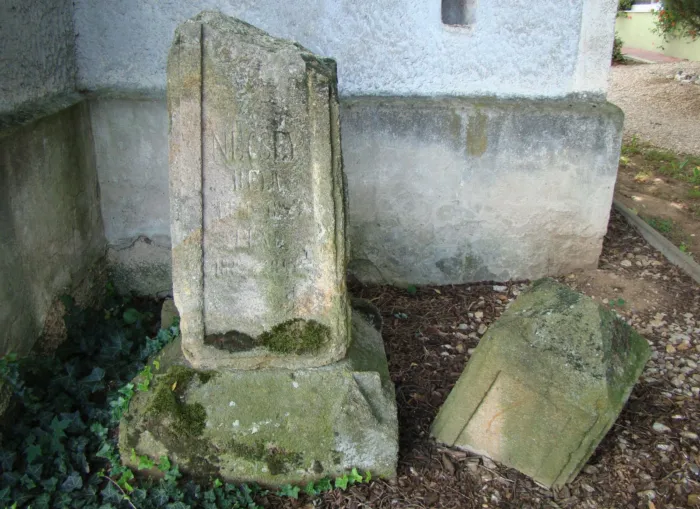
Resting place of lawyer Dr. Mihály Nécsey
Building, structure
Dr. Mihály Nécsey was a lawyer, then a notary of Verebély and a member of the city council and presidium. Mihály Nécsey was ten years younger than his brother (József Nécsey), and was born in Oszlány in 1852. We know very little about his childhood and youth, but the main thing is that his brother supported him both morally and financially in obtaining his doctorate in law. ; After obtaining his diploma, Dr. Mihály Nécsey worked in various places: he started in Léva, then continued in Bratislava and Nitra, but also worked in Budapest. He was a good-looking, educated man, and the upper circles and the aristocracy also accepted the lawyer from the Highlands. Until, at the request and persuasion of his brother, the postmaster (?), he moved to Verebély and settled there, and began his legal and public activities. Thanks to him, Verebély, which was called a village, was promoted to a city. Of course, it took ten years of hard work and difficult negotiations to raise Verebély to city status… ; Dr. Mihály Nécsey organized the volunteer fire brigade in Verebély, fought for the city’s sewerage system, the dust removal of the roads, built sidewalks and paved the roads, and also solved the regulation of the Zsitva, as it flooded the streets of Verebély during the spring floods and after the summer rains… ; Mihály Nécsey was a passionate winegrower and hunter in his private life. He had a neat hunting lodge built for himself under the vineyard hill, where he received his friends and guests. Today, a wine cellar operates in Mihály Nécsey’s castle-like hunting lodge, and few of the guests know that its former owner was – to use today’s terminology – Verebély’s “front man”. ; Returning to Mihály Nécsey's affection and love for nature, since he was a bachelor and had no children, he tried to instill his love for nature in his brother's sons. We can say that he succeeded, István Nécsey, the painter, received and inherited his love and affection for nature from him. ; But there were also disappointments in the field of hunting. For example, on February 26, 1899, when the Verebély representative body decided to lease the border, a hunting ground. True, it was an auction, the conditions of which were harsh. The starting price was set at 83 forints, three people bid for the hunting ground. The auction went like this: Mihály Nécsey kept the bidding going up to 231 forints, Gyula Kotor quit at 340 forints and finally Rezső Lischaner, a Budapest resident, received the hunting rights in Verebély for 12 years from Horváth Street 34 for 353 forints per year… ; Dr. Mihály Nécsey died unexpectedly at a relatively young age, at the age of 57, in 1909. His property was inherited by his brother, József Nécsey, whose first task was to have a chapel and a crypt built under the vineyard hill in Verebély, not far from the aforementioned hunting lodge. The ashes of Mihály Nécsey and the other members of the family rest there. ; During Mihály Nécsey’s time, urbanization and gentrification boomed in Verebély. Craftsmen and artisans moved to the city. Verebély also had a printing press, which was also used in the cultural field. In September 1903, the social, economic and literary weekly Felvidék was launched in Verebély. Its editors were Dr. Kálmán Oravetz, Dr. Gyula Demény, Lipót Grusz, István Svarda, Andor Kósa, Adolf Fejes. According to Dr. Árpád Szénássy, the paper was printed by Sándor Neufeld in Verebély, and then by the Hungária Nyomda. The paper was published regularly for twelve years, until 1915. The first world war destroyed its publication… ; At the beginning of the twentieth century, construction work also started in Verebély. The construction of its Catholic church was the largest investment at the time. The church was consecrated on August 15, 1901, in a ceremonial setting.