
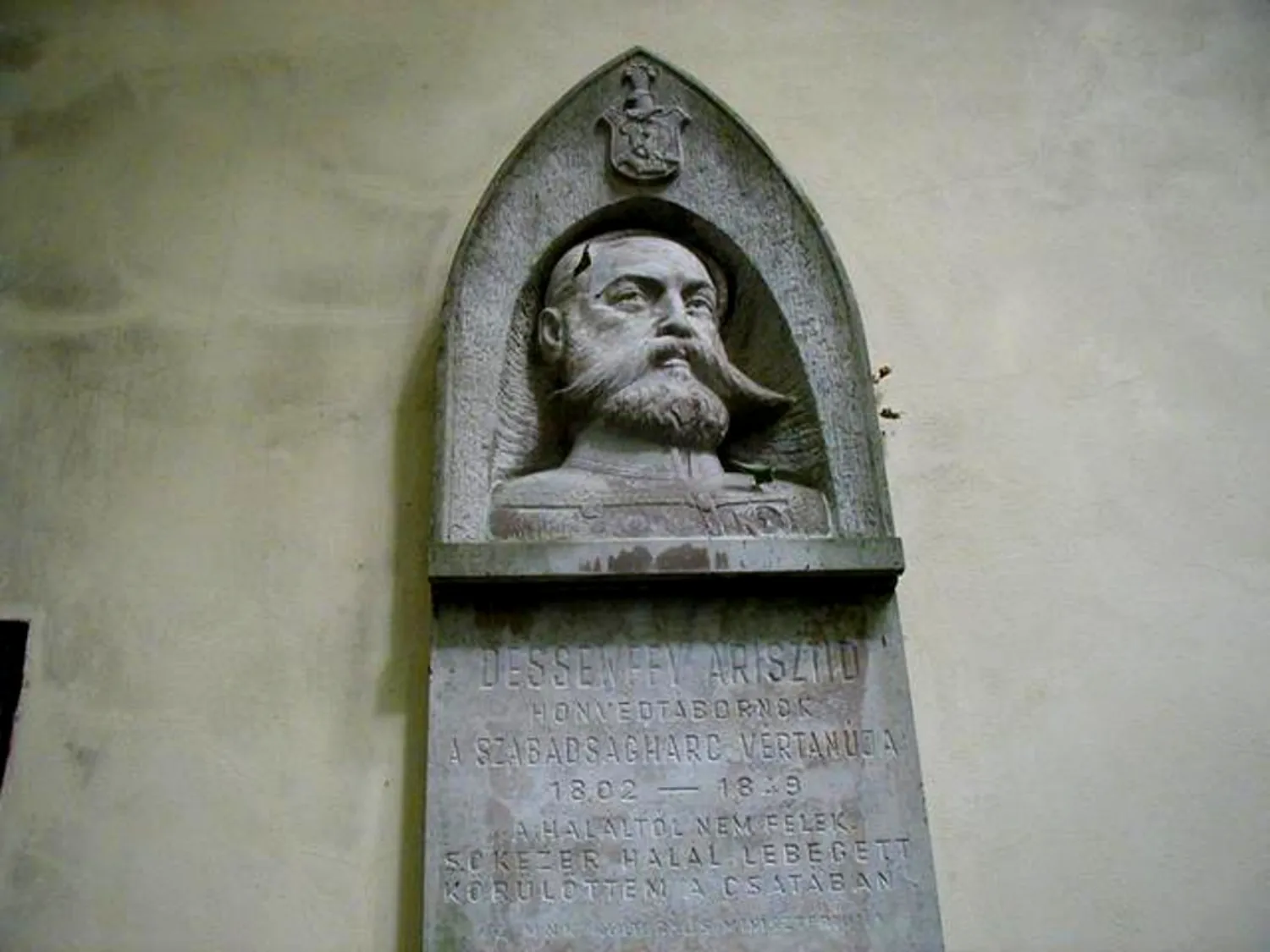
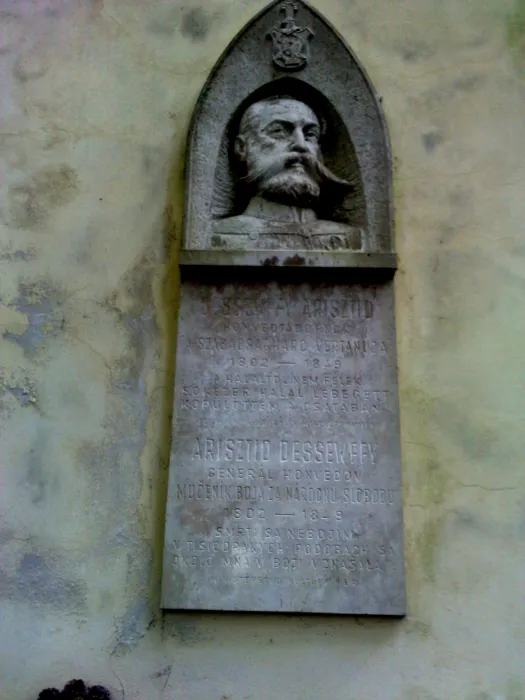
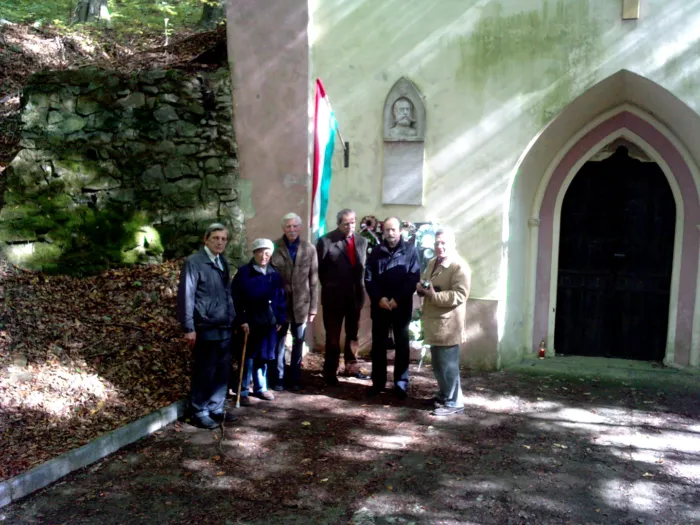
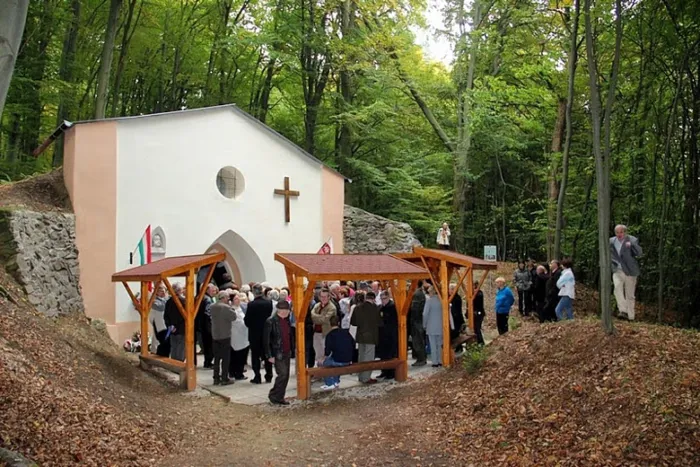
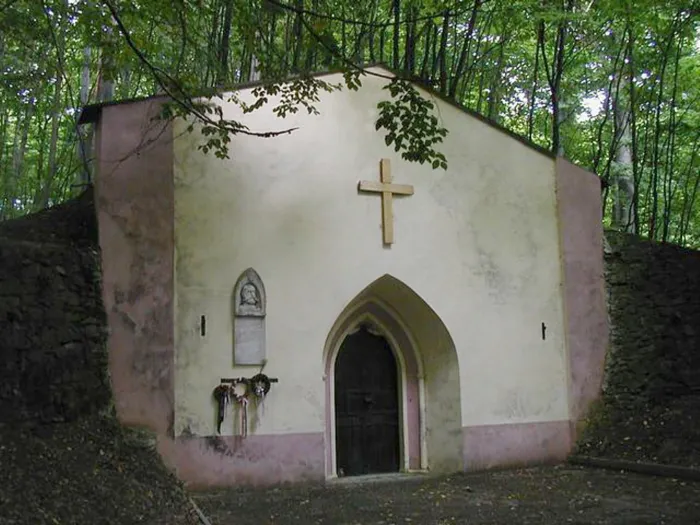
Tomb of General Aristid Dessewffy, martyr of Arad
Building, structure
Three of the 13 martyrs of Arad were born in the Uplands. Lajos Aulich, the last Minister of War of Independence, György Lahner, who later headed the artillery and armament department of the Ministry of War, and Arisztid Dessewffy, who was the commander of the Upper Hungarian Corps. ; ; Arisztid Dessewffy was born in Ósvacsákány (Cakanovce) in Abaúj County, the scion of a noble family. He completed his studies in Košice and Prešov. He served in the imperial army for 20 years, then retired with the rank of captain. The War of Independence brought a new turn to his life. After the battles of Košice and Tarcal, he was appointed colonel, and for his heroism in the Battle of Vác, he was appointed commander of the cavalry division, and later general of the IX. Corps. On September 26, 1849, he was sentenced to death by hanging with 12 others. Through the intercession of his friend Prince Lichtenstein, the sentence was commuted to death by shooting, which was carried out in Arad on October 6. In 1850, he was laid to rest on the family estate in Margonya. ; ; The tomb was broken into several times during the 20th century and almost everything was taken away, the bones were scattered. The tomb was only restored by careful hands in 1988, and then, with the support of the Hungarian State, the tomb was completely renovated. The tomb is a pilgrimage site for Hungarians in Slovakia on March 15 and October 6 of each year. ; ; The neo-Gothic chapel is listed as a protected monument. The Slovak Monuments Register 2 (Bratislava, 1968) states that the materials of the Renaissance castle that was still standing in 1518 were used to build the crypt. According to earlier Polish historiography, Stephen Báthory (1533-1586), the prince of Transylvania and king of Poland, was born in this castle. According to Hungarian historiography, he was born in Szilágysomlyó.