
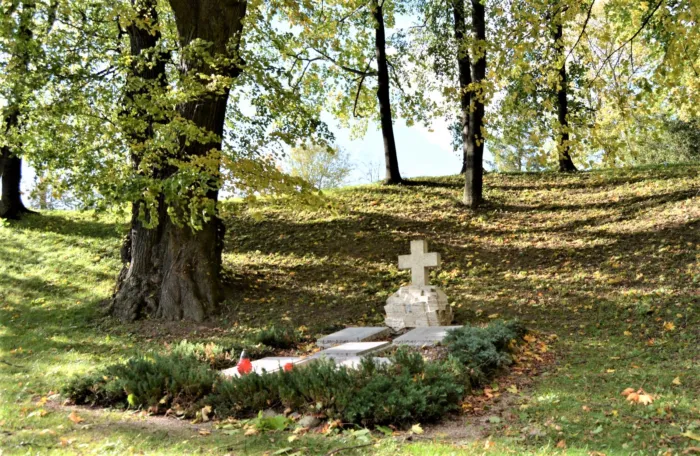
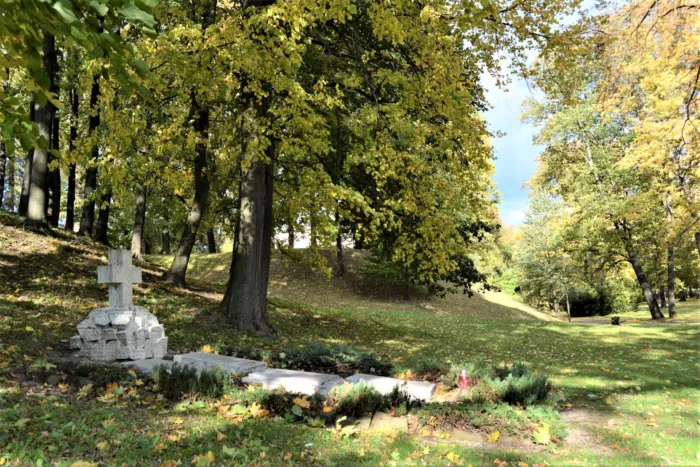
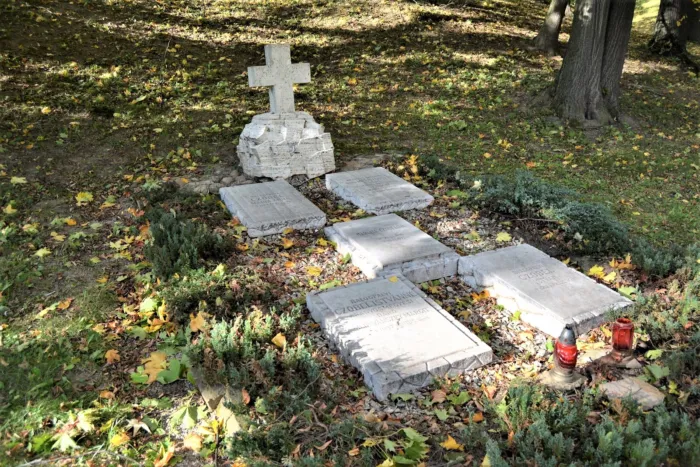
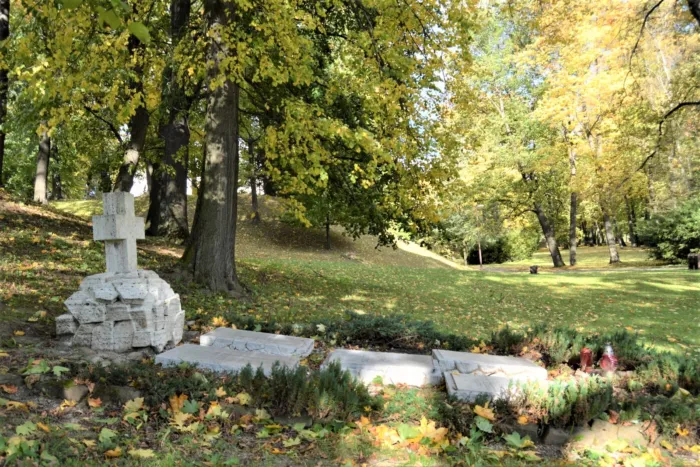
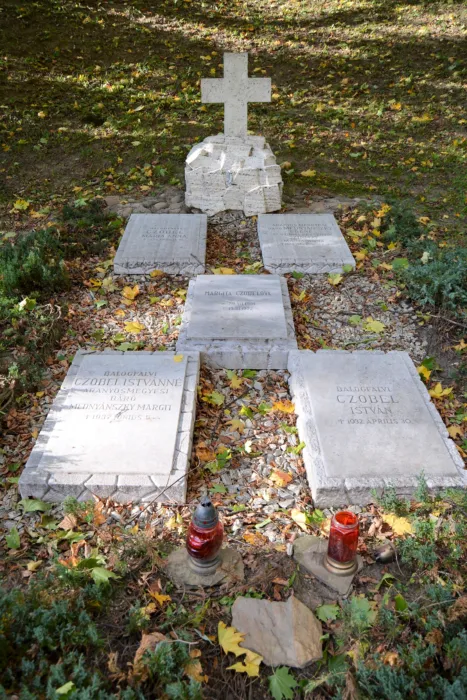
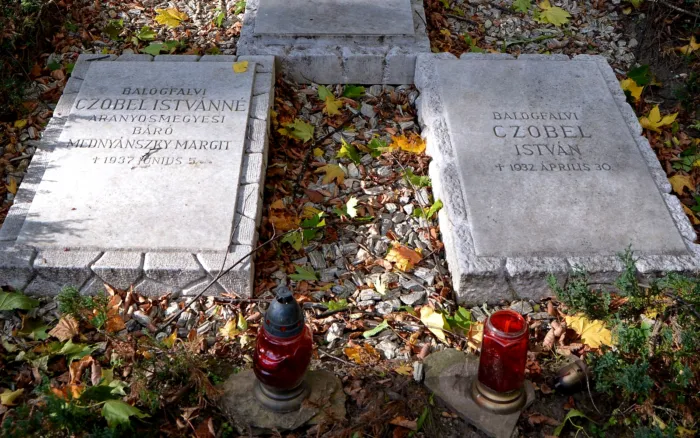
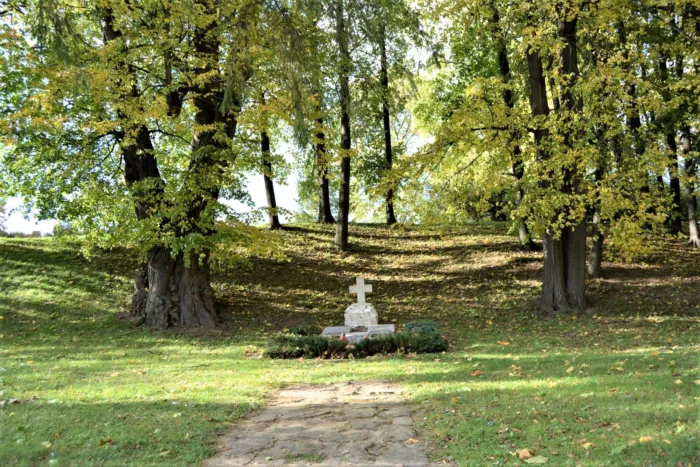
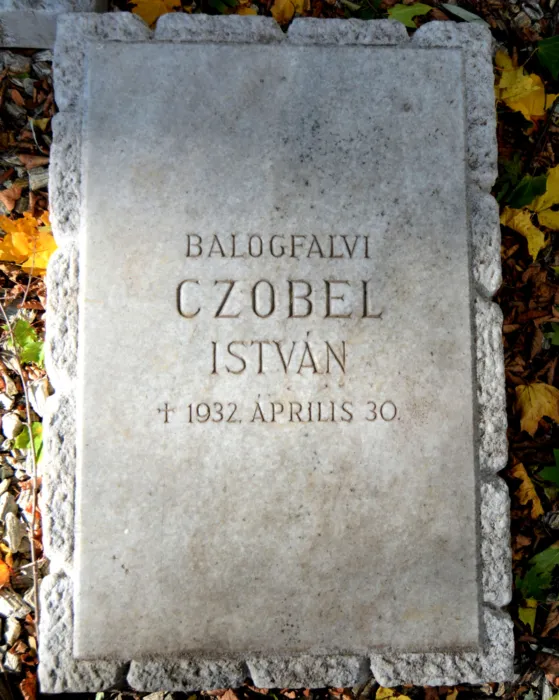
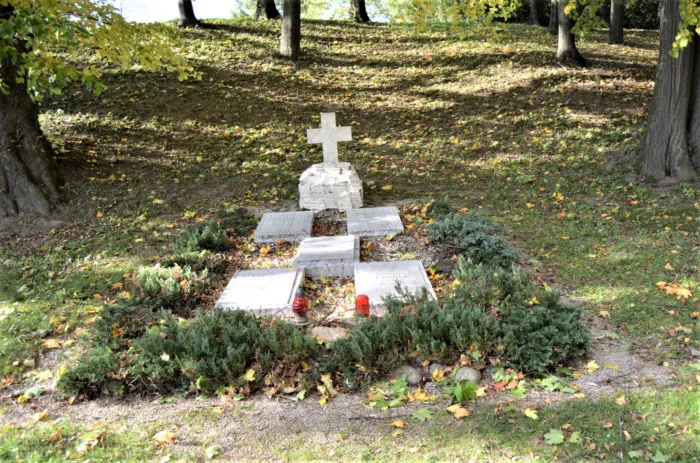
The resting place of István Czóbel
Cemeteries, tombstones, graves
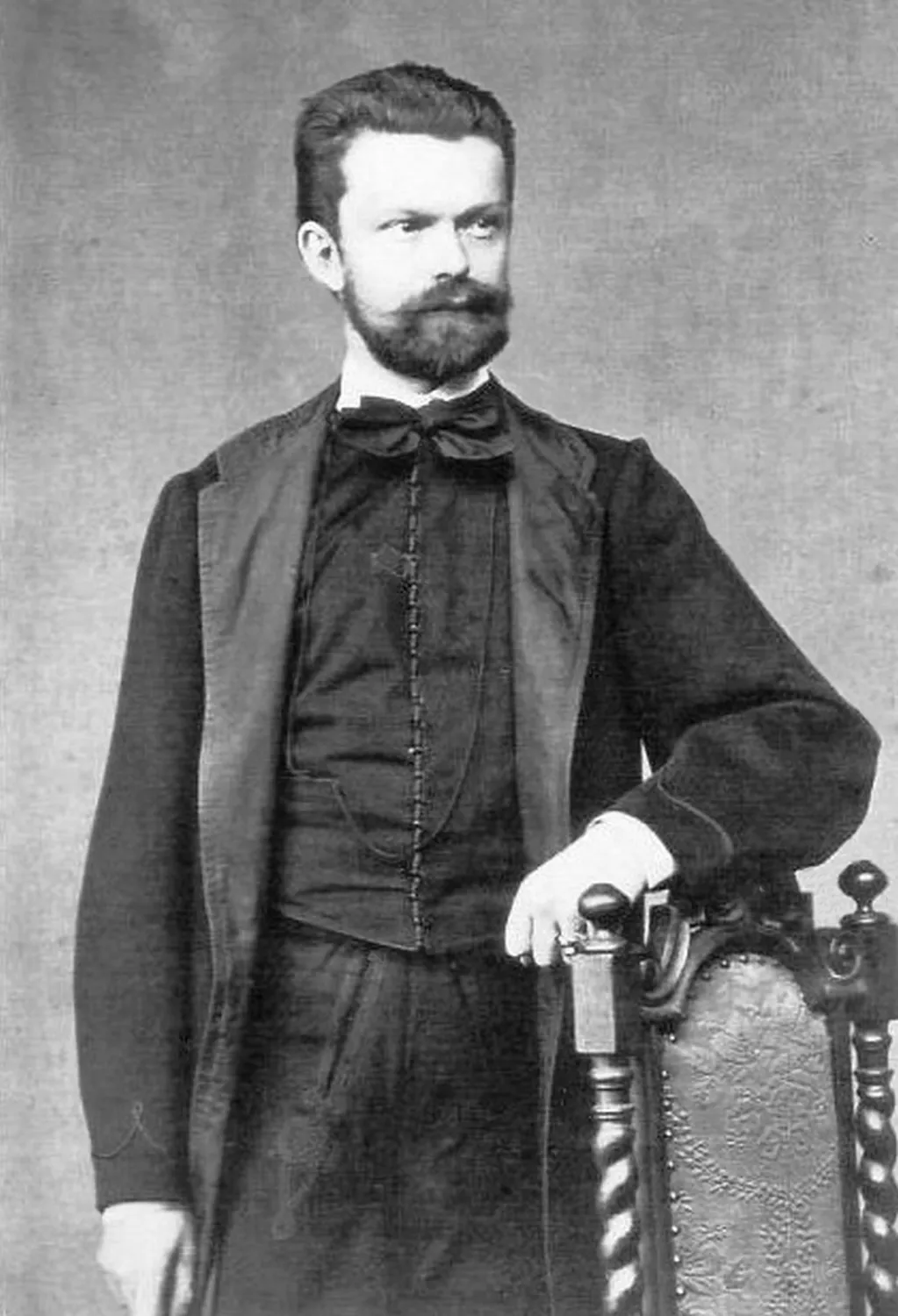
István Czóbel (Ottó, Albert, Imre) was born in Anarcs on September 18, 1847. He completed his studies in Bratislava and Zurich, studied law and economics, and graduated from the Academy of Economics in Magyaróvár in 1876. From the mid-1970s, he began to take on the difficult role of economic manager at home - with little success. In 1887, he married Baron Mednyánszky Margit (1858-1937): the marriage brought about the clearing of the remaining approximately 1,000 acres of Anarcs property, but the whole thing was transferred to the woman's name. The wedding took place in the Nagyőr (Nehre, now: Strážky) castle near Késmárk. From then on, they lived there, but István and his wife only rarely came to Szabolcs, and even then for short periods. - He did not deal with the estate or the economy in their castle in Felvidék, except temporarily, out of necessity, when there was a longer break during the change of tenants. The Anarchist land is also managed by tenants, no one has much say in their activities: the parents and siblings receive an appanage along with the right to use the ancient house and the beautifully built park. - István seeks an explanation for the more distant connections of culture and intellectual life in the last decade of the century. He has two like-minded people: his brother-in-law with a sparkling spirit, the painter László Mednyánszky, and his friend, the writer Zsigmond Justh. On the advice of Zsigmond Justh, he gives his novel cycle the title The Genesis of Separation. Justh dedicates his first novel, The Legend of Money, to him. ; Society does not pay much attention to his work, although one or two of his articles were published in the Twentieth Century. Few handbooks of posterity commemorate his work. According to their almost identical texts, it is believed that he wanted to renew the Hungarian aristocracy through the peasantry, and according to them he professed some kind of peasant-socialist principles, like Bakunin or L. Tolstoy at the same time. After Justh's death (1895), he could enjoy the company of his brother-in-law in Nagyőr less and less: he became completely lonely, and only told his more serious thoughts to his sister, Minka, who often stayed with them for longer periods of time (Minka Balogfalvi Czóbel (Anarcs, June 8, 1855 - Anarcs, January 17, 1947), a poetess and the first Hungarian representative of symbolism.). The aristocratic society did not appreciate him, did not deal with him, and even shunned him: they considered him a bit of an enemy, or at least a philosophizing scoundrel, because of his radical articles and Darwinian-inspired works. The sociologists and radical circles in the capital could not forget his origin and social status: - there he was considered an aristocrat, therefore an outsider. Moreover, István rarely met his friends of principle, as he did not like to go to Pest, but radical sociologists were not invited to Nagyőr either. Thus his situation only worsened, his loneliness increased, and during the war, after the change of empire, even more so: he would not even come out of his room to greet visiting relatives and acquaintances. He died in May 1932 in their village, which was then called Stražky. ; ; Works: ; Die Genesis unserer Kultur. Die Entwicklung der Religionsbegriffe als Grundlage einer progressiven Religion. ; • Volumes 1-2: Die Entwicklung der sozialen Verhältnisse ; • 3. Die Entwicklung der Schönheitsbegriffe ; • 4. Gesetze dergeistigen Entwicklung. (Leipzig, 1901-07)