
Csenkey Baranta
Cultural heritage
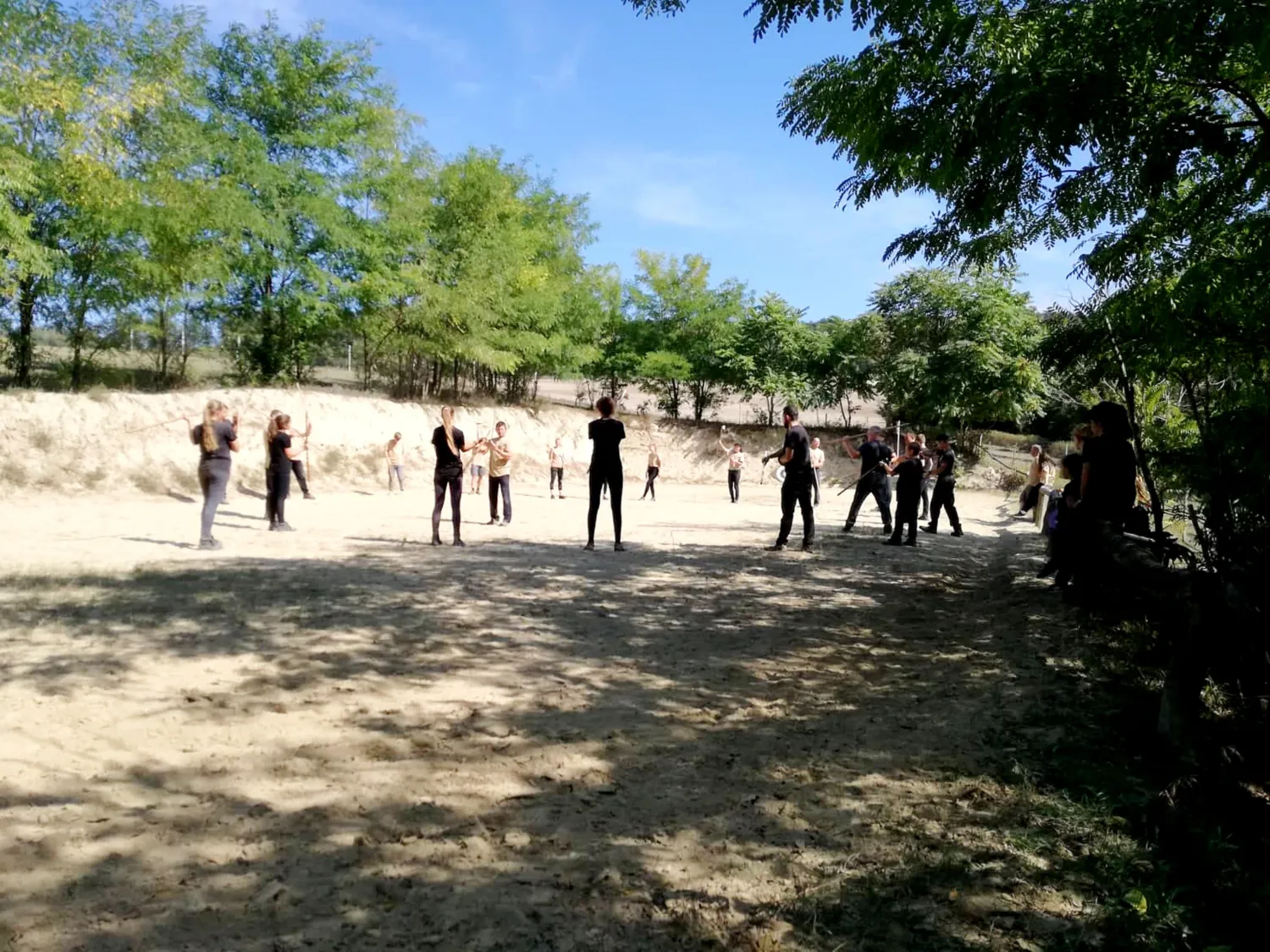
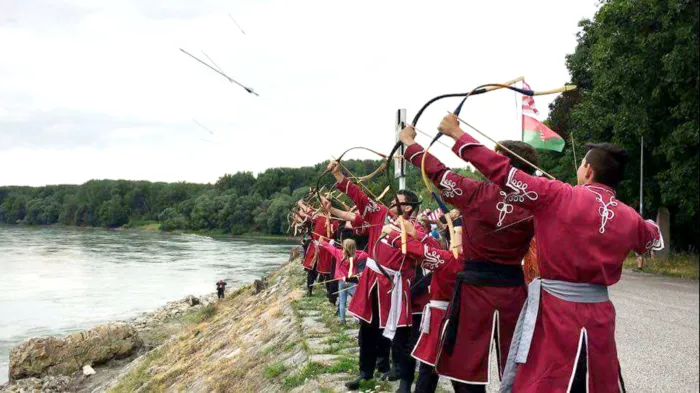
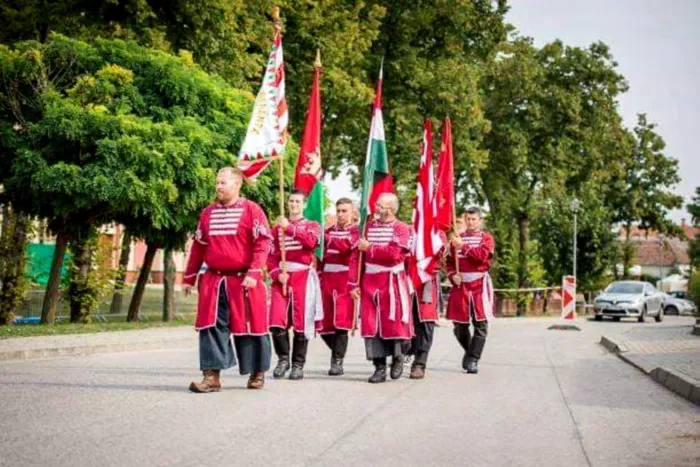
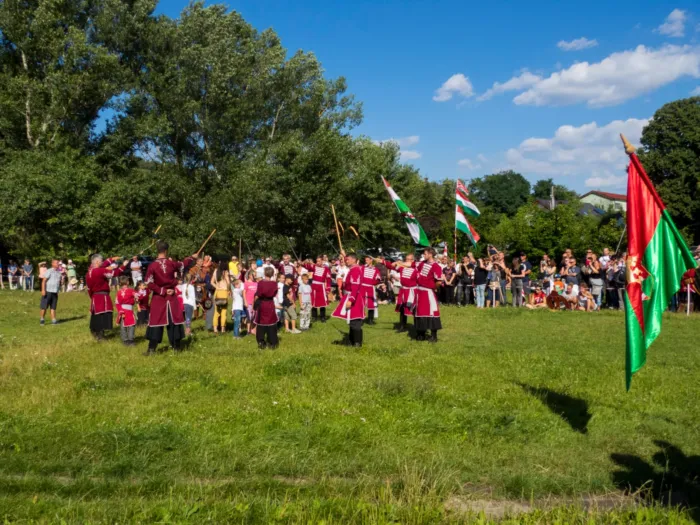
Baranta is a traditional Hungarian martial art, based on the Hungarian martial body culture. Baranta members live Hungarian traditions in body, soul and spirit. ; ; Each baranta team is named after a local hero, someone who did a lot for the Hungarians in the past and, if necessary, sacrificed their lives for the homeland. Since we live in Csenkey, and the village is a feudal lord, the Csenkey family fought against the Tatars and the Turks for centuries, so when we founded the team 11 years ago, choosing a name was not difficult. The family owned the settlement for about six hundred years and received noble rank for their heroic deeds in the 1240s. ; ; But what is baranta, what does the term itself mean? ; According to the shepherds, the meaning of the word is: ready for battle, ready for battle. However, there is a saying that says: as long as the children are fighting, it is good, as long as it does not end badly. Böllön means bloody combat, while baranta means playful combat. The baranta martial art encompasses all traditional Hungarian fighting styles from the Scythian era to the hussar era, from bow-drawing to saber fighting. Our children learn to use bows, sticks, whips, sabers, fokus, folk wrestling and various throwing weapons, and they also practice fighting itself. But baranta is not only about fighting tools. Baranta students also learn about folk dance, folk music, folk tales, folk medicine, folk instruments, the preparation of folk dishes and the use of our runic writing. This is as much an integral part of Hungarian culture as the fighting style. Many elements of baranta have been preserved by Hungarian folk dance, such as the botoló. When the Habsburgs banned everything that was Hungarian, our ancestors preserved the tradition of the stomp in dance, which several people could dance at the same time, so this could also be good practice for martial arts. ; ; By the way, our goal is to pass on the tradition of our ancestors to our children.