
Csáky Castle
Building, structure
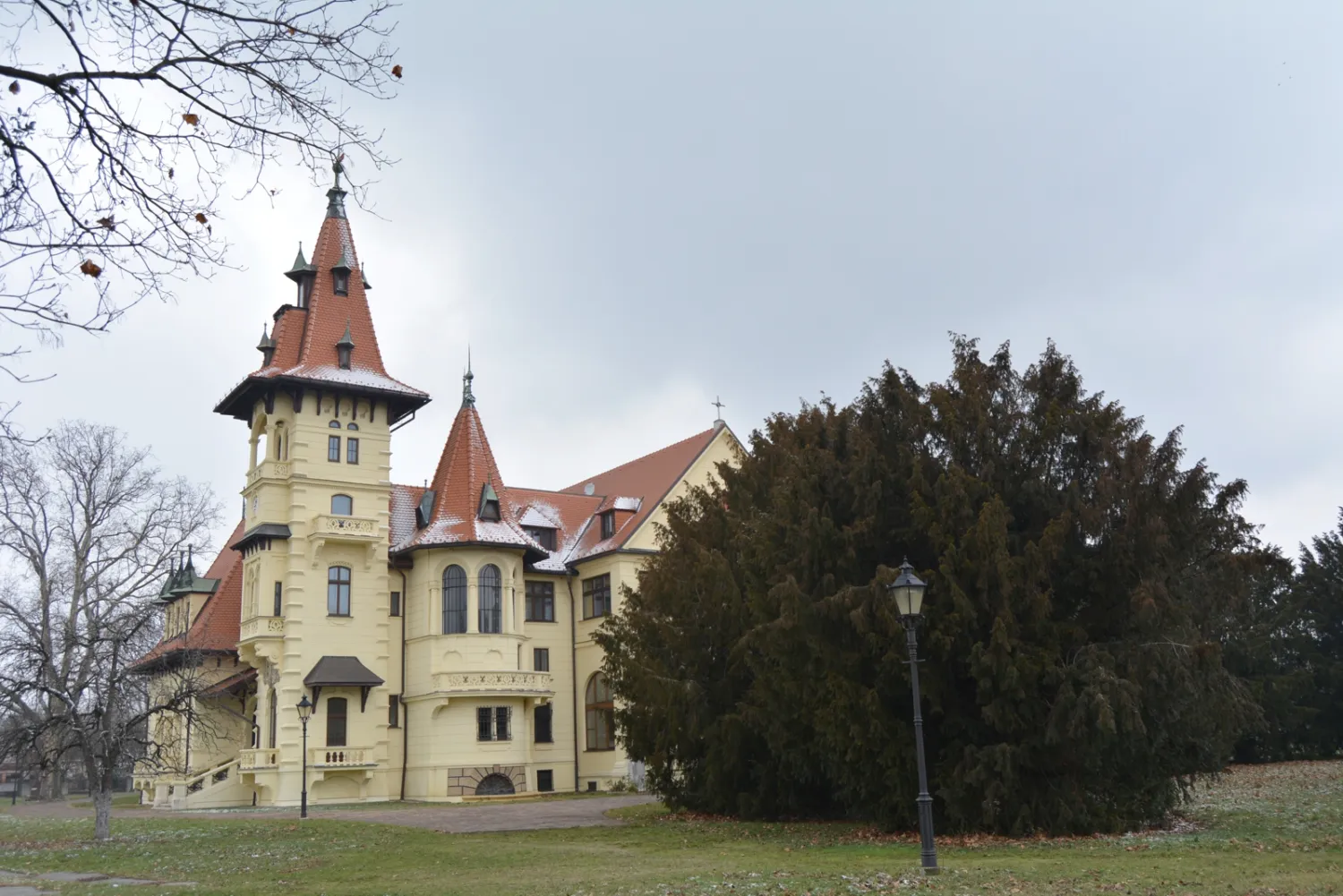
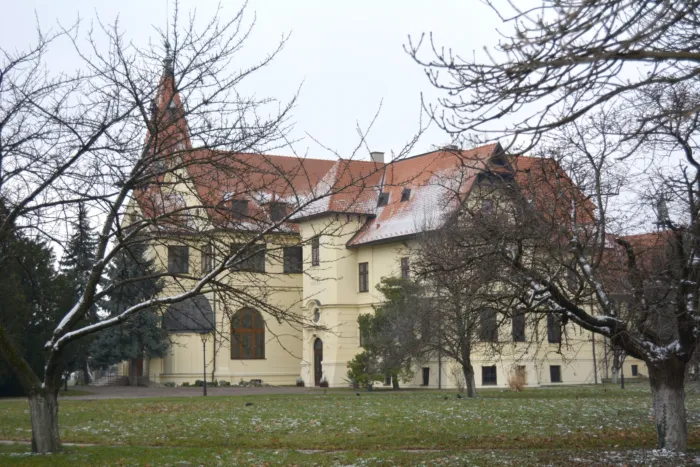
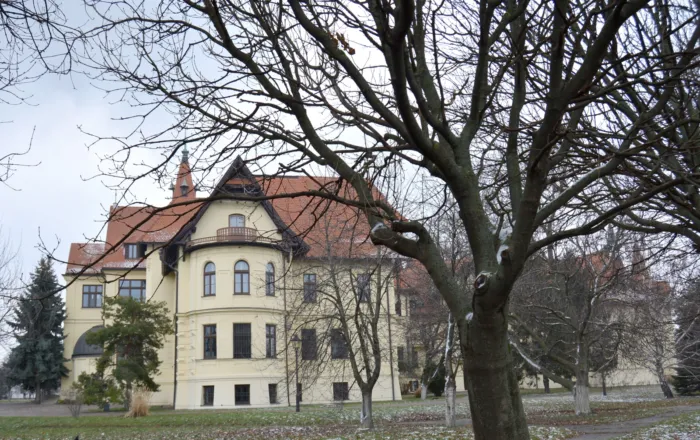
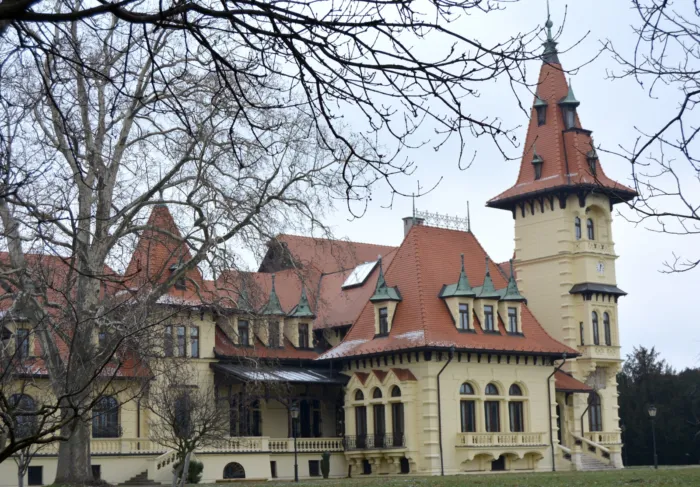
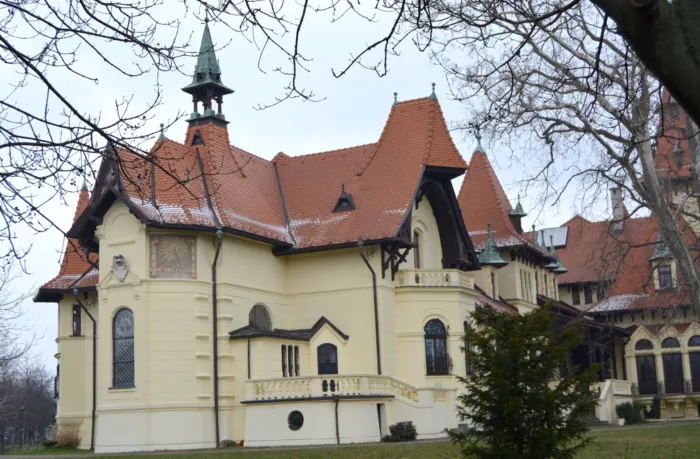
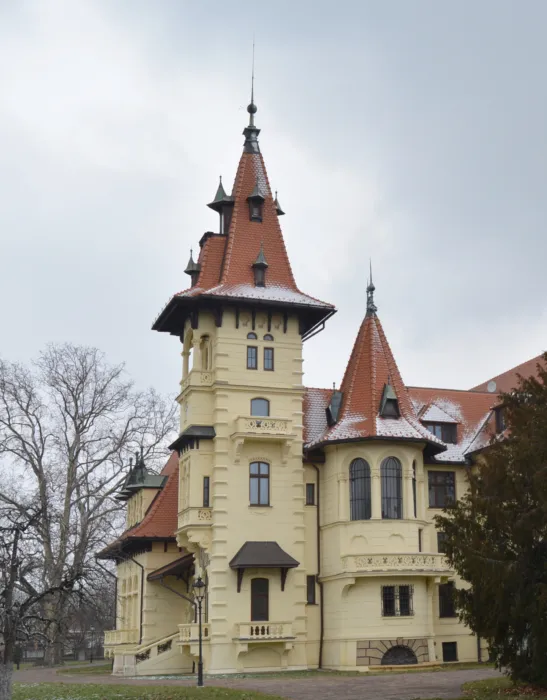
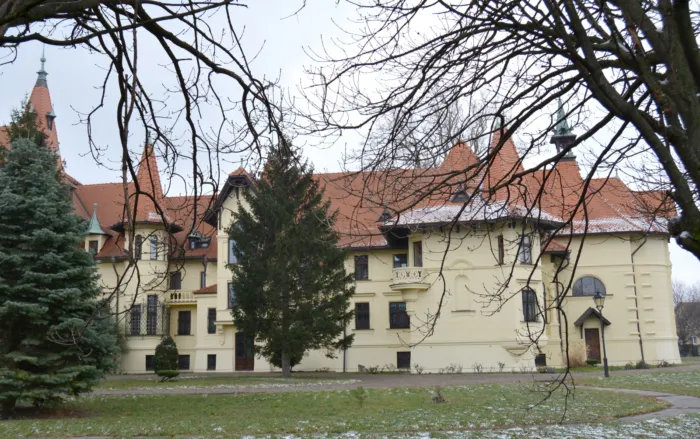
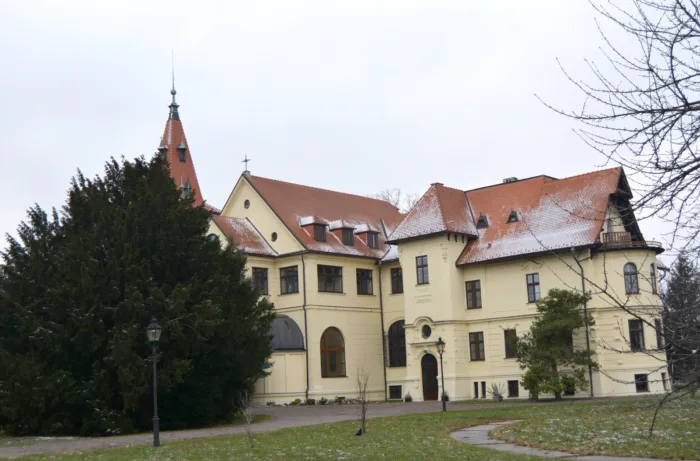
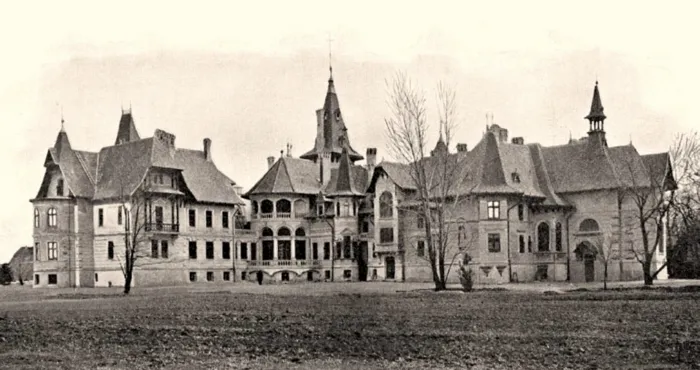
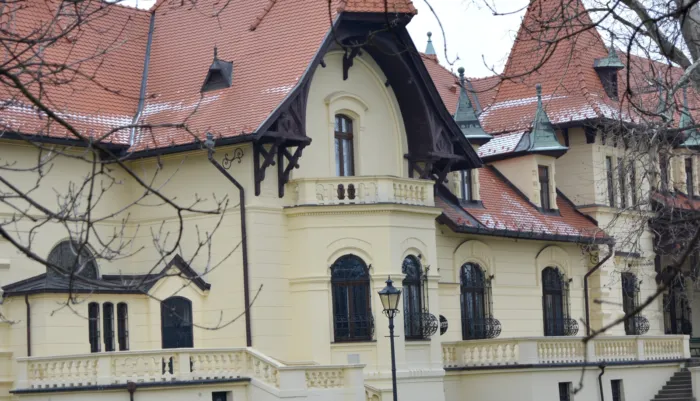
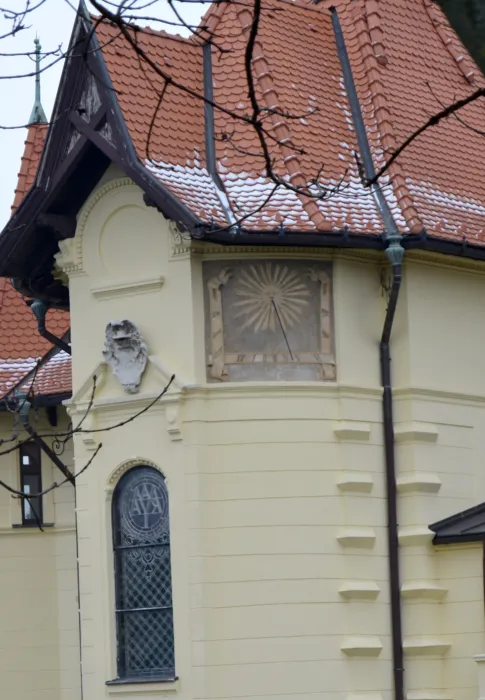
Count Jenő Csáky had his new castle built in Főréven, located in the immediate vicinity of Bratislava, most likely using the family's old manor house. The plans were drawn up - after almost three years of work - by a Bratislava architect and construction contractor, Ferdinánd Kittler, and the construction was carried out by the Kittler and Gratzl company in 1899-1902. All the interior details of the castle, including the stucco, wooden and wrought iron elements, were designed by the Kittler and Gratzl company. The staircase railings and window grilles were made by the locksmith János Horárik, and the stucco decorations were made by the decorative sculptor Adolf Messmer. ; The Bratislava architect clearly wanted to make the most of the rare opportunity and sought to create a particularly ornate, large-scale castle. However, the L-shaped, single-storey building, with its agitated masses, steeply angled, alternating gables and roof forms, and numerous towers - the tower rising at the outer corner is 40 m high - creates a rather disturbed than monumental effect. Its architecture balances on the border between late historicism and art nouveau. A two-storey winter garden is attached to its rear side. ; A contemporary German-language Bratislava newspaper reported on the rather confusingly arranged interior spaces, abundantly furnished with wood paneling and stucco, and the castle's modern technical equipment. ; A large stable and carriage house were also built next to the castle, on the upper floor of which the grooms and coachmen lived. Further away, near the artificial garden, there were two greenhouses. The entire building complex was surrounded by a large park. ; In 1916, parts of the French garden belonging to the castle were sold. Today, no trace of its original landscaping remains. ; In 1933, a small part of the garden was purchased by the nuns of the Order of St. Francis of Assisi, who established a monastery in the castle, and converted the riding school into a hospital. ; The castle was nationalized in 1954, and then converted into a nursing home in 1956. In 1989, the state returned it to the church, and it was then declared a national cultural monument. The building was most recently renovated between 2003 and 2006.