
Csáky-Dessewffy Palace
Building, structure
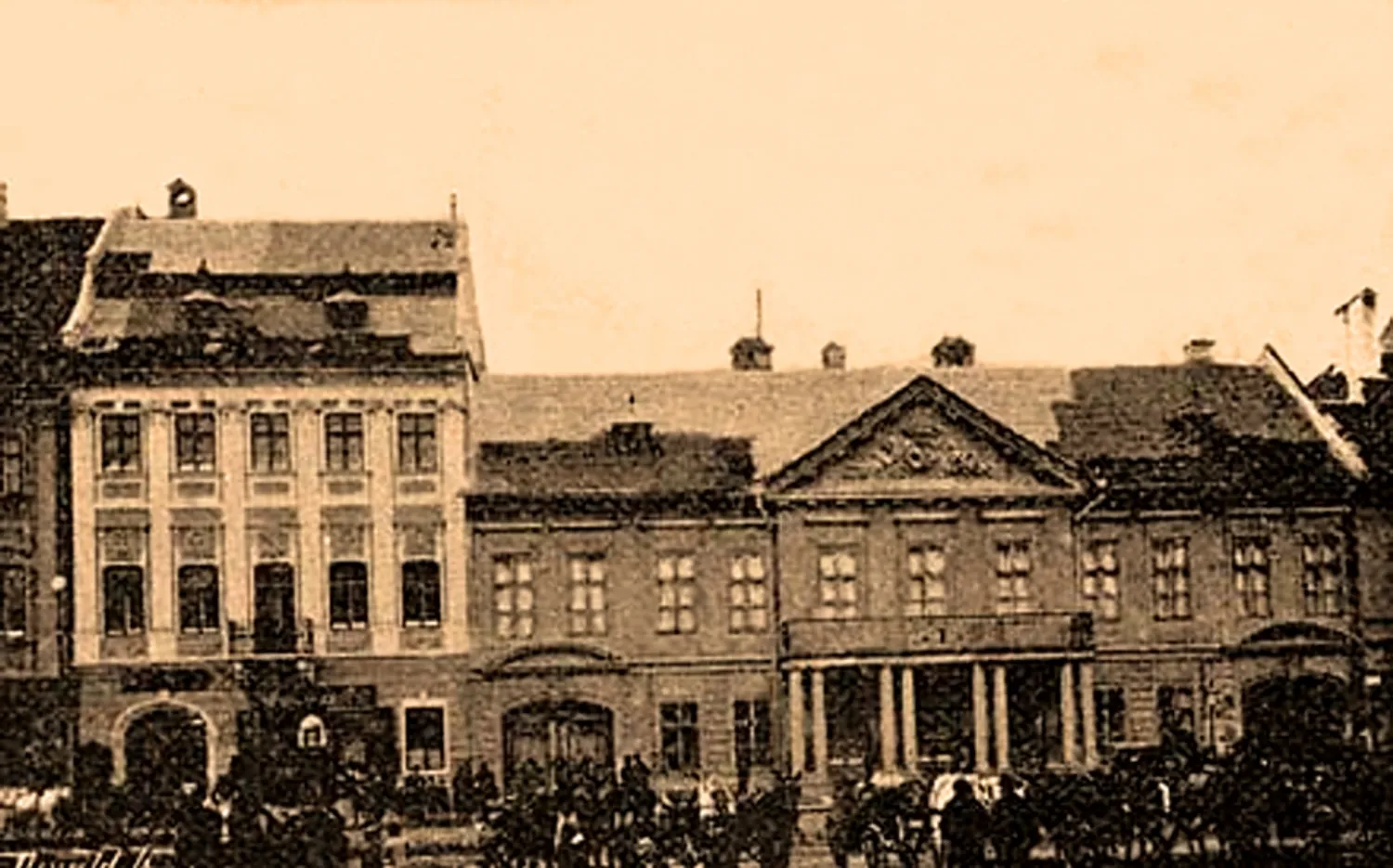
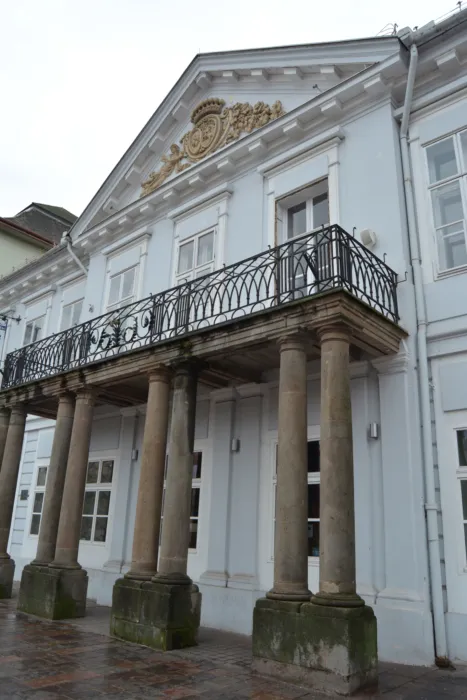
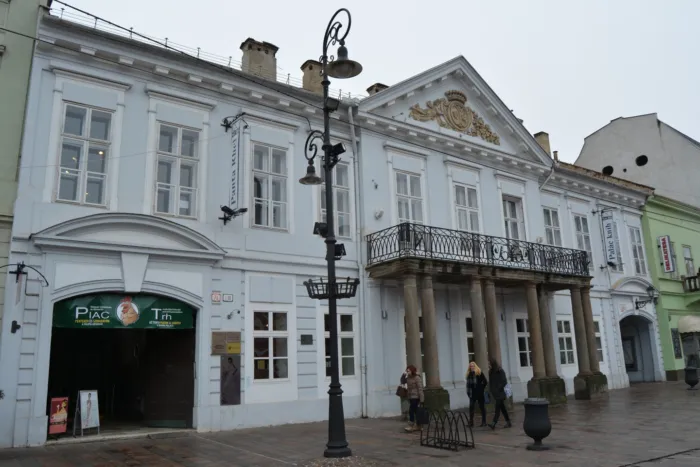
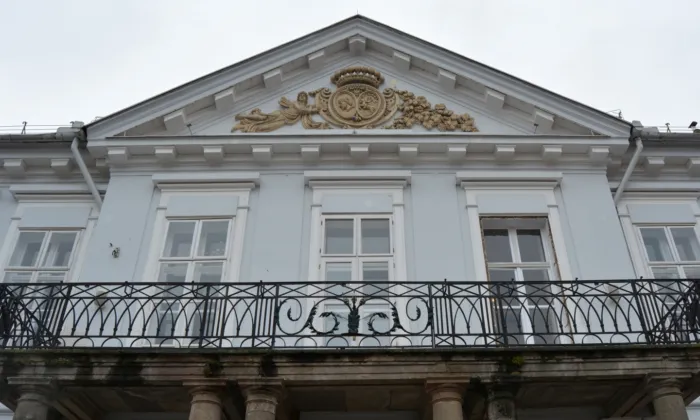
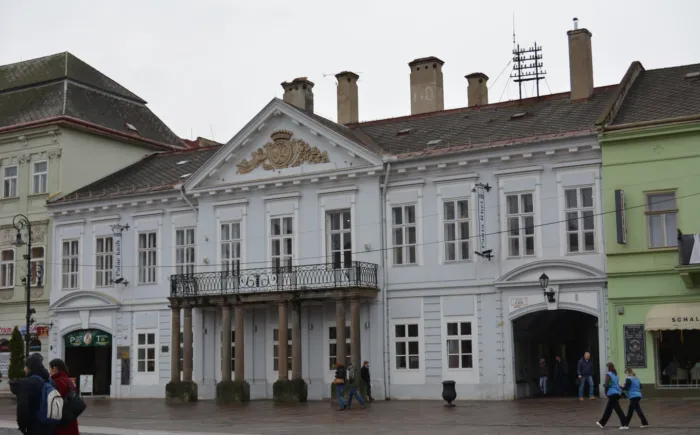
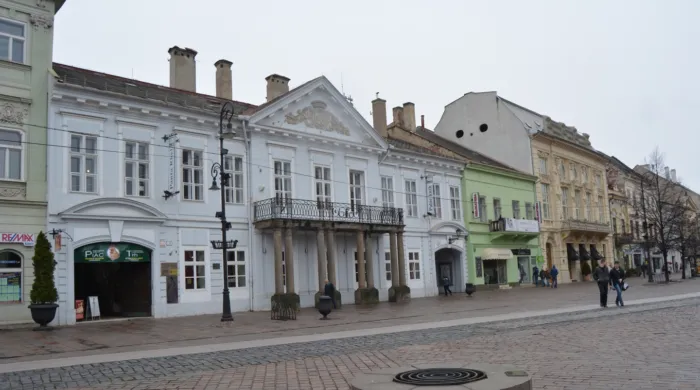
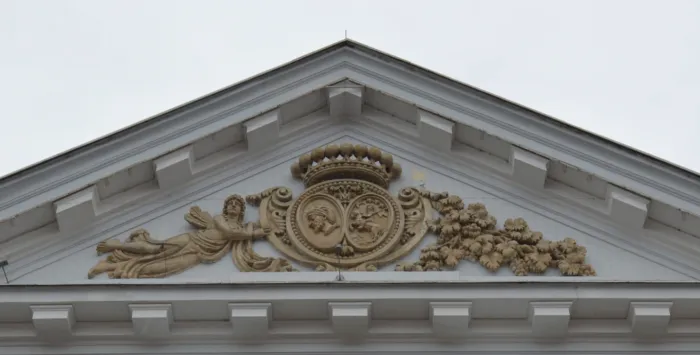
The palace, located in the western wall of the Main Square, north of the St. Elizabeth Cathedral, which can be considered one of the masterpieces of Hungarian classicist architecture, was built between 1805-7 on an area formed by the unification of several medieval plots. The main facade of the closed-row, axially symmetrical house has 11 axes. The balcony of the 1st floor stateroom resting on 8 Doric stone columns was built in front of its central part, which is also emphasized by a slight projection. The tympanum crowning the projection is decorated with the stone-carved coat of arms of the Csáky family, which shows a bleeding, bearded, mustachioed Tatar head cut off at the neck, with a fur hat hanging backwards. The building has two, less prominent gates, on the edge of the right and left wings of the building. ; The building came into the hands of the Dessewffy counts in the middle of the 19th century. This palace was the residence of Russian Tsar Alexander I in 1821, and of Grand Duke Constantine in 1849, the commander of the Russian invasion army that came to crush the Hungarian War of Independence. In 1918, the government commissioner's office operated here, and the protocol on the handover of the city to the Czechoslovaks was signed in this building. After the First Vienna Decision, Hungarian civil organizations operated in its upstairs rooms until the end of the war. After that, it functioned as a gallery for a long time. The building housed the Constitutional Court of Slovakia until 2006.