
Cigléd chapel - holy well
Building, structure
The origin of the holy well is unknown. We do not know when the spring emerged. We do not know how it was discovered. And why it became a holy well (holy well). After all, there are many other springs bubbling in the Cigléd meadow, and not far from it is the Debeny well in Für. None of these became "holy wells", only this one: the well of the Virgin Mary. Folklore connects stories of Marian apparitions to the well. However, these are historically very late, almost all from the 20th century and do not belong to the original prehistory. The holy well in Cigléd was also buried in the first half of the 20th century. People with hostile feelings tried to destroy it. But since then, no one has disturbed it or contaminated it. It is universally respected by the Catholics of the area, regardless of whether anyone was healed here. The greatest miracle is not healing from bodily ailments and illnesses, but the working of divine grace in souls. Here in Cigléd, at the holy well, the faithful are refreshed by the water of the spring, but this is only a symbol of spiritual refreshment, of strengthening in faith, hope, and love for God. It supports and comforts them in their morals and sorrows. They are filled with the joy of grace in their joys.
;Everyone can drink this water for free, although with due and proper respect and reverence. Otherwise, it is in vain, because it remains simply thirst-quenching groundwater. Divine grace is always free. It is a gift of God's goodness, which we must receive with a reverent heart and give thanks for, so that it can truly benefit us physically and spiritually.
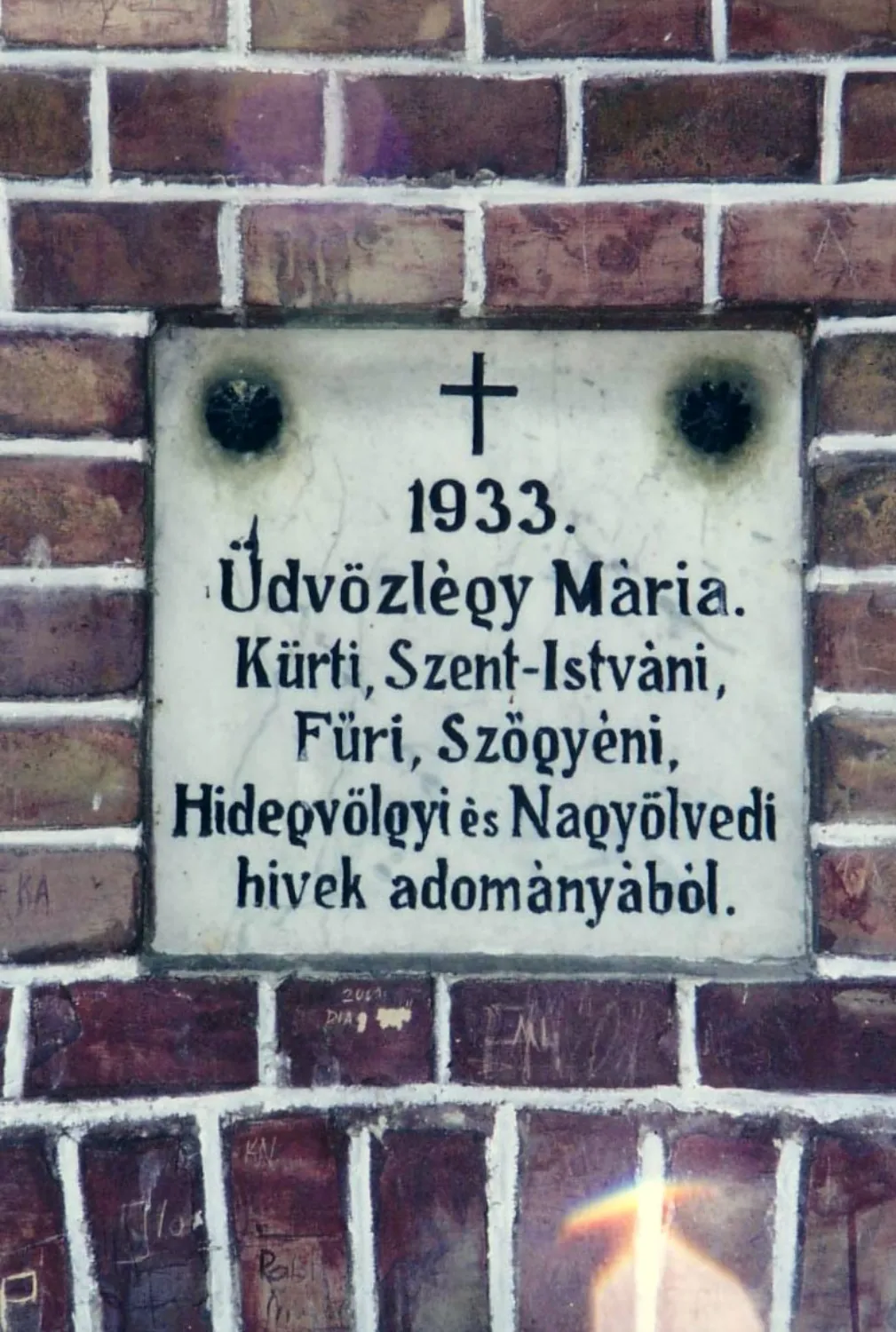
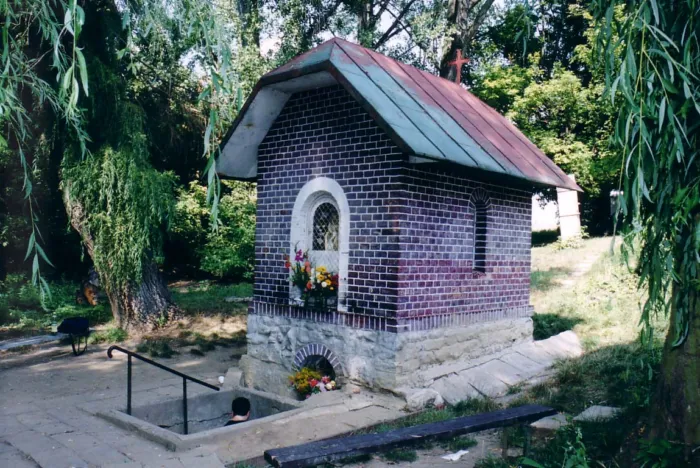
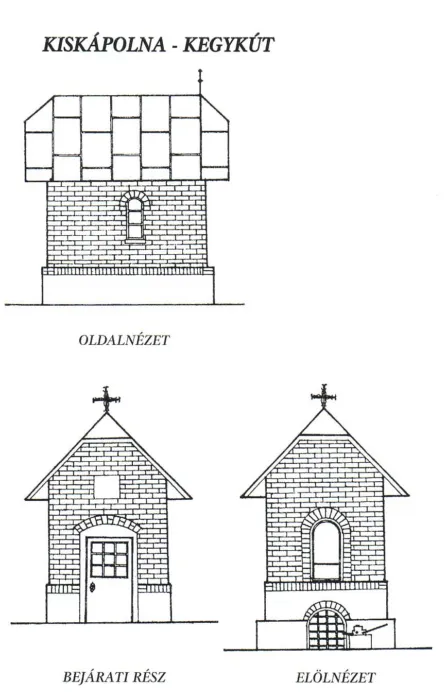
; Antal Pristyák, a wealthy landowner, had a neo-Romanesque chapel built in the early 1900s in its old location, over the graves of four Pauline hermits buried here. Around 1920, the Jewish landowner at the time had the Holy Well covered with manure because its water had - so to speak - made his meadow marshy. But the next day, the abundant spring water lifted and pushed the manure pile aside, and the landlord no longer bothered to bother with the holy well. The pilgrims soon built a 3x2 meter brick chapel to protect the holy well, and along the road leading from here, they erected the Seven Stations of the Sorrowful Virgin and the fourteen Stations of the Cross, built of brick in 1940. At the end of the Stations of the Cross, the Chapel of Mercy rises, near which the Seven Stations of the Cross rise.