
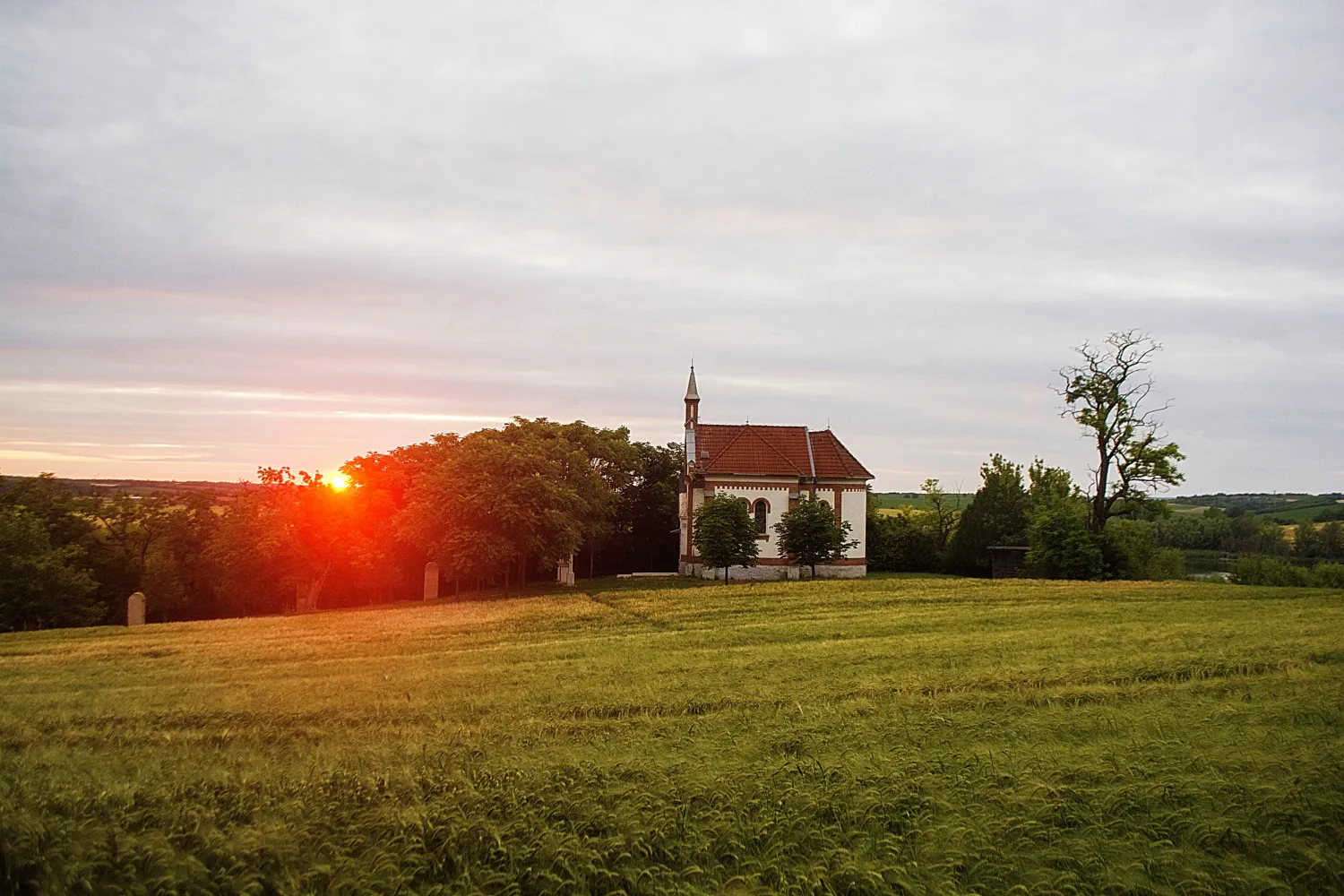
Cigléd chapel
Building, structure
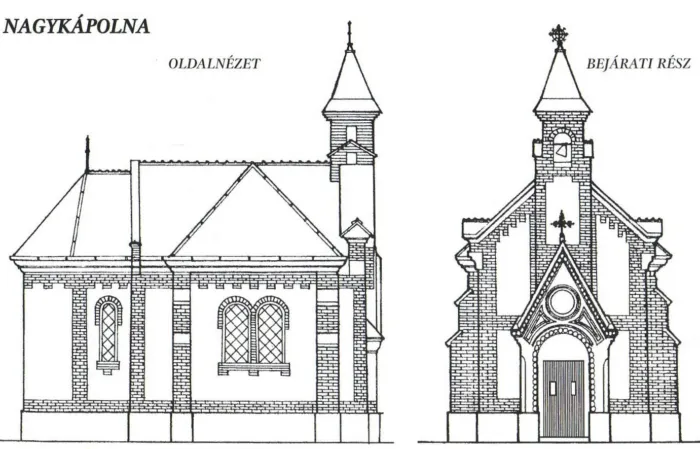
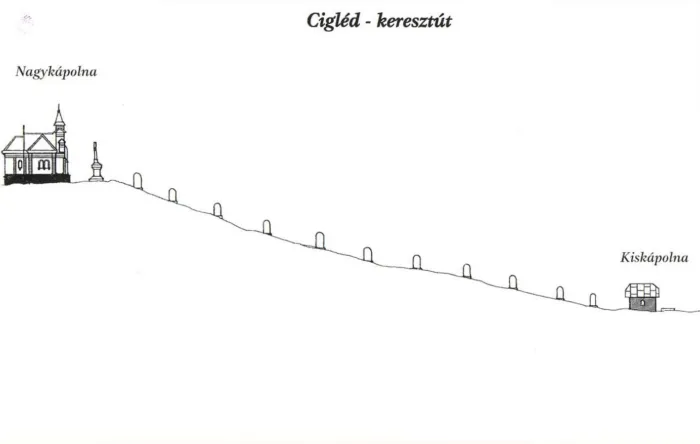
Our Lady's Pilgrimage Site and Holy Well ; ; A notable pilgrimage site in the village of Kürt is Cigléd, located at the foot of Mount Góré. This place was once the home of Pauline hermits, who lived in caves dug into the ground. The location of the caves is guarded by a wooden cross under Mount Góré. Folk tradition connects many stories to the history of the White Companions and the Cigléd Shrine. At the bottom of the hill, there is a small chapel dedicated to the Holy Virgin of All Time Helper, at the foot of which a spring of clean water awaits pilgrims. Stations of the Cross lead to the large chapel on the hill. The large chapel was rebuilt around the 1910s. The altarpiece shows the Virgin Mary with the baby Jesus. ; ; A provincial shrine under the jurisdiction of the Kürt parish in the historical Komárom County in the Nagyszombat archdiocese. The settlement itself had a Romanesque church in the early Middle Ages, where Pauline hermits lived. During the Turkish invasion, the inhabitants of the village of Kürt and its surroundings were massacred by the invading Turks, and the inhabitants and monks of Cigléd were also killed. ; 1686: after the Turks were driven out, the Cigléd monastic community also came to life again, and for about another hundred years they served the believing Hungarian people of the area, the Virgin Mary and the pilgrims to the holy well of Cigléd. The icon of Our Lady of Sorrows dates back to this period, which was housed in a wooden chapel around this time. ; Antal Pristyák, a wealthy landowner, had a neo-Romanesque chapel built in the early 1900s in its old location, over the graves of the four Pauline hermits buried here. Around 1920, the Jewish landowner at the time had the Holy Well covered with manure because its water had - so to speak - made his meadow marshy. But the next day, the abundant spring water lifted and pushed the manure pile aside, and the landlord no longer fought against the holy well. The pilgrims soon built a 3x2 meter brick chapel to protect the holy well, and along the road leading from here, they erected the Seven Stations of the Sorrowful Virgin and the fourteen Stations of the Cross, built of brick in 1940. At the end of the Way of the Cross, the chapel of reverence rises, near which the seven stations of the Virgin Mary rise. The Catholic Hungarian people of Kürt, Für, Csuz, Szőgyén and Nagyölved feel it their duty to care for and maintain the shrine even today. Therefore, in 1986, as a result of the general restoration, the ancient shrine was renewed and the traditional pilgrimages were organized again, rejoicing. ; ;  ,