
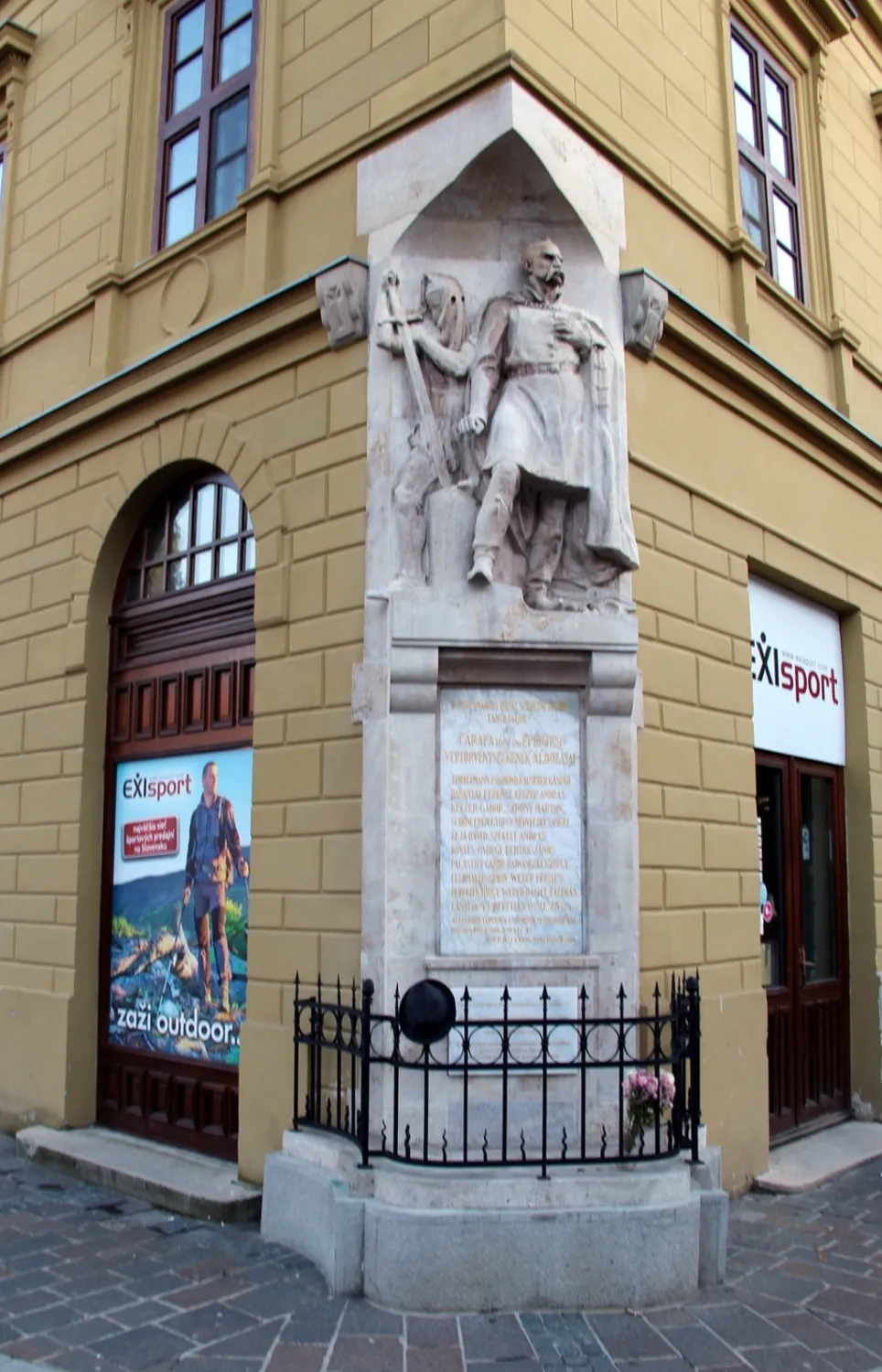
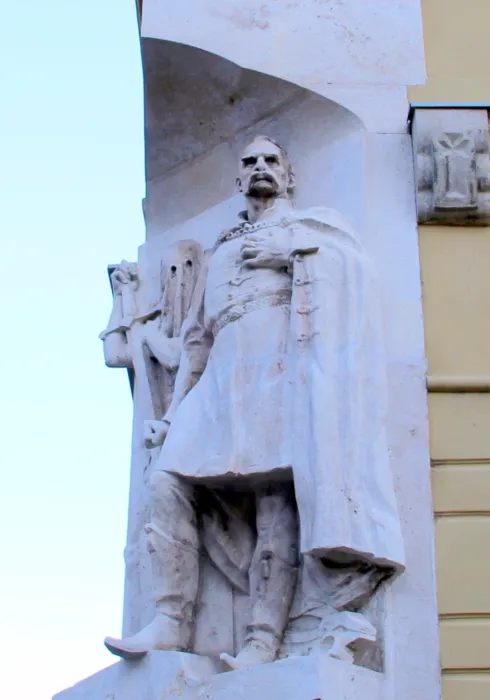
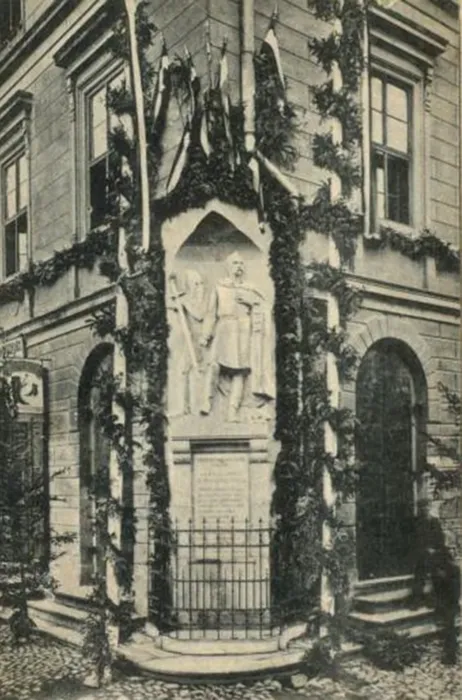
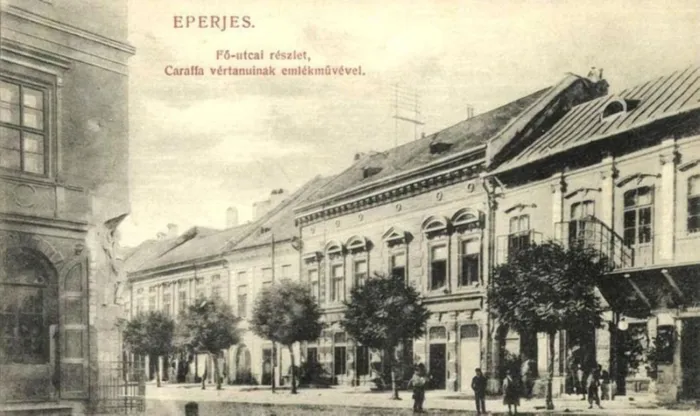
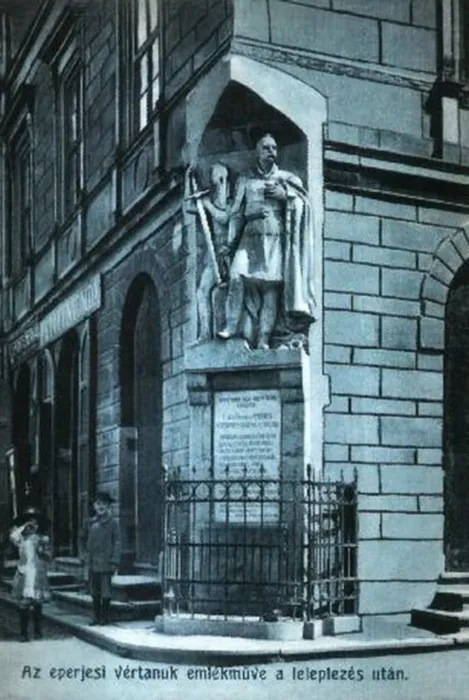
Memorial plaque to the martyrs executed by Caraffa
Statue, monument, memorial plaque
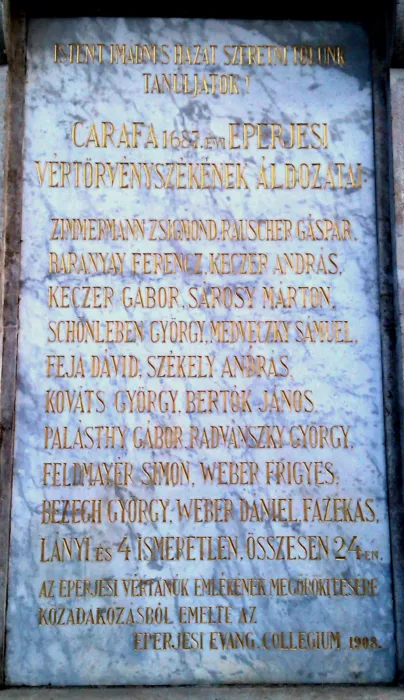
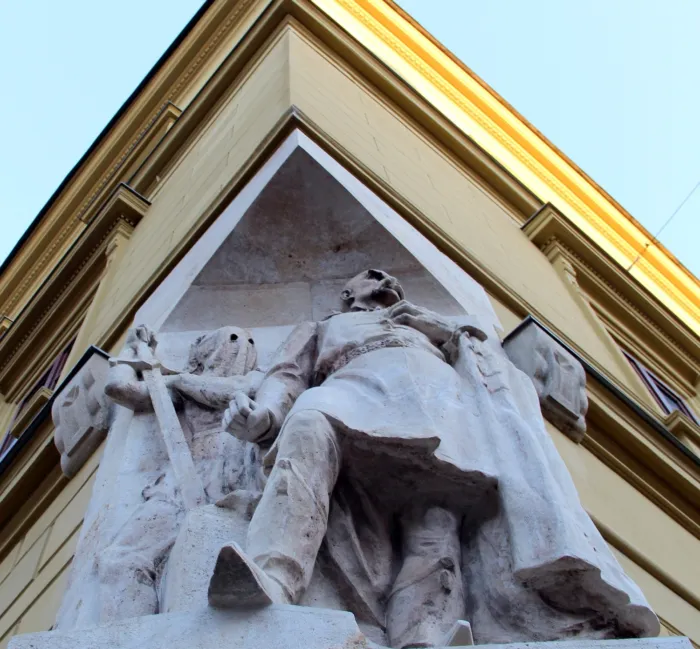
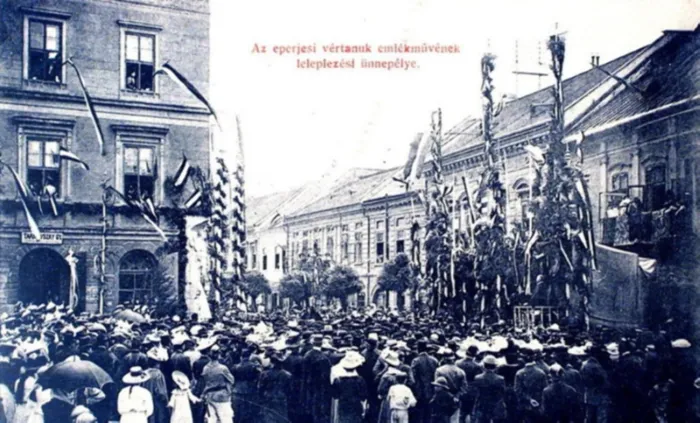
The name of Prešov is intertwined with one of the saddest memories of Hungarian history, the cruel massacre of the blood tribunal set up by General Caraffa in 1687. ; The political background of the reprisal was the expansionist intentions of the Habsburg dynasty. The victorious outcome of the war against the Turks seemed certain, but certain aspirations for independence appeared in the liberated territories. Emperor Leopold I entrusted General Antal Caraffa (Carafa in Italian), a Neapolitan family, with the task of punishing Thököly's followers and intimidating the region. ; Caraffa arrived in Prešov in February 1687. He closed the gates, declared a state of siege and a six-month bloodbath began. The people accused were mainly rich, Protestant, respectable nobles and citizens, who were subjected to torture on charges of Kuruc conspiracy. The toolkit included selected inventions of the Spanish and Italian Inquisitions, and a series of fabricated accusations by false witnesses. The executions began on March 5 and were carried out in the most cruel way possible, all of which Caraffa watched from the balcony of the house opposite the scaffold. The victims' right arms were cut off, then their heads, and their bodies were quartered and nailed to crosses. The spilled blood and the smeared remains of their intestines became the prey of stray dogs. The initial brutal practice was later somewhat softened, and the accused were simply beheaded, and for a certain ransom, the relatives were allowed to bury the bodies. ; The unprecedented cruelties caused a national outcry. When, at the Bratislava parliament, one of the victims released for ransom showed signs of torture on his body, Emperor Leopold I was forced to stop the investigation at the request of the delegates. Caraffa left the city on November 16, the victims were granted amnesty, and the orphans were given their property back. In 1751, the Jesuits erected a Marian column on the site of the scaffold, which also served as a reminder of the martyrs. ; In 1905, at the initiative of Ede Mayer, a public donation was launched to erect a memorial plaque in honor of the victim. After two years of fundraising, Béla Markup was commissioned to carve a two-meter-high stone monument. The relief depicts the sadistic general, next to him is the hooded executioner. The names of the victims were engraved on a marble tablet below. ; The erection was planned for 1907, but the ceremonial inauguration did not take place until June 11, 1908, which was also commemorated by the Vasárnapi Újság. ; In 1930, during restoration work in the Catholic church in Szinyei, the bodies of four Prešov martyrs were discovered, whose relatives had secretly taken refuge there during the massacre. The remains of the martyrs András Keczer, György Radvánszky, János Bertók and György Palásthy were reburied in a ceremonial setting in the Prešov Lutheran church on November 12, 1930. ; Pope John Paul II also visited Prešov during his 1995 trip to Slovakia, where he bowed his head in front of the victims' monument on July 2. This symbolic gesture can be considered an apology from the Catholic Church.