
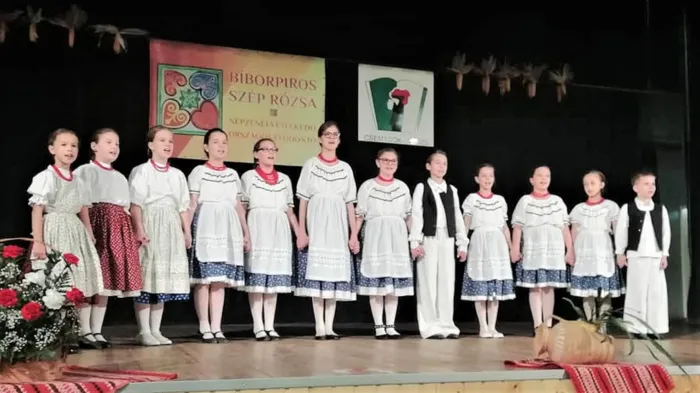
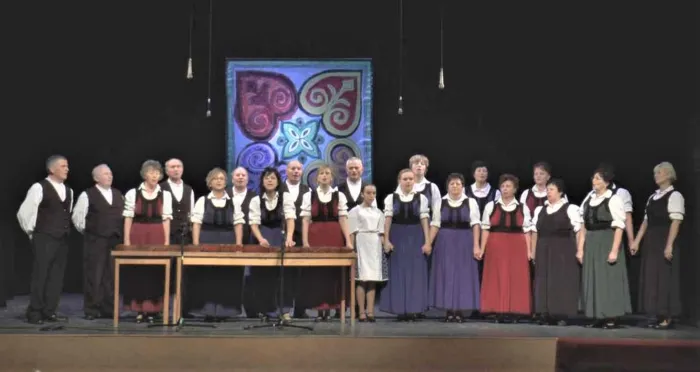
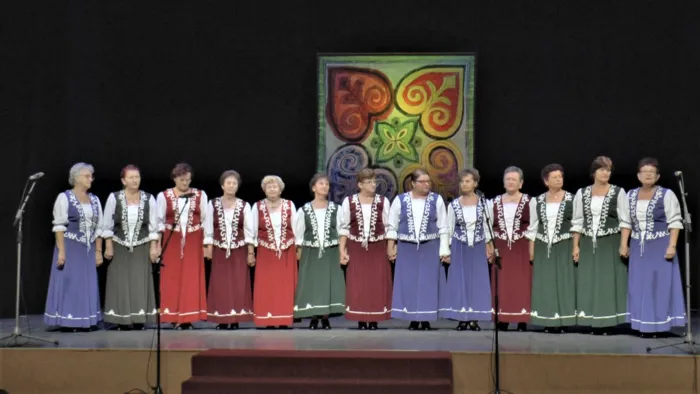
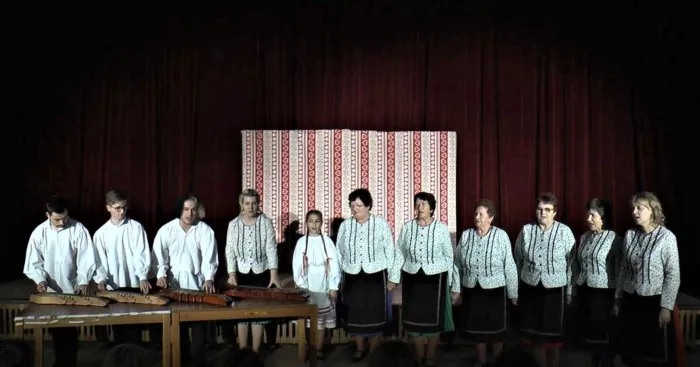
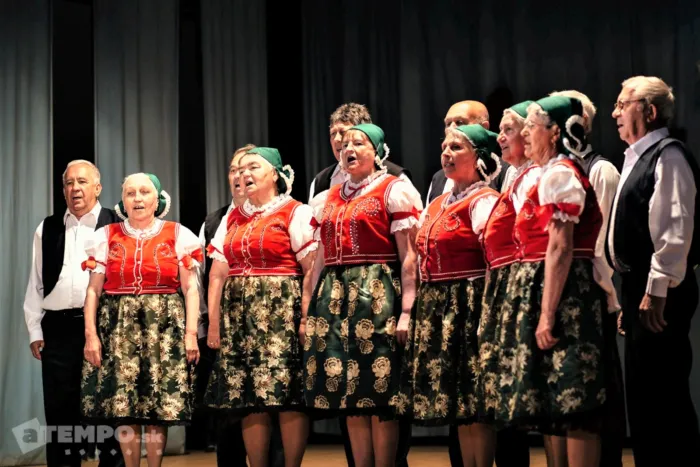
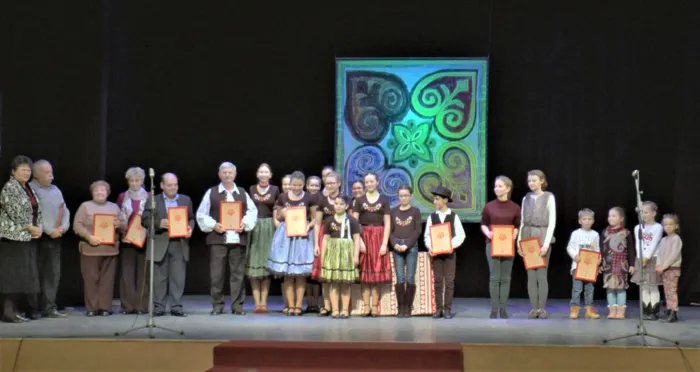
Purple Beautiful Rose (Heritage) National Folk Music Contest
Foreign national part value
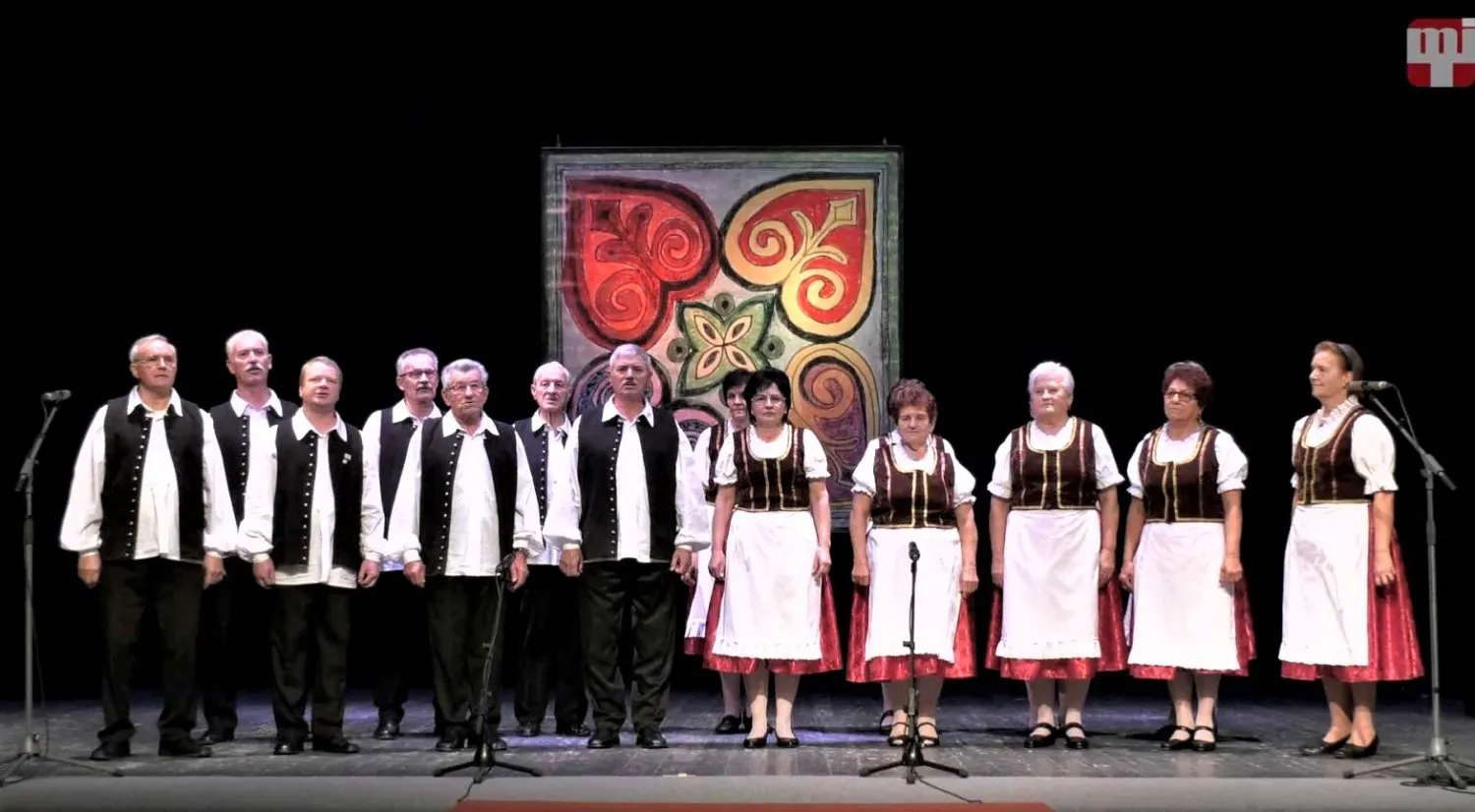
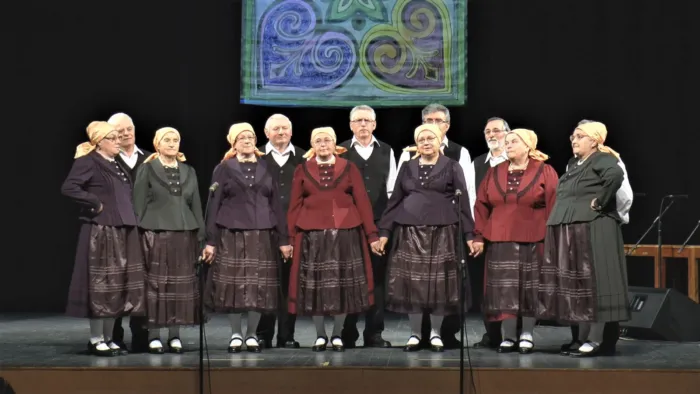
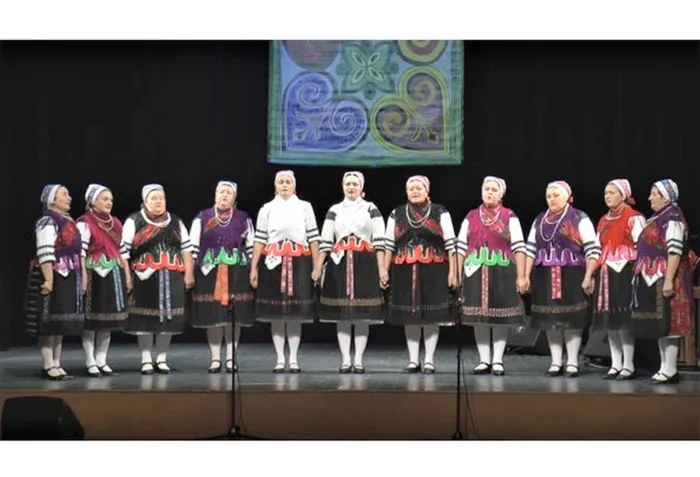
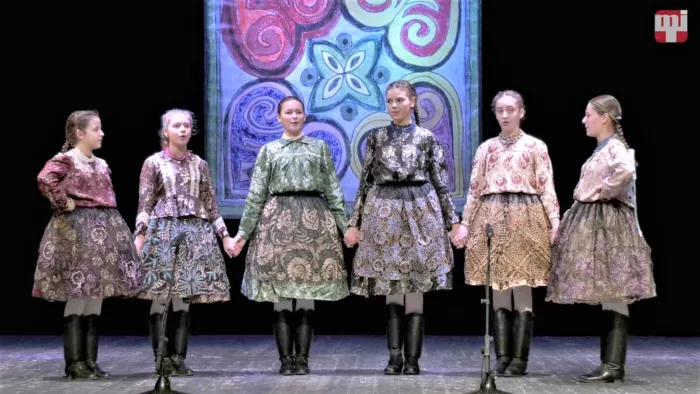
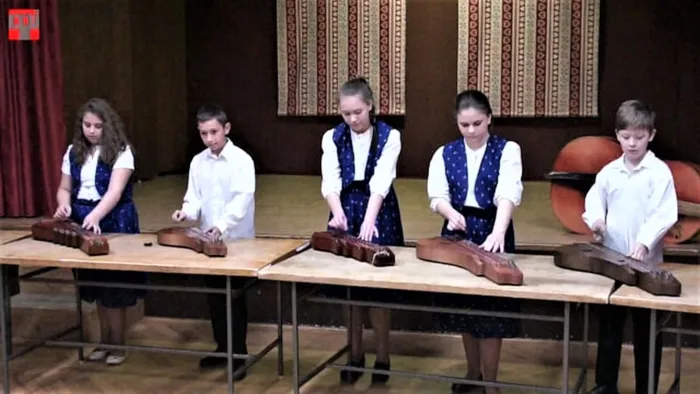
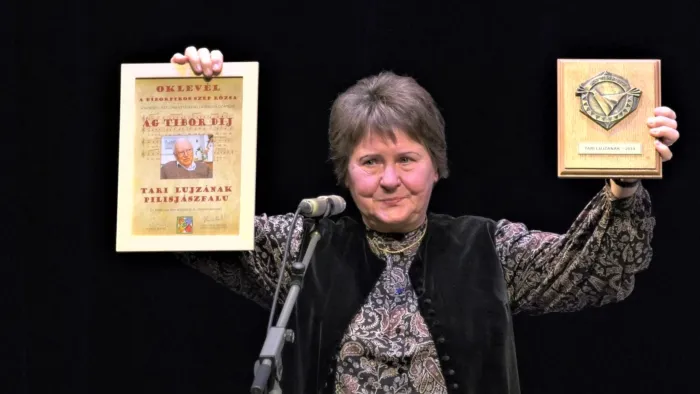
A. Folk music database ; ; Many folk art treasures lie in the traditional regions of the Uplands, where folk music collectors have encountered and still encounter the most beautiful Hungarian folk songs today. A Folk Music Database can also be a source of such treasures, from which the Hungarians of the Uplands who love and sing folk songs can draw, especially the coming generation that cherishes tradition. By preserving the Hungarian folk songs of the Uplands in a Folk Music Database, we pay our respects to our ancestors who sang folk songs and the distinguished folk music researchers who collected folk songs, as well as to Tibor Ág, the folk song collector and folk music researcher, without whose work we would not be in possession of this vast treasure. ; Headquarters, staff: ; The folk music database is located in the Csemadok House in Dunaszerdahely, and the material and technical conditions for its operation are created by the Hungarian Cultural Institute in Slovakia, personally by László Huszár, the director of the institute. ; Tibor Ág, a folk song collector and folk music researcher, played a major role in the establishment and operation of the Folk Music Database, who carried out the work of recording and organizing the database, as well as the professional management of the database within the various organizational units of the Csemadok from the mid-1950s to 2007. ; The current employees of the Folk Music Database are Andrea Pelle, a folk music researcher, a scientific associate at the Department of Musicology of the Faculty of Humanities of Comenius University, and Ágnes Huszár, a teacher and anthropologist. ; Activities of the Folk Music Database: ; The activities of the Folk Music Database can be divided into the following areas: ; • folk music collection, scientific research work; • scientific processing and systematization of the folk music collection; • professional consulting, public service for the folk song circles, folk singers, and folk bands of the amateur folk music movement; • organizational activity, continuous publication, production of folk music publications; ; B. The Purple Beautiful Rose is a national gathering and competition for Hungarian folk music lovers and practitioners (folk singers, folk song circles, folk instrument soloists, and folk instrument ensembles) in Slovakia. The aim of the competition series, continuing the ideas of the former Spring Wind, which has now become a concept, is to provide a national forum for folk song singers and folk song circles, as well asfolk instrument soloists and ensembles. Its aim is to support, encourage and develop the folk music movement professionally. The opinions expressed by the profession serve as feedback for the participants during each round, confirming or pointing the way for their further activities. ; ; As a result of the professional changes after the change of regime, when the Spring Wind, as a folk music movement, “burned out”, it had no owner, because the Slovak Hungarian Folklore Association did not undertake to take care of the movement. The Folk Music Working Community, formed in 1993 under the leadership of the Dunaszerdahely Regional Committee of the Csemadok and the Slovak Hungarian Ethnographic Society, undertook it and organized it in 1994 in the hope of previous state subsidies. During the national political changes in 1995, it was no longer possible to organize the national final. The folk music movement became ownerless, only Tibor Ág and the Dunaszerdahely regional committee stood by it. At that time, in the Mečiai era, we organized the Píborpiros szép rózsa national folk music competition in 1997, getting rid of the name Tavaszi szél and thinking about the financial background of the organizer, for folk singers and zither bands. ; ; The range of participants in the competition to be held in the odd year has stabilized: ; ; Its professional level is also strengthened by the competitors delegated from the national final of the Píborpiros szép rózsa to the Carpathian Basin final of the Vass Lajos Folk Music Competition. ; ; Unlike Tavaszi szél, the competition has changed in its image (professional principles): ; the compositions should consist of folk songs and draw on folk music material from their own region. In addition to secular folk songs, religious folk songs and songs related to folk customs can also be included in the program. The age groups of the contest have also changed, with the age group of primary school students appearing alongside the adult age group. ; ; Structure of the contest: ; Singing category (soloists, folk singing groups, folk singing groups with instrumental accompaniment), instrumental category (soloists, folk orchestras and zither orchestras). ; ; The contest has three rounds (district competitions, national semi-finals and national final). The selection festivals and their organizers are the regional committees of the Csemads based on the territorial distribution of applications. The national semi-finals are held in two or three locations. The venue of the National Final is Dunaszerdahely. ; ; Jury of the National Final: ; Composition of the jury: Hungarian and Hungarian). Hungarian experts are selected based on the proposal of partner institutions (e.g. MTA ZTI, Vass Lajos NSZ). At the request of partner institutions, the jury may delegate singers and groups from among the participants of the Píborpiros szép rózsa folk music competition to prestigious festivals. ; ; Prizes of the national final: ; - The groups receive the gold, silver and bronze bands, the award of which is decided by the jury, the ratings are valid for two years. ; - The Píborpiros szép rózsa award can be awarded as a special prize in the gold band - the award is valid for two years. ; - Advancement to the Vass Lajos Folk Music Competition Carpathian Basin Final (based on the proposal of the experts of the Vass Lajos Folk Music Association who judged the Píborpiros szép rózsa national final.) ; - Tibor Ág Award: The main organizer of the competition established an award in honor of the renowned folk music researcher, expert on Hungarian folk music and the folk music movement in Slovakia, which can be awarded to individuals and communities of the folk music movement based on their many years of activity. ; Individuals and communities can also submit proposals for the award. The award will be presented by the jury at the national final, based on the proposals received, after professional evaluation. ; ; ; ;  ,