
Budatin Castle
Building, structure
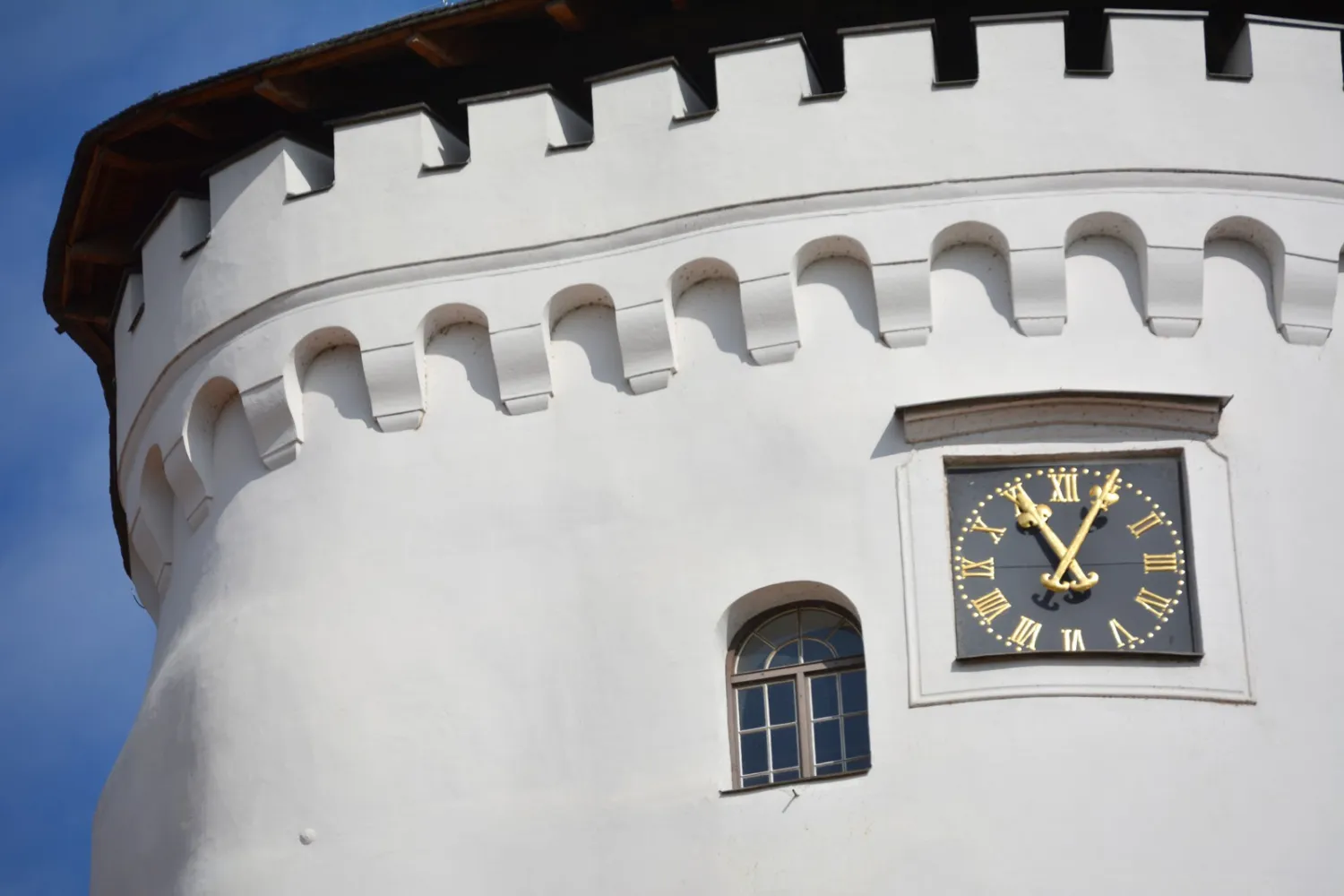
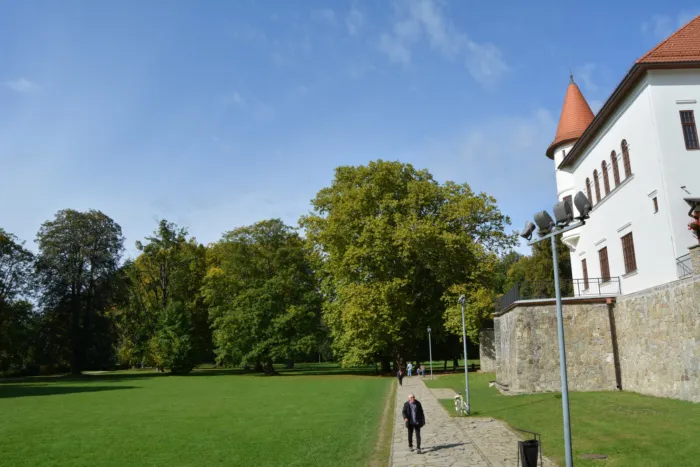
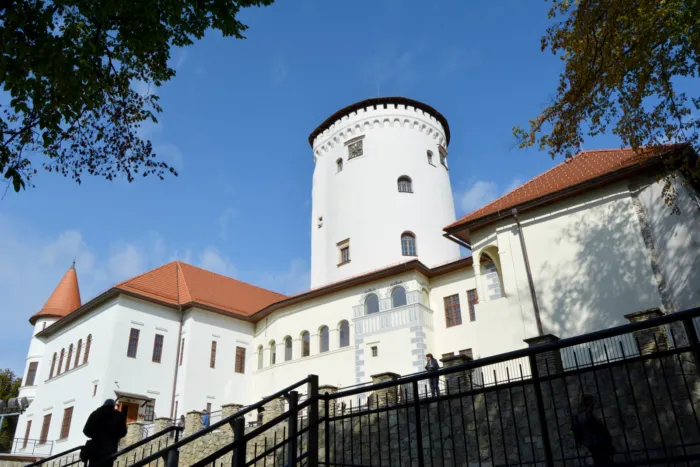
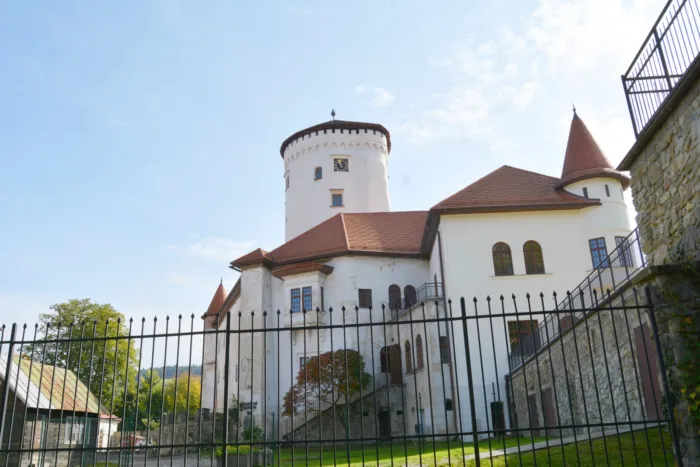
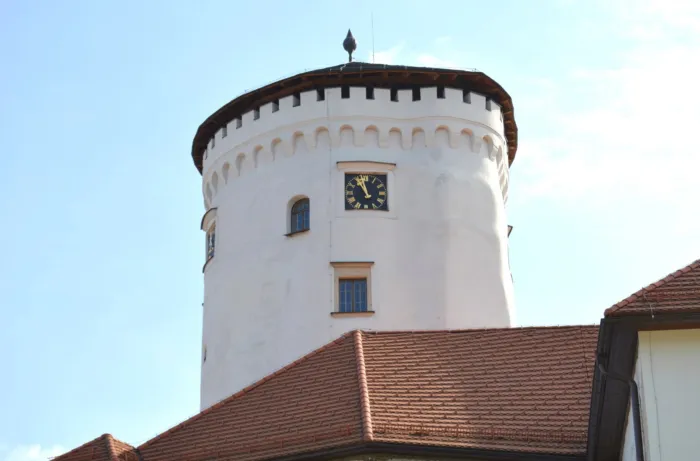
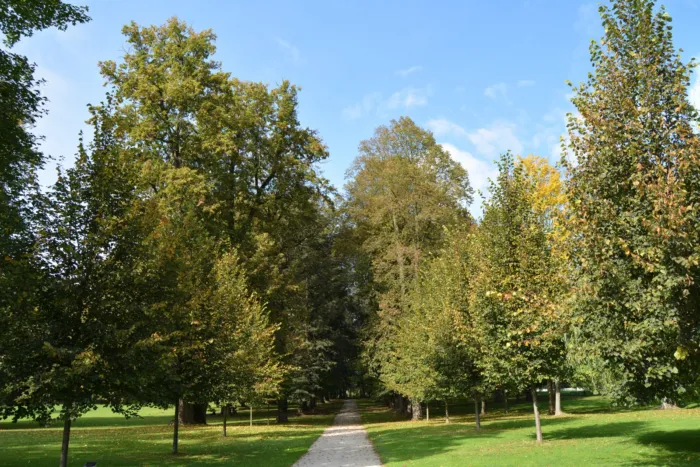
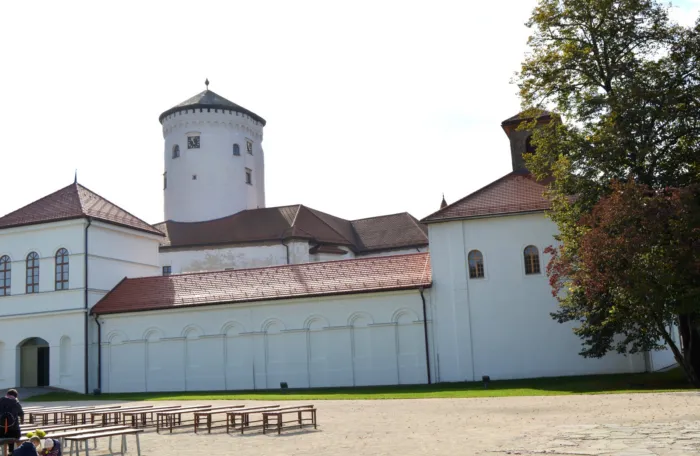
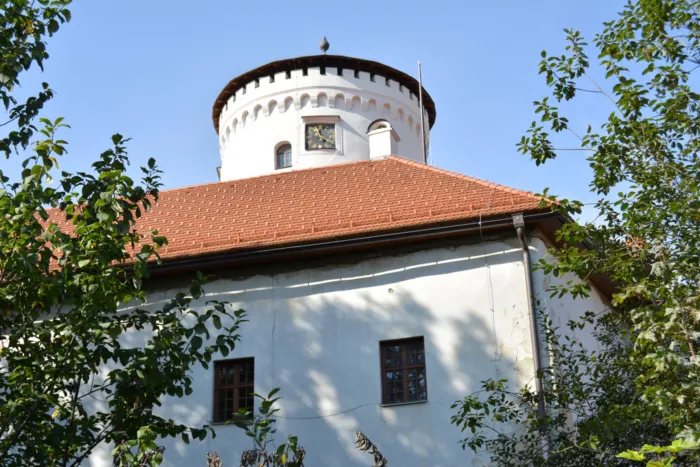
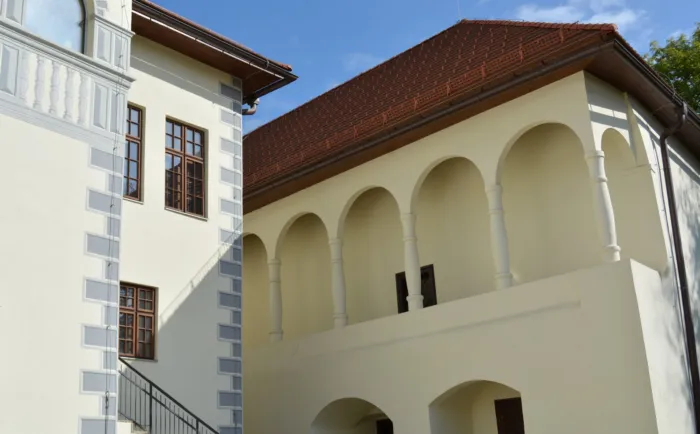
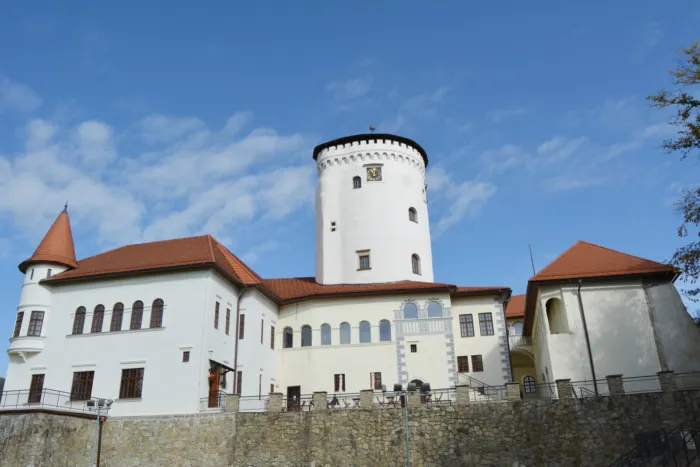
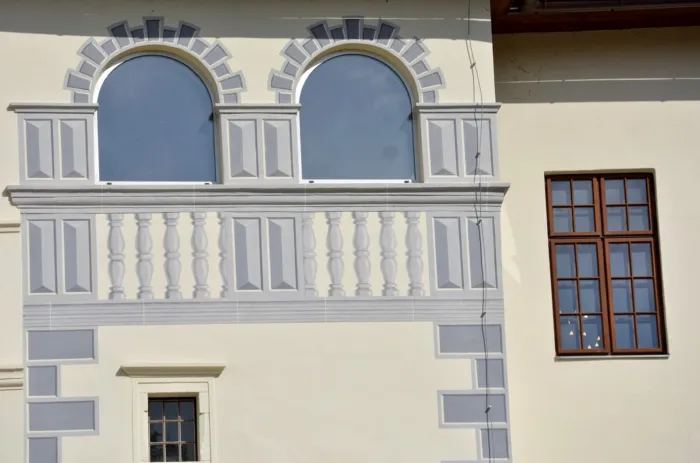
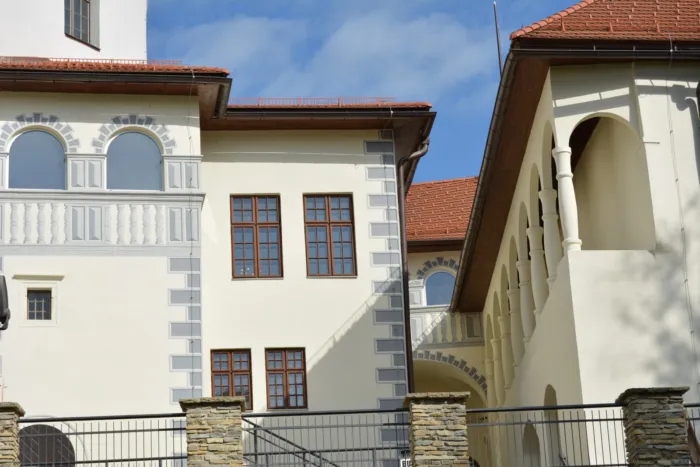
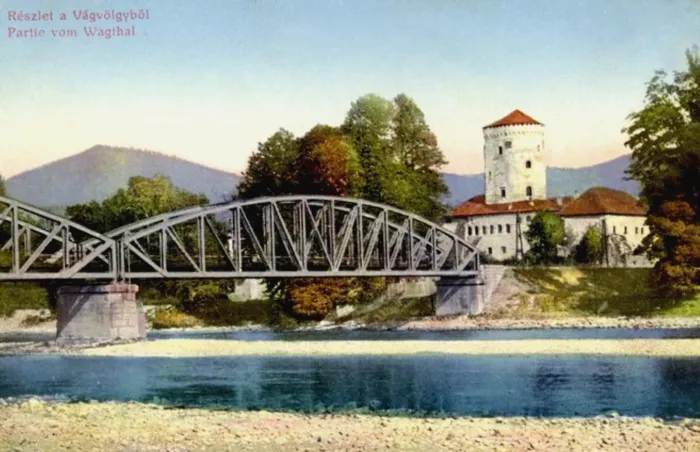
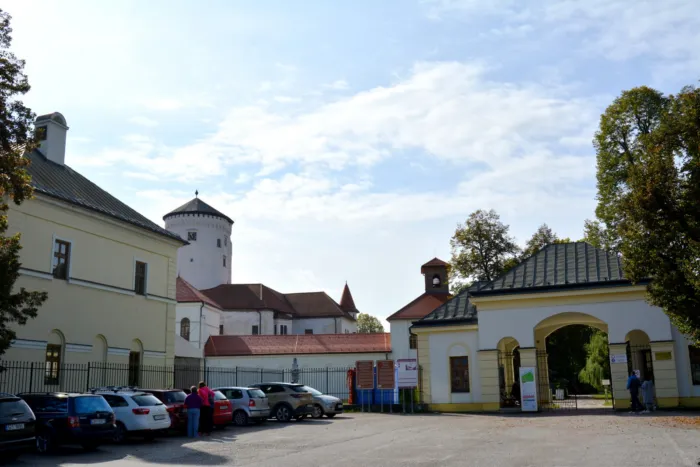
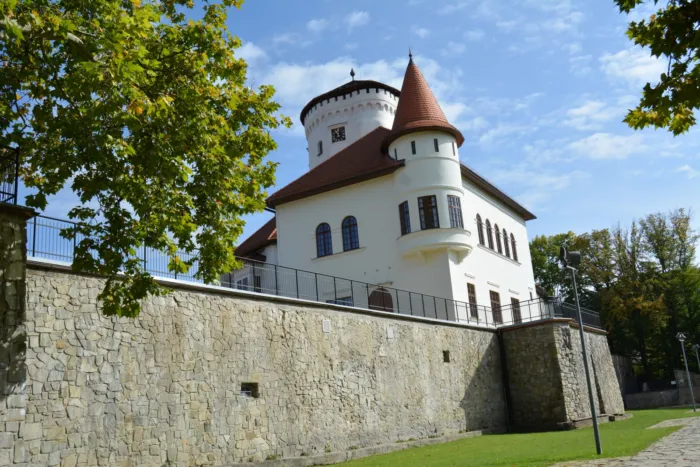
Budatin. East of the confluence of the Váh and the Kisucza, about 250 meters away, Budetin Castle is located on a flat area. The ancestors of the Balassaks, Mikó Zólyomi and Detre, or their sons, may have built a residential tower on the headland in the second half of the 13th century. The tower was built along an important road, near a ford, and also served as a toll station. It was occupied by Máté Csák around 1300, and after his death, the sons of Biter Zólyomi received it back from the king. From 1323, it was in the hands of King Charles I, and it remained a fortress and royal castle belonging to the Bistrița ispânța until 1438, when it came into the possession of the Hatnai family. In 1460, Rafael of Hatnai's widow, Erzsébet Turóczy, was married to Gáspár Szunyogh, thus acquiring the castle and her domain. (One of the Szunyog family legends related to Budatin was elaborated by János Arany in his narrative poem Katalin.) In 1534, János Podmaniczky captured the fortress, and in 1548, King Ferdinand I awarded it to László Szunyogh. The Szunyogh family owned it until 1798, although it was sometimes taken from them for longer or shorter periods of time (for example, by Thököly's army). In 1798, the male line of the Szunyogh family became extinct, and Antal Csáky received Budetin through the hand of Jozefina Szunyogh. László Csáky, the lord of Spiš, participated in the 1848/49 War of Independence, and therefore the imperial army, supported by Slovak insurgents, had the castle burned down in revenge. The building complex remained in a dilapidated state until 1870, when it was partially renovated and a military barracks was built. In 1918, Budetín was regained by the Counts of Csáky and they owned it until 1944. Shortly after that, it became the property of the Czechoslovak state. It was restored in the 1950s and has been part of the Vágmenti Museum since 1956. Since 2006, the castle has been closed to the public. In 2006–2007, before the start of the planned comprehensive restoration work, archaeological excavations were carried out on the castle grounds. In 2013, the residential tower and the roof were renovated. The center of the castle was the residential tower, which was built in the 13th century and is approximately circular and has a diameter of 11.5 meters. The interior of the tower has an almost square layout (6x6 meters). This tower could only have been surrounded by a palisade wall until the early 1320s (traces of a destroyed earth-and-wood structure were discovered during the excavation). In the second third of the 14th century, the residential tower was surrounded by a castle wall, and a palace building was built on the ground floor in the northern part of the castle courtyard. This building was supplemented with additional residential wings in the northwest and west directions around the middle of the 15th century. It is likely that at that time, outside the aforementioned castle wall, to the north and west of it, a large outer castle was completed, the ground plan of which is unknown. In the first half of the 16th century, new buildings were built in the area between the tower and the castle wall, to the east and south of the tower, and the existing ones were also renovated in the Renaissance style. The increasing internal construction of the small-sized castle also made it necessary to change the access route. The original north-eastern entrance was taken out of use, and a new entrance was created in the southern part of the old palace. The now destroyed outer castle was equipped with bastions in the west and north in the first half of the 17th century, but these disappeared during the reconstructions of the 19th–20th centuries. The north-western bastion of the outer castle was converted into a chapel in 1742, and then a two-storey castle building was also built in the southwestern part of the outer castle. The latter was seriously damaged in 1849, and its partial renovation took place after 1870. During later reconstructions, around the beginning of the 20th century, the palace was demolished. The current state of the castle reflects the reconstruction of 1920–1923. A historicist-style building with a corner turret was built on the site of the eastern part of the palace, connected to the southwestern side of the castle. ; The Vágmenti Museum, located in the castle, has a permanent exhibition of traditional wire craftsmanship with approximately 350 exhibits. ; The attractive, originally English park next to the castle was most likely founded in the mid-19th century.