
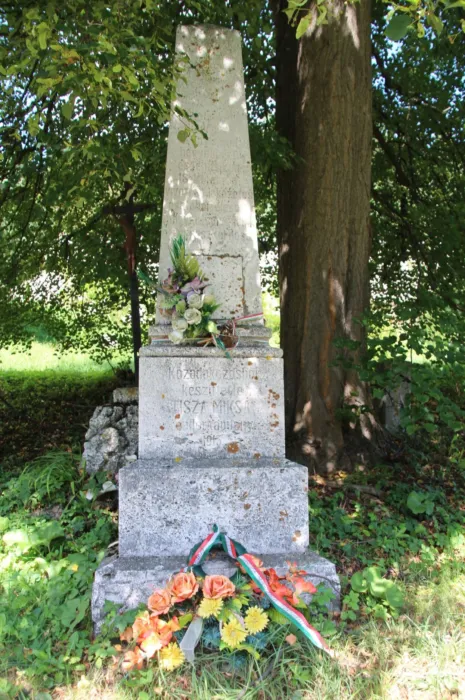
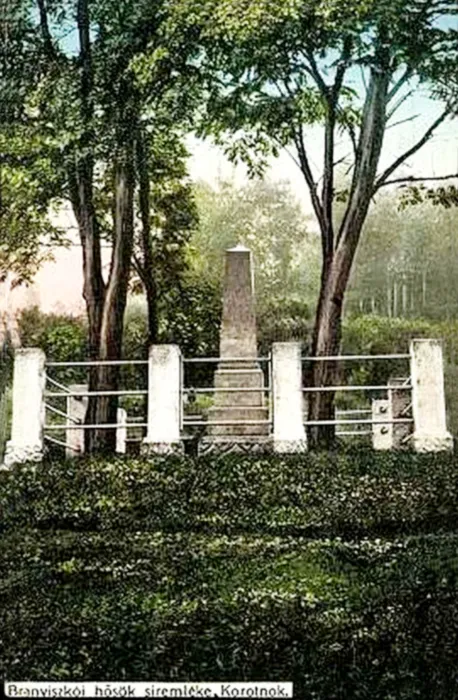
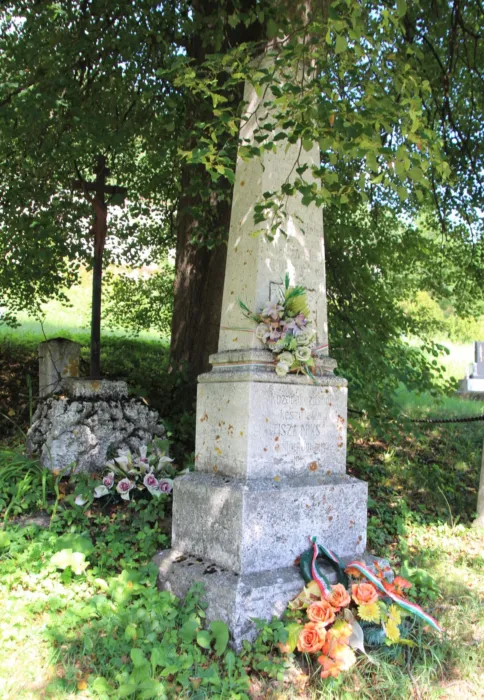
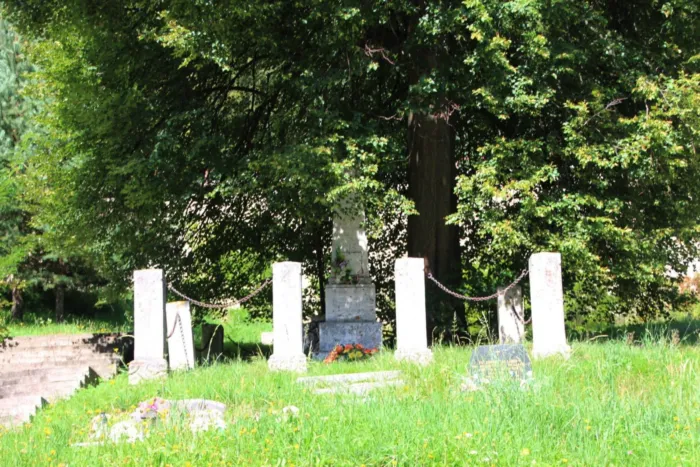
Tomb of the fallen soldiers of Braniszko in Korotkón
Cemeteries, tombstones, graves
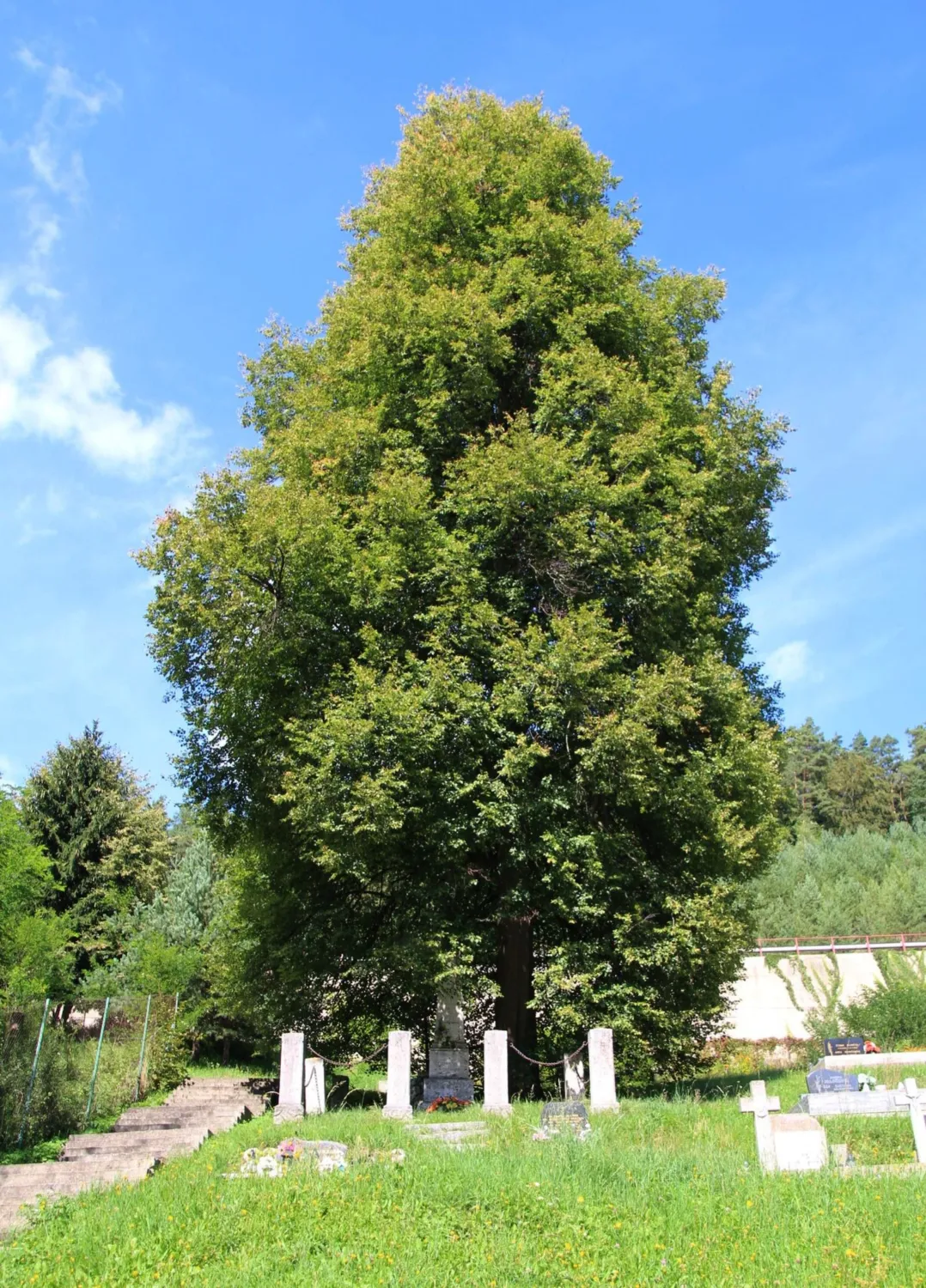
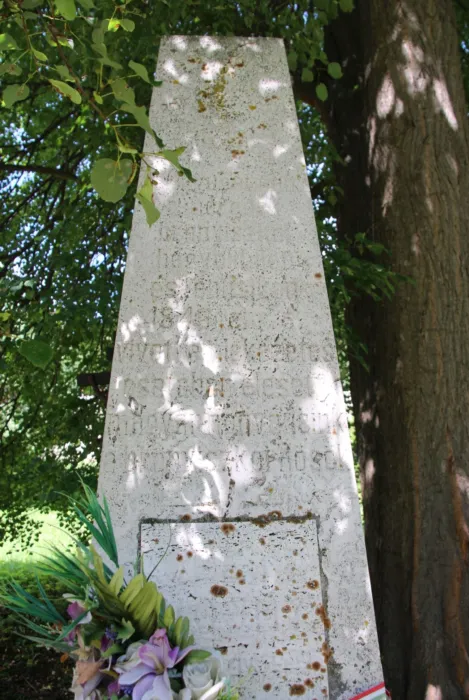
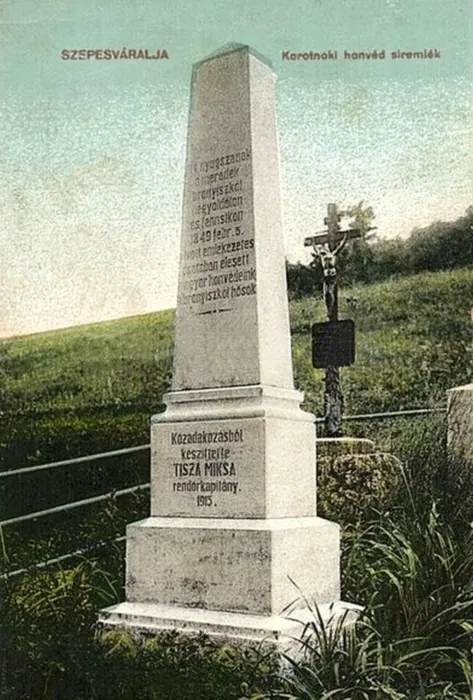
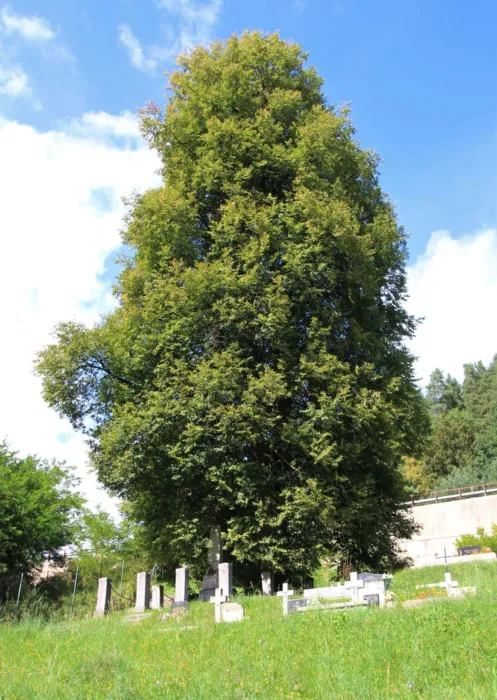
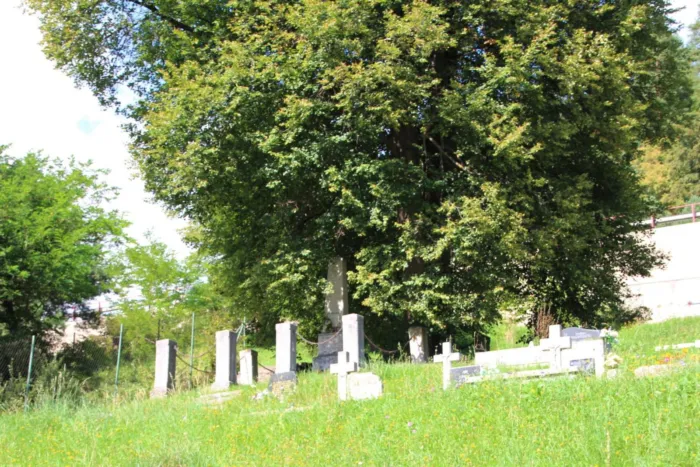
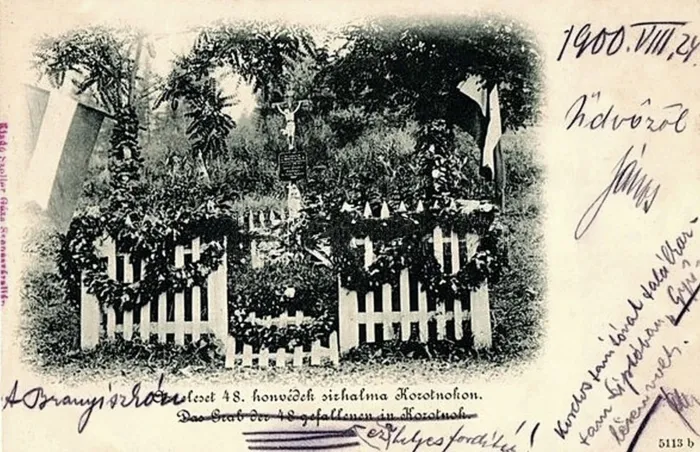
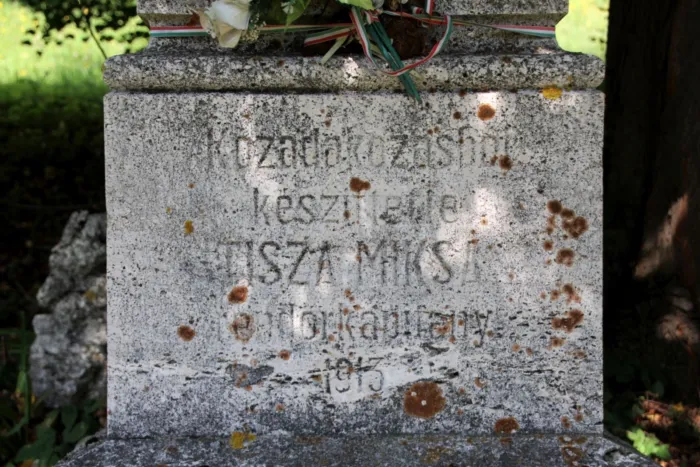
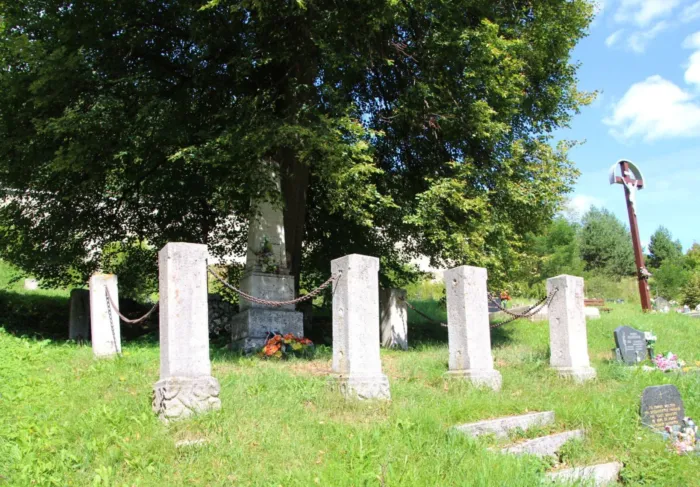
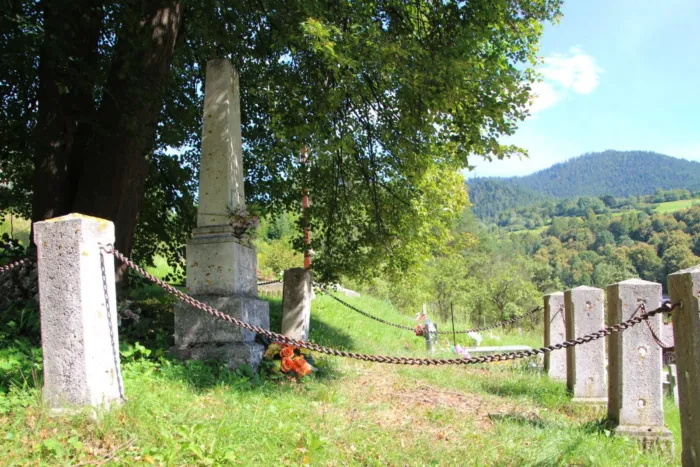
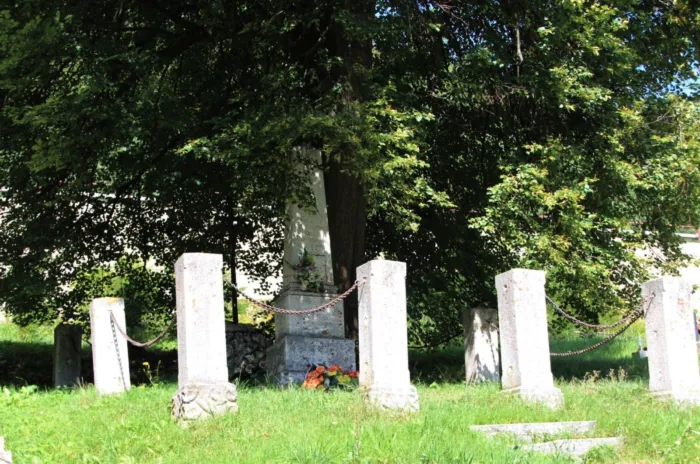
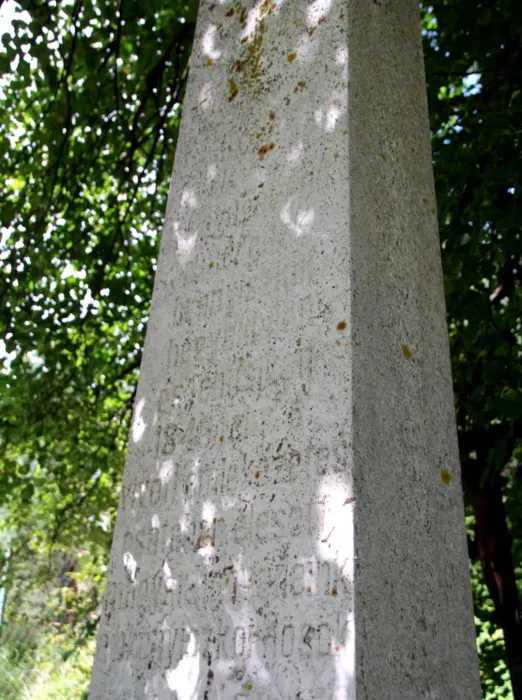
The small cemetery of the tiny village on the western side of the Branyiszkó Pass, sandwiched between the old national road and the modern expressway, contains a precious memory of a brilliant victory in Hungarian history. ; The forces of the Hungarian revolution, which culminated in a heroic war of independence in the autumn of 1848, found themselves in a difficult political and military situation by winter. The most significant Hungarian army force, the so-called Feldunai Hadzt, which had retreated from Vienna in defeat and was relying on the Komárom ramparts, and which was then under the command of Artúr Görgey, received an order to join the other army units retreating to Transtiş. This maneuver was very difficult because the central part of the country was already occupied by the Habsburg imperial troops. Görgey therefore tried to reach the Great Plain from Komárom through the mining towns of the Highlands. The main army was followed by significant Austrian pursuing troops, while the Hungarian army was also able to replenish its supplies in the affected cities. Recruitment was also ongoing, and many hundreds of Slovaks and Hungarians from the Highlands joined the revolutionary army. The Austrian general Franz Deym, who occupied the narrow and steep Branyszkoi Pass and dug in there, tried to prevent the Hungarian army from advancing eastwards, towards Košice. Görgey entrusted the daring Colonel Richard Guyon with the capture of the pass. The bloody Battle of Branyszkoi, which took place on 5 February 1849, ultimately resulted in a brilliant Hungarian victory: it opened the way for Görgey's army to the Hernád Valley and from there to the Tisza. The Hungarian army, united behind the Tisza, was soon able to launch the most glorious military operation of the War of Independence, the Spring Campaign. ; In the battle, approx. In addition to 800 enemy Austrian soldiers, about 200 Hungarian and Slovak national soldiers died a heroic death. Many of them eventually died in the military hospitals of the area. ; The soldiers were buried in mass graves at several locations near the battlefield, so some of them are also buried in the cemetery of the village of Korotnok. ; The mass grave was first marked with a cast iron cross on a stone base. The monument visible today was built in 1913. It is located under a linden tree, in a cemetery surrounded by ten stone columns connected by a chain. In the middle of it rises a stone obelisk, on top of which the following engraved text can be read: "Here rest our Hungarian national soldiers, the heroes of Braniszko, who fell in the memorable battle fought on the steep Braniszko hillside and plateau on February 5, 1849." Below this text, on a plaque placed later, the inscription "Obete vojny z 1849" (=Victims of the 1849 war) can be read in Slovak. In the middle part of the obelisk we can read the inscription "Made by public donation by Tisza Miksa police captain 1913". ; The grave site, covered by an acacia forest, was found by Hungarian hikers in 1990. The area around it was cleaned up, and since then the local government and Hungarian hikers have been taking care of it.