
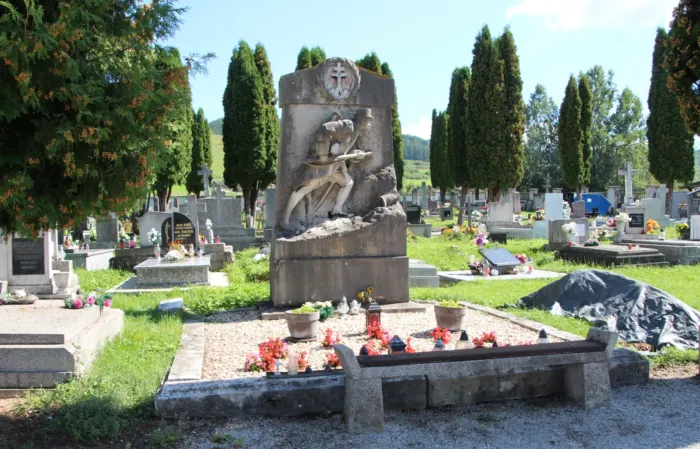
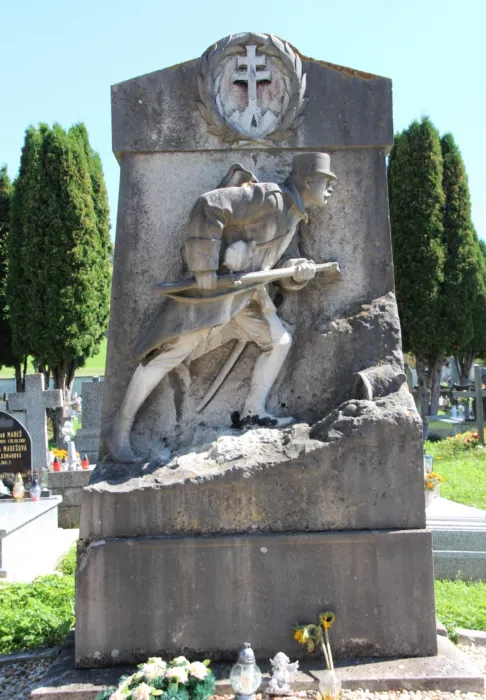
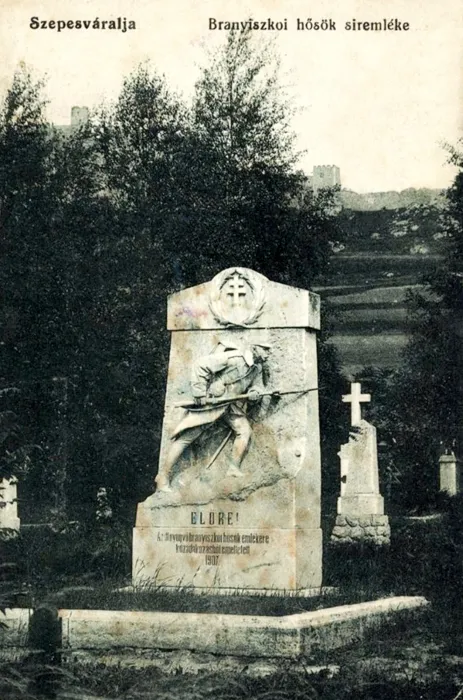
Tomb of Braniszko Heroes in Spišská Václava
Cemeteries, tombstones, graves
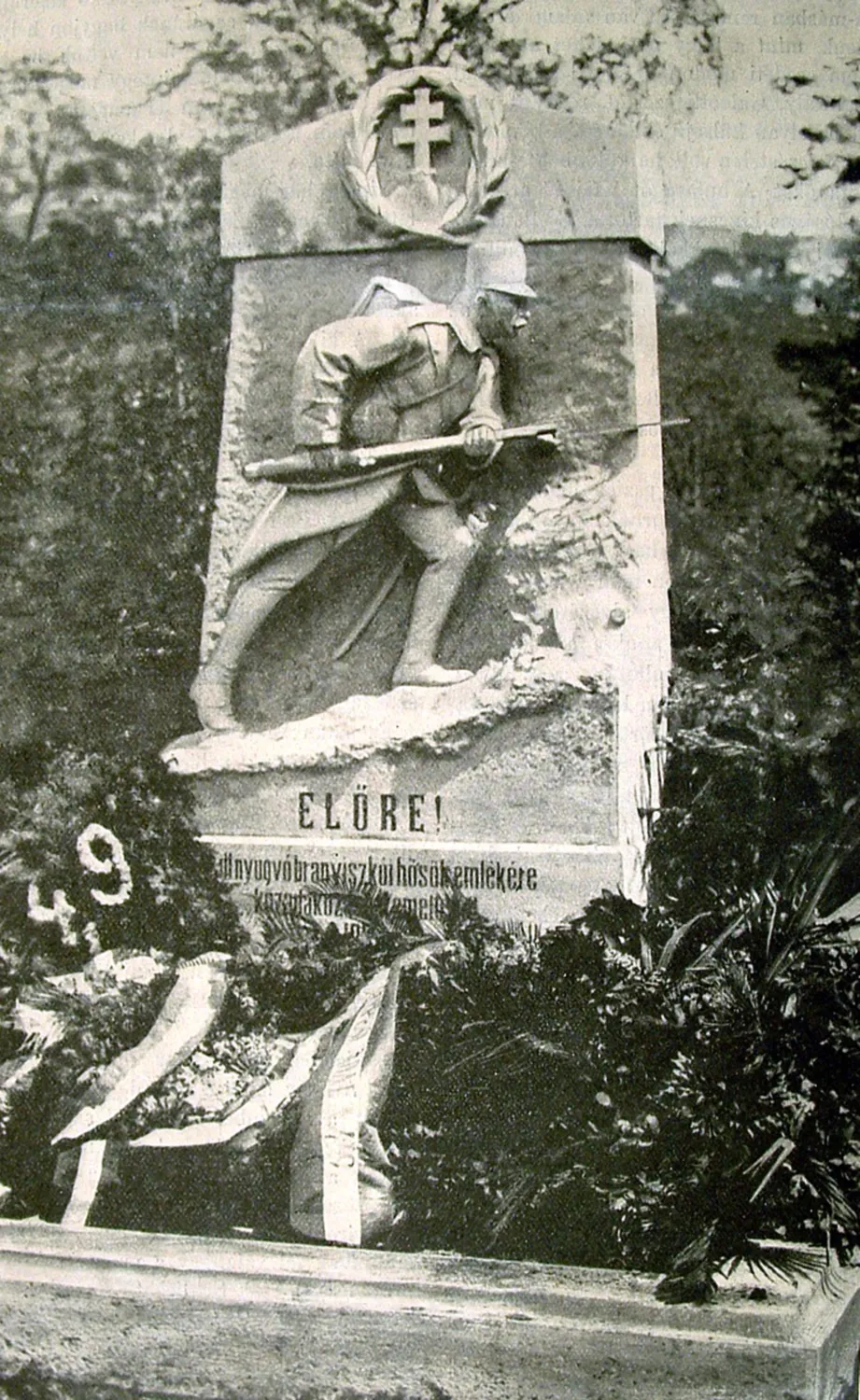
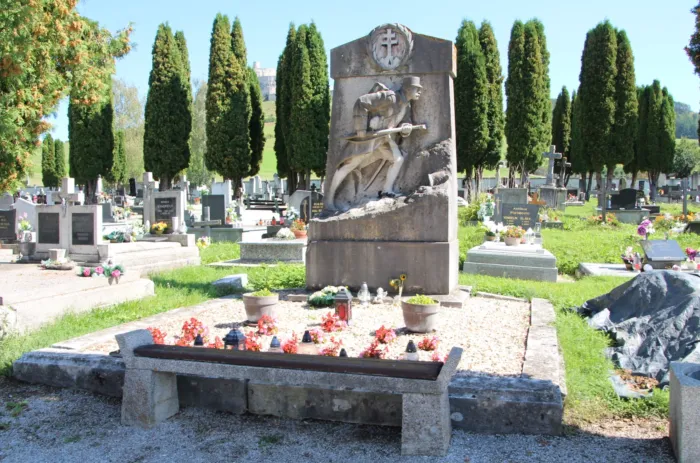
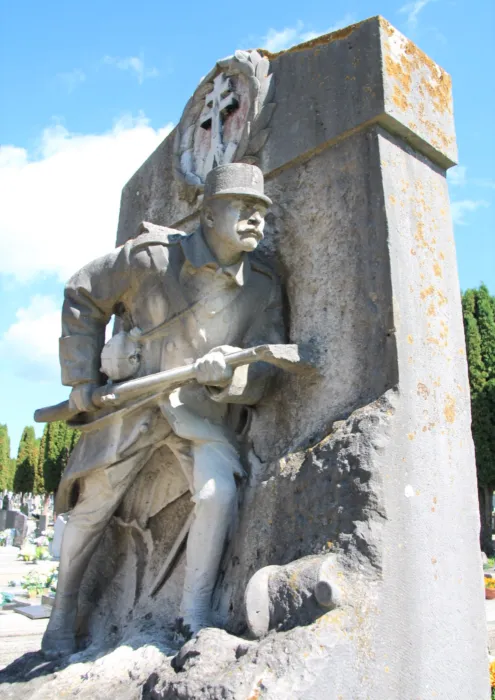
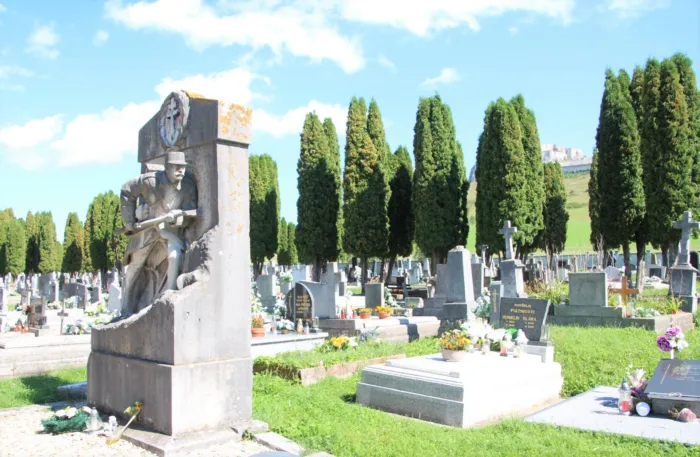
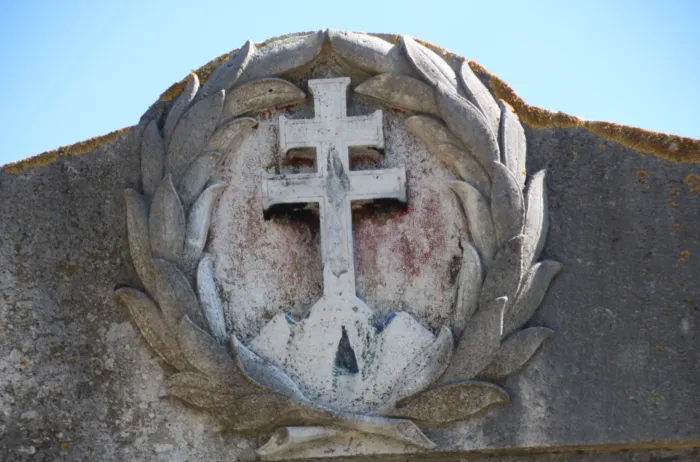
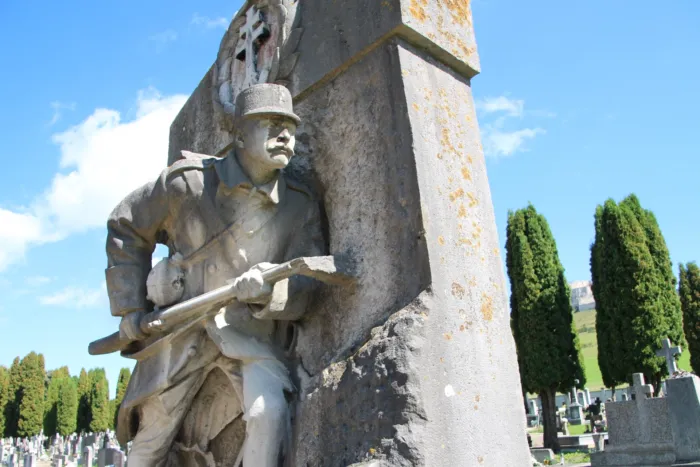
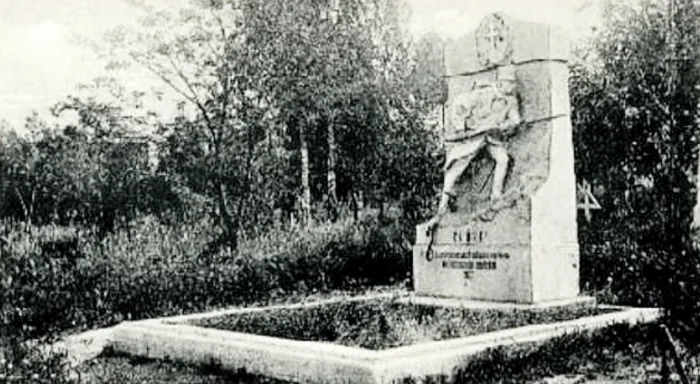
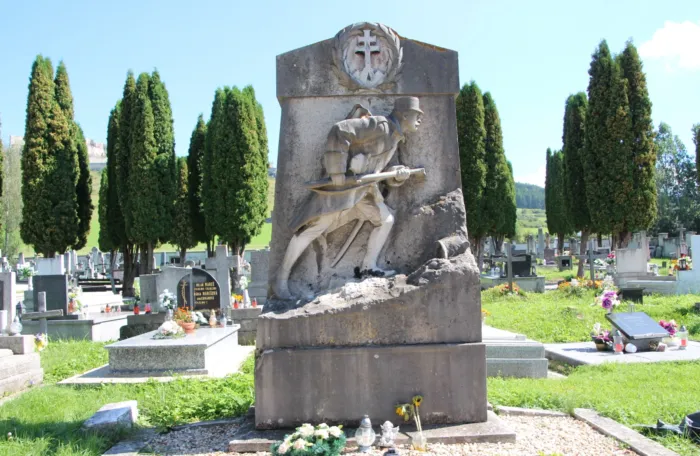
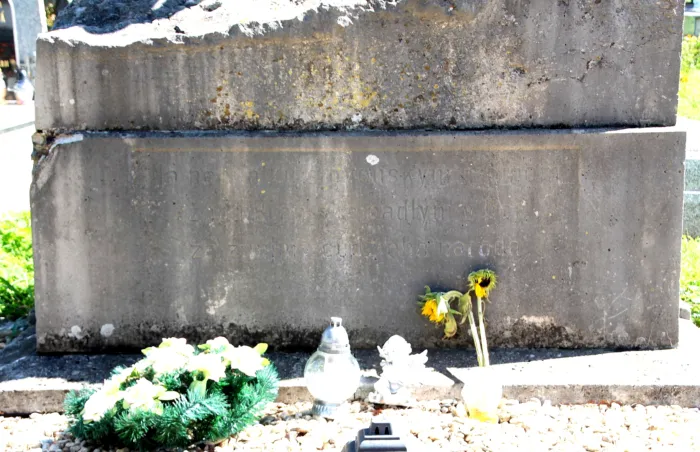
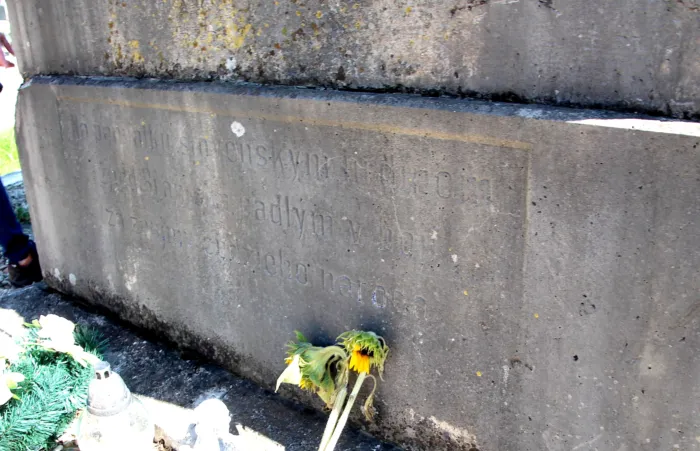
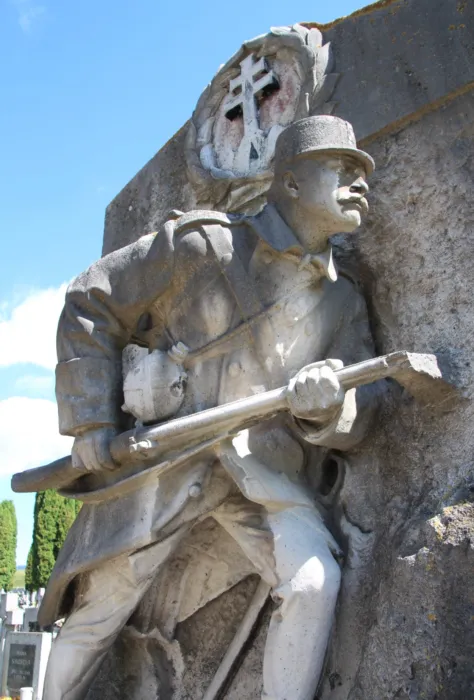
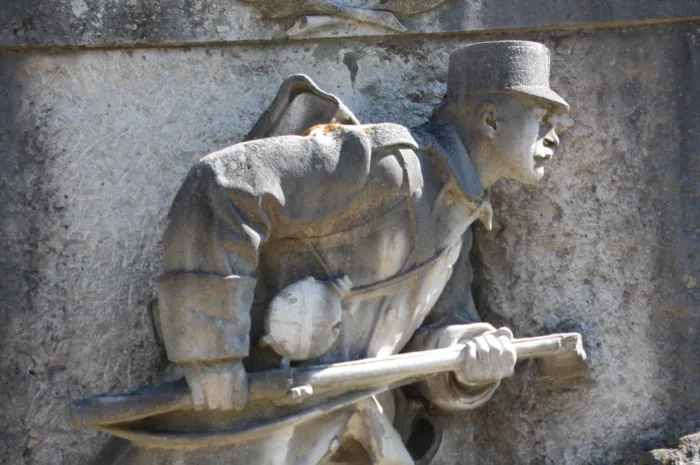
The forces of the Hungarian revolution, which culminated in a heroic war of independence in the autumn of 1848, found themselves in a difficult political and military situation by winter. The most significant Hungarian army force, the so-called Feldunai Hadzt, which had retreated from Vienna in defeat and was relying on the Komárom fortifications, was ordered to join the other army units retreating to Trans-Tisza. This maneuver was very difficult because the central part of the country was already occupied by the Habsburg imperial troops by then. Therefore, Görgey tried to reach the Great Plain from Komárom through the mining towns of the Highlands. Significant Austrian pursuing troops were following the main army, but at the same time the army was also able to replenish its supplies in the affected towns. Recruitment was also ongoing, and many hundreds of Slovaks and Hungarians from the Highlands also joined the revolutionary army. The advance of the Hungarians towards the east, towards Košice, was prevented by the Austrian general Franz Deym, who occupied the narrow and steep Braniszkoi Pass and dug himself in there. Görgey entrusted the reckless Colonel Richard Guyon with the capture of the pass. The bloody Battle of Braniszkoi, which took place on February 5, 1849, ultimately resulted in a brilliant Hungarian victory: it opened the way for Görgey's army to the Hernád Valley and from there to the Tisza. The Hungarian armies united behind the Tisza were soon able to launch the most glorious military operation of the War of Independence, the Spring Campaign. ; In the battle, in addition to the approximately 800 enemy Austrian soldiers, about 200 Hungarian and Slovak Hungarians died heroic deaths. Several of them eventually died in the military hospitals of the area. ; The soldiers were buried in several graves, in mass graves, so many of them are buried in the cemetery in Szepesváralja. According to Tamás Katona, this is the most populated mass grave in Branyszkó. After the compromise, a beautiful memorial was also built over the mass grave. Its relief shows a full-length depiction of a soldier charging up a mountainside with his bayonet-mounted rifle. ; The monument still exists today, but after the change of Czechoslovak empire, it was unfortunately transformed. On the top of the monument, the 2nd class Military Order of Merit for the War of Independence can be seen, which a superficial observer might easily think is identical to the current Slovak coat of arms. The soldier's hat was shaped to half size, and the original Hungarian inscription was removed. In its place, the following insulting inscription was carved in Slovak: "In memory of Slovak heroes, from Braniszko, who fell in battle for the interests of a foreign nation." Probably neither the Slovak nor the Hungarian patriots resting here would be satisfied with this undignified and inaccurate, nationalistic inscription...