
Betléri Andrássy Castle Park
Building, structure
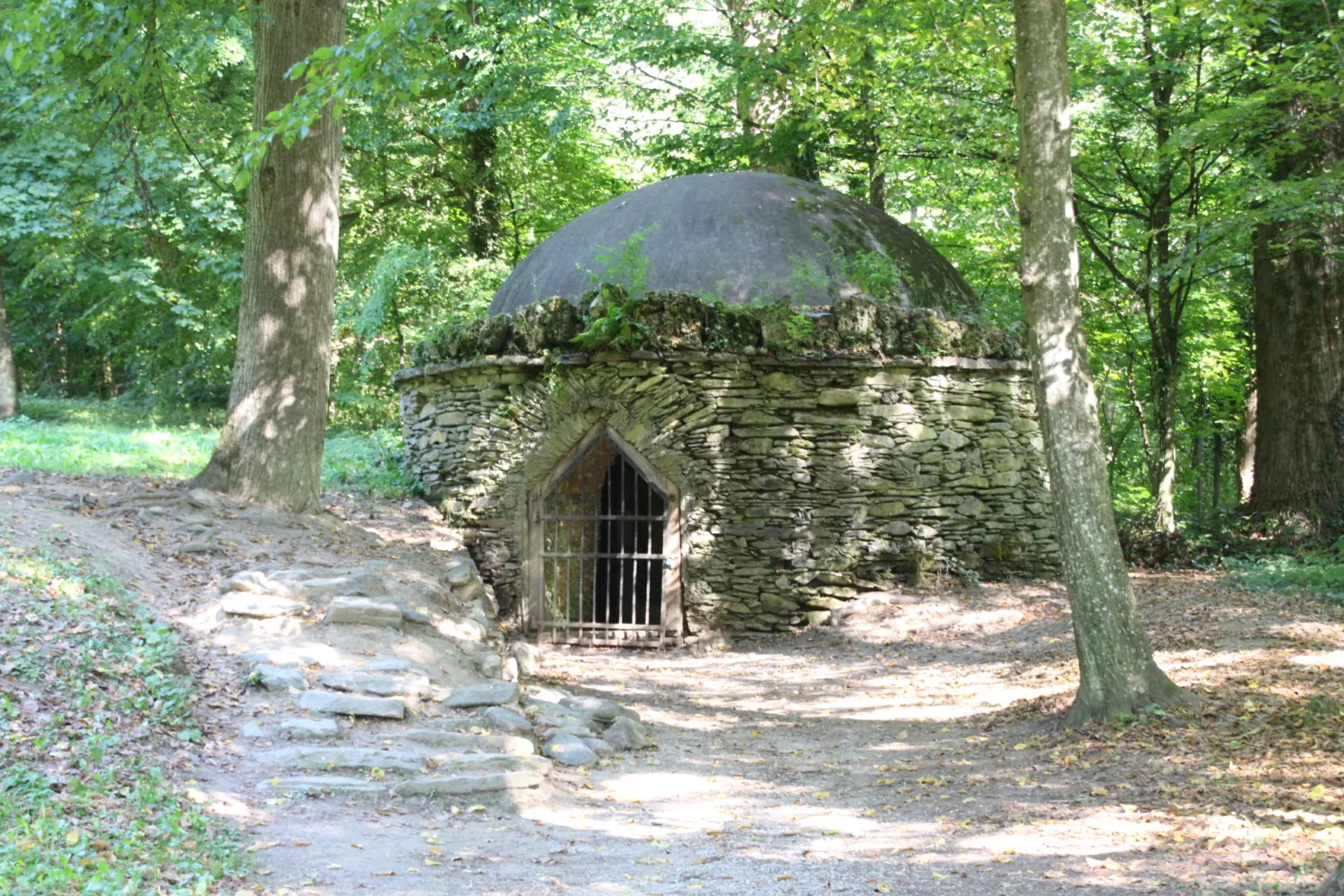
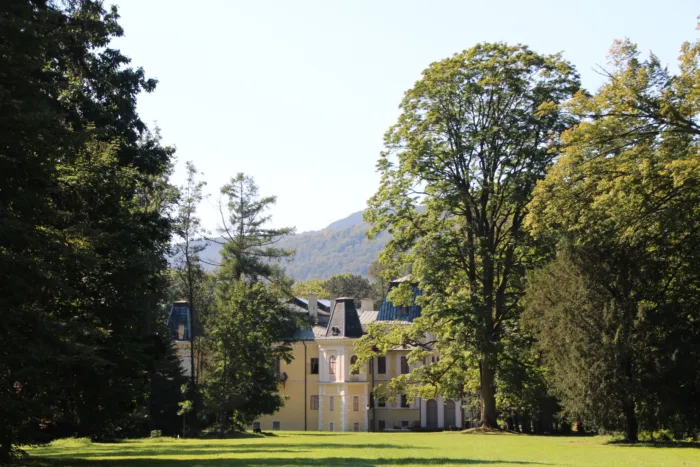
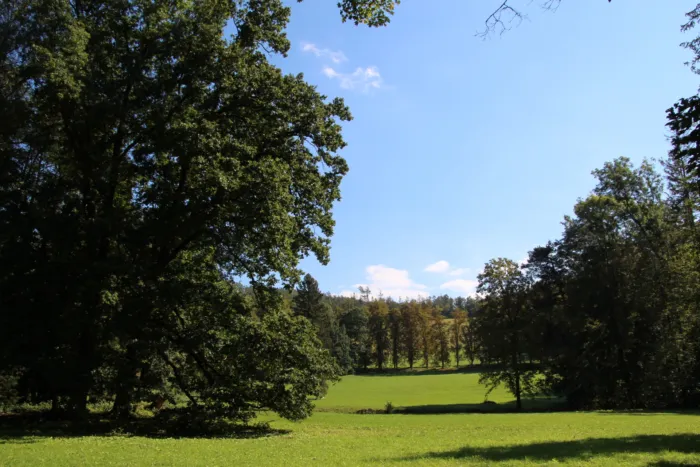
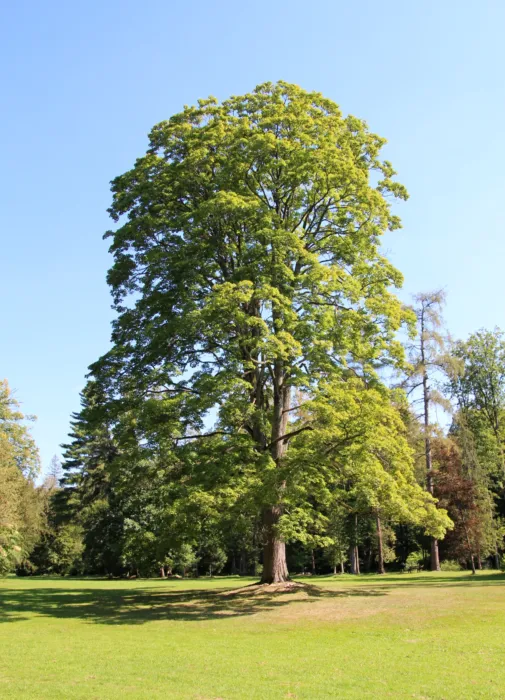
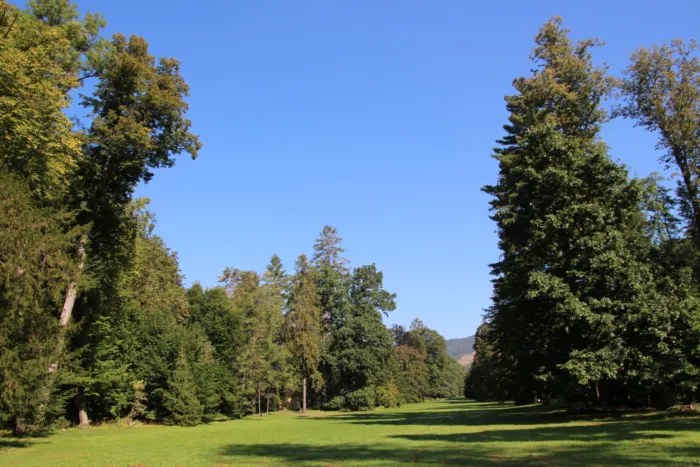
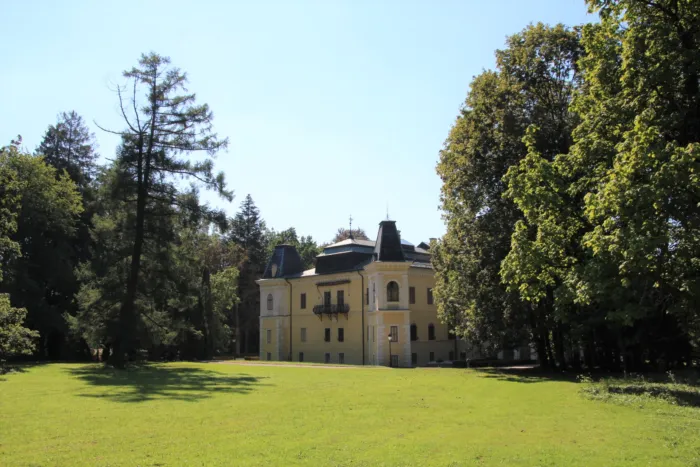
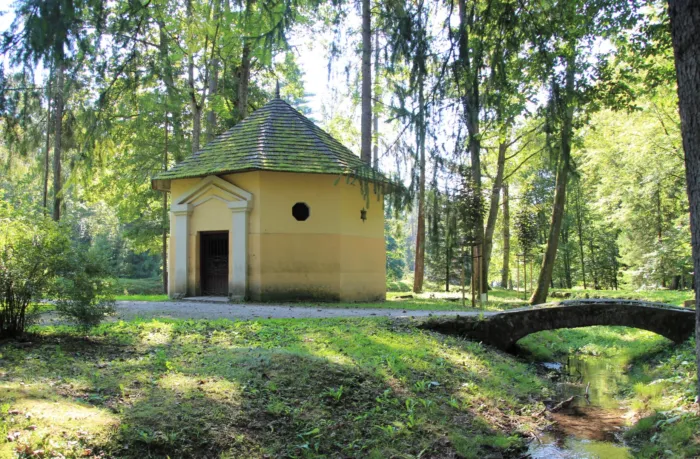
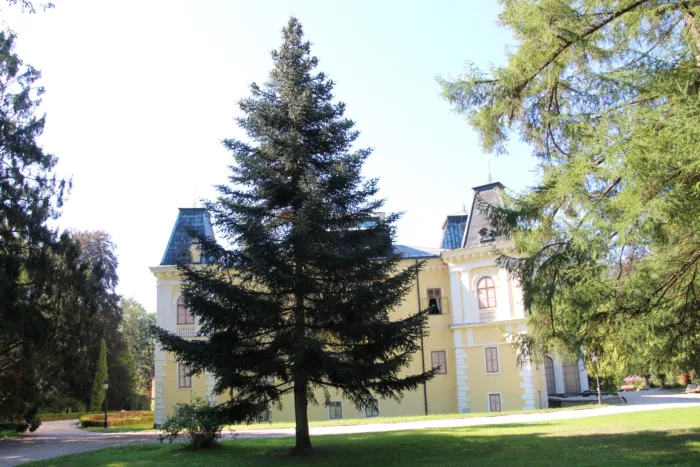
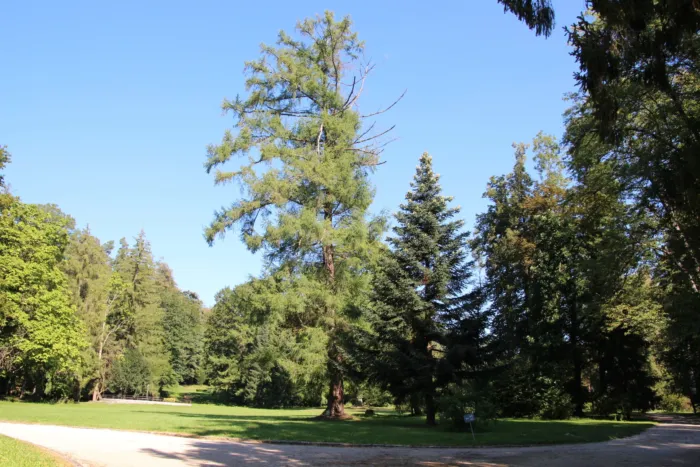
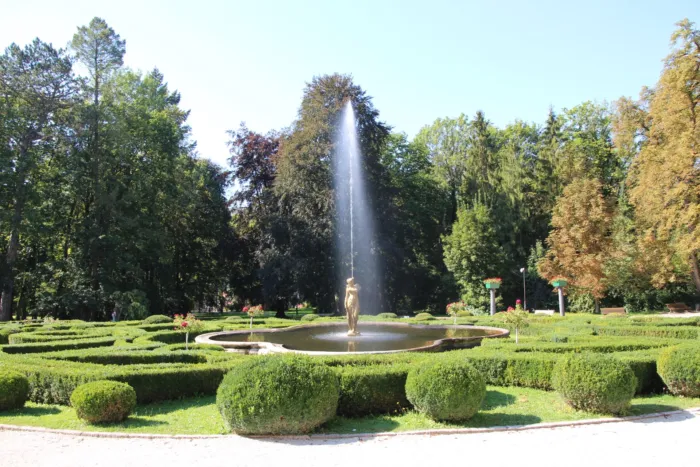
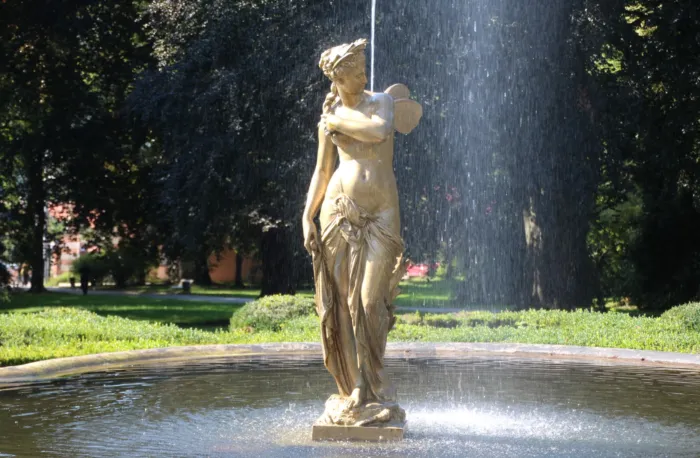
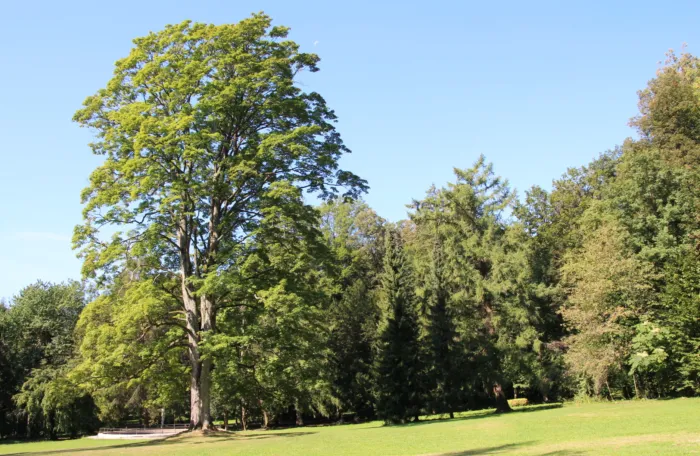
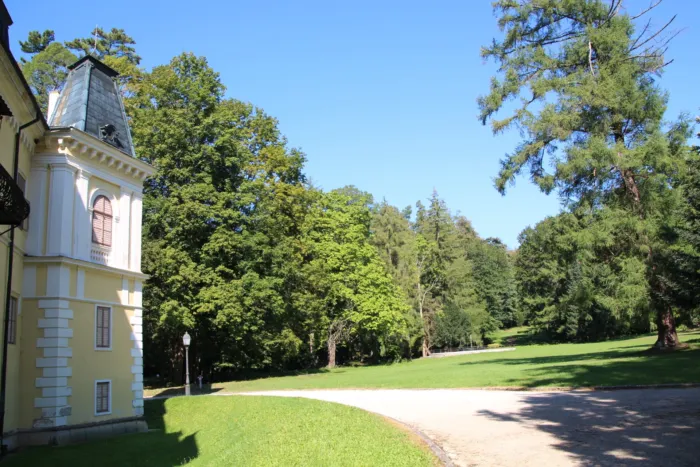
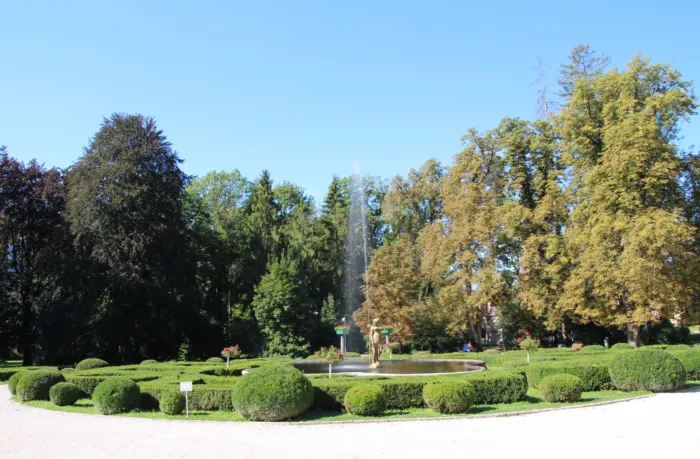
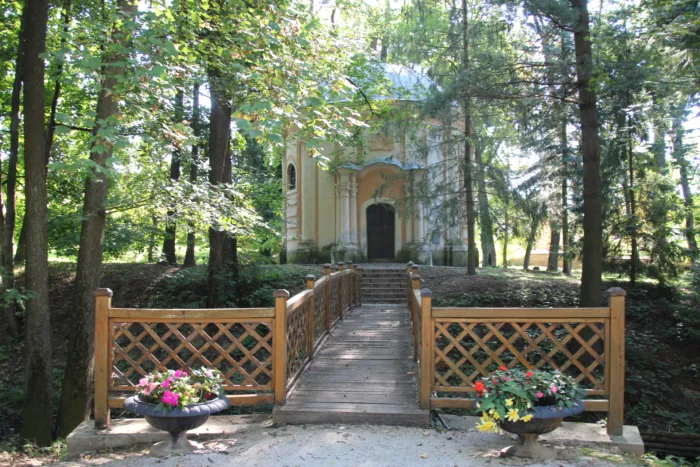
The castle was built at the end of the 17th century as a castle for the Andrássy family. It acquired its current form during the eclectic style reconstruction in 1880. The library that still exists today was founded by Lipót Andrássy in 1793. It currently has a 57-hectare English park, which was designed and started to be built between 1792-1795. ; The castle is special in that all of its original furnishings have been preserved. It is one of the most popular monuments in the country, with 80-90 thousand visitors per year. ; József Sisa writes about the castle as follows: ; Count Manó Andrássy (1821-1891), Gyula Andrássy's brother, was a colorful personality of the 19th century. After his university studies, he traveled in Western Europe and North Africa, and then left Hungary for a long time to travel to China and India. After his return home, he was heavily involved in industrial development and modernized the ironworks along the Sajó River. He was known as a great hunter, but he also took an active part in political life, including as a member of parliament. He bought back the old Betlér castle of the Andrássy family – which one of his ancestors had sold in 1824 – in order to rebuild and renovate it. This took place after he had given his newly married son Géza his Parnó castle (1882), which he had built himself more than twenty years earlier. He used the Betlér castle in the summer, and in the winter the family lived in the palace on Mérleg Street in Budapest. ; The history of the Betlér castle dates back to the 15th century. At that time, a small castle with a corner tower was built, behind which another building was erected at the beginning of the 16th century. In the following centuries, the two buildings were connected and suites were created in them. Manó Andrássy had to create a representative castle from a rather heterogeneous and irregular building. He built it in 1882-86, according to the former memorial “according to his own plan and under his personal supervision”. ; Although Andrássy had artistic ambitions, the design, which required technical expertise, was carried out by the Budapest architect Sándor Fort. They tried to form the two parts of the building into a unified block. As part of this, an additional, second floor was added, towers were also built at the corners of the rear part of the building, and the architecture was also renewed. The new main entrance and the tower building, which included the staircase, were added to the left side of the castle. ; With its forced solutions, the building undeniably bears the traces of adaptation to the old, but also of amateur planning. Its main facade is relatively short, but its mass extends back in a long, broken line in depth, and the massive stair tower attached to its left side seems to tilt the composition, which is now oriented to this side. The steep, truncated pyramid roof of the towers further enhances the imbalance of the mass effect. A long, closed veranda is attached to the (former) main facade, which reduces the monumental effect of the main view. Behind the veranda is the former main entrance. On the main facade, the old part of the building and the second floor, which was added later, with a light, neo-Renaissance-style architecture, can be clearly distinguished. The corners of the side entrance tower are surrounded by corner pillars ending in a loophole on the upper level, which seems to be a stylistic inconsistency, but it resonates with the architecture of the castle's rear block, which is different from the first, since here, windows crowned with square Tudor cornices line up on a smooth wall surface. (This also raises the possibility that the rear part of the building was renovated in the mid-19th century.) ; Following the renovation carried out in the 1880s, a long, central hall was created on both floors between the two once separate buildings, and the rooms are grouped along them. The wooden ornamental staircase, opening in two directions on each floor, is connected to this, accompanied by a richly carved neo-Gothic railing. On the ground floor, a unique Baroque grotto of its kind has been preserved (the former main entrance leads here), and the staff rooms have been created in the vaulted rooms. ; The count's suite was created on the first floor, and the countess's on the second. The rooms were furnished according to the needs of comfort and representation, with the main emphasis on the large number of artifacts from Manó Andrássy's expedition and hunting expeditions. An extremely detailed description of the layout, furnishings and objects of the castle's rooms was published in 1895, which gives a vivid picture of the building's (now modified) interior: ; “The main staircase itself is very interesting, even magnificent, its walls up to the ceiling are decorated with all kinds of old weapons, military equipment, old flags, old and new art rarities, old and new oil paintings, and also busts carved from white marble, etc. Going up the red marble staircase with ornate armrests to the first floor of the staircase, we find this large and spacious room also loaded with rarities, exquisite copper and wrought iron chandeliers, huge candelabras, flower stands, oriental copper vessels and furniture brought here from world exhibitions, which are masterpieces of applied art. Here stands a huge stuffed black bear on two legs, holding a flat basket on one foot, as if asking the guest passing by for a visitor's ticket, here we can also see a huge crocodile with an open wooden box in its open mouth, in which it also expects a visitor's ticket. Both huge animals were shot by Manó Andrássy: one at home on the Oláhpataki estate, the other on the east. Along the walls are low, comfortable oriental couches, covered with expensive carpets, white bear, tiger, panther, etc. skins. The living rooms open from the staircase. Opposite the staircase is the glass-walled lounge, the ceiling of which is decorated with frescoes by Zsigmond Vajda, and its walls are covered with exquisite tapestry carpets. Next to the ornate marble fireplace stands an iron bust of the late Count Gyula Andrássy. There is a bookcase here, which is filled with all of Jókai's works, there are shelves with lockable leather covers, which contain a collection of national and county-related caricatures of the Counts Andrássy, colorful drawings made by Count Géza Andrássy during his American trip about his hunting and other experiences, sketchbooks spanning volumes, sports pictures, and a collection of photographs. The southern wall of the lounge is also consists of glass panels, through which a beautiful view can be enjoyed towards the park and the forested mountain ranges. From the staircase, to the right we enter the hall decorated with family pictures, in which there is a surprisingly beautiful, large Rákóczi cabinet adorned with paintings. From here, to the left, we enter a guest room, and from there to the billiard room, where two exquisitely carved, large, glass-door cabinets catch our eye: one is filled with selected Bronze Age objects, the other with old and valuable foam pipes from the workshops of the most outstanding masters. In one corner of the room stands a piano, in the other a huge old white tile stove, on top of which is a tall mythological male statue also made from the stove material. On the walls are oil-painted portraits of our old grandparents and old family pictures, among them the count's beautiful mother, Valburga Csáky (wife of Count József Andrássy), who at the age of 28 He died in 1797. From the billiard room to the left we enter the dining room, all four walls of which are covered with a collection of life-size, oil-painted, equally large and neatly arranged portraits of the famous cavalry general Count Ferencz Nádasdy and his officers. Among the senior officers there is also an Andrássy: Károly, the later general. This Nádasdy hussar regiment is also notable for being the oldest hussar regiment of our common army. The wall sections above the doors are covered with battle paintings. This room also has a surprisingly beautiful old stove, old furniture, majolica and porcelain ornaments: the tower room connected to this room has cabinets full of glassware. From the billiard room to the right is the count's study, which also contains several old furniture and rarities (including a replica of the Hungarian crown under a glass dome, as well as valuable prizes from various competitions, old miner's badges, rare antlers, Rákóczi's sword and mace, etc.) can be seen. The hunting pictures on the walls mostly depict the Indian hunts of Count Manó Andrássy. There is a drawing by Count Károly Andrássy depicting a county assembly in Pelsőczi, the figures of which are recognizably faithful replicas, and there is another drawing here, which depicts the members of the count's family, officers and servants sitting and standing in front of the castle from the beginning of this century. A door from this room leads to the night tower of the castle, which contains another collection of firearms, fishing and hunting tools. The count's bedroom opens into the study, whose canopy bed is covered with exquisite blue silk curtains embroidered with gold; on closer inspection, we can only notice that the gold embroidery depicts sayings from the Koran in Arabic letters. To the left of the staircase is a to the hall, and from there through three doors to the guest rooms, which are furnished with old furniture. The hall on the second floor also has interesting antiques, including valuable curtains. From here we reach an extremely large, high, overhead-lit picture hall, the magnificence of which is surprising. There are paintings here by famous Italian, German-Lowland, French and German artists, as well as Munkácsy, Madarász, Lotz, Ebner, Pállik, Vajda, etc. from our Hungarian artists. Interesting and large pictures: (copies). <,<, Árpád's election as prince>,>, (by an Austrian painter), a pretty picture by Count Manó Andrássy: two beggar children on a street corner, also interesting are the life-size portraits of Counts Gyula Andrássy and Manó, and their majesties: the busts of the king and queen. So Above the doors of the gallery and the other rooms on the second floor are oil paintings of scenes from the 1848-49 War of Independence. In the middle of the room is a large, exquisitely crafted round table, a beautiful inlaid work, in the middle of which is depicted the great Napoleon and his camp. Adjacent to the gallery is the large salon, with a rare, beautiful red-light mosaic ceiling, ornate and comfortable furniture. A door leads from this room to the spacious iron balcony on the facade of the castle, from which a beautiful view opens up of the Sajó valley, the mountains bordering it, the manor factories and mines, the village of Betlér, the front part of the park, the huge fountain in it and the outbuildings. To the left of the large salon is the countess' salon, furnished with sumptuous light. Here, on the walls upholstered with expensive fabrics, Count Károly Andrássy and his wife, Countess Etelka Szapáry, Life-size portraits of Count Gyula Andrássy, Count Manó Andrássy and Countess Gabriella Pálffy Manó Andrássy are visible. The tower room is connected to this room, which is furnished as a lovely little side salon. To the right of the large salon is the bright guest room, which once served as the residence of the Serbian King Milan (even in his heyday), when, as a guest of Count Manó Andrássy, he participated in the local hunts with his son and his entourage. The other rooms are partly the living quarters of the count's family and partly the living quarters of the inner servants. The countess's small salon is surprisingly beautiful among the family rooms, from whose balcony there is a beautiful view of the vast park to the east and the 420-meter-high Pozsáló mountain rising in the background. The upper curved parts of the five smaller and three large windows of the staircase are decorated with colored glass coats of arms from Kratzmann's studio. On each window are two There is a coat of arms: the coat of arms of each ancestor and wife of the Andrássy family. Among the maternal ancestors, the coats of arms of Gabriella Pálffy, Etelka Szapáry, Valburga Csáky, Szerafin Batthyány, Rebeka Nádasdy, Erzsébet Balassa, Zsófia Serédi and Zsófia Betz can be seen here. We should also mention the corridor of the ground-floor suite, which was left over from the old building and is built of wasp stones in a grotto-like manner, and in one of its niches there is a statue of Medusa carved from white marble.” ; ; In front of the castle, a statue set in a marble basin shoots out water, and a cannon was placed at both ends of the left-hand facade in memory of the old glory. The main building was accompanied by a string of outbuildings. To the left in front of the castle, separated from it by a group of trees, lies the stable building, the former function of which is indicated by the horse-head statue placed above its entrance. In its heyday, it was lavishly furnished for 56 horses. The carriage house behind it also housed a tool shed. Behind this lies the kitchen garden and the orchard, with a greenhouse in it. On the other side, the kitchen house, which included several rooms, was again located in practical proximity to the castle. Behind the castle, a large landscape park stretches far away in the remote countryside surrounded by mountains. It was created by Heinrich Nebbien, the great garden designer of the early 19th century. Various ornamental structures were hidden in the park, such as the Masonic pavilion, the Hermes fountain or the Bosnian house. In the latter, Manó Andrássy placed Bosnian art objects. ; The castle was inhabited by its original owners until 1945. It was then nationalized, but its original furnishings remained. In 1985 it was declared a part of the Slovak national cultural heritage. Starting in 1968, it underwent decades of renovation, and after its completion in 1994, the works were awarded the Europa Nostra award. Today it is one of the most visited monuments in Gömör.