
Barsi Museum
Building, structure
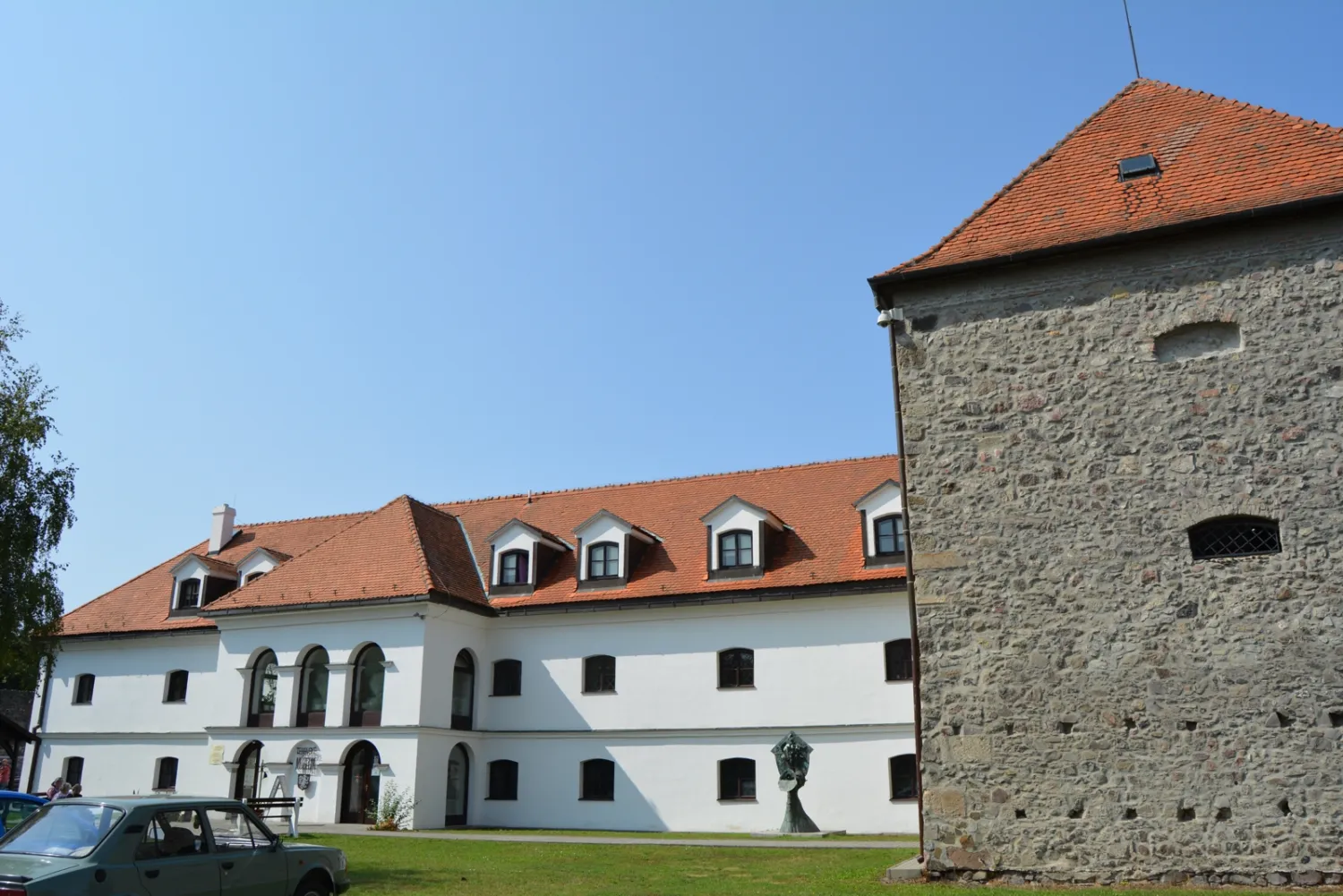
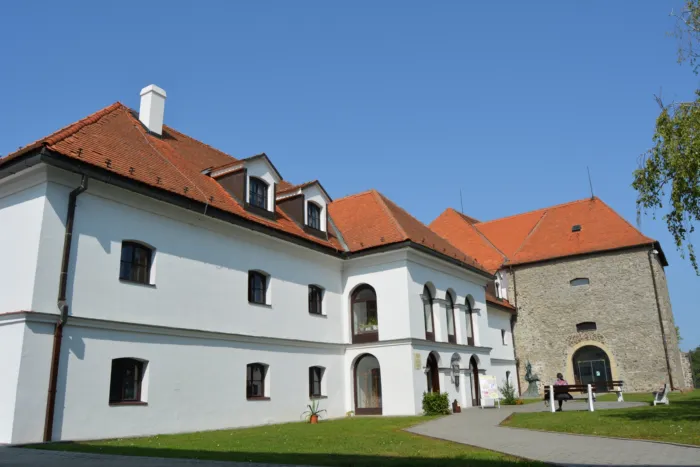
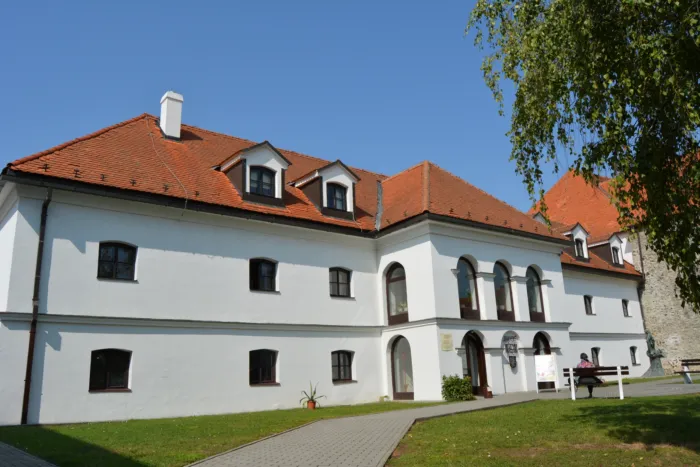
The Barsi Museum was founded thanks to the mayor of Léván Nécsey József of Verebély, who donated his collection to the city in 1927. Nécsey donated archaeological finds from the Verebély area and along the lower Garam River, ethnographic objects from the northern part of Bars County and the Zólyom area to the museum, as well as paintings by Italian, Dutch and Spanish painters, valuable epistolary material and approx. 1500 volumes of books. ; The museum was set up in rooms on the first floor of the town hall building. Its first director was Jenő Kriek, a teacher training teacher. After Nécsey, he is given the greatest credit for the fact that the Léván Museum could be established. The collection grew thanks to donations from various institutions and private individuals, and was further expanded with the valuable donation of the Piarist high school. The museum also acquired part of the exotic African collection of Kálmán Kittenberger, who was born in Léván. The city authorities entrusted the management of the museum and the city library to retired teacher Pál Hulják in 1946. He worked tirelessly to renovate the exhibitions and organize the collection. In 1954, the museum had to move to the old Franciscan Baroque monastery, where, after nationalization, it operated as the Járási Honismereti; Museum in appalling conditions for five years. It moved to the fortification belonging to the Léva Castle, the so-called Captain's Building, in the fall of 1958, where the museum is still located today. During these years, Ján Kováčik was the head of the museum, and in 1959 Ján Beňuch became the director of the institution. The first exhibitions were temporary. After the comprehensive renovation, in 1967, the exhibitions could be expanded in one of the castle bastions: e.g. an exhibition presenting the history of pharmacy, thanks to the pharmacists of Léva, but primarily to Dr. Ernő Alt. ; The extensive renovation of the museum exhibitions began in 1977, and since 1988 the Dobó Castle has housed the museum's temporary exhibitions. After the reconstruction of the so-called Captain's Building, the museum opened its permanent exhibitions in 2001, the exhibition presenting the history of pharmacy, and the Nécsey József Gallery. The rich and valuable collection of the Barsi Museum consists of more than 80,000 objects. This includes materials from natural science, history, archaeology, numismatics, ethnography and fine arts exhibitions. ; In the early seventies, the institution was expanded with outposts, which are still under the management of the museum today. There is a watermill in Bagonyá, which has been converted into a museum, and a group of rock dwellings carved into the tuff in Tegzesborfő, which have been declared a protected folk architectural monument.