
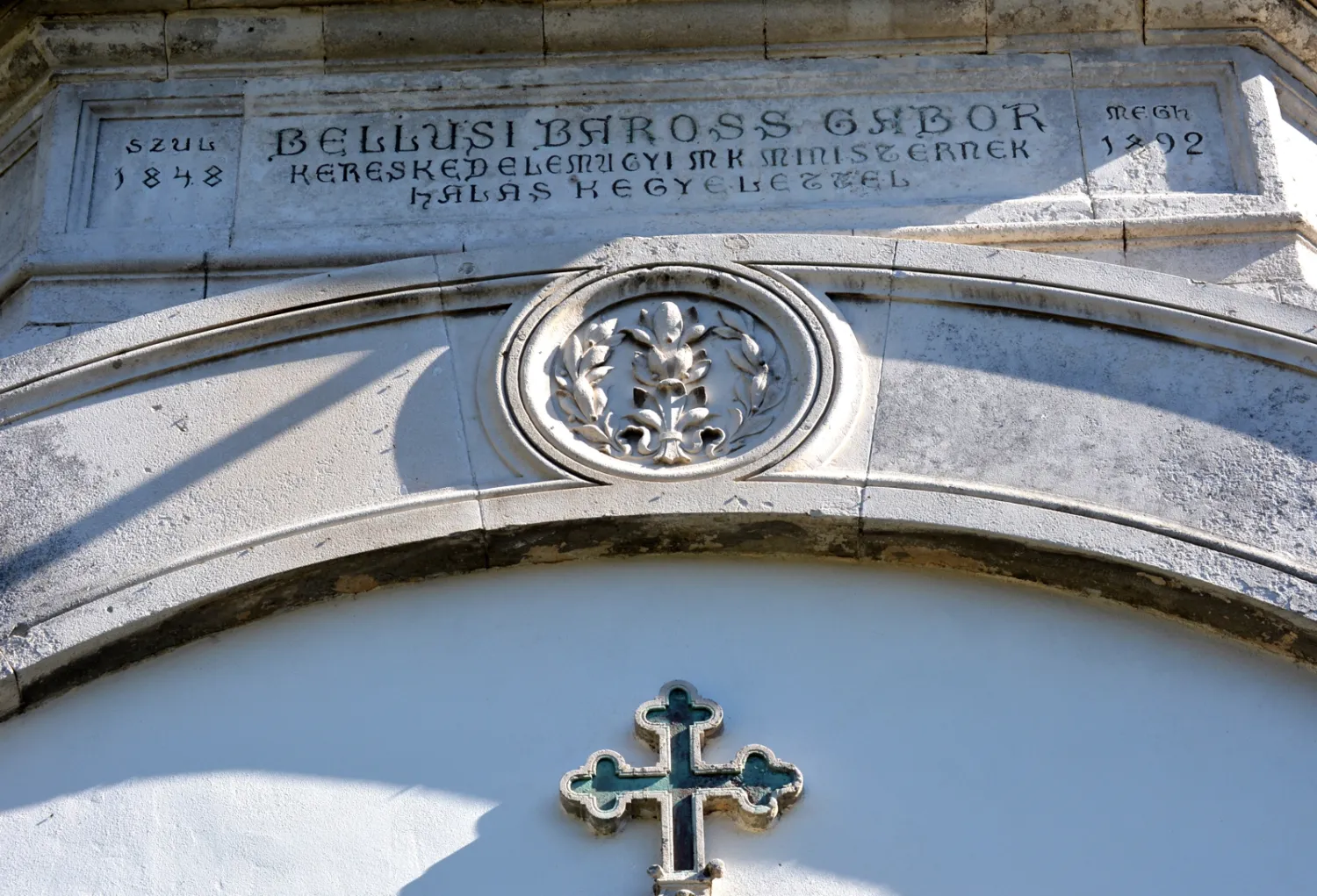
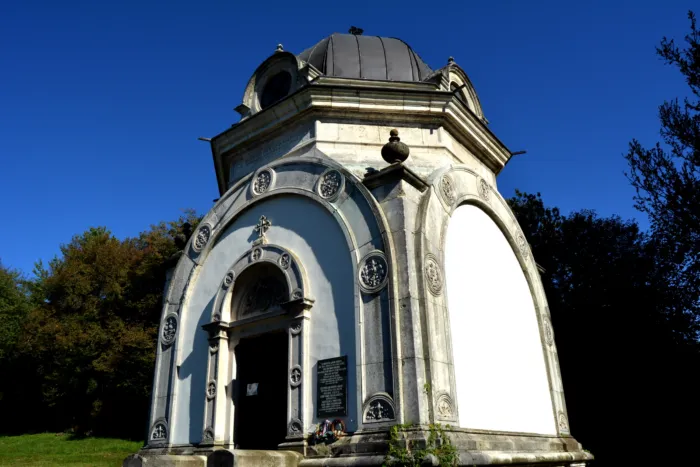
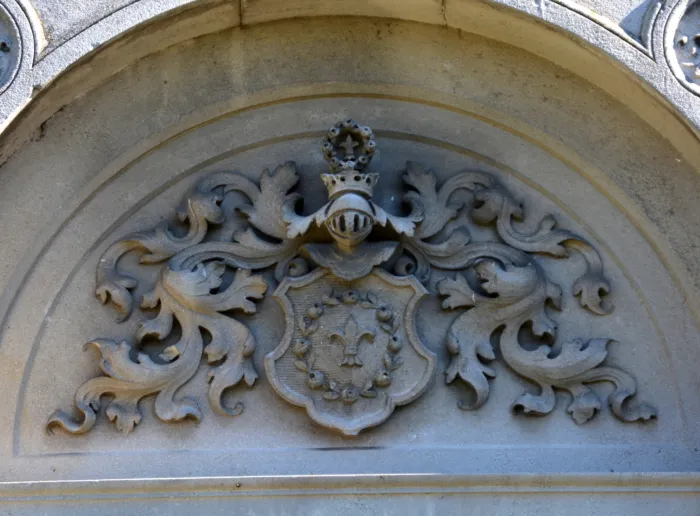
Mausoleum of Gábor Baross
Cemeteries, tombstones, graves
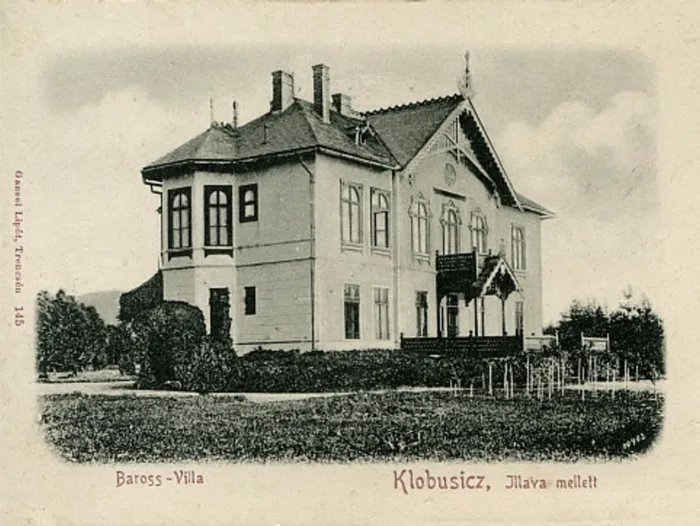
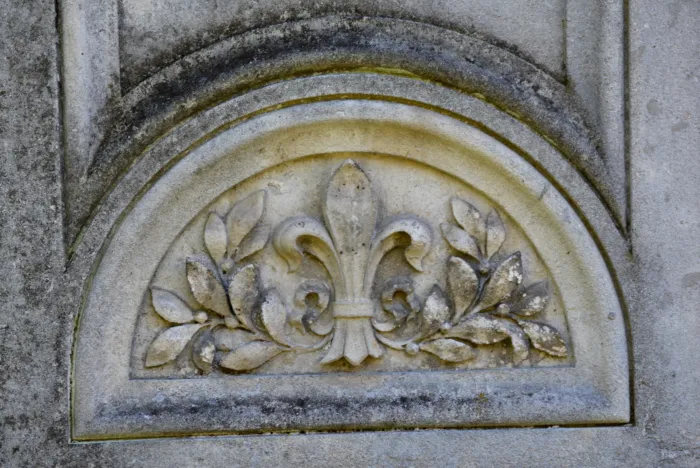
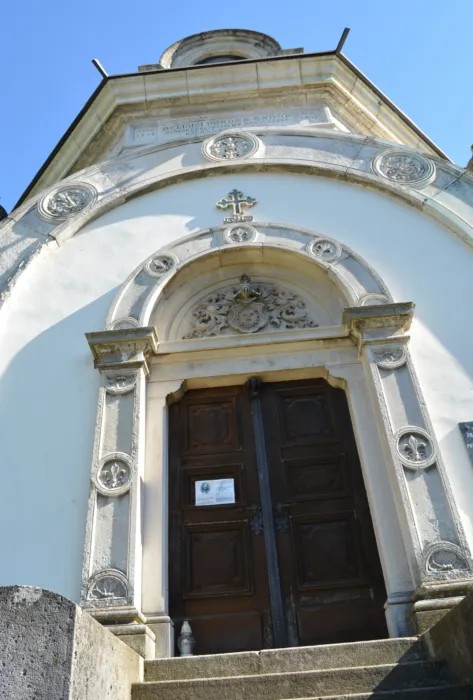
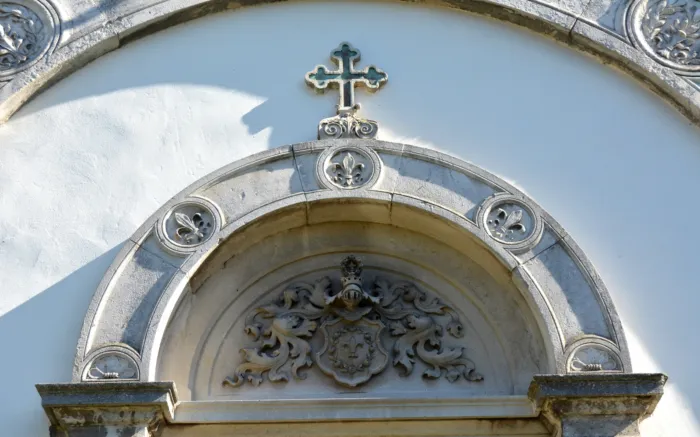
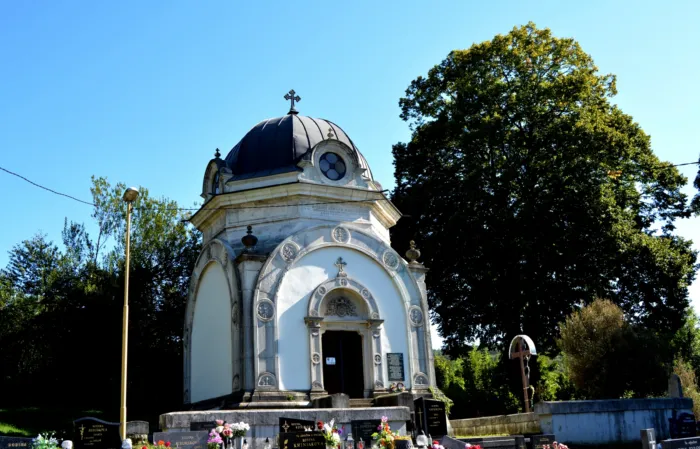
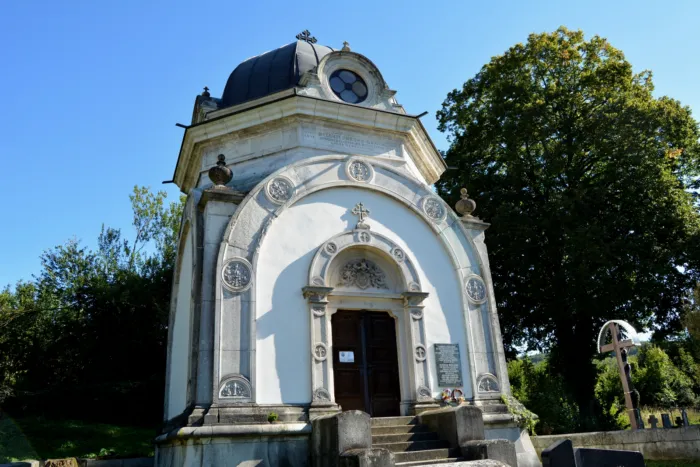
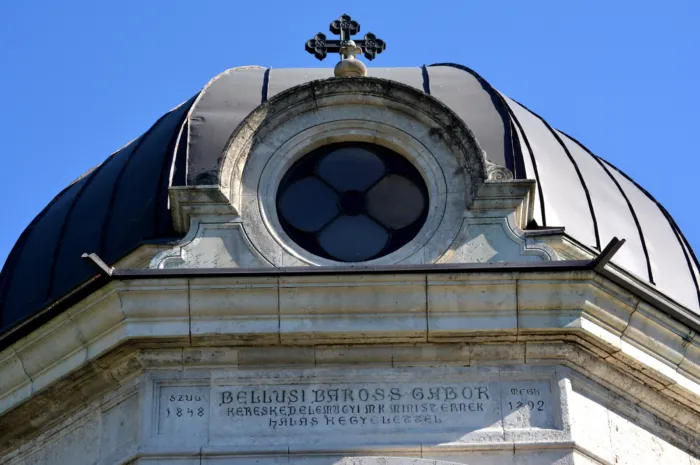
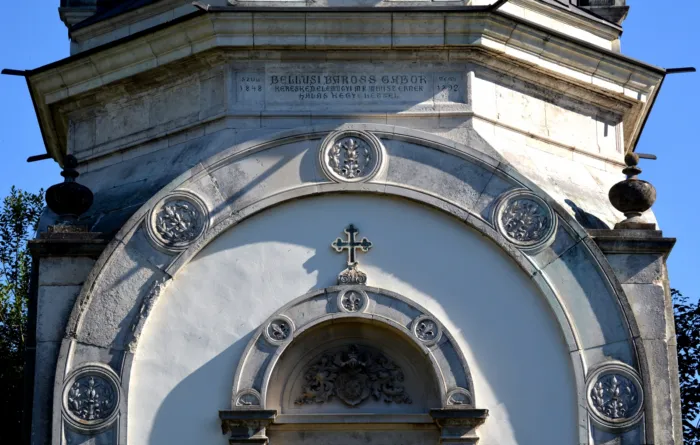
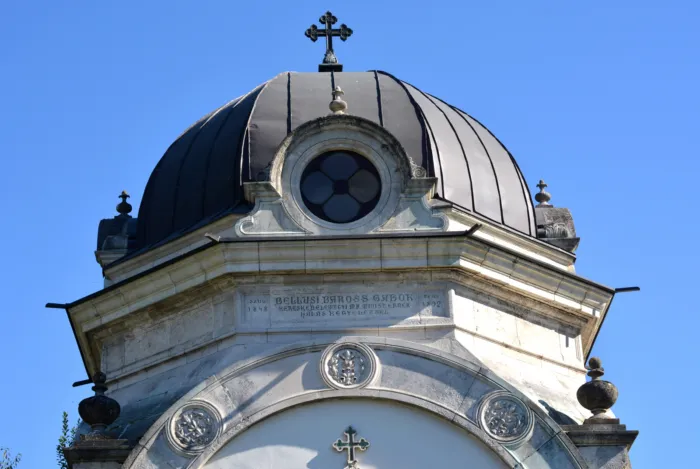
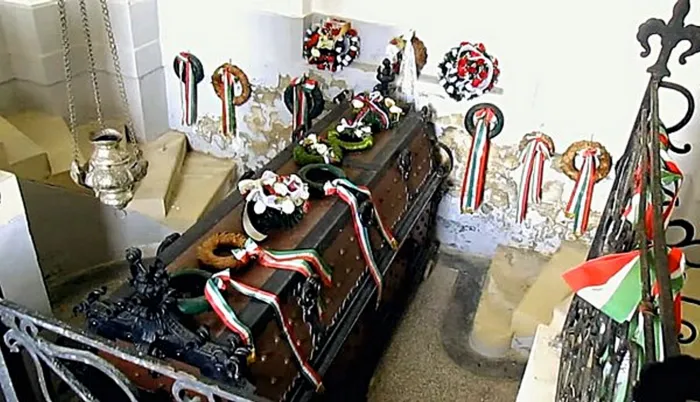
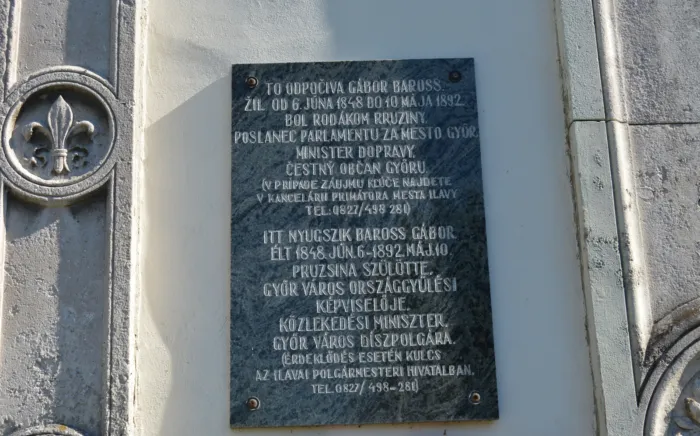
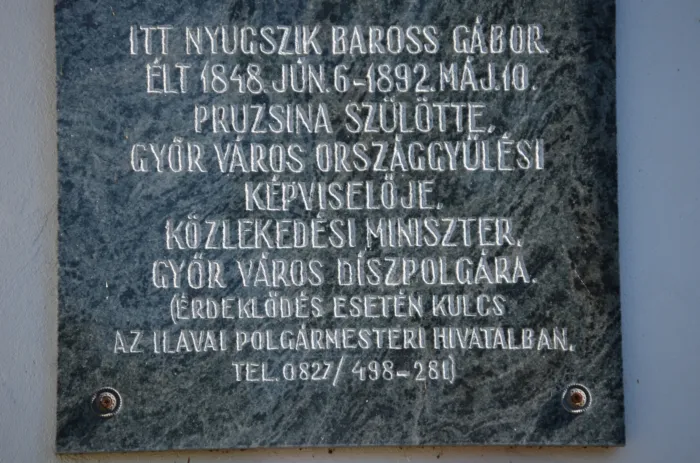
Gábor Bellusi Baross was born in 1848 in a small village called Pruzsina, in Trenčín County, with a Slovak majority, into a Hungarian middle-class family. After years of high school in Léva and then in Esztergom, he obtained a law degree in Pest. He then returned home and held various administrative positions in Trenčín County. The active young man was elected a member of parliament for Illava at the age of barely 27, with a liberal program. Possessing good oratory skills and an endless work ethic, the young man was first appointed as a state secretary and then in 1886 as the minister of public works and transport. Although his ministry lasted only 5 years due to his early death, he stood out during this time with his almost unparalleled achievements. Following in the footsteps of István Széchenyi, he considered modern, fast and cheap transport and transportation options to be one of the most important factors in Hungarian industry and trade. He developed the Hungarian railway network above all else. During his ministry, the length of the state railway network increased by more than 3,000 km, (!) connecting entire parts of the country to international traffic. As an innovation still used today, he introduced zone pricing (tying ticket prices to kilometers traveled) on state railway lines. ; The essence of the reform: a large-scale reduction in passenger transport fees. The zone pricing divided the stations into specific zones: the smallest 5 km, the largest 225 km. The largest price reduction is given for rail journeys shorter than 25 km and longer than 225 km (the so-called infinite zone). /For example, it cost the same to travel from Cluj-Napoca (400 km) to Budapest as it did from Brasov (731 km)./ In order to prevent Vienna from benefiting from the price reduction, the zone was calculated differently for long-distance journeys through the capital. With this measure, Baross wanted to strengthen the commercial and tourist position of Budapest. The benefits of the new tariff policy were quickly apparent. Internal tourism to Budapest revived. Many people came from great distances to Pest to shop. I want the lady from Brassó to come to Budapest to buy a hat! was the iron minister's famous saying. ; He founded a new school for the training of railway officers. He encouraged the development of the land road network, the maintenance of existing roads, the construction of new main roads and Danube bridges. Continuing Széchenyi's initiative, he supported the development of sea and river navigation - continuing, for example, the regulation of the Iron Gate on the Danube. Recognizing its importance, he supported the development of modern postal services, telecommunications, telephone and telegraph lines, and the training of professionals involved in these matters. He founded chambers and savings banks to facilitate the organization of the economy. ; His active life was taken away at the age of 44, in 1892, by typhus and pleurisy, which he neglected and which occurred together. In March, he was traveling to the Iron Gate when he complained of weakness. In Orsova, he already had a fever of 40 degrees. Professor Frigyes Korányi operated on him, but it was too late, he passed away for good on May 9. His death was followed by national shock. After a magnificent farewell in Budapest, his body was cremated in the parish church of Illava. ; The Art Nouveau-style Baross Mausoleum, located in the village of Klobusic, which belonged to his family's estate, was built by the Hungarian State in 1895. The remains of the "Iron Minister" resting in a metal coffin were placed here, as the only deceased in the mausoleum consisting of a single room. The coffin was placed in a section of the mausoleum that is barely 1 meter deep into the floor, surrounded by a wrought iron railing and accessible by two short steps. Above it, a commemorative plaque placed on the wall by the city of Győr, which boasts the title of sister city of Illava, announces Baross's name. Győr also had the bilingual plaque on the outer wall of the mausoleum made. ; The Minister of Iron also enjoyed the confidence of the monarch. Franz Joseph awarded him the 1st degree of the Order of the Iron Crown and then the Grand Cross of the Order of Leopold. His statue has been a memorial to him on Baross Square, next to the Keleti Railway Station, since 1898. On one occasion, Kálmán Mikszáth, who was also his fellow MP, described Gábor Baross as follows: “After Tisza, Baross is the most interesting person in the entire cabinet. Other people are gentle, friendly, simple until they are nothing. When they get too far, they become arrogant and incompatible. Baross acted the other way around, he was pushy, unfriendly until there was nothing. Now he has become simple, friendly, now that he is a minister.”