
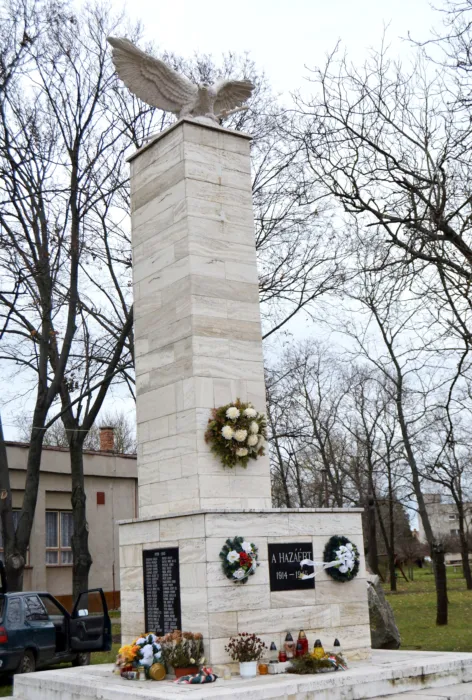
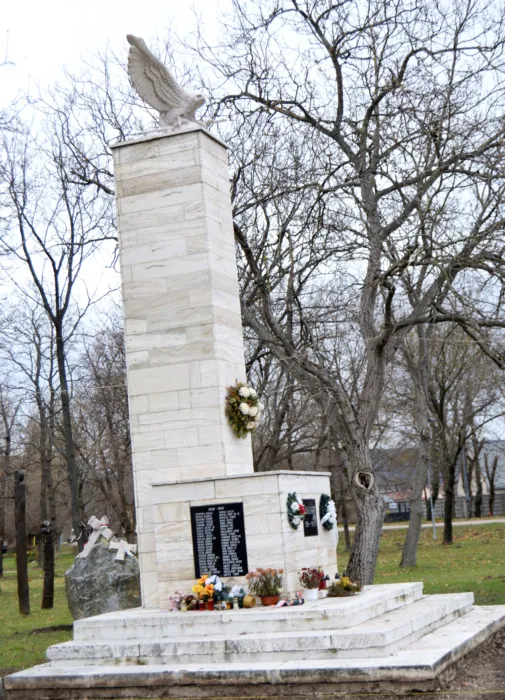
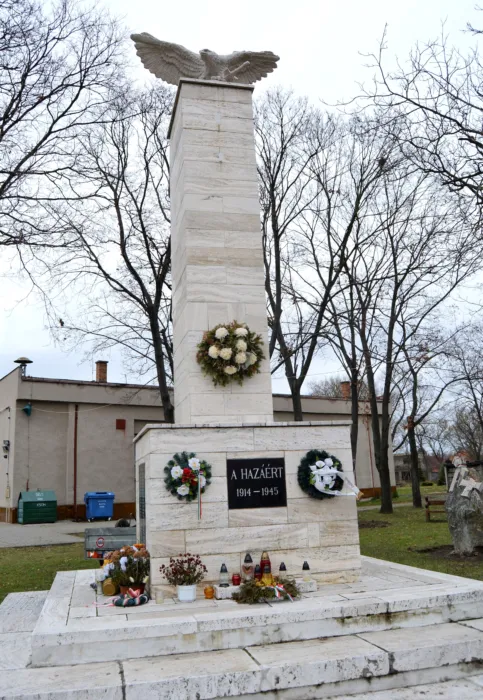
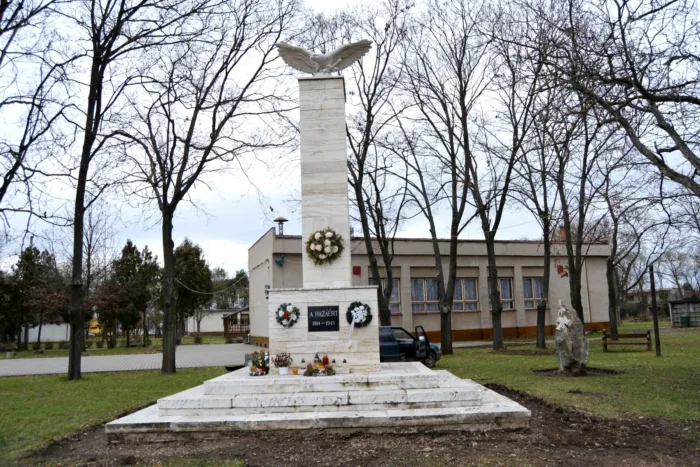
The Nana World War I and II Memorial
Statue, monument, memorial plaque
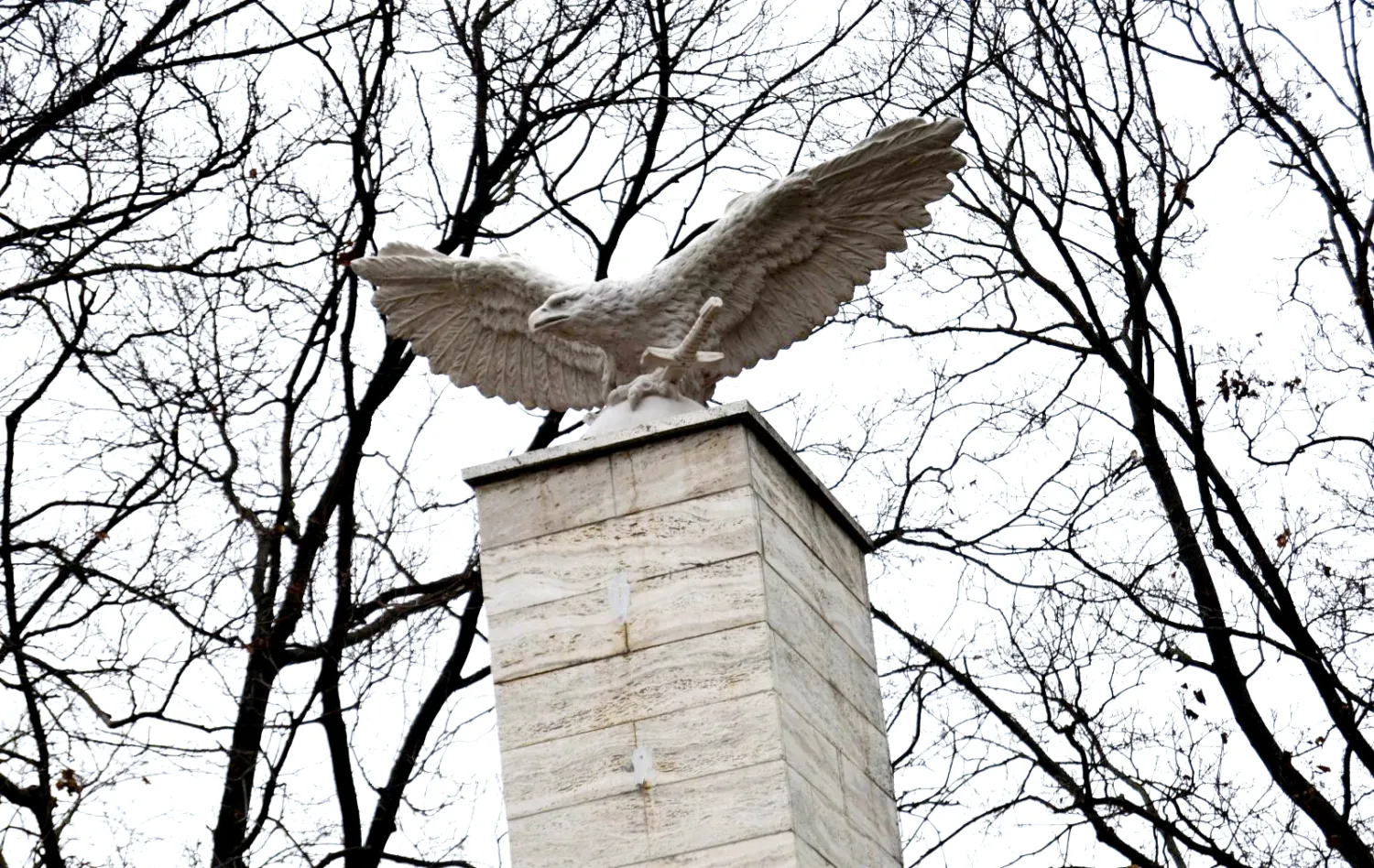
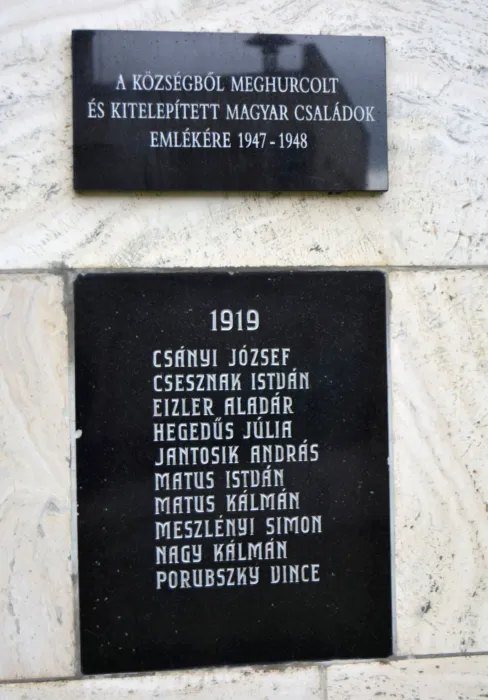
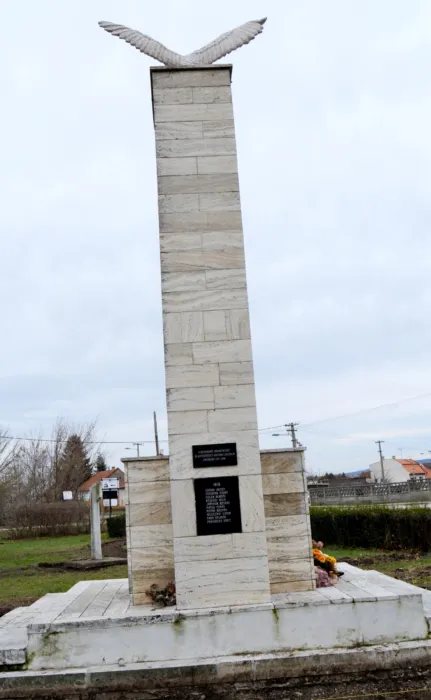
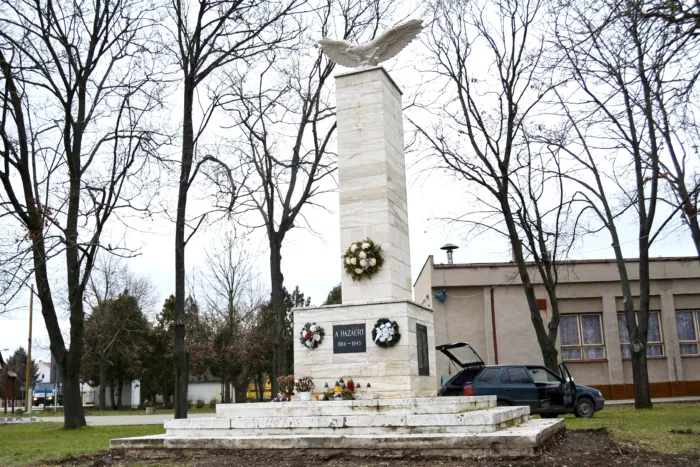
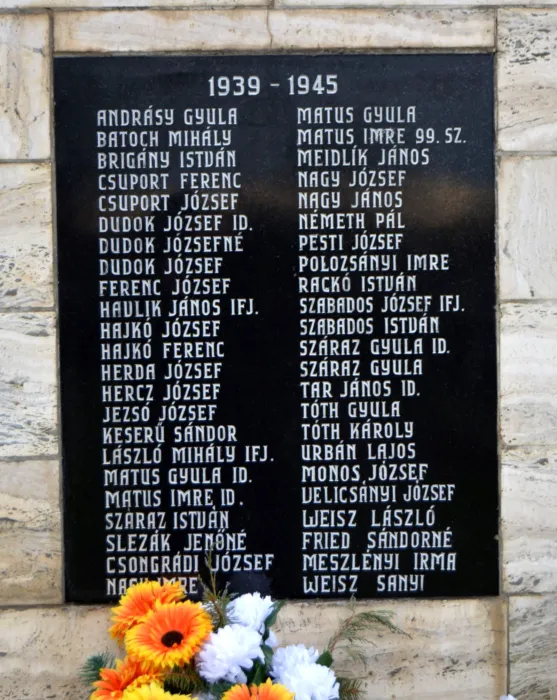
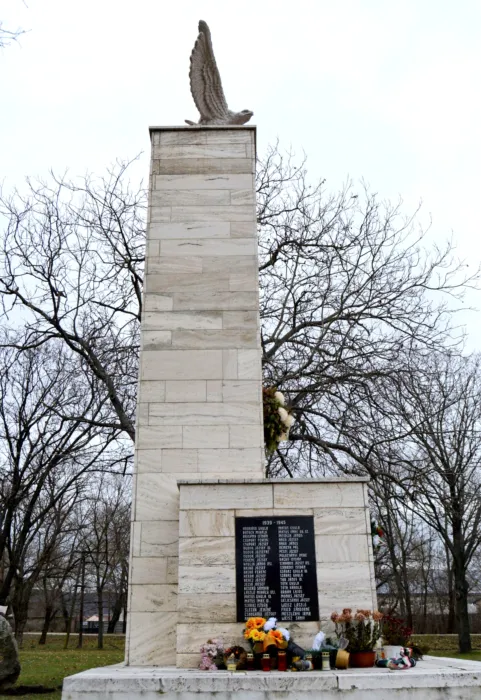
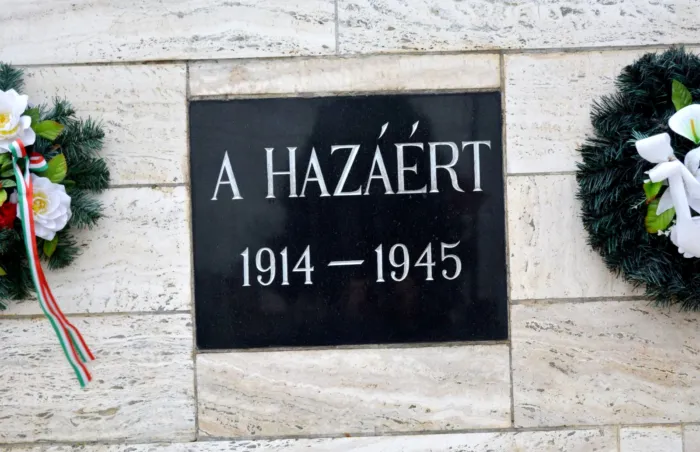
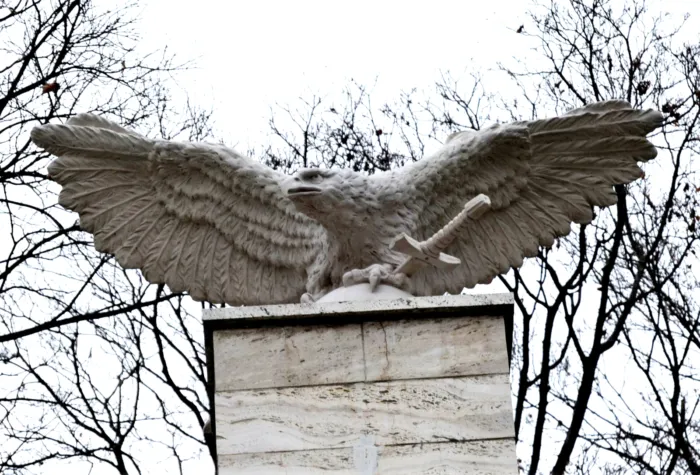
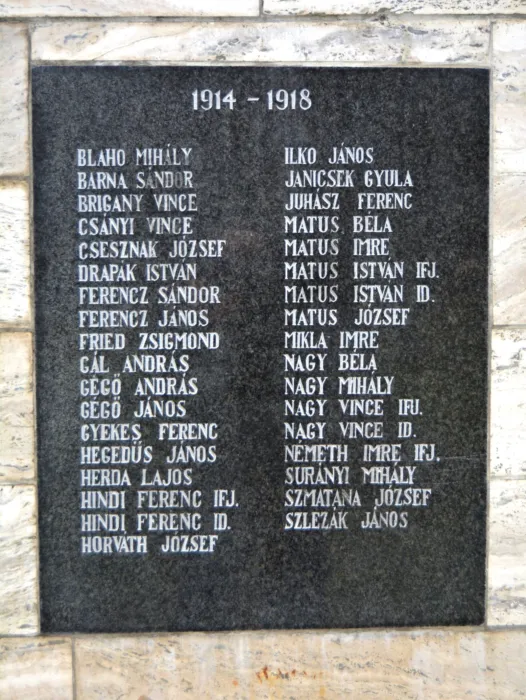
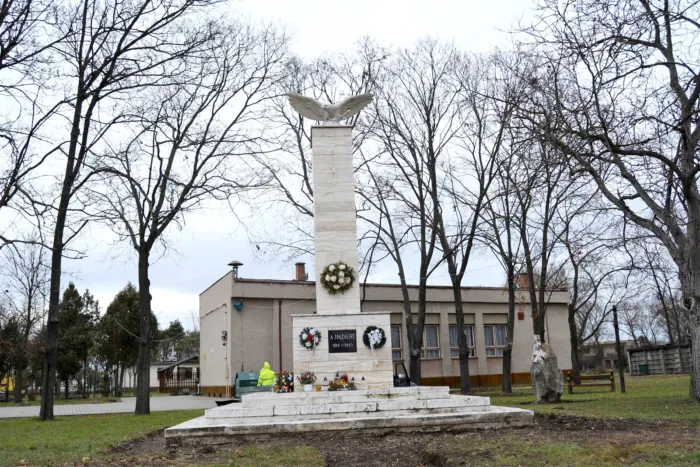
…The modestly designed monument in Nána was built in 1939 in memory of those who fell in World War I and the 10 young people who were innocently shot by Czech legionnaires who occupied the village in 1919. World War II claimed more victims. Their names were engraved in marble in 1952 by the local organization of the Csemadok. Then and several more times after that, the basic organization laid wreaths and took care of the monument. After that, it became ownerless, only the women's organization took care of the small park around it, while the concrete platform was deteriorating. Since 1985, there has been a call for its repair. It was renovated by the local government on November 2, 1994… ; On August 21, 2016, within the framework of the St. Stephen's Day holiday, the former World War I and World War II memorials were opened. The ancient symbol of the Hungarian people, the Turul, a work of the sculptor Attila Csák from Páty, was placed on the column erected in memory of the heroes of World War II. ; At the beginning of the ceremony, the poem by Albert Wass: Hontalanság Hitvallása (Confession of Homelessness) was recited by a high school student, Morvai Barbara. The president of the local Csemadok, Erzsébet Dániel, greeted the guests of the event, including Pál Csáky, the MKP MEP, the speaker of the ceremony, as well as Iván Farkas, national vice president, László Szigeti, member of the MKP National Presidency, Szabolcs Bolya district president, Gyula Popély, historian, Balázs Kiss, embassy counselor, and Dezső Molnár, local mayor. In his welcome address, he emphasized that this monument is a symbol of the Hungarian people's will to live, with which the population of the settlement wants to pay tribute to the memory of their glorious ancestors, and at the same time contribute to the Hungarians, who were long called a sinful people, regaining their self-respect. He said that the erection of the Memorial Sign was supported by local entrepreneurs Mária Béres and József Béres and the Bethlen Gábor Fund. ; This was followed by a ceremonial speech by MEP Pál Csáky, who was the main patron of the event. In his speech, he recalled the spirituality of Saint Stephen, which can fill the members of our nation, including Hungarians abroad, with pride. He emphasized: “In 2016, we say that we do indeed adhere to our language, our culture, our Hungarianness, our traditions, our history, our homeland and the idea of a unified Hungarian nation. Here, in Nána, we feel just as Hungarian as any citizen of Budapest, Győr or Sopron. We are loyal citizens of another country, we abide by its laws, sometimes better than individuals belonging to the state-forming majority. However, there is no dispute for us that we are Hungarians and we want to remain Hungarians!” August 20 is an important holiday, a milestone that not only refers back to the past, but also points to the future. The nation that has united its sons in language, culture, history and traditions and will continue to unite them if they make their decisions and do not give up their principles – neither in Hungary nor in the historical Uplands, nor in other parts of the world. Pál Csáky concluded his speech with these words: “We are human because we have values, emotions, and we know what we want, where we came from and where we are going. We will not let ourselves be carried away by all kinds of 21st century challenges.” ; After József Pálmai’s song, the Historical Memorial Sign was presented. The members of the Béres family tied a ribbon around the statue in national colors. József Béres, a private entrepreneur, said that this Turul statue, as a symbol of all Hungarians, proclaims that we were, are and will be Hungarians. Mayor Dezső Molnár thanked the Béres couple on behalf of the local government of Nána, its population and the entire Hungarian community in the Uplands, for financially helping to make a great dream come true. In the rest of the program, Balázs Sárai recited Péter Veres’ poem: If You Can’t Be a Tree. Then came the wreath-laying, during which Imre Vecserka performed historical melodies on a tárogató. After that, Imre Vadkerti addressed the celebrating community in the language of music, performing Kormorán songs and excerpts from the rock opera Stephen the King. Attila Csák, the creator of the statue, also addressed the audience and emphasized that the Turul bird symbolizes Hungarian spirituality and the unity of Hungarians living in the motherland and beyond. At the end of the festive program, the Order of St. George presented a certificate of honor to the still living World War II veteran from Nána, Knight Flórián Bőjti. Erzsébet Dániel closed the ceremony with these words: “The turul bird is surrounded by the air of 1200 years, and now it has landed on the monument of our village to preserve the past and point to the future. Let us take care of it, let us also preserve this monument! Dear young people, those who will come after us, the task awaits you, because without symbols and relics there is no country, no nation. Never forget this! Pass on the ancient message to your children!” This exemplary ceremony ended with the joint singing of the Hungarian Anthem.