Monument to the victims of World War I and II
Statue, monument, memorial plaque
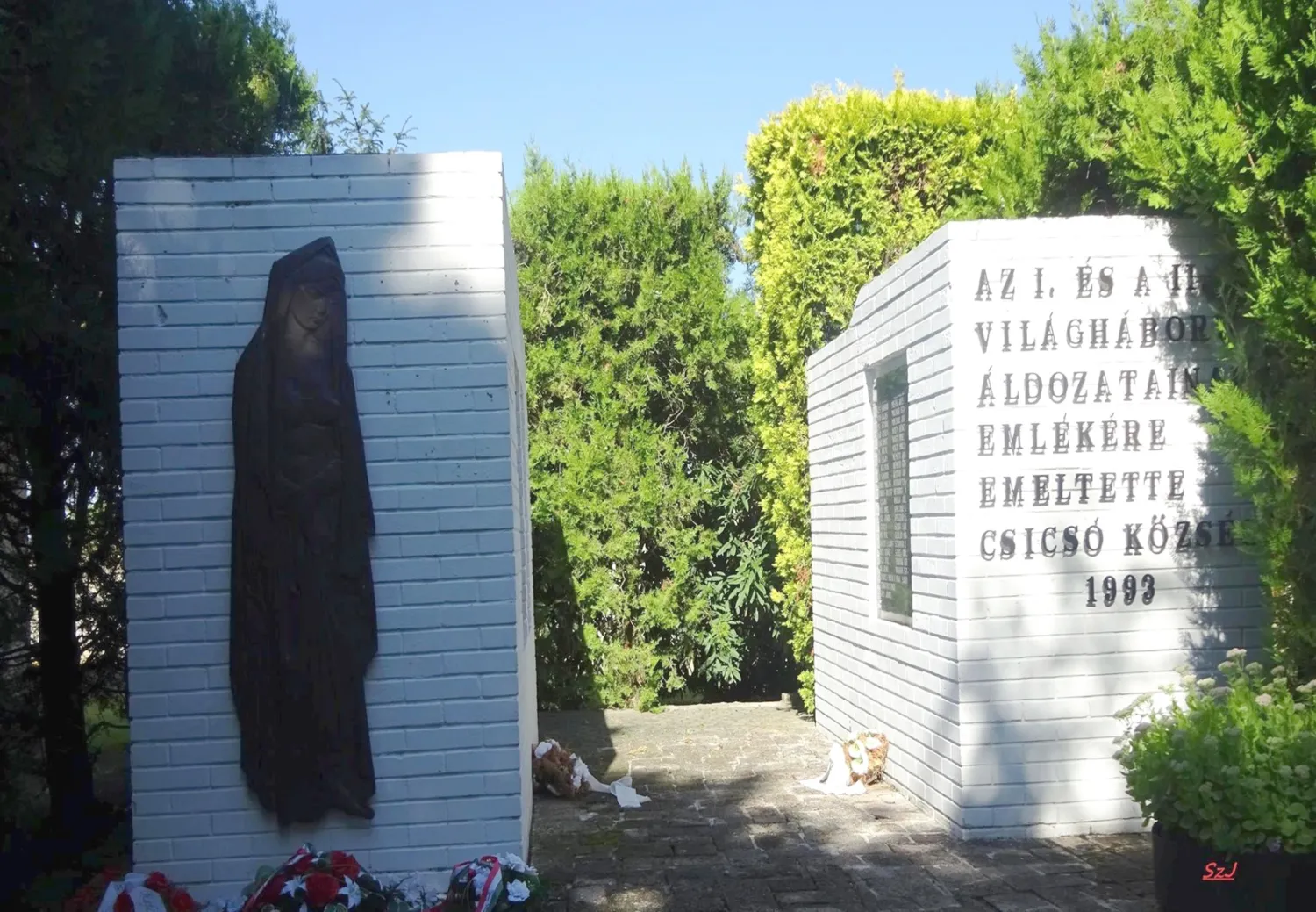
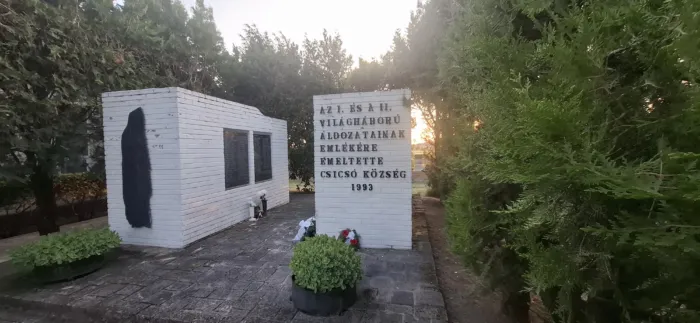
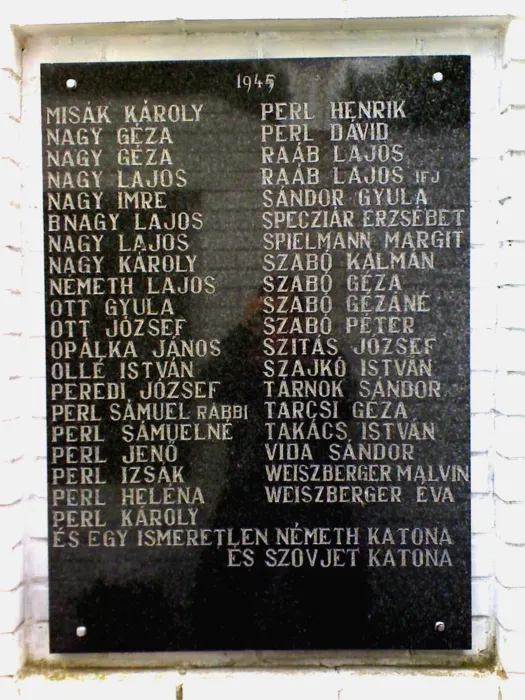
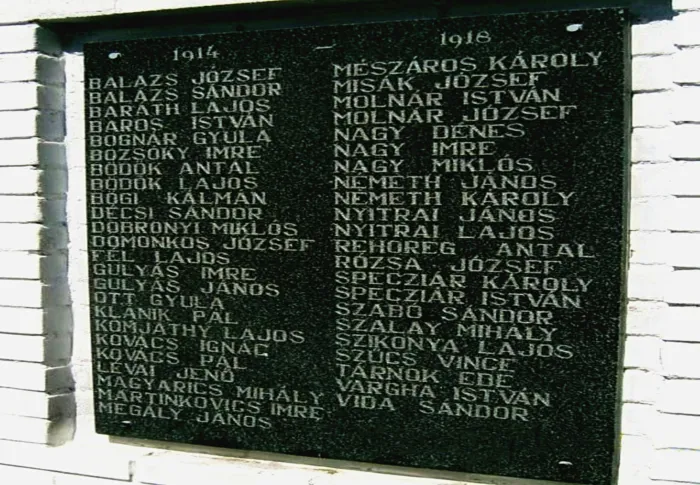
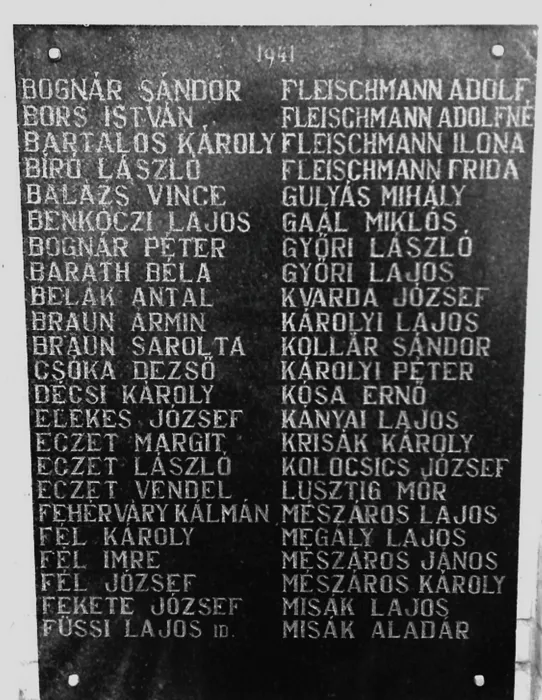
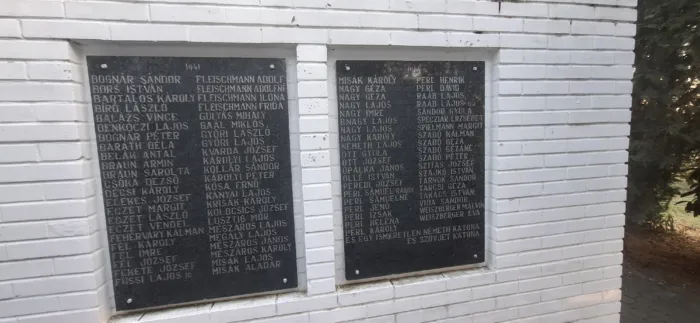
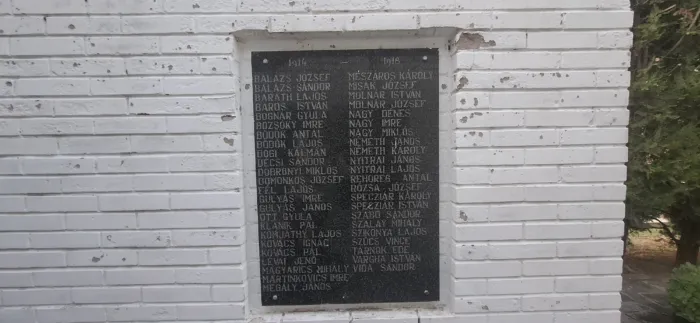
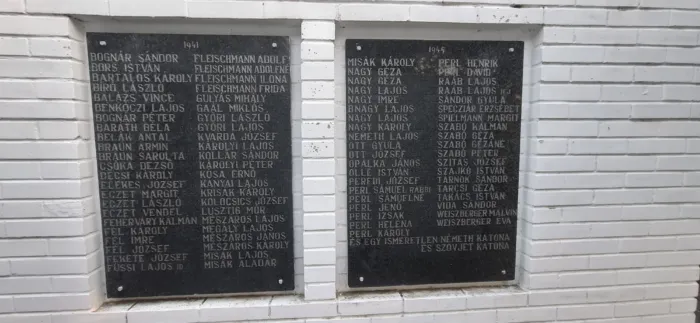
The First and Second World Wars claimed many victims. Their memory is preserved by the monument erected next to the funeral home in 1993 with public donations. Here we can read the names of all the war victims of the village, but it also commemorates those unknown people who lost their lives in the village during the war and were buried here. The monument was built on a raised area. It consists of two walls. When viewed from the front, on the left wall, in the front, the bronze relief depicting the Madonna – a mother weeping for her children – is the work of the well-known sculptor from the Highlands, János Nagy. On this side there are two plaques with the names of the victims of the Second World War. On the right wall, in the front, this inscription can be read: “Erected by the village of Csicsó in memory of the victims of the First and Second World Wars in 1993”. On this side there is only one plaque with the names of the victims of the First World War. After the war, Catholics erected separate memorial plaques for the victims of World War I - made of pink marble, on the outside of the stone fence of their church - and the Calvinists - made of red marble, in their church, opposite the pulpit.
However, these monuments are not only a memorial to the heroes who fell in war, but also symbols of peace and reconciliation. It is important for the community to remember the past, but it is equally important to learn from it and strive for peace and understanding in the future. For visitors to the monuments, these messages appear in the names on the walls and in the works of art. The care and maintenance of the monuments is the responsibility of the local community. Every year, commemorations and events are organized to pay tribute to those who gave their lives for their country. The monuments are community spaces where people can gather to remember and pay tribute together. Memorial plaques placed in churches also play an important role in the life of the community. People who go to churches to pray often stop at the memorial plaques to read the names and pray for the victims. This practice helps to maintain the memory and respect for those who lost their lives in wars.