
Monument to those who died heroically in World War I
Statue, monument, memorial plaque
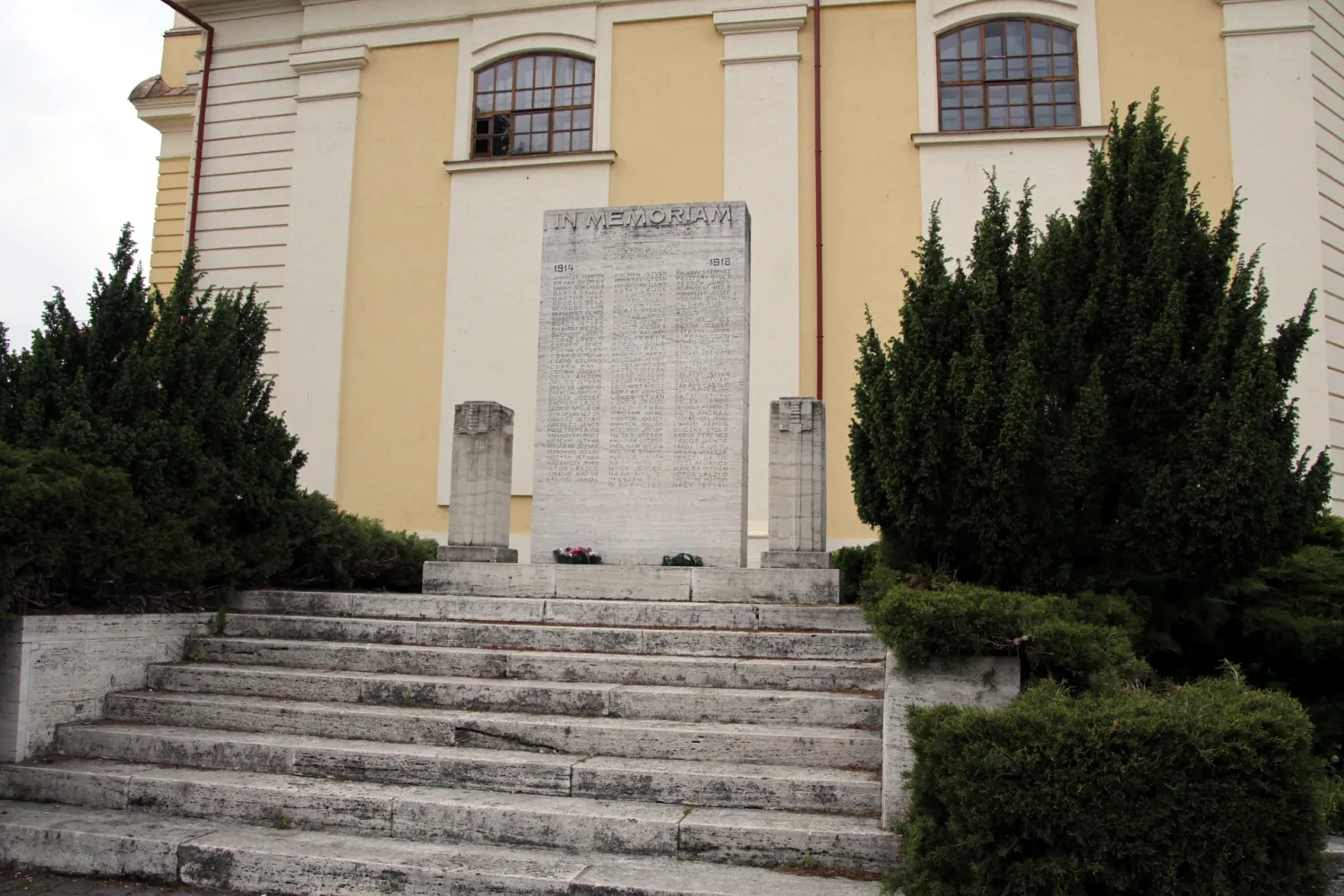
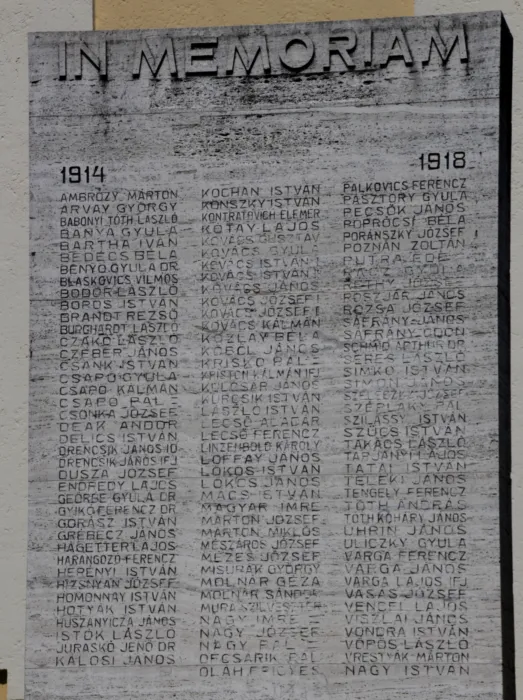
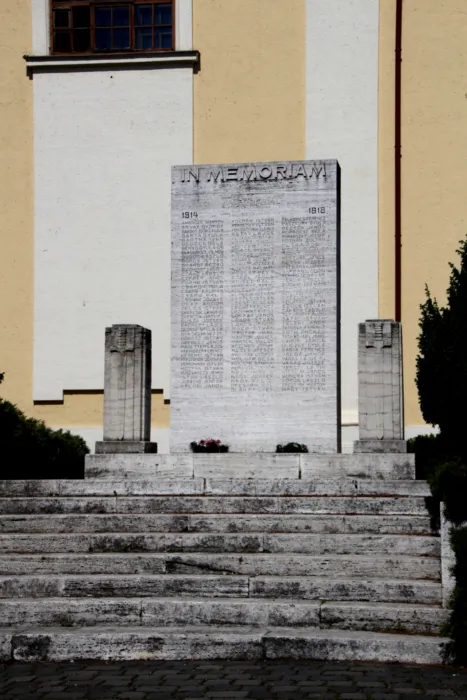
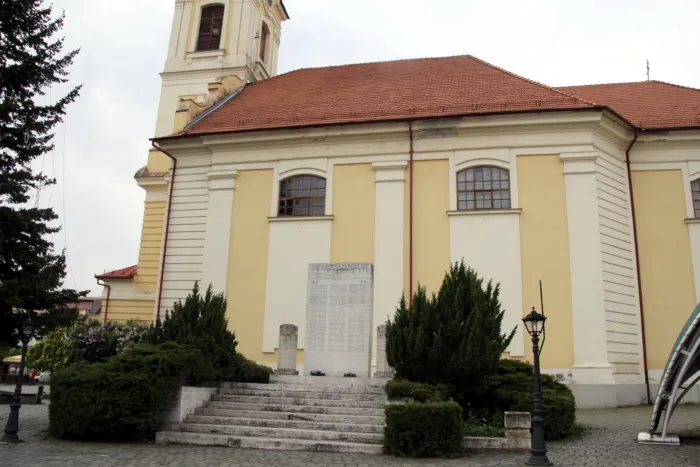
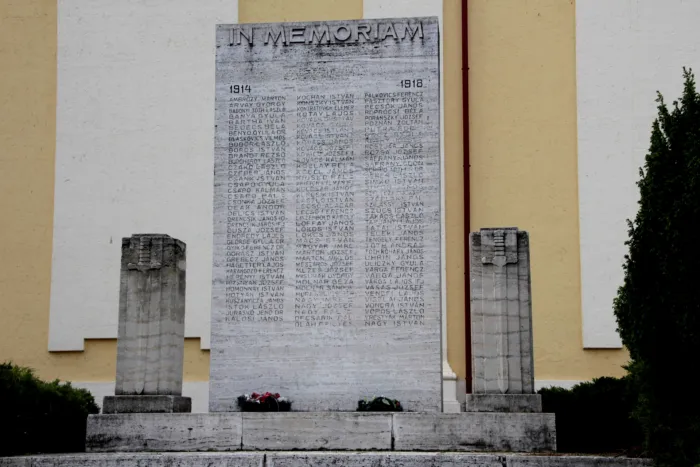
In the case of Rimaszombat, the former seat of Gömör County, the question of a monument to those who died a heroic death in the 1914-1918 World War became relevant after the return in 1938, and the intention was also expressed in the establishment of the Monument Committee. Jenő Mátrai-Makovits (1896-1967), a local painter and sculptor, created sketch plans for his hometown for the main square of the city that had regained county rights. From his plaster designs, which are now part of the art history collection of the Gömör-Kishonti Museum in Rimaszombat, the modest ornamental monument with white marble slabs that still stands today was finally realized. The interesting thing is that the construction was delayed for three years, as the travertine stones were transported from Igló, which was already part of Slovakia at the time, and from Szepesváralja to Rimaszombat, which was newly annexed to Hungary. The heroes' monument, marked with the names of 119 Rimaszombat soldiers, was unveiled on November 10, 1942, on the fourth anniversary of the city's reunification with Hungary, on what was then Horthy Miklós Square in Rimaszombat. ; The inauguration ceremony of the heroes' monument can be "reconstructed" based on the local regional social newspaper, Gömör. According to the press, the city, dressed in flag decorations, first paid its respects in the churches of the Christian denominations, within the framework of festive services at 9 a.m., and then from 10 a.m. the ceremonial assembly took place in the great hall of the city hall. The unveiling ceremony of the Heroes' Monument took place at 12:30 p.m. on the city's main square. As part of the festive program, the local Levente and Scout band opened the ceremony with a performance of the Hungarian Faith, then the pastors of the Christian churches blessed the monument. The ceremonial inauguration speech was given by Béla Lukács of Vitéz Kövecsesi, m. kir. privy councilor, minister without portfolio, honorary citizen of Rimaszombat, then after the Anthem sung by the Rimaszombat Dalegylet, the monument was handed over on behalf of the Heroes' Memorial Committee, which was received by Mayor László Éva on behalf of the city's public. After the wreath-laying ceremony of the newly handed over heroes' monument, the Rimaszombat Hungarian Dalegylet closed the festive program by singing the Szózat. “The tower clock struck half past one when the ceremony ended with the sounds of the Declaration. Afterwards, the withdrawn formations marched in a magnificent parade in front of the minister and the military commander. The horseshoes clattered and the legs of the soldiers, financial guards, infantrymen and scouts bounced tightly, delighting the heart and soul. Today's soldiers paid their respects to the great heroes of the past in a worthy manner. After the parade, the bells rang and for half an hour they proclaimed the immortality of those who gave their lives for the Homeland.” – this was stated in the media of the time on November 15 of the current year, spiced with a certain spirit of the times. ; The monument erected in front of the Roman Catholic church and inaugurated with great pomp originally included the name of the governor's son, István Horthy of Nagybánya, who died in a tragic plane crash, as an expression of respect (and as required by a regulation passed in 1942). The name was removed from the monument after 1945. The inscription "FOR THE HOMELAND" also disappeared, which can also be attributed to the change of Czechoslovak empire. Just as the eternal candles that adorned the columns depicting double-edged swords have also disappeared.