
Aspremont Summer Palace
Building, structure
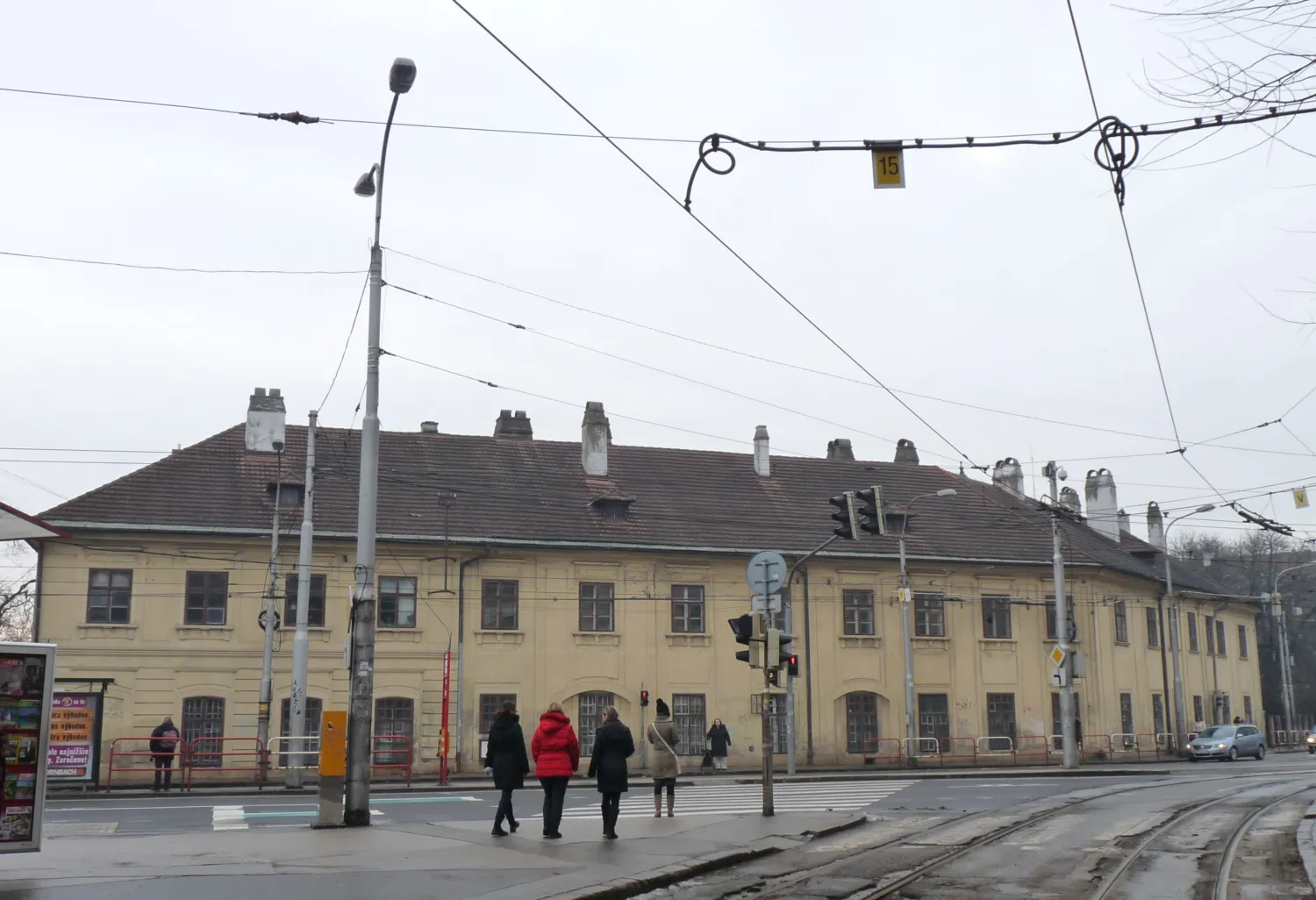
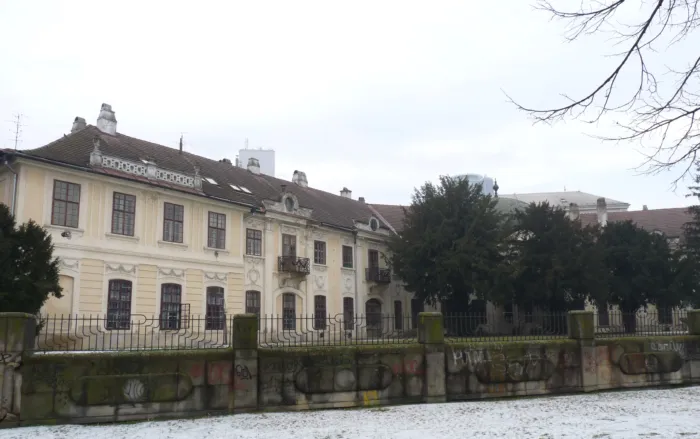
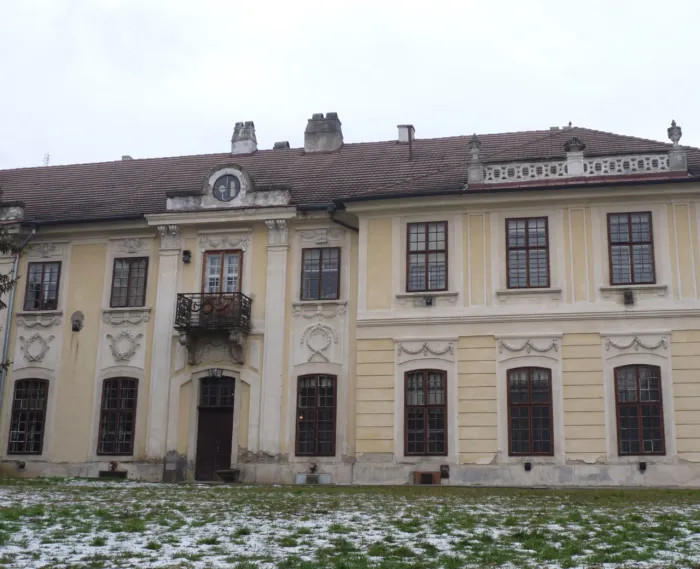
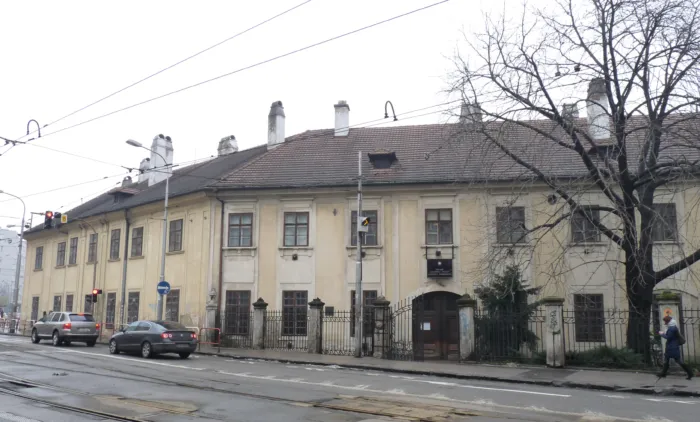
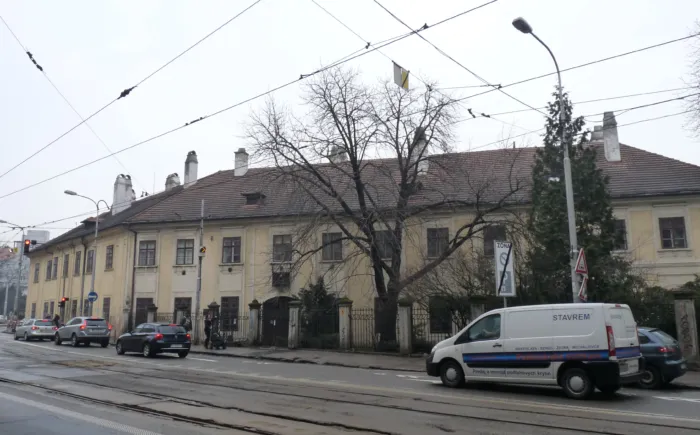
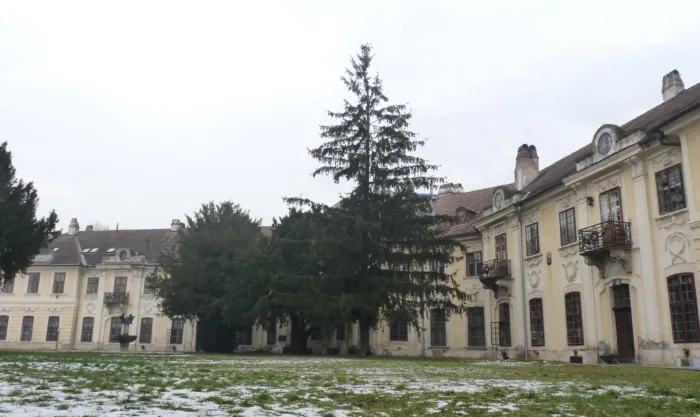
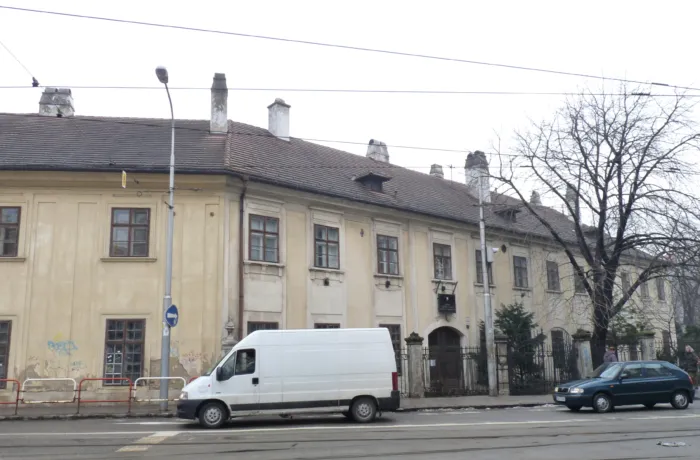
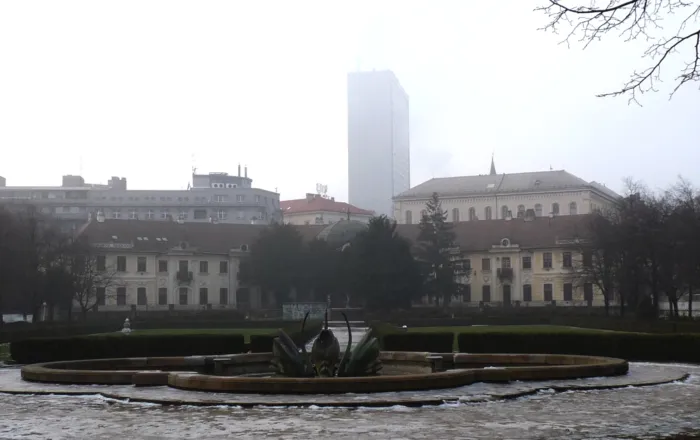
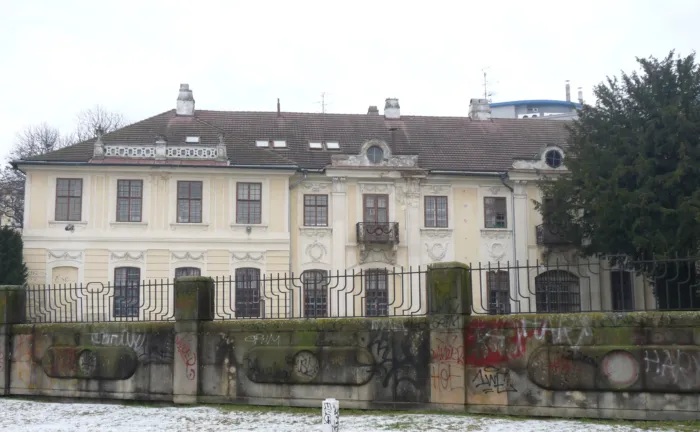
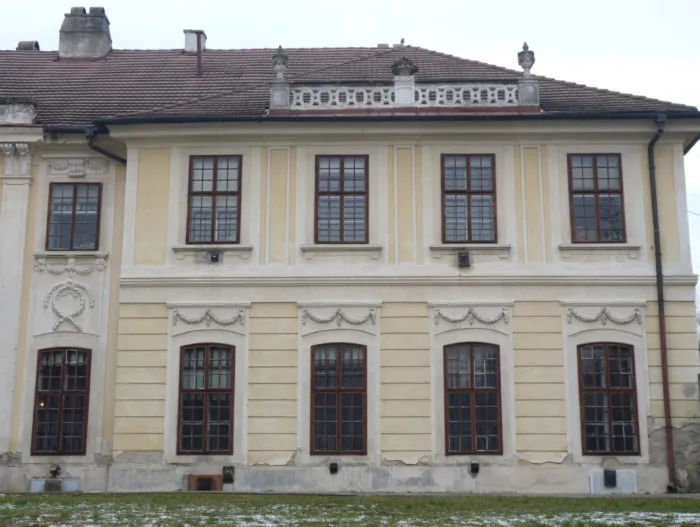
The one-story, symmetrical Baroque creation stands on the northern edge of the site, facing the street, with a ground plan that follows the curve of the street and has several broken axes. One of the most beautiful parts of the building is the richly decorated, late Baroque-style Holy Cross Chapel. On its altar made of red and white marble, a large painting depicts the crucifixion of Christ. ; According to Tivadar Ortvay, at the lower end of the Hospital Street is the palace of Count Aspremont with a large garden, beautiful chestnut and many fruit trees. The right wing of the palace extends to Erzsébet Street, the garden to Pray and Mező Streets. Originally, there were farm buildings, fields and gardens on the site of the palace and they belonged to the Archduchy of Magyar-Óvár. On April 8, 1769, this estate was acquired for 44,000 Rhenish Francs and 240 Imperial gold by John Golbert, Count of Aspremont, Rekheim and Linden of the Holy Roman Empire, and his wife, Countess Franciska of Woldenstein-Trostburg, in whose name the purchase was registered in the land register on April 29, 1769. The new owner, Count Aspremont, then built the spacious palace. (in 1770 according to the plans of József Tallher.) And that it was still in his hands in 1781 is proven by Korabinsky, who in his work published in that year calls the palace the property of the said count. Soon after, the palace and garden passed into the possession of Prince Esterházy, who on several occasions made his splendid court shine in the palace. József Haydn played several times with the princely orchestra in this palace until 1790. With the financial situation of the prince becoming unstable in the fifties, the palace and garden were put up for sale as non-revenue generating assets. It was purchased by Károly Schiftbeck, a wealthy privateer from Bratislava, for 50,000 forints, including furniture and furnishings, on the condition that he would pay 14,000 forints immediately as the purchase price, 12,000 a year later, and the remaining amount over 12 years, 2,000 forints per year, interest-free. Schiftbeck had all the buildings adapted into apartments in the original buildings with the possible improvement and thus made the palace so profitable that he could maintain it. After his death, the estate passed to his wife Katalin Schiftbeck and she maintained it in its entirety. After the widow, the whole estate passed to her niece, Mária Stabwasser, who built a large apartment building next to the palace on the Marhavásártér side. The garden is well maintained as a decorative and vegetable kitchen garden and orchard. When the Minister of Religion and Public Education, Ágoston Tréfort, was seriously concerned with the establishment of the University of Bratislava in the 1970s, he wanted to acquire the palace and the garden belonging to the house (today's Medicus Garden) for the medical faculty, as the large national hospital was opposite, but he refused to buy it, fearing the purchase price of 1 million. The garden will sooner or later be divided into plots, because its area is very suitable for the development of the city in this direction with new streets. "; The palace now houses the Dean's Office of the Faculty of Pharmacy of the Comenius University in Bratislava.